
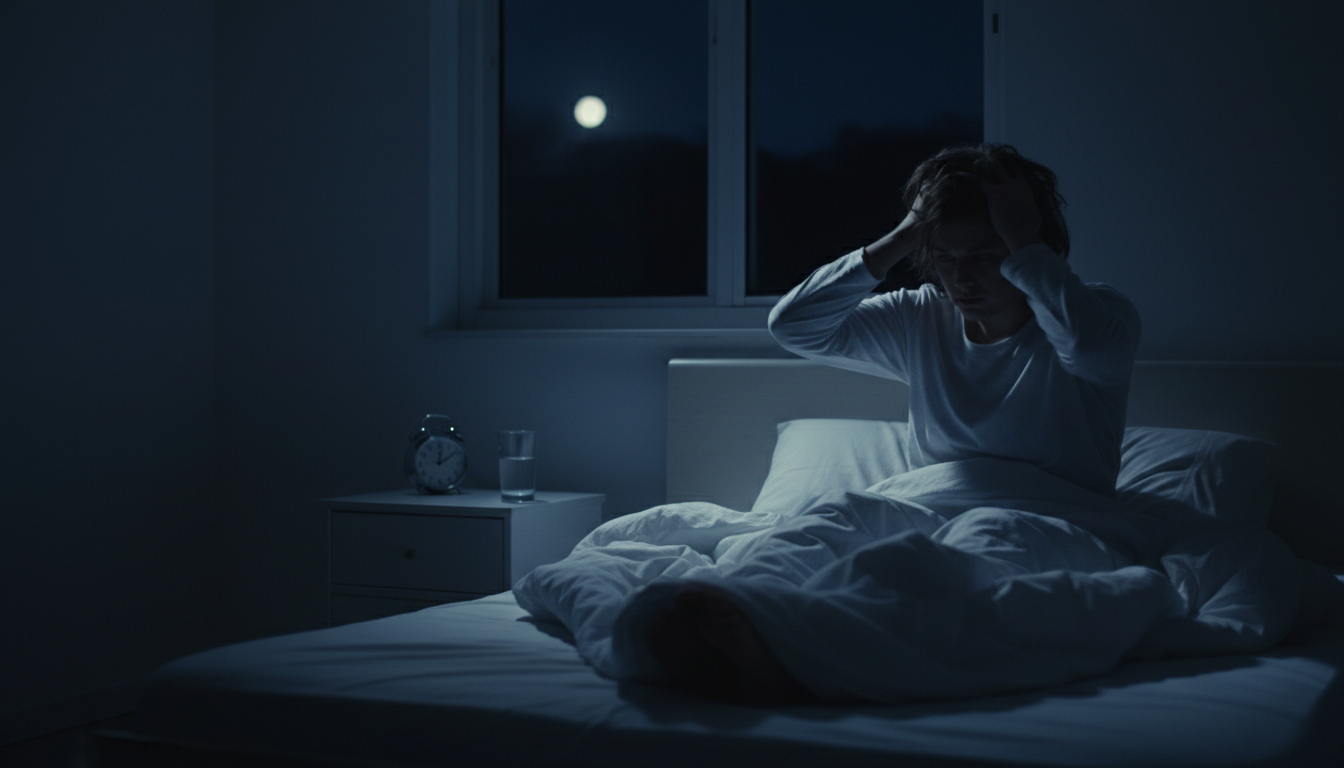
Many of us lie awake at night, staring at the ceiling. Our thoughts race without end. This struggle affects millions of Americans every day.
We often toss and turn until the sun rises. It makes us feel tired and not ready for the day.
Stress and past trauma often cause these restless hours. Some people also have medical conditions that lead to sleep anxiety.
This cycle is hard on our mental health and energy. It’s tough to stay focused when we’re not well-rested.
It’s important to tackle these patterns for our well-being. In this guide, we’ll look at the causes of nighttime tension and offer solutions.
Getting better sleep helps us focus and feel happier. Our team wants to help us all find peace and improve our lives.
Key Takeaways
- Nighttime restlessness affects millions of Americans every year.
- Stress and trauma are primary triggers for late-night tension.
- Physical and mental health rely heavily on high-quality rest.
- Underlying medical conditions can often contribute to sleep issues.
- We can implement practical strategies to manage evening stress effectively.
- Restoring a healthy cycle significantly improves our overall well-being.
Understanding Sleep Anxiety and Its Impact on Our Rest
Anxiety and sleep are closely linked. Knowing this helps us sleep better. Sleep anxiety makes it hard to relax at night, hurting our mind and body.
What Sleep Anxiety Actually Means
Sleep anxiety makes it tough to fall asleep. This creates a cycle where anxiety worsens sleep problems. It’s important to understand this to find ways to relax at night.
How Anxiety When Trying to Sleep Affects Our Physical Health
Anxiety at bedtime harms our body too. It raises our heart rate, blood pressure, and body temperature. These changes make it harder to sleep.
| Physical Effects | Description |
|---|---|
| Increased Heart Rate | Anxiety can cause an elevated heart rate, making relaxation difficult. |
| High Blood Pressure | Stress and anxiety can lead to increased blood pressure, affecting overall cardiovascular health. |
| Body Temperature Changes | Anxiety can cause fluctuations in body temperature, disrupting sleep. |
Recognizing the Signs of Bedtime Anxiety in Our Lives
Spotting bedtime anxiety is the first step to dealing with it. Signs include trouble falling asleep and waking up often. Feeling tired in the morning is another sign.
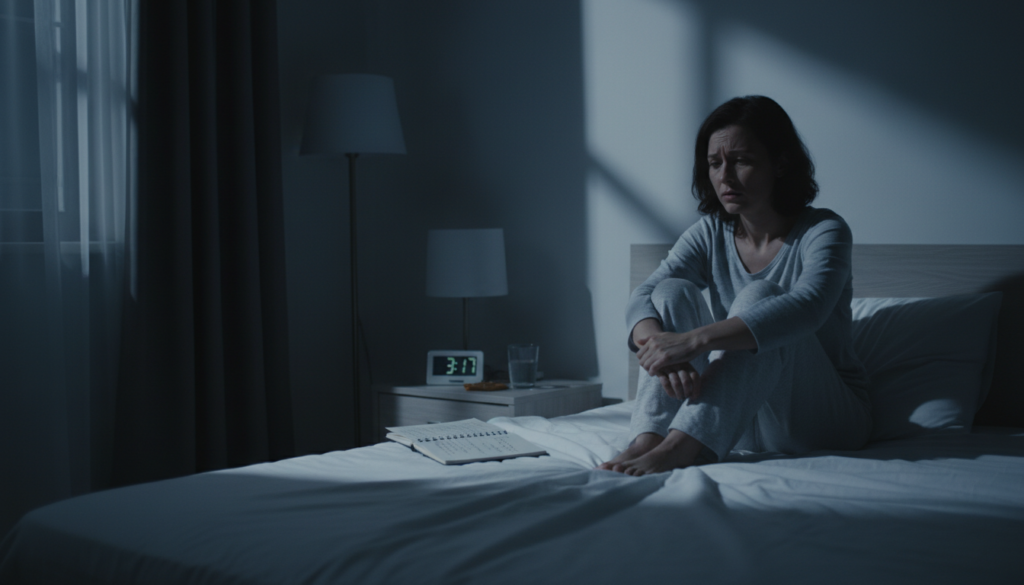
By noticing these signs and knowing why they happen, we can start to fix them. This helps us sleep better and feel better overall.
Identifying the Root Causes of Our Nighttime Worries
To tackle sleep anxiety, we must first explore the complex web of factors that lead to our nighttime worries. Various elements can contribute to our anxiety when trying to sleep. These include stress, medical conditions, and psychological factors.
Common Triggers That Keep Us Awake
Several common triggers can keep us awake at night. These include:
- Stress from work or personal life
- Consuming heavy meals or caffeine close to bedtime
- Exposure to screens and electronic devices before sleep
- Uncomfortable sleep environments
As Dr. Rachel Salas, a sleep specialist, notes, “The bedroom should be a sanctuary for sleep. Factors that disrupt this environment can significantly impact our ability to fall asleep and stay asleep.”
The Stress-Insomnia Anxiety Cycle
The relationship between stress, insomnia, and anxiety is cyclical. Stress can lead to insomnia, which in turn can exacerbate anxiety, making it harder to sleep. This cycle can be challenging to break, but understanding its dynamics is crucial.
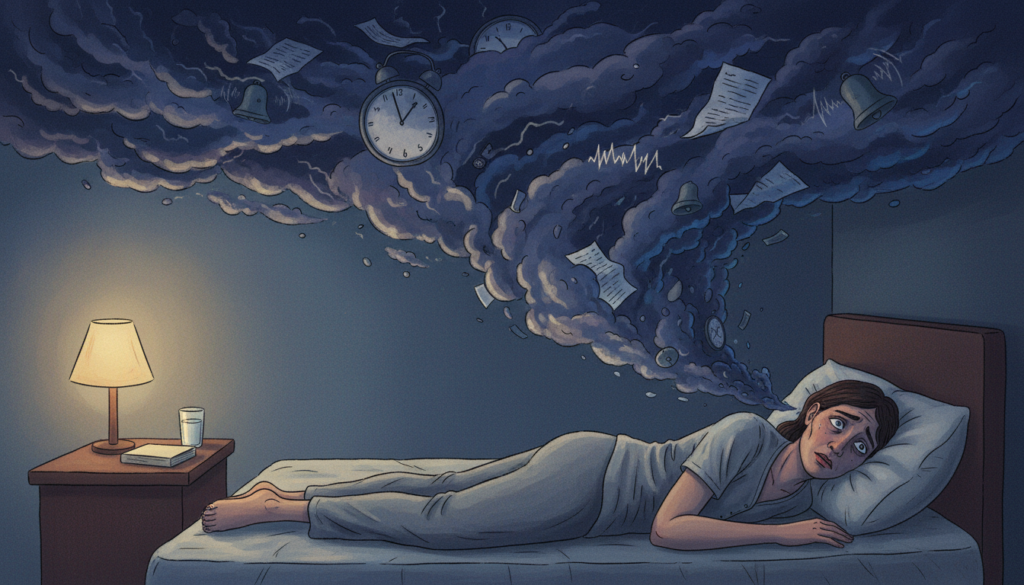
Breaking this cycle requires addressing both the stress and the anxiety. Techniques such as mindfulness and relaxation exercises can be beneficial.
How Racing Thoughts Hijack Our Sleep
Racing thoughts are a common phenomenon for individuals experiencing sleep anxiety. These thoughts can range from worries about the next day to reflections on past events.
“The mind is a restless entity that can be challenging to calm, especially when faced with the pressures of modern life.”
Managing racing thoughts involves techniques that calm the mind and redirect focus away from stressful thoughts.
Medical and Psychological Factors to Consider
Both medical and psychological factors can play a significant role in sleep anxiety. Conditions such as generalized anxiety disorder, depression, and sleep disorders like sleep apnea can contribute to nighttime worries.
| Condition | Impact on Sleep | Potential Treatment |
|---|---|---|
| Generalized Anxiety Disorder | Increased anxiety at night | Cognitive Behavioral Therapy (CBT) |
| Depression | Disrupted sleep patterns | Medication, Therapy |
| Sleep Apnea | Frequent awakenings | CPAP Therapy, Lifestyle Changes |
Understanding these factors is crucial for developing an effective plan to manage sleep anxiety.
Building Our Foundation: Creating the Ideal Sleep Environment
Turning our bedroom into a sleep haven is key to beating sleep anxiety. A good sleep space is vital for quality sleep. With a few tweaks, we can make a room for restful nights and bright mornings.
Step 1: Optimize Our Bedroom Temperature and Lighting
The room’s temperature and light affect our sleep. A cool room, 60-67 degrees Fahrenheit, is best for sleep. It keeps our body’s temperature right for sleep.
Lighting is also important. Darkness makes our body make melatonin, the sleep hormone. Blackout curtains or blinds block out light, making our room dark for sleep.
Step 2: Establish a Calming Bedtime Routine
A soothing bedtime routine tells our body it’s time to sleep. This can include relaxing activities to lower stress and anxiety.
Setting a Consistent Sleep Schedule
Keeping a regular sleep schedule is key. Going to bed and waking up at the same time every day, even weekends, sets our body’s clock. This leads to better sleep and less anxiety.
Choosing Relaxing Pre-Sleep Activities
Doing calm things before bed helps our mind and body relax. Reading, taking a warm bath, or stretching are good choices. Avoiding screens and exciting activities an hour before bed is also important.
Step 3: Eliminate Sleep Disruptors from Our Bedroom
Things like phones and clutter can mess with our sleep. Getting rid of these can make our sleep space better. Turn off phone alerts, remove TVs and computers, and tidy up our room for peace.
By doing these steps, we can make a sleep-friendly room. A calm bedroom and a soothing bedtime routine can greatly improve our sleep.
Mastering Relaxation Techniques for Sleep Anxiety Management
Learning to relax can make sleep better. It helps us handle stress and anxiety. This makes it easier to sleep well.
The Progressive Muscle Relaxation Method
Progressive muscle relaxation is a great way to relax. It involves tensing and relaxing muscles all over our body. This method helps us feel calm.
How to Practice Progressive Muscle Relaxation
Start by getting comfy, lying down or sitting. Tense your toes for a few seconds, then relax them. Move up your body, tensing and relaxing each part.
Best Times to Use This Technique
Use it when you feel anxious or tense. It’s best before bed to help you sleep better. For more tips on anxiety, visit https://workshiftanxiety.com/.
Deep Breathing Exercises to Calm Our Mind
Deep breathing helps calm our mind. It distracts us from worries and makes us relax.
The 4-7-8 Breathing Technique Explained
The 4-7-8 technique is called the “relaxation breath.” Breathe in for 4 counts, hold for 7, and out for 8. It slows your heart and relaxes you.
Box Breathing for Reducing Anxiety at Bedtime
Box breathing is simple and effective. Breathe in for 4 counts, hold for 4, out for 4, and hold again for 4. It brings balance and calm.
Guided Imagery and Body Scan Meditation
Guided imagery and body scan meditation help us relax. They prepare us for sleep. Guided imagery uses a peaceful scene, while body scan focuses on body parts.
Using Mindfulness to Release Anxious Thoughts
Mindfulness helps us deal with anxious thoughts. It keeps us calm. By being present, we lessen anxiety’s impact on sleep.
Using these techniques daily can help with sleep anxiety. Regular practice and patience are important for the best results.
Effective Coping Strategies for Sleep Anxiety When It Strikes
Understanding sleep anxiety is key to managing it. When we can’t sleep because of anxiety, it’s hard to relax. But, there are ways to handle it.
What to Do When We Wake Up Feeling Anxious
Waking up anxious at night is tough. Having a plan is important. The 20-minute rule is a good start.
The 20-Minute Rule for Getting Out of Bed
If we can’t sleep in 20 minutes, get up. Doing something calm helps. Learning about anxiety at night helps too.
Safe Activities for Middle-of-the-Night Wakefulness
Choose calm activities when getting up. Reading, listening to music, or stretching are good. Stay away from screens and bright lights.
| Activity | Benefits |
|---|---|
| Reading a book | Distracts from anxious thoughts, promotes relaxation |
| Listening to soothing music | Calms the mind, creates a peaceful atmosphere |
| Gentle stretches | Relaxes the body, reduces physical tension |
The Worry Journal Technique for Managing Racing Thoughts
Writing down worries before bed helps. It clears our minds and lowers anxiety. This makes it easier to sleep.
Grounding Exercises to Use During Nighttime Panic
Grounding exercises are great for nighttime anxiety. They keep us in the moment, reducing panic.
The 5-4-3-2-1 Sensory Technique
Notice five things we see, four things we touch, and so on. This keeps us focused on now, not worries.
Physical Grounding Methods
Deep breathing, muscle relaxation, or feeling our feet on the ground work too. They calm us down, helping us sleep.
When to Seek Professional Sleep Anxiety Help
If anxiety keeps us awake and affects our life, get help. A doctor can offer advice and treatments. This way, we can tackle the root of the problem.
Conclusion
Managing sleep anxiety is a big task. We need to make our sleep space good, relax, and find ways to deal with stress. This helps a lot at bedtime.
We’ve looked at many ways to fight sleep anxiety. We can make our bedroom better and learn to relax. These steps help us stop feeling stressed at night.
If sleep anxiety keeps coming back, getting help from a pro is key. With the right help, we can sleep well again. We’ll wake up feeling new and ready to go.