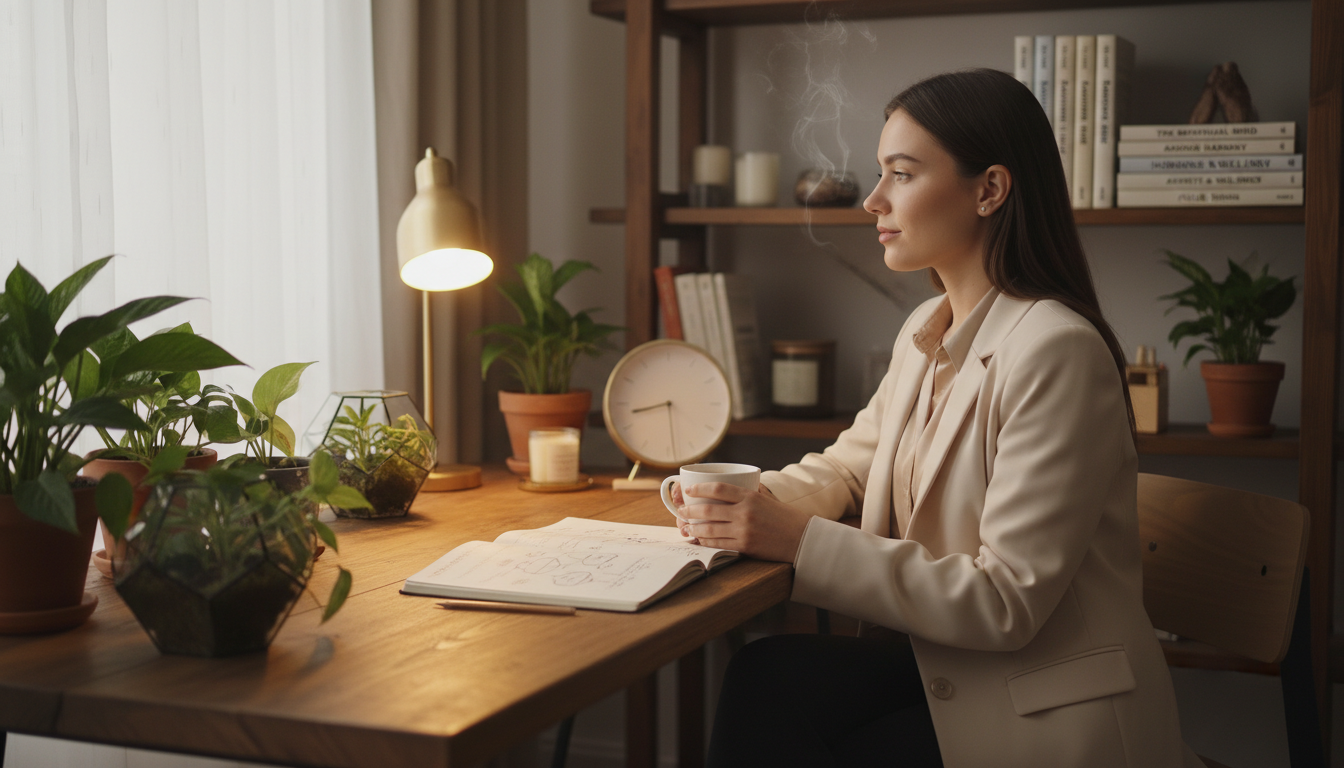
Most people in the U.S. drink stimulants every day. Coffee is a big favorite, with 75% drinking it daily.
Think about how these drinks affect us during our period. Learning to handle caffeine anxiety is key for our health. Yet, we often ignore how our favorite drinks affect our body’s rhythm.
Our internal balance often changes during certain times of the month. We aim to find a routine that keeps our energy up. This means managing our feelings without a caffeine crash later.
It’s easy to ignore how our diet affects our mood. By paying attention to our body’s reactions, we can find better ways to feel good all month.
Key Takeaways
- Over 90% of Americans consume caffeine as a regular part of their diet.
- Approximately 75% of consumers in the U.S. use stimulants every single day.
- Monthly hormonal shifts can change how our bodies process daily drinks.
- Balancing intake helps maintain a steadier mood during the period.
- Mindful consumption supports overall cycle health and comfort.
- Small lifestyle adjustments can reduce physical and mental stress.
What Is Period Anxiety?
Period anxiety is when you feel anxious because of your menstrual cycle. It affects people in different ways. This condition can make you feel really upset.
The menstrual cycle is not just about your body. It also affects your feelings. Hormones and how you feel can mix together in many ways.
Symptoms and Signs
Period anxiety symptoms can be different for everyone. You might feel your heart beat faster or get really stressed. Some people even have panic attacks.
Things like caffeine can make these feelings worse. Most adults drink 12 ounces of caffeinated drinks every day. This can make anxiety worse for some people.
Caffeine might not cause anxiety for most. But it can make you feel anxious. It’s important to watch how much caffeine you drink if you have period anxiety.
Emotional Impact
Period anxiety can really affect your life. It can mess with your daily activities, relationships, and how happy you are. Just thinking about your period can make you anxious.
It’s important to understand how period anxiety makes you feel. By knowing its effects, we can find ways to deal with it better.
Causes of Period Anxiety
Period anxiety comes from many things like biology, mind, and how we live. Knowing what causes it helps us find ways to feel better.
Hormonal Fluctuations
Changes in hormones during your period can make you feel anxious. The levels of estrogen and progesterone drop before and during your period. This can mess with brain chemicals like serotonin, which helps us feel good.
Estrogen and progesterone can change how our brain works. This might make some people feel more anxious.
Stress and Lifestyle Factors
Stress and how we live can make period anxiety worse. Too much stress can mess with our body’s hormones, making us feel more anxious.
Caffeine is a lifestyle thing that can make anxiety worse. It stops us from relaxing, excites our brain, and makes our heart beat faster. Drinking too much caffeine can make anxiety symptoms even worse.
| Lifestyle Factor | Impact on Anxiety |
|---|---|
| Caffeine | Increases heart rate and blood pressure, stimulates CNS |
| Stress | Disrupts hormonal balance, exacerbates anxiety |
| Physical Activity | Can reduce anxiety by releasing endorphins |
Mental Health Influences
Having mental health issues like anxiety or depression can make period anxiety worse. People with these conditions might feel their symptoms more.
It’s important to think about these things when we talk about period anxiety. This way, we can help everyone feel better.
How Common Is Period Anxiety?
It’s important to know how common period anxiety is. It affects many women, changing their lives and health. Looking at the numbers shows it’s a big problem.
Statistics on Menstrual-Related Anxiety
Many women feel anxious because of their periods. About 1 in 5 women have anxiety, and many of these cases are linked to their periods. Caffeine, found in coffee and tea, can make anxiety worse.
Every day, 2 billion cups of coffee are drunk worldwide. Too much caffeine can make your heart race and make you feel jittery. This can make anxiety worse.
For women who get anxious during their periods, watching their caffeine is key. Cutting down on caffeine, especially before your period, can help. Caffeine can mess with sleep and make you feel more anxious.
Demographic Insights
Who gets period anxiety matters. Women in their 20s and 30s often feel it the most. Lifestyle choices like diet and exercise can also affect how bad it feels.
What culture you’re in can also play a part. In some places, being on your period is seen as shameful. Knowing this helps us help those who feel anxious about their periods.
By understanding period anxiety better, we can help more women. We can spread the word, talk openly, and offer ways to manage it.
The Science Behind Period Anxiety
Period anxiety is more than just a feeling. It’s a mix of biology and mind stuff. Let’s dive into what makes it happen.
Biological Mechanisms
Hormones play a big part in period anxiety. Changes in estrogen and progesterone mess with mood-controlling brain chemicals. Also, caffeine sensitivity and anxiety go hand in hand. Caffeine can make anxiety worse by messing with brain signals more on this study.
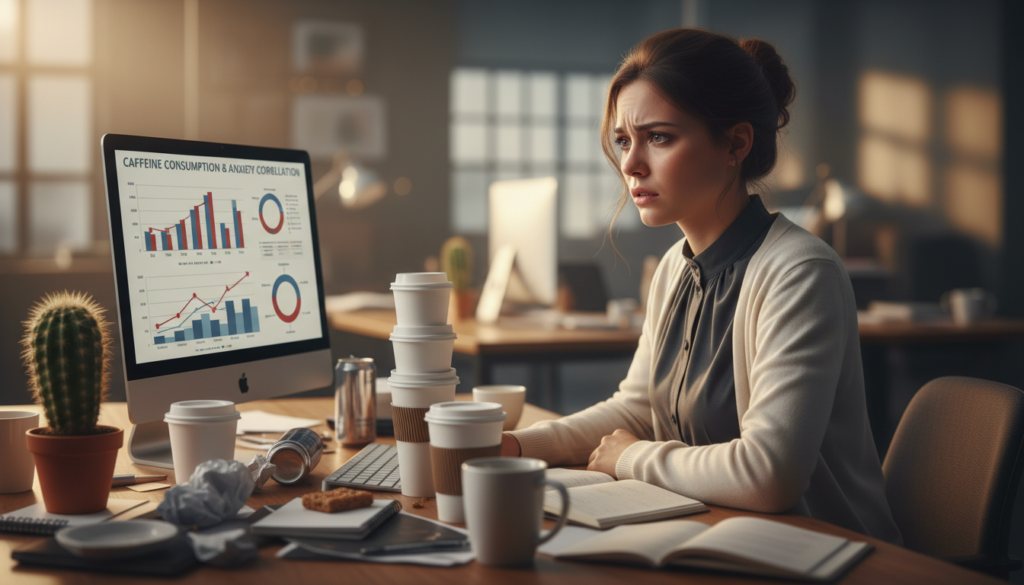
How caffeine affects anxiety varies from person to person. This effect can be stronger during the menstrual cycle. Hormonal shifts make the body more sensitive to caffeine.
| Factor | Effect on Anxiety | Menstrual Cycle Influence |
|---|---|---|
| Caffeine | Increases anxiety through stimulant effects | Heightened sensitivity during menstruation |
| Hormonal Changes | Affects neurotransmitter balance | Significant fluctuations throughout the cycle |
| Stress | Exacerbates anxiety symptoms | Can be influenced by menstrual-related discomfort |
Psychological Factors
Psychological stuff is also key in period anxiety. Stress and lifestyle can really affect anxiety. Plus, mental health issues can make period anxiety worse.
Understanding both biology and mind stuff helps us tackle period anxiety. We can find better ways to handle it.
Coping Strategies for Period Anxiety
Period anxiety can be tough, but there are ways to feel better. By using these strategies every day, you can manage your symptoms. This can make you feel better overall.
Mindfulness and Relaxation Techniques
Mindfulness, like meditation and deep breathing, can calm your mind. Doing these regularly can make you feel less anxious. It helps you handle period anxiety better.
“Mindfulness is not just a practice, it’s a way of being.” It helps you notice your thoughts and feelings. This way, you can deal with anxiety better.
Exercise and Physical Activity
Doing physical activities often can help with period anxiety. It releases happy hormones called endorphins. Exercise also makes you feel better and less anxious.
- Yoga mixes movement with mindfulness, helping with anxiety.
- Walking or jogging can also help by releasing tension and improving mood.
Dietary Choices and Nutrition
What you eat affects your anxiety. Too much caffeine can make anxiety worse. Most adults are safe with 400 milligrams of caffeine a day. A regular black coffee has about 247 mg.
Eating well can help with period anxiety. Eating fruits, veggies, and whole grains can improve your mood. It can also lessen anxiety symptoms.
“A healthy diet is essential for maintaining both physical and mental health.”
Seeking Professional Help
When period anxiety gets in the way of daily life, it’s time to get help. It can be hard to handle anxiety linked to menstruation. Some people find relief with self-care and lifestyle changes, but others need more support.
Knowing when to ask for help is key. If anxiety is hurting your relationships, work, or happiness, talk to a mental health expert. They can guide you on the right treatment and teach you how to cope.
When to Consider Therapy
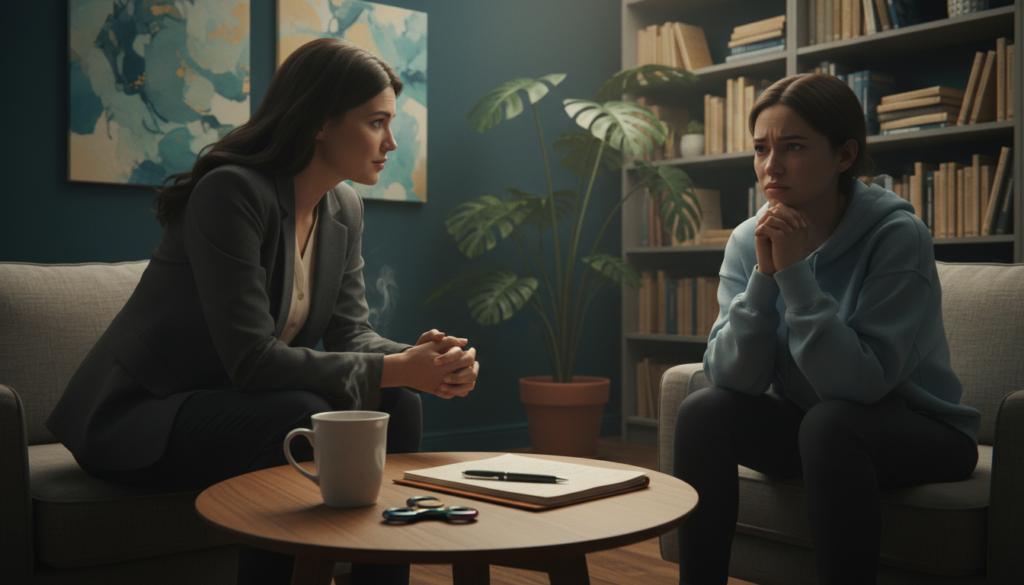
Therapy is good for those with period anxiety that’s hard to handle. If your anxiety is always there, very strong, or stops you from doing things, you need help. A therapist can find out why you’re anxious and teach you how to deal with it.
Also, if your anxiety gets worse because of caffeine anxiety, talk to a doctor. Too much caffeine can make anxiety symptoms worse.
Types of Therapy for Anxiety
There are many therapies for period anxiety. Cognitive-behavioral therapy (CBT) is one that helps change negative thoughts. Mindfulness-based stress reduction and acceptance and commitment therapy are also helpful.
It’s important to find the right therapy with a therapist. They can make a plan just for you to manage your anxiety and feel better.
Medication Options
Medication plays a big role in treating period anxiety. It can help some people feel better and live better lives.
There are different medicines to choose from. Antidepressants and hormonal treatments are two main types doctors might suggest.
Antidepressants and Hormonal Treatments
Antidepressants, like SSRIs, are often used for anxiety. They help balance serotonin in the brain, which can lessen anxiety.
Hormonal treatments aim to fix hormonal ups and downs that cause anxiety. Birth control pills are an example. They can make menstrual cycles regular and lower anxiety.
| Medication Type | Primary Use | Effect on Period Anxiety |
|---|---|---|
| SSRIs | Regulate serotonin levels | Reduces anxiety symptoms |
| Hormonal Treatments (e.g., Birth Control Pills) | Regulate hormonal fluctuations | Can reduce symptoms by stabilizing hormonal changes |
Pros and Cons of Medication
Medicine can help a lot, but it’s not perfect. It can make you feel better, but it might have side effects. You might also get used to it too quickly.
“The decision to use medication should be made after careful consideration and consultation with a healthcare provider, as it involves balancing benefits and risks.”
Caffeine can make anxiety worse. Too much caffeine can make your heart beat faster and blood pressure go up. So, it’s good to drink less caffeine when you’re taking medicine for anxiety.
In short, medicine can help with period anxiety. But, it’s important to know how it works and how it might react with things like caffeine.
Natural Remedies for Relief
Looking for ways to manage period anxiety? Natural remedies are a good choice. Many people use them to feel better and live healthier.
Herbs are a big interest for many. Herbal supplements like chamomile and lavender might help calm your mind and body.
Herbal Supplements
Herbs like chamomile, lavender, and passionflower might help with anxiety. Chamomile tea is known for its calming effects.
A study in the Journal of Clinical Psychopharmacology showed chamomile helps with anxiety. But, always talk to a doctor before trying new supplements.
| Herb | Potential Benefits | Precautions |
|---|---|---|
| Chamomile | Reduces anxiety, promotes sleep | May cause drowsiness, interact with blood thinners |
| Lavender | Calms the mind, reduces stress | May cause skin irritation in some individuals |
| Passionflower | Anxiolytic effects, improves sleep quality | May cause drowsiness, interact with certain medications |
Essential Oils and Aromatherapy
Essential oils are popular for fighting anxiety. Lavender oil is especially good for calming down.
A study on aromatherapy with lavender oil found it helps with anxiety and mood.
“Aromatherapy with lavender oil has been shown to decrease anxiety and improve mood in various clinical settings.”
To use essential oils safely, mix them with a carrier oil. Always do a patch test first.
Some people are more sensitive to caffeine. This is because of how they break it down. Reducing anxiety from caffeine means watching how much you drink, especially before bed.
Adding natural remedies to your life can help with period anxiety. It’s about finding what works for you and sticking to it.
Period Anxiety and Relationships
Period anxiety can affect our relationships deeply. It’s important to see how it changes how we interact with others.
Communicating with Partners
Talking openly with our partners is key when we’re anxious. Sharing our feelings and needs helps our relationship stay strong. Open dialogue builds empathy and support.
It’s good to tell our partners how anxiety affects us. We can explain what they can do to help. For example, some people get anxious from too much caffeine.
Impact on Social Life
Period anxiety can also hurt our social life. It might make us avoid going out, which can make us feel lonely. Finding ways to manage anxiety is important to stay connected with friends.
Being careful with caffeine is part of managing anxiety. Too much caffeine can make anxiety worse. Knowing how caffeine affects us helps us make better choices.
| Factor | Effect on Anxiety | Recommendation |
|---|---|---|
| Caffeine Intake | Can increase anxiety | Limit intake to moderate levels |
| Stress Levels | Can exacerbate anxiety | Practice stress-reducing techniques |
| Sleep Quality | Poor sleep can increase anxiety | Prioritize good sleep hygiene |
Understanding how period anxiety affects our relationships and social life is key. We can improve things by talking openly with our partners and watching our caffeine intake.
Conclusion: Embracing Healthy Menstruation
Managing period anxiety is key to feeling better. We need to understand what causes it and how to handle it. This is the first step to feeling better.
Managing Triggers
Our lifestyle choices matter a lot. Drinking too much caffeine can make anxiety worse. Quitting caffeine might make anxiety seem worse at first.
Building Support
Having friends who understand is very important. Sharing our stories helps us all feel better. Together, we can make a change for the better.