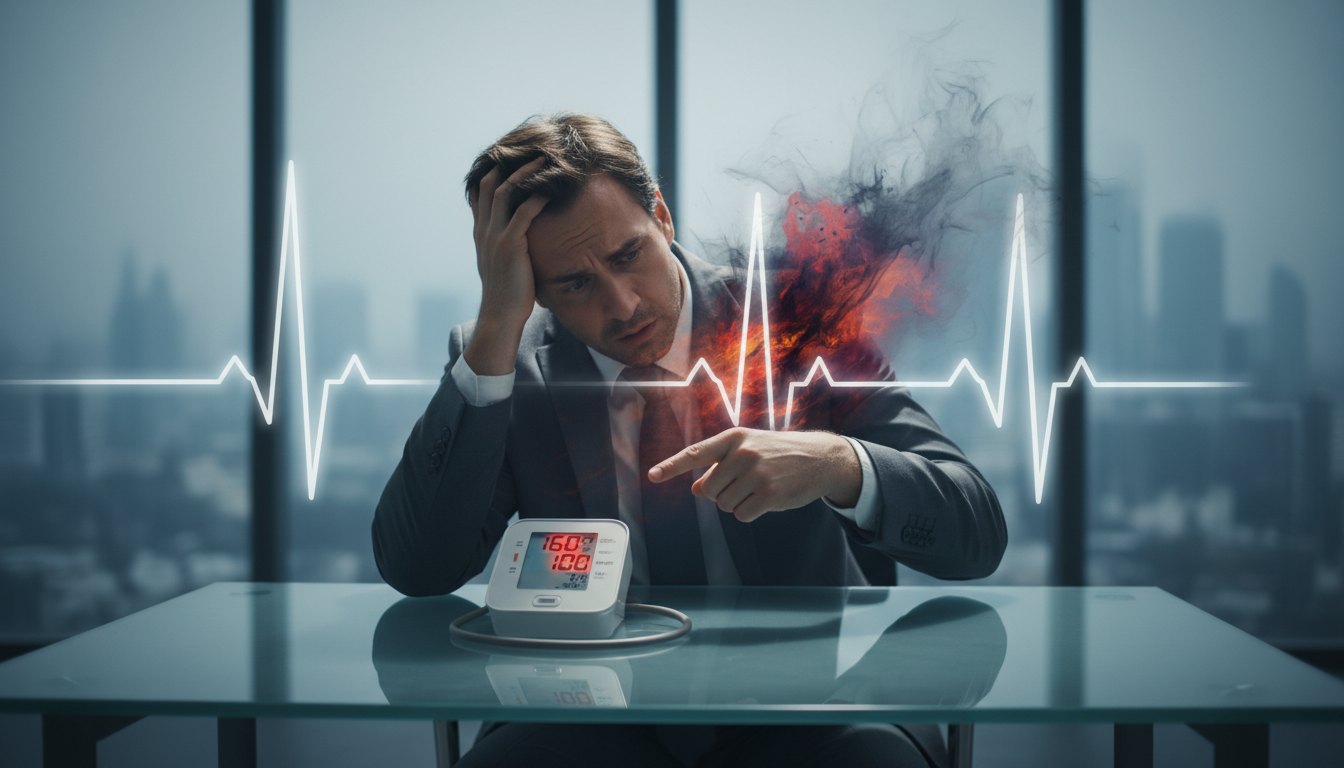
Does a racing mind put your physical well-being in real danger? Many wonder if constant worry directly leads to lasting high blood pressure.
We explore this vital link. While frequent nervousness doesn’t directly create chronic hypertension, it plays a significant role. Repeated stress responses trigger temporary spikes in your readings.
These episodes strain your heart and blood vessels over time. Nearly half of American adults face elevated blood pressure. About one-fifth experience clinical anxiety yearly.
This overlap is too major to ignore. Each condition feeds into the other, creating a difficult cycle. Protecting your cardiovascular health means addressing both your mental and physical state.
We will break down how this connection works. You’ll learn about shared risk factors and the body’s physiological reactions. Our goal is to provide clear, actionable strategies for management.
Understanding when temporary elevations become a concern is crucial. We help you identify warning signs and know when to seek a professional evaluation. Taking early, combined action leads to the best outcomes.
Key Takeaways
- Anxiety does not directly cause chronic hypertension but can lead to repeated temporary blood pressure spikes.
- Nearly 47% of U.S. adults have high blood pressure, and anxiety disorders affect around 20% annually.
- Frequent anxiety episodes activate the body’s stress response, placing cumulative strain on the heart and blood vessels.
- A bidirectional relationship exists where anxiety and hypertension can worsen each other over time.
- Managing both conditions together is essential for long-term cardiovascular and mental health.
- Recognizing early signs of both issues allows for more effective intervention and treatment.
- Professional medical evaluation is recommended if you experience frequent anxiety alongside elevated blood pressure readings.
Understanding Anxiety and Hypertension
The link between our emotional state and physical health is more than just a feeling. It’s a measurable biological reality.
Our psychological and cardiovascular systems are deeply intertwined. Research consistently shows this powerful connection.
The Connection Between Mental and Physical Health
Psychological distress often produces clear physical signals. Elevated readings are a prime example of this phenomenon.
Studies reveal a bidirectional relationship. Each condition can influence and worsen the other through shared pathways.
This comorbidity presents a significant clinical challenge. When both issues coexist, treatment adherence often suffers.
Short-Term Stress Versus Chronic Impact
Acute tension triggers a natural survival fight-or-flight response. This leads to immediate, temporary spikes in your readings.
These episodes usually settle once the threat passes. Isolated incidents are a normal part of life.
Persistent worry creates a different problem. Frequent activation of this stress mechanism over extended periods has a cumulative effect.
The repeated strain on vessels and the heart can contribute to lasting cardiovascular changes. Frequency matters far more than single events.
Understanding this distinction is vital for effective management. A comprehensive approach addresses both mental and physical well-being together.
What Is Hypertension?
Understanding the basics of hypertension is the first step toward protecting your long-term cardiovascular health.
Definition and Diagnostic Criteria
Hypertension occurs when the force of blood against artery walls remains too high. This constant strain can damage vessels and lead to heart disease.
Your reading has two numbers. Systolic pressure (top number) measures force during heartbeats. Diastolic pressure (bottom number) measures force when the heart rests.
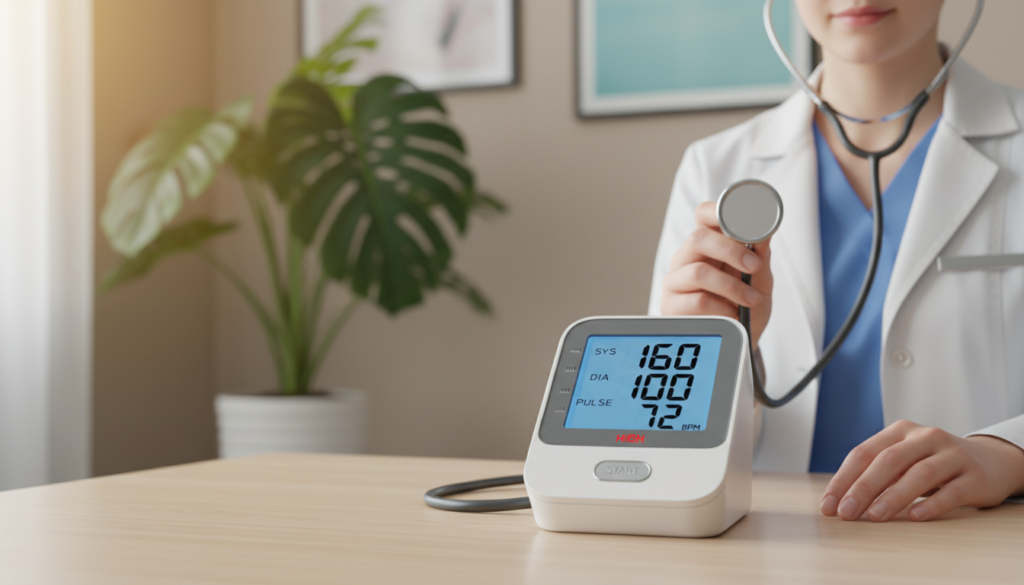
Current guidelines define the condition clearly. The table below outlines the categories.
| Category | Systolic (mm Hg) | Diastolic (mm Hg) |
|---|---|---|
| Normal | Less than 120 | and Less than 80 |
| Elevated | 120 – 129 | and Less than 80 |
| Hypertension Stage 1 | 130 – 139 | or 80 – 89 |
| Hypertension Stage 2 | 140 or higher | or 90 or higher |
A diagnosis of high blood pressure typically requires consistent readings at or above 130/80 mm Hg.
Recognizing the “Silent Killer”
This condition earns its ominous nickname because it rarely shows early symptoms. Many people feel perfectly fine while damage accumulates.
Regular monitoring is crucial for early detection. This is especially true for those with risk factors like family history or obesity.
Nearly half of American adults have elevated blood pressure. Many remain undiagnosed until a serious event occurs.
Understanding this link between hypertension and anxiety is vital for comprehensive care. Routine checks help identify issues before complications develop.
Defining Anxiety and Its Effects
The experience of anxiety involves more than mental unease—it triggers a cascade of physiological reactions. This condition is defined by persistent, excessive worry about everyday situations.
It significantly interferes with normal functioning. Distinct physical symptoms always accompany the psychological distress.
Common Symptoms and Signs
Psychological manifestations include relentless worry and difficulty concentrating. A sense of impending doom is also common.
Physical signs are equally telling. People often report a pounding heart, chest tightness, and headaches.
Dizziness, shortness of breath, and sleep disturbances are frequent complaints. These symptoms can be intensely alarming.
Many individuals first seek emergency care, fearing a heart attack. Understanding these signs helps distinguish a psychological response from a medical crisis.
Impact on Heart Rate and Blood Flow
Anxiety activates the body’s primal fight-or-flight response. The sympathetic nervous system releases stress hormones like adrenaline.
This causes the heart to beat faster and with more force. Your heart rate and blood pressure rise temporarily.
Blood vessels constrict, redirecting flow to major muscle groups. This prepares the body for perceived danger but strains the cardiovascular system.
Occasional episodes are normal. When these reactions become frequent, they warrant professional evaluation.
Managing your mental well-being is crucial for overall health. Resources like targeted strategies for anxiety can provide essential support.
Can Anxiety Cause Hypertension
To understand if worry leads to hypertension, we must examine temporary spikes versus long-term trends. The direct answer involves both immediate physiology and cumulative effects.
Persistent nervousness triggers a powerful biological sequence. This process clarifies the core connection.
Temporary Blood Pressure Spikes Explained
During an anxious moment, your body initiates the fight-or-flight response. It releases stress hormones like adrenaline and cortisol.
These chemicals make your heart beat faster and with more force. Blood vessels constrict, and flow redirects to major muscles.
This combination creates an acute rise in your readings. For many individuals, nervousness can raise blood pressure by 20 to 30 points.
Spikes during intense panic may be even higher. These elevations typically last from a few minutes to about one hour.

When Anxiety Contributes to Long-Term Risks
Isolated spikes are normal and not dangerous. The real concern emerges with frequent, repeated episodes.
Constant strain on vessels, the heart, and kidneys can lead to damage over time. This cumulative stress is a key indirect mechanism.
Unhealthy coping behaviors also increase overall cardiovascular risk. The table below contrasts acute and chronic impacts.
| Aspect | Acute Anxiety Response | Frequent/Chronic Anxiety Impact |
|---|---|---|
| Blood Pressure Change | Temporary spike (20-30+ points) | Sustained higher baseline |
| Primary Duration | Minutes to an hour | Months to years |
| Cardiovascular Strain | Short-term, reversible | Cumulative, potentially damaging |
| Main Risk | Discomfort, alarm | Development of chronic high blood pressure |
| Management Focus | Calming the immediate episode | Lifestyle change and stress reduction |
Managing your mental well-being protects your physical health. Addressing frequent worry helps prevent lasting cardiovascular issues.
Shared Risk Factors and Physiological Mechanisms
Several common elements increase vulnerability to both emotional and cardiovascular challenges. The same underlying risk factors often pave the way for each condition simultaneously.
Lifestyle and Genetic Influences
Daily habits like smoking and poor diet elevate blood pressure. They also frequently worsen feelings of nervousness.
These behaviors create a difficult cycle. Attempts to manage one issue often harm the other.
Our genetic blueprint plays a significant role. Family history can increase the risk for both cardiovascular and mental health concerns.
Research indicates a strong hereditary component for each. The table below highlights key shared lifestyle influences.
| Lifestyle Factor | Impact on Blood Pressure | Impact on Anxiety Levels |
|---|---|---|
| Smoking | Temporarily raises readings | Often used as a coping mechanism |
| Poor Diet (High Sodium) | Contributes to chronic elevation | Can affect mood stability |
| Excessive Alcohol | May lead to long-term increases | Disrupts emotional regulation |
| Lack of Physical Activity | Weakens cardiovascular health | Reduces natural stress relief |
The Body’s Stress Response and Hormonal Impact
When we feel threatened, our body initiates a powerful response. It releases hormones like cortisol and adrenaline.
These chemicals make the heart beat faster. They also constrict blood vessels.
Frequent activation of this stress system keeps pressure elevated more often. Over time, this can strain the heart and vessels.
Chronic stress and poor sleep further disrupt this balance. They promote inflammation, linking both conditions biologically.
Managing these shared pathways is crucial for overall well-being.
Strategies for Managing Anxiety and Blood Pressure
A holistic approach to wellness integrates techniques for calming the mind and stabilizing cardiovascular readings. Effective treatment requires a plan that addresses both psychological and physiological aspects together.
Mindfulness and Relaxation Techniques
Simple practices can counteract the body’s stress response immediately. Deep breathing using a 4-2-6 pattern slows the heart rate and relaxes blood vessels.
Just 10-15 minutes of daily mindfulness meditation makes a significant impact. Progressive muscle relaxation systematically releases physical tension, helping to lower blood pressure.
These methods activate the parasympathetic nervous system. This brings both emotional distress and elevated readings back to baseline more quickly.
Medical Management and Therapy Options
For many people, professional support is essential. Cognitive-behavioral therapy (CBT) helps patients identify and modify thought patterns that worsen nervousness.
Medications like SSRIs (e.g., sertraline) are often safe first-line options. They treat anxiety without raising pressure.
Beta-blockers, such as propranolol, offer a unique dual benefit. They manage symptoms of worry and hypertension simultaneously.
Important note: Some antidepressants may increase blood pressure. Always work closely with a healthcare provider to ensure your mental health and cardiovascular care are fully integrated.
Lifestyle Modifications and Preventive Measures
Proactive changes in routine offer powerful protection against both elevated readings and emotional distress. These adjustments target the root causes shared by both conditions.
Exercise, Diet, and Quality Sleep
Regular physical activity strengthens your heart and improves vessel function. Aim for 150 minutes of moderate movement weekly, like brisk walking.
A balanced diet rich in fruits and vegetables supports stable mood and cardiovascular health. Limiting sodium intake is crucial for managing pressure.
| Lifestyle Factor | Benefit for Blood Pressure | Benefit for Anxiety | Recommended Action |
|---|---|---|---|
| Aerobic Exercise | Lowers resting pressure | Releases endorphins | 30 min, 5 days/week |
| Potassium-Rich Foods | Counters sodium effects | Supports nerve function | Include bananas, avocados |
| Consistent Sleep Schedule | Allows nightly vascular repair | Reduces stress hormone levels | 7-8 hours, same bedtime |
Quality rest is non-negotiable for overall health. Poor sleep disrupts hormonal balance and elevates pressure.
Avoiding Harmful Substances and Stressors
Smoking damages blood vessels and provides only temporary relief from nervousness. Quitting is a cornerstone of preventive care.
Small, consistent lifestyle changes create cumulative positive effects on both cardiovascular and mental well-being over time.
Limit alcohol and monitor caffeine intake, as both can trigger symptoms. Even modest weight loss of 5-10% significantly improves readings.
Conclusion
The journey toward better health involves breaking the cycle between emotional stress and physical strain. Frequent worry triggers temporary spikes that strain the heart and blood vessels.
Over time, this repeated strain can increase the risk for sustained high blood pressure. Managing both your mental and cardiovascular state together is essential.
Lifestyle changes form the foundation of effective treatment. Regular activity, balanced nutrition, and quality sleep improve overall health.
If you experience frequent symptoms or elevated readings, consult a healthcare provider. Managing stress and anxiety has protective effects against heart disease.
Understanding this link empowers you to take proactive steps. You can protect your long-term well-being with early recognition and consistent care.