
Have you ever wondered if the relentless worry in your mind could be managed, not just endured?
Many people experience stress about health, money, or work. For some, this worry becomes intense and out of proportion. This is often a sign of an anxiety disorder like Generalized Anxiety Disorder (GAD).
You do not need to live with constant fear. Speaking with a healthcare provider is the first step. A proper diagnosis can lead to effective treatment.
Often, a mix of medication and counseling helps people feel their best. Our guide provides evidence-based strategies to manage this condition.
We walk you from recognizing symptoms to building personalized coping plans. For example, those with irregular work hours can find specific help through a symptoms checklist for shift workers.
Our goal is to help you regain control of your mental health and improve your quality of life.
Key Takeaways
- Persistent, intense worry may indicate an anxiety disorder, not just everyday stress.
- Seeking a professional diagnosis is a crucial first step toward effective management.
- A combination of therapy and medication is often the most successful treatment path.
- Personalized strategies and coping plans are essential for long-term well-being.
- Early intervention can significantly improve your daily life and mental health.
- Specific resources, like checklists for shift workers, address unique lifestyle challenges.
- You have the power to manage your symptoms and reclaim a sense of calm.
Understanding Anxiety and Stress
Our body’s alarm system, designed for short-term threats, can sometimes get stuck in the ‘on’ position. This is where understanding the difference between normal stress and a more persistent condition begins.
What Is Anxiety and How Does It Affect Us?
Anxiety is our body’s natural reaction to stress. It involves the release of hormones like adrenaline and cortisol. These prepare us for perceived threats, even when no real danger is present.
This reaction can be helpful in certain situations. However, it often causes physical signs like a racing heart or sweating. It also affects us mentally with racing thoughts and trouble focusing.
The Difference Between Stress and Anxiety
Stress typically comes from an outside cause. Think of a work deadline or a financial worry. It usually fades once the situation is resolved.
Chronic anxiety, however, lingers. It can occur without a clear trigger. This creates a constant feeling of worry or fear that disrupts daily life.
When these feelings become excessive and hard to control, it may signal an anxiety disorder. Recognizing this shift is key for seeking the right help.
Recognizing Chronic Anxiety Symptoms
Many individuals live with ongoing symptoms without realizing they point to a treatable condition. Knowing what to look for is the first step toward getting the right support.
Physical and Mental Indicators
The body often signals distress first. Common physical signs include persistent muscle tension, headaches, and stomachaches.
You might also feel fatigued, tremble, or sweat a lot. A rapid heartbeat, dizziness, and shortness of breath are other frequent symptoms of anxiety.
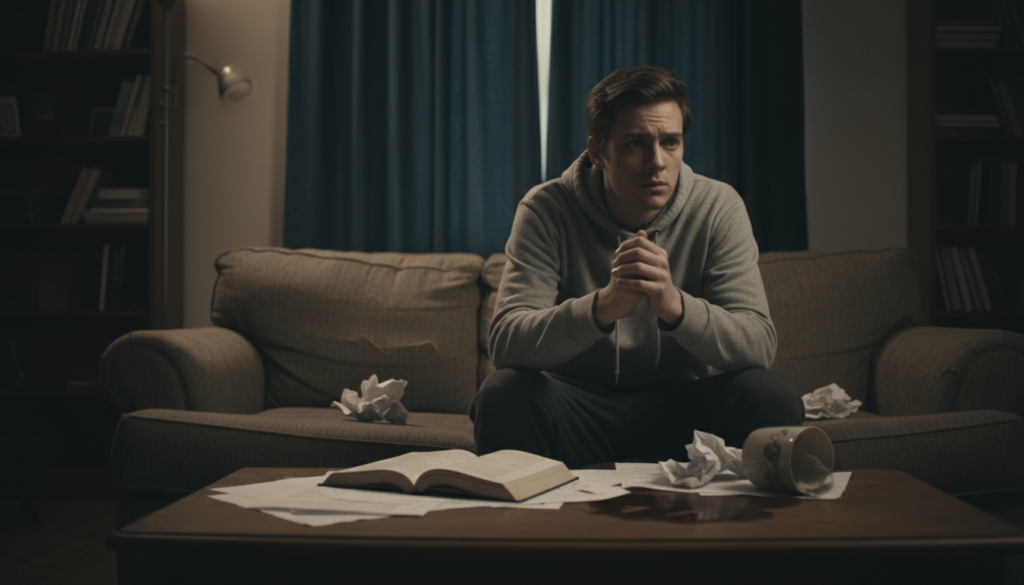
Mentally, you may experience excessive worry about everyday matters. Feeling restless or “on edge” is common.
Other mental indicators are irritability, trouble concentrating, and racing thoughts. For a formal anxiety disorder diagnosis like GAD, people must find it hard to control worry most days for six months. They also need at least three additional symptoms from a specific list.
An acute form is a panic attack. It involves sudden, intense fear with physical symptoms like a racing heart and trembling. These episodes typically last 5 to 30 minutes.
When to Reach Out for Professional Help
It’s time to seek help when these symptoms start interfering with your work, relationships, or daily life. Don’t wait until they become unbearable.
If your struggles persist, worsen, or self-help isn’t enough, consult a professional. Early intervention leads to much better outcomes for your health.
Reaching out to a doctor, therapist, or counselor is a strong move. They can provide a proper assessment and guide you toward effective management for your anxiety disorder. You can learn more about the symptoms of an anxiety disorder from trusted medical sources.
Effective Strategies for Managing Chronic Anxiety
The path to calming a worried mind is paved with specific, learnable skills from psychotherapy and mindfulness traditions.
These methods provide practical ways to regain a sense of control.
Cognitive Behavioral Tools for Anxiety
Cognitive Behavioral Therapy (CBT) is the gold standard in psychotherapy for this condition. It teaches you to spot and challenge automatic negative thoughts that fuel worry.
By understanding the link between thoughts, feelings, and actions, you can break unhelpful cycles. Another powerful approach is Acceptance and Commitment Therapy (ACT).
ACT encourages nonjudgmental acceptance of difficult thoughts. It then guides you toward meaningful activities aligned with your values.
Mindfulness and Meditation Techniques
Mindfulness trains you to observe anxious thoughts without getting caught in them. This creates space between a thought and your reaction, reducing its power.
Regular meditation practice, like focused breathing, calms your nervous system. Simple exercises can activate your body’s relaxation response in moments of acute anxiety.
You can weave mindfulness into routine things, like eating or walking. This brings your focus to the present moment, countering worried rumination.
“The best way to capture moments is to pay attention. This is how we cultivate mindfulness.”
Dedicating a small amount of time each day to these practices builds lasting resilience. They support your overall mental health and enhance other forms of therapy.
Identifying Triggers and Underlying Causes
The journey to calm often begins with a simple question: ‘What specifically sets off my feelings of worry?’
We help you identify the underlying causes of persistent concern. Research shows chronic anxiety results from a complex mix of genetics, brain chemistry, biology, and environment.
Understanding that these conditions may run in families helps people recognize their increased risk. This awareness allows for proactive steps toward early intervention.
Common Environmental and Emotional Triggers
External factors play a significant role. Challenging environments or traumatic events can put a person at higher risk for developing anxiety.

Common triggers include work-related pressure, unemployment, or retirement. Family difficulties like relationship conflicts or divorce also contribute.
Financial problems, such as unexpected bills, create strain. Health issues, injury, or bereavement are other potential causes.
Even positive life events can trigger worry. Buying a house, having a baby, or planning a wedding involve change and increased responsibility.
Past experiences like bullying, abuse, or neglect have lasting impacts. They affect brain chemistry and stress responses.
For most individuals, symptoms fluctuate over time. They often worsen during periods of increased pressure like illness or family conflict.
Mapping your unique triggers in specific situations helps build targeted coping strategies. You can then work with providers on a personalized plan.
Therapeutic Approaches and Treatment Options
Modern mental health care offers several evidence-based routes to address the symptoms of an anxiety disorder. A professional can help design a plan that fits your specific needs.
Medication and Treatment Plans
Antidepressants like SSRIs and SNRIs are first-line medications for generalized anxiety disorder. They can also treat co-occurring depression.
These medications may take a few weeks to work fully. Side effects like mild headaches often fade.
For rapid relief, doctors may prescribe benzodiazepines for short-term use. Buspirone is another option with lower addiction risk.
| Medication Type | Typical Use | Key Considerations |
|---|---|---|
| SSRIs/SNRIs | Long-term management of GAD and depression | Require 4-6 weeks for full effect; side effects usually diminish. |
| Benzodiazepines | Short-term relief of severe symptoms | High risk of tolerance and dependence; not for long-term use. |
| Buspirone | Alternative for ongoing anxiety disorder treatment | Low addiction potential; takes 3-4 weeks to become effective. |
Role of Talk Therapy and Cognitive Behavioral Therapy
Talk therapy, especially Cognitive Behavioral Therapy (CBT), is a gold-standard treatment. It helps you change thought patterns that fuel worry.
“CBT provides practical tools to manage symptoms by altering the cycle of thoughts, feelings, and behaviors.”
This approach is highly effective for various disorders, including panic disorder.
Alternative Therapeutic Modalities
Other treatment options include Acceptance and Commitment Therapy (ACT) and mindfulness groups. Support groups let people share strategies.
A comprehensive plan is vital when anxiety disorder co-occurs with other conditions. This integrated care leads to the best outcomes.
Navigating Daily Life with Anxiety Disorders
Living with persistent worry doesn’t mean you have to navigate life’s challenges alone. These disorders are manageable with the right support.
Building and Leaning on a Support Network
Sharing your feelings with trusted friends or family members reduces isolation. It helps others understand how to provide the right support in difficult situations.
Many people find that open communication eases daily stress. Some individuals face chronic anxiety, which requires tailored strategies.
Professional counselors offer expert guidance for these conditions. For immediate help, you can contact Samaritans at 116 123 or email jo@samaritans.org.
Peer support connects you with people who understand. Support groups provide validation and practical coping strategies.
| Support Resource | Key Benefit | Best For |
|---|---|---|
| Trusted Friends & Family | Emotional understanding and daily encouragement | Reducing feelings of isolation |
| Professional Counselor | Evidence-based strategies and clinical guidance | Developing long-term management skills |
| Peer Support Group | Shared experiences and practical tips | Finding community and hope |
If someone in your social circle struggles with this disorder, express concern compassionately. Encourage them to seek professional help while offering consistent support. This approach improves overall quality of life.
Lifestyle Adjustments for Improved Mental Health
Beyond therapy and medication, the choices you make each day directly influence your well-being. We view lifestyle adjustments as powerful allies in your mental health journey.
Healthy Habits to Counter Anxiety
Prioritizing sleep is a cornerstone of good health. Aim for 7-9 hours nightly to help your brain and body recover.
Reducing caffeine can prevent jitteriness that mimics worry. We also advise avoiding alcohol or drugs for relief.
These things often worsen mental health over time. Start with small, achievable targets for lasting change.
The Impact of Exercise and Balanced Nutrition
Regular physical activities like walking or yoga release calming endorphins. They provide a healthy outlet for nervous energy.
Eating balanced meals stabilizes your mood and energy. This supports your brain’s ability to manage stress.
| Lifestyle Habit | Key Benefit | Simple Starting Tip |
|---|---|---|
| Consistent Sleep | Improves emotional regulation and coping skills | Set a regular bedtime, even on weekends. |
| Regular Exercise | Lowers stress hormones and boosts mood | Schedule a daily 15-minute walk. |
| Balanced Nutrition | Stabilizes blood sugar and supports brain health | Add one serving of vegetables to each meal. |
| Mindful Relaxation | Reduces daily tension and rumination | Listen to a 10-minute wellbeing audio guide. |
These behavior shifts work best alongside professional care. Together, they build a resilient foundation for your life.
Practical How-To Steps for Coping with Anxiety
Effective management moves from theory into action with structured, step-by-step guidance. We provide a framework to build a plan that fits your life.
Developing a Personalized Action Plan
Start by naming your top three triggers. Outline specific ways you’ll cope when you face each situation.
This turns worry into a clear behavior plan. For example, if sleep is a struggle, researching how to improve it becomes a key step.
Setting Realistic and Achievable Goals
Use the SMART criteria to set small, manageable targets. This builds confidence instead of adding pressure.
Do not avoid difficult things. Gradually increase your time in worrying settings to reduce fear.
Focus your energy on problems you can change. Redirect worry toward actions that help you feel better.
Remember, most people face anxiety at some point. You are not alone in this journey. Progress, not perfection, is the goal for managing chronic anxiety.
Conclusion
You hold the power to transform your relationship with worry and reclaim your daily peace. Conditions like generalized anxiety disorder are highly treatable. With the right support, people can manage their symptoms effectively.
This disorder often starts in early adulthood. It affects many adults, and women may face a higher risk during pregnancy. Children and teens also experience these challenges.
It’s common for these mental health conditions to occur alongside others. A comprehensive treatment plan addresses all aspects of your well-being.
We’ve shared a complete toolkit. This includes therapy, medications, and lifestyle changes. Building a personalized approach is key to long-term success.
Take that first step today. Reach out to a professional or lean on your family for support. Managing this is an ongoing process, but improvement is absolutely achievable.
You are not alone. Countless individuals have navigated this path before. There is genuine hope for a calmer, more fulfilling life.