
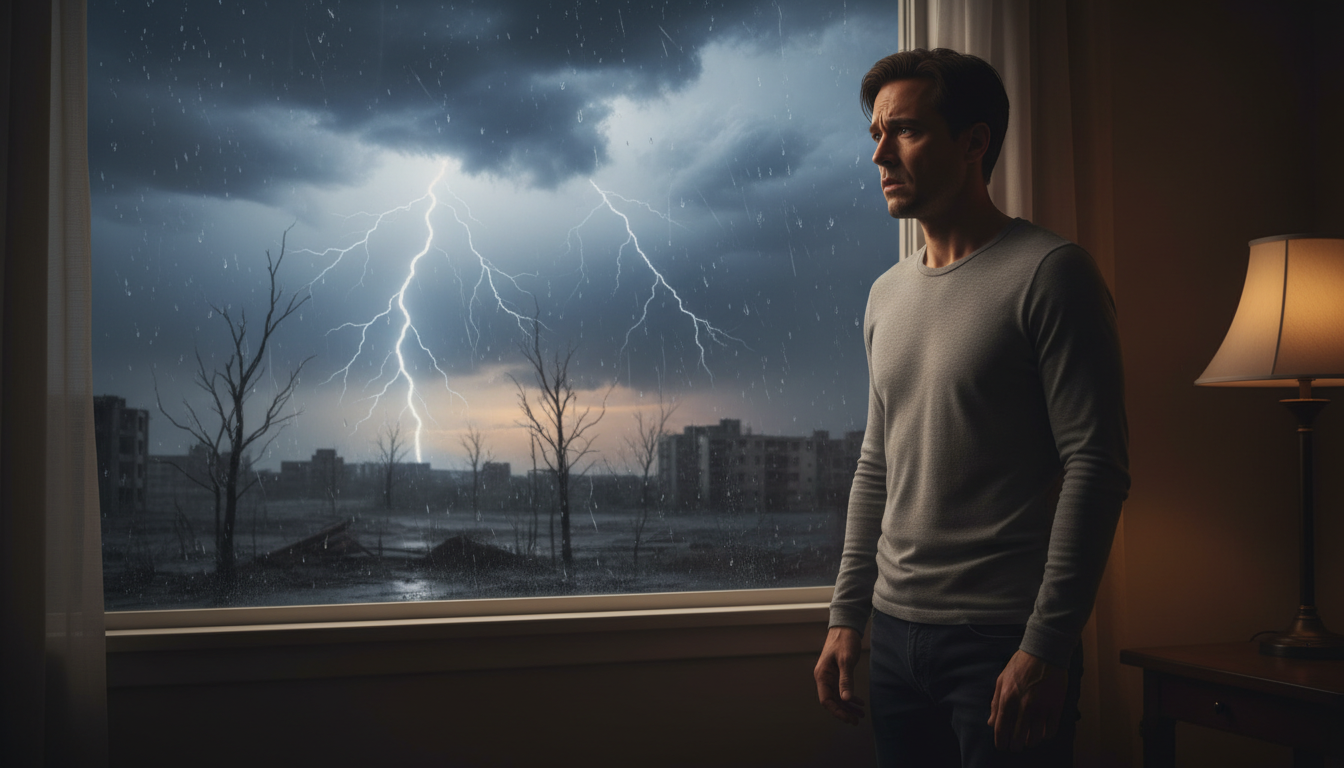
Our world is changing fast. We feel scared when the seasons change in ways we don’t expect. Watching the news makes us worry about our planet’s future.
This worry is normal when we see big changes every day. Experts now see these climate change emotional effects as a big health problem. Studies from 2023 show it can really mess up our lives.
These feelings affect people of all ages in the United States. Recognizing our fear is the first step to getting stronger. Eco-dread might feel too much, but we can face it together.
Key Takeaways
- Environmental stress is a growing concern for many individuals worldwide.
- Shifting landscapes often lead to feelings of fear and distress.
- Research shows nature’s shifts can cause significant daily dysfunction.
- Younger generations are particularly vulnerable to future-related dread.
- Identifying these emotional impacts helps in managing health proactively.
- Collective action and community support can mitigate helplessness.
Understanding Climate Change Anxiety
As we face our changing world, it’s key to grasp climate change anxiety. It’s the worry and emotional pain people feel about climate change. This worry is not just about the future. It’s about how climate change affects us now.
Defining Climate Anxiety and Eco-Distress
The American Psychological Association and ecoAmerica say eco-anxiety is “a chronic fear of environmental doom.” This fear comes from seeing extreme weather or hearing about it in the news. Eco-distress is the emotional pain from environmental damage and climate change.
People who have seen natural disasters like hurricanes or wildfires might always fear them. This shows how direct experiences can lead to climate anxiety.
The Difference Between Productive Concern and Debilitating Fear
Not all climate change anxiety is the same. Some worry can be productive, pushing us to act. But too much fear can make us feel hopeless and unable to move.
- Productive concern makes us want to fight for the planet, choose green options, and support climate policies.
- Debilitating fear makes us want to hide, deny, or feel powerless, which stops us from dealing with the crisis.
How Common Climate Change Anxiety Has Become
Many people worldwide see climate change as a big problem. This shows we need to know more and do something. A lot of people worry, fear, and feel sad about the future.
For example, a survey might show many people are worried about climate change’s effect on their kids’ future. This shows how common this worry is.
Recognizing the Signs and Symptoms in Our Lives
Climate change affects us more than just the planet. It also hurts our mental health, causing many symptoms. It’s important to know these signs to find ways to cope.
Emotional Symptoms: From Worry to Overwhelming Dread
Climate anxiety makes us feel many things. We might worry a lot or feel scared about the future. We might also feel guilty, angry, or frustrated.
These feelings can be very hard. They can even lead to serious mental health problems like depression or anxiety.
Physical Manifestations of Environmental Stress
Climate change stress can also make our bodies feel different. We might sleep too much or too little, or have trouble focusing. Our bodies are trying to tell us something.

It’s key to understand these signs. By doing so, we can take care of ourselves better and feel better overall.
| Physical Symptoms | Possible Causes | Coping Strategies |
|---|---|---|
| Insomnia or excessive sleepiness | Stress, anxiety about climate change | Practice relaxation techniques, maintain a regular sleep schedule |
| Changes in appetite | Emotional distress, feelings of hopelessness | Engage in healthy eating habits, seek support from friends or professionals |
| Difficulty concentrating | Preoccupation with climate issues | Take regular breaks from climate news, engage in mindfulness practices |
Behavioral Changes That Signal Climate Distress
Our actions can show how we’re feeling about climate change. Some of us might pull back from friends or fun activities. Others might want to help the planet more.
Seeing these changes in ourselves or others is important. It helps us find better ways to deal with climate anxiety.
Knowing how climate change affects us emotionally, physically, and behaviorally helps us support each other. This knowledge is crucial for finding ways to cope and stay strong.
The Root Causes: Climate Change Impact on Mental Health
Climate change is affecting our mental health in many ways. It touches on our psychology, social lives, and the environment.
Scientific Reality and Existential Threat
Our planet is warming fast, harming ecosystems and human societies. This can make us feel scared, anxious, and sad about our future.
The threat of climate change is huge. It’s not just about nature; it’s also about losing homes and jobs. Knowing this can make us feel very worried.
Constant Media Exposure and Information Overload
We see a lot of news about climate change every day. Reports of bad weather, rising seas, and fires can make us feel anxious and hopeless.
A survey showed many young people think governments aren’t doing enough. 65% of youth in 10 countries said governments are failing them. This makes them feel frustrated and powerless.
Powerlessness and the Scale of the Crisis
The size of the climate crisis can make us feel helpless. When we think our actions won’t help, we might give up. This is hard for those who are already struggling.
| Factors Contributing to Climate Anxiety | Description | Impact on Mental Health |
|---|---|---|
| Scientific Reality | Awareness of climate change causes and effects | Fear, anxiety, despair |
| Media Exposure | Constant news and information about climate change | Information overload, anxiety, hopelessness |
| Powerlessness | Feeling that individual actions won’t make a difference | Disengagement, frustration, despair |
It’s important to know why climate change makes us anxious. By understanding these reasons, we can start to feel stronger and work towards a better future.
Shifting Our Mindset: Mental Frameworks for Climate Anxiety Relief
Climate anxiety can feel overwhelming. But, we can find relief by changing how we think. This change helps us deal with climate change better.
Validate and Accept Our Climate Emotions
The first step is to acknowledge and validate our emotions. It’s okay to feel scared, angry, or sad about the climate crisis. Accepting our feelings helps us handle them better.
Acknowledging our emotions shows we’re strong. It means we’re facing the truth about climate change. This acceptance helps us build stronger ways to cope with climate anxiety.
Reframe Our Relationship with Climate Information
How we get climate news affects our mind. Reframing our relationship with climate news means being careful about what we read. We should look for news that helps us find solutions.
- Seek out stories of resilience and adaptation.
- Focus on local, actionable steps you can take.
- Engage with diverse perspectives to broaden your understanding.
Embrace Realistic Optimism and Agency
Being realistically optimistic is key for our mental health. It’s about seeing progress, no matter how small. It’s also about knowing our actions can help.
By focusing on what we can control and taking purposeful action, we feel more in charge. This helps us stay positive about solving the climate crisis.
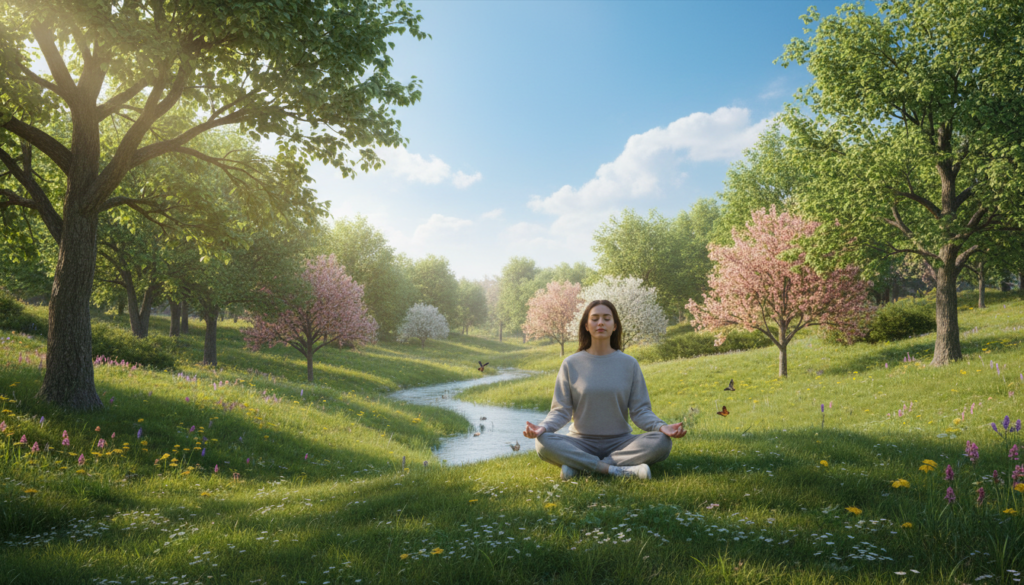
Practice Self-Compassion During Climate Distress
Lastly, practicing self-compassion is crucial. It’s about being kind to ourselves. It’s okay to not know everything.
Being kind to ourselves helps us feel supported. It makes us less judgmental of ourselves as we face climate anxiety.
By using these mental strategies, we can manage climate anxiety better. This helps us move towards a more hopeful future.
Daily Coping Strategies: Practical Tools for Managing Environmental Stress
As environmental worries grow, it’s key to find ways to stay calm. We can use daily strategies to deal with eco-anxiety. These methods help us face environmental stress better.
Healthy Boundaries with Climate News and Social Media
It’s important to know when to stop checking news and social media. Set times to look at climate news and limit social media hours. This stops us from feeling overwhelmed by bad news.
Tips for Setting Boundaries:
- Choose specific times for news and social media checks.
- Use tools to limit screen time.
- Stop notifications that stress you out.
Regular Nature Connection Practice
Being in nature helps our minds. Doing activities outside makes us feel calm and happy.
Nature Connection Activities:
- Visit parks or gardens.
- Try outdoor hobbies like hiking or birdwatching.
- Just be in your backyard or balcony with plants.
Personal Environmental Actions Within Our Control
Doing things to help the environment makes us feel strong. Focusing on what we can do helps us feel like we’re making a difference.
| Action | Impact |
|---|---|
| Reduce personal waste | Less trash and saves resources. |
| Use public transport or carpool | Less pollution and carbon emissions. |
| Save water and energy | Lower bills and smaller environmental footprint. |
Grounding Techniques for Anxiety
When we feel too anxious, grounding helps. It uses our senses to distract us from worries.
Examples of Grounding Techniques:
- Do deep breathing exercises.
- Feel your feet on the ground.
- Do activities that use touch, like drawing or crafting.
Maintaining Physical Wellness
Our body and mind are connected. Exercise, healthy food, and sleep help us fight eco-anxiety.
Using these strategies daily helps us deal with environmental stress. It makes us feel better overall.
Building Community: Collective Climate Anxiety Management
As we face climate change, building a community is key. Research shows that being with others who care can help. It makes us feel less alone and helps our mental health.
Creating a community helps us deal with climate anxiety together. We use strategies to handle our feelings and work towards a goal.
Joining Forces
Joining local groups is a great way to manage anxiety. These groups let us share our worries and work together. We can tackle climate change as a team.
Being part of local actions helps us fight climate change. It also gives us support and friendship from others who care.
Sharing Our Stories
Talking openly about our feelings is important. It helps us feel less alone and more connected. We share our worries and find understanding.
This way, we feel supported and less isolated. It helps us feel part of a community.
Transforming Anxiety into Action
Turning our worries into action is powerful. It helps us feel in control and gives us a purpose. We can make a difference.
This approach is good for our minds and helps the climate movement grow.
Celebrating Progress
It’s important to celebrate our wins. It keeps us motivated and shows our progress. We feel proud and connected.
Seeing our achievements helps us keep going. Even when things get tough, we stay strong.
| Approach | Benefits | Outcomes |
|---|---|---|
| Joining Local Climate Groups | Support, solidarity, collective action | Reduced feelings of isolation, increased sense of purpose |
| Sharing Experiences | Emotional support, understanding, community building | Alleviated anxiety, enhanced resilience |
| Transforming Anxiety into Advocacy | Regaining control, sense of purpose, contributing to change | Improved mental well-being, positive impact on climate change |
| Celebrating Collective Progress | Motivation, morale boost, reinforced community | Sustained efforts, continued progress in climate action |
Accessing Professional Climate Distress Support
When climate anxiety gets in the way of our daily lives, it’s time to seek help. Mental health impacts from climate change are real. Getting support can really help us cope with these feelings.
Recognizing When We Need Professional Help
It’s hard to know when we need help for climate anxiety. But if we feel worried, scared, or sad a lot, it’s time to get help. If these feelings last a long time and make it hard to do things, we should seek support.
Some signs we might need help include:
- Feeling anxious or scared for a long time
- Having trouble sleeping or focusing because of climate worries
- Staying away from friends or work because of anxiety
- Feeling too overwhelmed to handle everyday life
Finding Mental Health Professionals Who Understand Eco-Anxiety
Not all mental health experts know about eco-anxiety. It’s important to find someone who gets it. Ask our doctor or friends for recommendations.
For example, Understanding and Coping with Eco-Anxiety offers helpful tips and resources.
“The growing awareness of climate change and its impacts can be both a source of motivation and a source of distress.”
Resources and Organizations Available to Support Us
Many groups and organizations help with climate anxiety. They offer online support groups, counseling, and educational materials to help us.
Wellness Together Canada is a great resource. They provide online mental health support, including for climate anxiety. By contacting these groups, we can get the help we need to deal with our climate distress.
Conclusion
Managing climate crisis anxiety is key for our well-being. We must understand its causes and signs. This helps us start managing our anxiety effectively.
We’ve looked at ways to deal with environmental stress. This includes setting boundaries with climate news and being kind to ourselves. Building a community and getting help when needed are also important.
Studies show climate change affects our mental health. It can lead to anxiety, depression, and PTSD. For more on this, visit this resource.
Together, we can turn our anxiety into action. We can become stronger in the face of climate change.