

Have you ever wondered why even the most successful people sometimes struggle to find joy in their daily routines? We often overlook the silent struggles that 1 out of every 6 adults face at some point. These mental health disorders do not discriminate based on age or background.
Every year, these conditions impact about 16 million American adults. It is vital for us to recognize that anyone can feel overwhelmed. Struggles with depression and anxiety frequently occur together, making management more complex.
Many individuals who experience these feelings also navigate other emotional challenges simultaneously. Our goal is to foster a deeper awareness of these issues to improve treatment outcomes. Understanding the root causes helps us support those in need more effectively.
Key Takeaways
- Roughly 1 in 6 adults experience these conditions at some point.
- Mental health disorders affect 16 million American adults every year.
- These struggles can happen to anyone regardless of age plus background.
- Co-occurring emotional issues are very common among those affected.
- Deepening our awareness helps us improve treatment results for everyone.
What Are Depression and Anxiety?
It’s important to know about depression and anxiety. These issues affect not just one person but also their family and friends. So, it’s key to understand what they are and how they impact us.
Defining Depression
Depression makes you feel sad and hopeless all the time. It’s a mood disorder that changes how you feel and act. Symptoms of depression can be different for everyone. But common signs include changes in appetite, trouble sleeping, and not being able to focus.
Defining Anxiety
Anxiety makes you feel worried or scared a lot. It’s normal to feel stressed sometimes. But when it’s too much, it becomes a problem. Finding good ways to deal with anxiety is important for living a happy life.
Key Differences Between the Two
Depression and anxiety are both mental health issues. But they are different. Depression makes you feel sad and not want to do things. Anxiety makes you worry too much and feel scared.
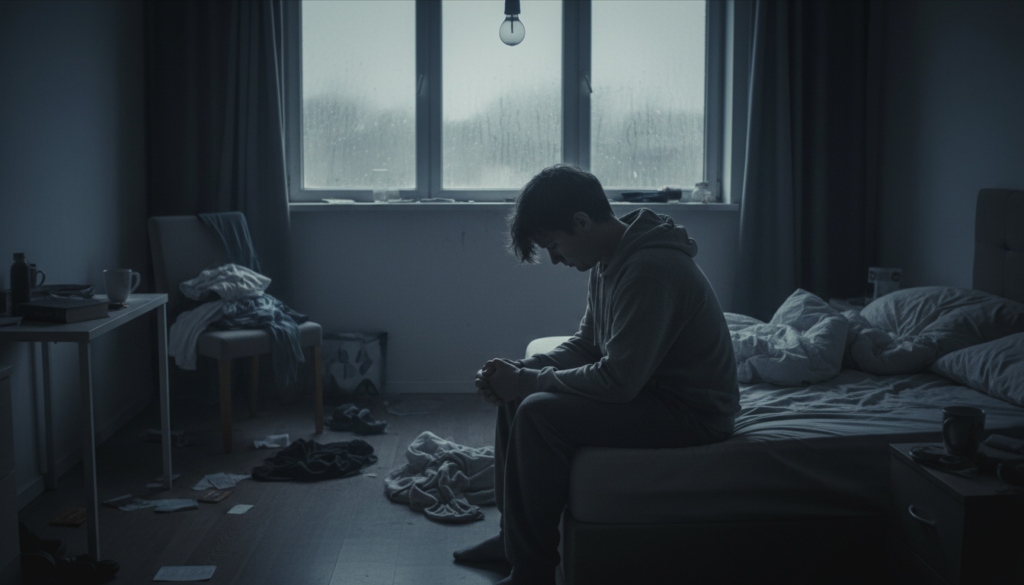
Common Symptoms of Depression and Anxiety
Knowing the signs of depression and anxiety is key. These issues can change how you feel, your health, and how you act.
Emotional Symptoms
Depression and anxiety cause many emotional problems. Depression might make you feel sad or empty all the time. You might also lose interest in things you used to love.
Anxiety can make you feel very worried or scared. You might feel restless or get angry easily.
Experts say it’s important to spot these feelings early. “Spotting these signs early can really help treatment work better,” they say.
Physical Symptoms
Depression and anxiety also show up in your body. Depression can mess with your sleep, make you tired, or change how much you eat. Anxiety might make your muscles tight, make you feel sick, or make your heart beat fast.

Behavioral Symptoms
Changes in how you act are also signs. If you’re depressed, you might pull away from friends or not want to do things. Anxiety can make you avoid certain places or situations because they scare you.
Knowing these signs can help you get help sooner. You can try therapy or find ways to help yourself feel better.
Causes and Risk Factors
It’s important to know why depression and anxiety happen. They can come from genes, the environment, and life events.
Genetic Factors
Genes play a big role in depression and anxiety. If your family has these issues, you might too. Genes can affect how your brain works, which can change your mood and feelings of anxiety.
Many genes can increase the risk of depression and anxiety. But, remember, genes aren’t the only thing. Life events and the environment also matter a lot.
Environmental Influences
Things like money, trauma, and friends can affect your mood. Stressful living conditions and lack of social support can make things worse.
Big changes in life, like moving or job changes, can also lead to depression and anxiety. These changes can be hard for some people.
Life Events and Stressors
Life events and stress can cause depression and anxiety. Losing someone, getting divorced, or serious health problems can trigger these feelings. How well you cope and who supports you matters a lot.
It’s key to understand how genes, environment, and life events work together. This helps doctors find the right treatment options for depression and therapy for depression and anxiety. Knowing what causes these issues helps doctors give better care.
Impact on Daily Life
Depression and anxiety affect more than just our minds. They touch every part of our lives. These feelings make simple tasks hard and social interactions tough.
Relationships and Social Interactions
Depression and anxiety can hurt our relationships. Social withdrawal is common, where people avoid others. Joining support groups for mental health can help feel connected.
Work and Productivity
At work, these feelings can make us less productive. Simple tasks seem huge, and focusing is hard. Online resources for depression and anxiety can help improve work life.
Overall Well-being
Our health also suffers. Depression and anxiety can cause headaches and stomach issues. It’s key to tackle these mental health issues for our physical health.
Understanding how depression and anxiety affect us is important. We can find help through therapy, self-help, or support groups. There are many ways to manage these feelings and live better.
Strategies for Coping and Management
Managing depression and anxiety needs many strategies. This helps people deal with their feelings better. It also makes them feel better overall.
Professional Help: Therapy and Medications
Getting help from professionals is key. Therapy, like cognitive-behavioral therapy (CBT), changes how we think and act. Medications, like antidepressants, can also help. It’s important to find the right treatment with a doctor.
For more info on mental health, check out the CDC’s mental health resources.
Self-Help Techniques
Self-help is also important. Mindfulness practices, like meditation, can lower stress. Exercise makes us feel better too. Eating well and sleeping enough also helps.
Using these self-help methods daily helps manage anxiety. It improves mental health.
Building a Support Network
Having a support network is crucial. Talking to others who understand helps a lot. Support groups, online or in-person, are great for sharing and learning.
Strong relationships with family and friends also help. Together, professional help, self-help, and a support network can manage anxiety well. This improves life quality.
When to Seek Help
It’s important to know when to get help for depression and anxiety. We should watch for signs that show we need support right away. If we feel very sad, hopeless, or anxious, it’s time to ask for help.
Crisis Signs and Support
Finding out if we’re in a crisis can be hard. But knowing the signs is crucial. If you have depression or anxiety, understanding your symptoms is key. Getting help from a therapist can really help.
Resources and Early Intervention
Getting help early is very important. Talking to a doctor or therapist can help a lot. By acting fast, we can manage our feelings better and feel better overall.