
Many individuals across the United States grapple with intense feelings of worry and their effects on the body. A pressing question involves the immediate impact of these stressful episodes on cardiovascular readings.
During moments of extreme distress, the body’s natural defense system activates. This triggers a cascade of hormones like adrenaline, preparing you for a “fight or flight” response.
This physiological reaction can cause a temporary, yet sharp, increase in your heart rate and the force against your artery walls. For most, these elevations are short-lived and return to baseline once the stress passes.
However, understanding this critical link is vital for long-term wellness. The interaction between emotional strain and physical health is complex and often bidirectional.
This guide delves into the science behind these temporary spikes. It explores when they might signal a deeper concern and offers practical steps for protecting your heart.
Key Takeaways
- Intense stress episodes can trigger immediate physiological responses that temporarily elevate cardiovascular readings.
- The connection between emotional distress and blood pressure is complex and works in both directions.
- Managing mental well-being is increasingly seen as crucial for maintaining good cardiovascular health.
- Temporary spikes are common, but frequent occurrences may warrant a discussion with a healthcare provider.
- Knowledge about this link empowers better personal health management and informed decision-making.
- Evidence-based strategies exist to help mitigate the effects of stress on the heart and overall wellness.
The Physiological Connection Between Anxiety and Blood Pressure
When faced with a threat, real or imagined, our physiology undergoes a dramatic transformation to enhance our chances of survival. This automatic response is a fundamental link between emotional distress and physical changes in the cardiovascular system.
The Fight-or-Flight Response Explained
The brain’s perception of danger instantly activates the sympathetic nervous system. This shift prepares the entire body for intense physical action, whether to confront a challenge or escape from it.
It is an ancient survival mechanism. Your heart pumps faster, and breathing quickens to supply muscles with oxygen. This preparatory state is central to understanding temporary circulatory changes.
Role of Stress Hormones in Blood Pressure Changes
Key chemical messengers, known as stress hormones, drive these physical adjustments. Adrenaline surges immediately, increasing heart rate and narrowing blood vessels.
This constriction forces the heart to work harder against greater resistance. Simultaneously, cortisol helps mobilize energy by raising blood sugar levels.
Once the perceived threat passes, the body’s calming parasympathetic system restores balance. Stress hormones decline, vessels relax, and readings typically return to normal.
Understanding Blood Pressure: Definitions and Readings
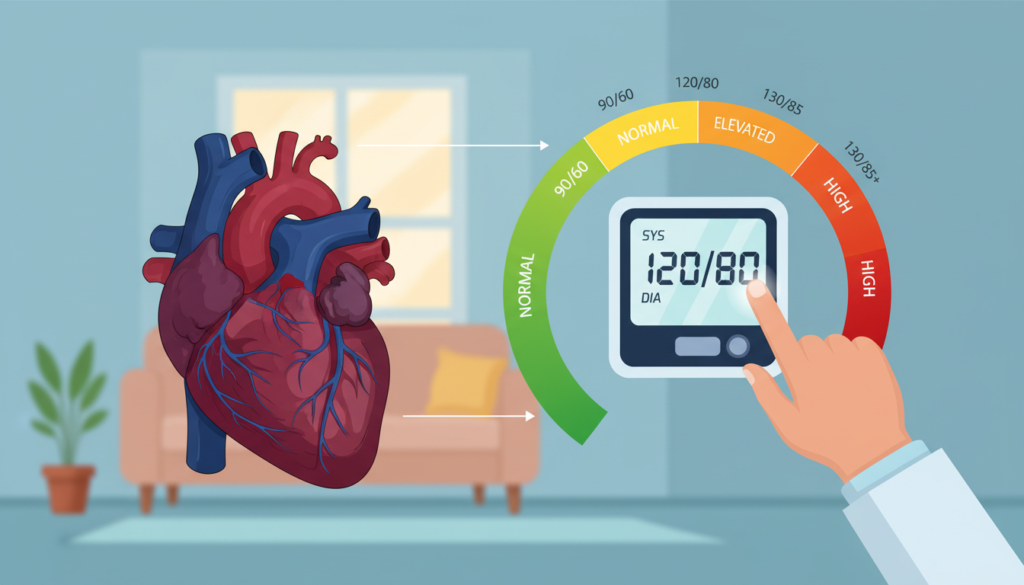
A blood pressure reading offers a direct snapshot of your cardiovascular system’s workload at any given moment. This vital sign measures the force exerted by circulating blood against artery walls.
It is essential for efficiently delivering oxygen and nutrients throughout the body. Readings are recorded in millimeters of mercury (mmHg) and consist of two distinct numbers.
Systolic and Diastolic Pressure Explained
The top number is systolic pressure. This reflects the force generated when your heart contracts and pumps blood out.
The bottom number is diastolic pressure. It shows the pressure in your arteries when the heart rests between beats.
According to the NHS, ideal blood pressure levels fall between 90/60mmHg and 120/80mmHg. The American Heart Association defines hypertension as consistent readings at or above 130/80 mmHg.
These levels naturally fluctuate with activity, diet, and stress. A single high reading does not mean you have high blood pressure.
Diagnosis requires multiple elevated checks over time. Understanding this baseline helps distinguish temporary spikes from chronic hypertension.
How Does an Anxiety Attack Raise Blood Pressure
A sudden surge of panic can trigger measurable physical changes, including a notable climb in cardiovascular readings. This occurs through the immediate activation of your body’s stress response systems.
These systems prepare you for perceived danger, causing sharp increases in both systolic and diastolic measurements.
Acute Blood Pressure Elevations During Anxiety
During intense episodes, systolic readings commonly rise by 20 to 30 mmHg. Some individuals experience spikes pushing into stage 2 hypertension ranges.
The magnitude of this effect varies based on personal health and stress sensitivity. These spikes are characteristically temporary.
Readings typically return to baseline within minutes or hours after the distress passes. This highlights the powerful, yet fleeting, impact emotional states have on physical health.
The White-Coat Effect and Its Impact
Specific situational anxiety can also artificially elevate readings. The white-coat effect describes elevated numbers triggered by medical settings.
This phenomenon can lead to a misdiagnosis of high blood pressure. Research suggests 15-30% of clinical hypertension diagnoses may be this type.
For accurate assessment, providers often recommend ambulatory or home monitoring. This accounts for the significant influence stress can have during a single check.
While a single episode doesn’t cause lasting hypertension, frequent occurrences may contribute to cumulative issues over time.
Chronic Anxiety and Its Long-Term Impact on Cardiovascular Health
Research increasingly points to a dangerous feedback loop between chronic emotional distress and the development of serious heart conditions. While single episodes cause temporary spikes, persistent worry exerts a cumulative toll.

This sustained strain can reshape your cardiovascular well-being over years.
Risk of Hypertension and Heart Disease
Frequent stress responses elevate the risk for sustained hypertension. Each temporary surge in cardiovascular readings adds to the vascular burden.
Studies confirm a strong link between anxiety disorders and the onset of heart disease. This creates a cycle where each condition worsens the other, significantly increasing overall cardiovascular risk.
Effects on Blood Vessels and Overall Heart Health
Repeated stress hormone release promotes inflammation. This damages the delicate lining of blood vessels, a process known as endothelial dysfunction.
Over time, this injury accelerates atherosclerosis, or hardening of the arteries. It forces the heart to work harder, compromising long-term heart health and raising the impact of existing issues.
Immediate Strategies for Managing Anxiety-Related Blood Pressure Spikes
Quick interventions exist to calm your nervous system and reduce the physical effects of intense worry. These methods can lower elevated readings and help you regain control during distressing moments.
Deep Breathing and Relaxation Techniques
Deep, controlled breathing is a powerful tool. It activates your body’s natural calming response, which can lower cardiovascular pressure within minutes.
Try diaphragmatic breathing: inhale slowly for four counts, hold for two, and exhale for six. This longer exhale signals relaxation. Progressive muscle relaxation also eases tension by tensing and releasing muscle groups.
Accepting your feelings without fight can reduce their intensity. This approach lessens the stress response.
Using Distraction and Grounding Methods
Grounding techniques shift focus to your present surroundings. Notice five things you can see or feel your feet on the floor. This interrupts anxious thought cycles.
Brief distractions, like a walk or calming music, provide a mental reset. Limiting caffeine offers immediate benefits, as stimulants can worsen symptoms.
Regular practice builds resilience. These tools become more effective for managing anxiety and maintaining healthier blood pressure levels.
Long-Term Lifestyle Interventions for Stable Blood Pressure
Building sustainable habits forms the cornerstone of lasting cardiovascular and mental wellness. A holistic approach addresses root causes, promoting resilience against daily stress.
Consistent lifestyle changes create a powerful synergy. They protect your heart health while improving emotional balance.
Regular Exercise and a Heart-Healthy Diet
Regular physical activity is a dual-action tool. Aim for 150 minutes of moderate exercise weekly, like brisk walking.
This directly improves cardiovascular efficiency and lowers hypertension risk. A heart-healthy diet is equally vital.
Follow patterns like the DASH or Mediterranean diet. Reduce sodium and increase potassium-rich foods.
Quitting smoking and moderating alcohol intake are critical changes. These steps significantly reduce strain on your circulatory system.
Importance of Adequate Sleep and Stress Reduction
Quality sleep is non-negotiable for stable readings. Target 7-8 hours nightly to regulate stress hormones.
Good sleep hygiene improves overall health outcomes. Chronic sleep loss elevates hypertension risk.
Managing weight through nutrition and activity reduces cardiovascular strain. Even a 5-10% loss can lower blood pressure.
Understanding the link between hypertension and anxiety empowers better long-term choices.
| Lifestyle Change | Recommended Target | Primary Health Benefit |
|---|---|---|
| Physical Activity | 150 mins moderate weekly | Lowers systolic pressure, reduces anxiety |
| Dietary Pattern | DASH or Mediterranean style | Improves vessel function, supports brain health |
| Sleep Duration | 7-8 hours per night | Regulates cortisol, stabilizes cardiovascular metrics |
| Substance Use | No smoking, limited alcohol | Reduces inflammation, prevents vascular damage |
These foundational changes work together. They build a robust defense for lasting heart health and emotional well-being.
Mindfulness, Therapy, and Other Complementary Techniques
Beyond lifestyle habits, structured mental practices offer powerful tools for managing emotional and physical health. These approaches directly target the thought patterns and nervous system responses that contribute to distress.
Mindfulness Meditation for Mental Health
Mindfulness meditation cultivates a calm, non-judgmental awareness of the present moment. This practice helps interrupt the cycle of rumination that fuels worry.
Even brief daily sessions of 10-15 minutes can train the brain to respond differently to stress. Research shows consistent meditation can reduce systolic readings by 5-8 mmHg in some individuals.
This effect is comparable to some medications, making it a valuable complementary treatment. Studies on meditation-induced changes provide strong evidence for its benefits on both mind and body.
Therapeutic Approaches and Professional Guidance
Cognitive-behavioral therapy (CBT) is the gold-standard psychological treatment. It helps people identify and change unhelpful thought patterns that worsen symptoms.
This structured approach provides practical coping strategies. For some, medication management becomes part of the plan.
SSRIs like sertraline and buspirone are generally safe options that do not adversely affect cardiovascular readings. Consulting a healthcare professional ensures a personalized strategy for long-term mental health and stability.
Conclusion
Ultimately, safeguarding your health means addressing both physiological metrics and psychological balance. The body’s stress response can cause temporary spikes in cardiovascular readings.
For most individuals, these elevations subside quickly. However, frequent episodes may increase long-term risk for sustained hypertension.
This bidirectional relationship requires a comprehensive management plan. Combining immediate calming techniques with lasting lifestyle changes offers the best protection.
Consulting a healthcare professional ensures personalized guidance. A holistic approach supports both your heart and mental well-being for a better quality of life.