
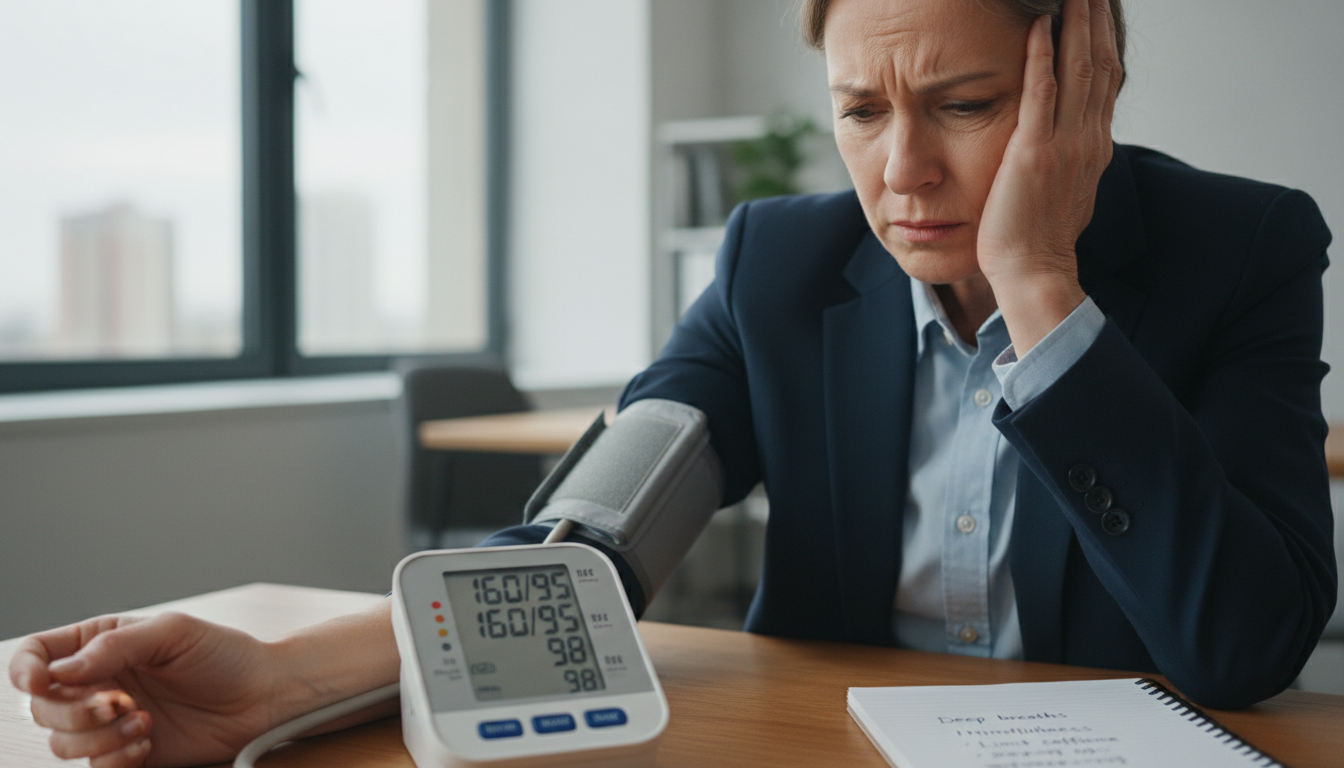
Ever felt your heart racing during a stressful meeting? You might wonder if those moments of panic harm your heart. Mental stress and physical health are closely linked, and we’re just starting to understand this connection. Every spike in tension tells a story about our internal state.
Nearly half of all adults in the U.S. have high blood pressure. About twenty percent of people deal with chronic worry, making it a big health issue. We need to explore how these two common problems interact in our bodies.
Studies show that mental stress is a risk factor for high blood pressure over time. We’re curious: does anxiety affect blood pressure for the long term or just in the moment? This question is important for millions of Americans.
Understanding the connection between anxiety and blood pressure helps us manage our heart health. By examining the science, we can find ways to shield our hearts from worry.
Key Takeaways
- Short spikes in heart readings are common during moments of intense panic.
- Chronic worry is considered a significant risk factor for developing hypertension.
- Nearly half of the adult population in the U.S. manages high cardiovascular tension.
- Mental health and physical heart health are deeply and biologically linked.
- Effective stress management can serve as a vital tool for long-term heart protection.
Understanding Anxiety and Its Symptoms
To understand how anxiety affects blood pressure, we need to know what anxiety is. It’s a condition that impacts millions of people worldwide. It affects their mental health and overall well-being.
Anxiety is a complex emotional state. It’s marked by persistent worry, nervousness, and fear. It’s a natural response to stress, but too much can disrupt daily life.
What Is Anxiety?
Anxiety is more than just feeling stressed or worried. It’s a condition that shows up differently in everyone. It’s important to see that anxiety is not just a mental health issue. It can also have physical effects. The fear, worry, and unease from anxiety can be very intense and hard to handle.
Common Symptoms of Anxiety
The symptoms of anxiety vary from person to person. Common signs include:
- Persistent and excessive worry about everyday things
- Restlessness and feeling on edge
- Difficulty concentrating
- Irritability
- Sleep disturbances
- Physical symptoms like rapid heartbeat, sweating, and trembling
These symptoms can greatly affect a person’s quality of life. It’s important to recognize and address them.
Types of Anxiety Disorders
There are several types of anxiety disorders, each with its own characteristics. Some common types include:
| Type of Disorder | Characteristics |
|---|---|
| Generalized Anxiety Disorder (GAD) | Excessive worry about various aspects of life for at least six months |
| Panic Disorder | Recurring panic attacks, which are intense episodes of fear or discomfort |
| Social Anxiety Disorder | Fear of social or performance situations in which the person is exposed to possible scrutiny by others |

Knowing about these different types of anxiety disorders is key to finding effective ways to manage them.
The Relationship Between Anxiety and Blood Pressure
Understanding how anxiety affects blood pressure is key. Anxiety triggers big changes in our body, like heart rate and blood pressure changes. We’ll look into why this happens.
How Stress Affects Blood Pressure
Anxiety makes our body go into stress mode. It releases hormones like adrenaline and cortisol. These hormones make our heart race and blood vessels narrow, raising blood pressure.
This stress response is usually short-lived. But, if anxiety is constant, blood pressure can stay high.
Stress impacts blood pressure in several ways:
- Increased heart rate
- Vasoconstriction (narrowing of blood vessels)
- Release of stress hormones like adrenaline and cortisol
These factors all contribute to higher blood pressure when we’re stressed or anxious.
The Role of the Autonomic Nervous System
The autonomic nervous system (ANS) controls how we react to stress and anxiety. It has two parts: the sympathetic nervous system (SNS) and the parasympathetic nervous system (PNS). The SNS gets us ready to fight or flee, raising heart rate and blood pressure. The PNS helps us relax, lowering heart rate and blood pressure.
In people with anxiety, the SNS is often too active. This can lead to higher blood pressure.
Short-Term vs Long-Term Effects
Anxiety’s impact on blood pressure can vary. Short-term, anxiety can cause quick spikes in blood pressure. But, long-term anxiety can cause lasting high blood pressure. This is a big risk for heart disease.
| Effects | Short-Term | Long-Term |
|---|---|---|
| Blood Pressure | Temporary spikes | Sustained hypertension |
| Cardiovascular Risk | Minimal immediate risk | Increased risk of cardiovascular disease |
Scientific Studies on Anxiety and Blood Pressure
Research has shown how anxiety affects blood pressure. It’s key to understand these studies to see how mental health impacts heart health.
Overview of Key Research Findings
Many studies have looked into anxiety and blood pressure. They’ve found important information. Key points include:
- Anxiety can increase the risk of high blood pressure.
- The autonomic nervous system plays a big role in anxiety’s effect on blood pressure.
- Long-term anxiety can keep blood pressure high.
Impact of Chronic Anxiety on Blood Pressure Levels
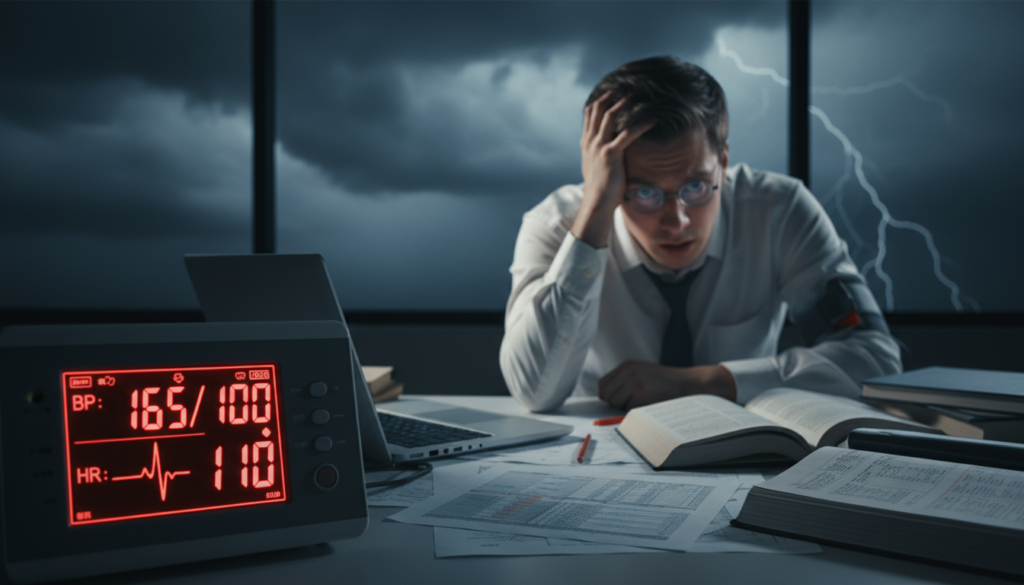
Long-term anxiety can cause blood pressure to stay high. This can lead to hypertension. Studies show people with anxiety are more likely to get high blood pressure. The reasons include:
- More activity in the sympathetic nervous system.
- Stress hormones like cortisol and adrenaline are released.
- Poor diet and lack of exercise, common in anxiety, also play a part.
It’s vital to manage chronic anxiety to avoid its negative effects on blood pressure and heart health.
Mechanisms Behind Anxiety-Induced Blood Pressure Changes
Anxiety’s impact on blood pressure is complex. It involves hormonal responses, the fight-or-flight response, and changes in the heart and blood vessels. Let’s dive into how anxiety affects our blood pressure.
Hormonal Responses to Anxiety
Anxiety triggers the release of stress hormones like adrenaline and cortisol. These hormones get our body ready to face or flee from danger. Adrenaline makes our heart beat faster and blood pressure rise. Cortisol keeps our body stressed for longer.
The release of these hormones is key to understanding anxiety’s effects on heart rate and blood pressure. As our body reacts to anxiety, the levels of adrenaline and cortisol increase. This leads to various changes in our body.
The Fight-or-Flight Response
The fight-or-flight response is a major reason for anxiety-induced blood pressure changes. Stress hormones trigger this response, making our heart race and blood vessels narrow. This increases blood pressure to give our muscles the oxygen and nutrients needed to face the threat.
Grasping the fight-or-flight response is vital to understanding anxiety’s link to high blood pressure. This response is a natural stress reaction. But, chronic anxiety can keep it active, leading to long-term high blood pressure.
Cardiovascular Changes During Anxiety
Anxiety causes several heart and blood vessel changes. Our heart rate goes up, and blood vessels narrow, raising blood pressure. Blood flow also changes, with more going to muscles and less to other areas.
Managing anxiety is key to protecting our heart health. It’s important to understand how anxiety medication and blood pressure interact. Also, learning to cope with anxiety and high blood pressure is crucial.
Managing Anxiety to Improve Blood Pressure
Managing anxiety well can really help control blood pressure. By using different ways to lower anxiety, people can also lower their blood pressure. This includes making lifestyle changes, getting therapy, and sometimes taking medicine.
Lifestyle Changes to Reduce Anxiety
Making lifestyle changes is key to managing anxiety and blood pressure. Physical exercise helps by releasing endorphins, which make us feel better. Eating a balanced diet, full of fruits, veggies, whole grains, and lean proteins, also helps keep our mood stable and anxiety low.
Stress management is another important part. Techniques like meditation, deep breathing, and yoga can help manage stress and anxiety. These methods not only help in the short term but can also change how we handle stress over time.
Therapeutic Approaches and Their Benefits
Therapy is also very effective in managing anxiety. Cognitive-behavioral therapy (CBT) helps people change negative thoughts and behaviors that cause anxiety. It’s especially helpful for those with chronic anxiety.
Other therapies like acceptance and commitment therapy (ACT) and mindfulness-based stress reduction (MBSR) are also good. These focus on being present and accepting things as they are, which can reduce anxiety’s impact on daily life.
Medications for Anxiety Management
For some, medications are needed to manage anxiety. Medicines like benzodiazepines, antidepressants, and beta-blockers are often used. Each has its own benefits and side effects, so it’s important to talk to a doctor about which one is right.
It’s important to remember that while medicines can help with anxiety, they should be used carefully. They work best when combined with lifestyle changes and therapy. This all-around approach can help manage anxiety better and improve blood pressure control.
When to Seek Professional Help
It’s important to know when you need professional help if you have anxiety and high blood pressure. Anxiety can make daily life hard, and with high blood pressure, it can get worse. So, knowing when to ask for help is key.
Signs That Indicate You Need Help
If anxiety keeps you from doing daily things, you might need help. Also, if you can’t control your anxiety on your own, or if you have panic attacks, it’s time to seek help. Consistently high blood pressure readings are another sign.
The American Heart Association says managing stress and anxiety is vital for heart health. “High blood pressure is a major risk factor for cardiovascular disease, and managing stress and anxiety is crucial for maintaining heart health.”
“Stress and anxiety can affect blood pressure, and high blood pressure can increase the risk of heart disease and stroke.”
Types of Professionals to Consult
For anxiety and high blood pressure, you might need to see different doctors. Primary care physicians can start by checking you and referring you to others. Mental health professionals, like psychologists or psychiatrists, can help with therapy and medication. Cardiologists focus on heart health.
Importance of Regular Health Check-Ups
Regular health check-ups are crucial for tracking anxiety and blood pressure. These visits help doctors adjust your care plan as needed. They ensure any changes in your condition are handled quickly. By being proactive, you can manage your anxiety and blood pressure better.
Understanding the need for professional help and regular health check-ups is vital. It helps you manage your anxiety and protect your heart health.
Conclusion: The Importance of Monitoring Blood Pressure and Anxiety
It’s key to know how anxiety and blood pressure are connected. Anxiety can really affect our blood pressure. And managing one can help the other.
Key Takeaways for Anxiety Management
Managing anxiety and keeping an eye on blood pressure go hand in hand. Knowing how anxiety impacts blood pressure helps us take action. We can change our lifestyle, try therapy, or use meds to handle anxiety.
Staying Proactive About Our Health
We need to actively manage anxiety and blood pressure. This way, we lower the chance of other health problems. The link between anxiety and blood pressure shows we should care for our health in a complete way.
Understanding how anxiety affects blood pressure helps us handle our health better. We can make smarter choices to boost our well-being.