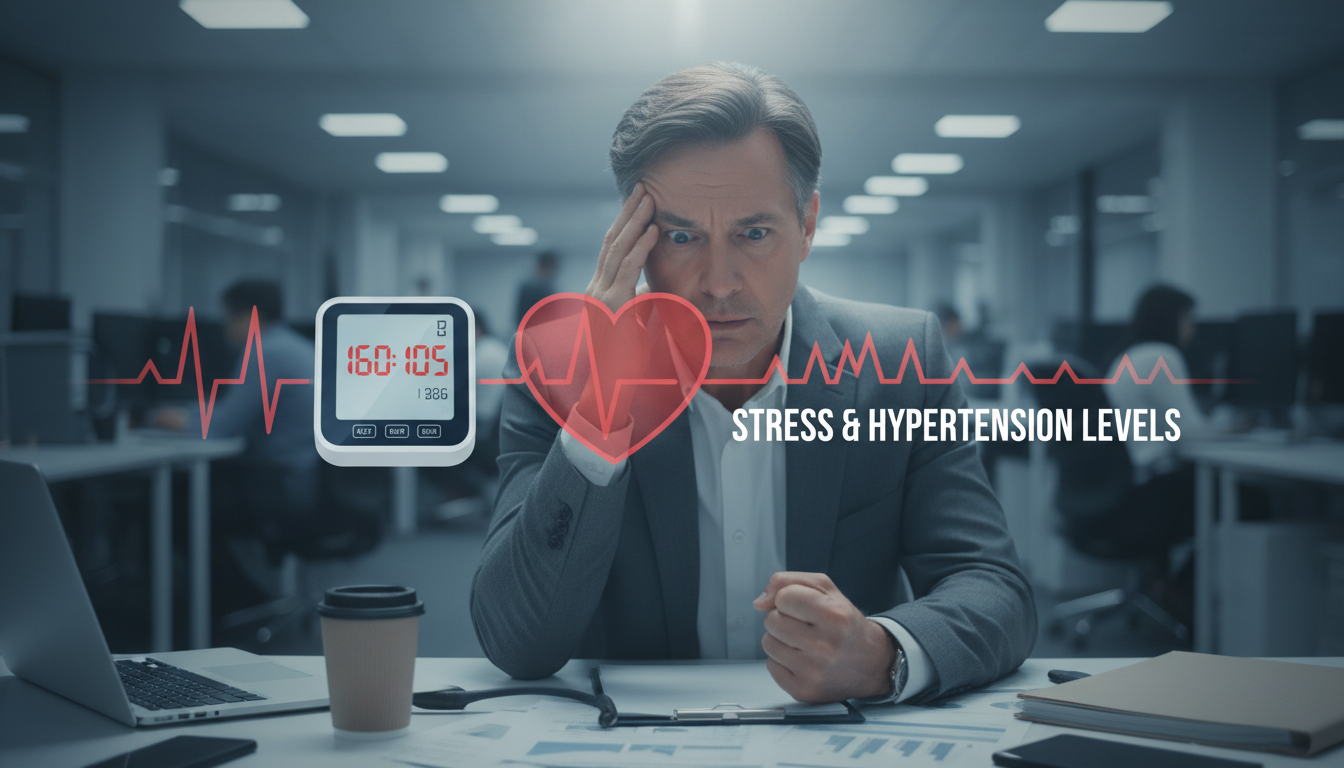
We explore the intricate link between our mental and physical well-being. Statistics reveal a striking overlap: about 47% of American adults live with high blood pressure. Simultaneously, nearly 20% are affected by an anxiety disorder each year.
While intense worry doesn’t directly create long-term high blood pressure, it can cause significant temporary surges. These repeated spikes may, over time, harm blood vessels and vital organs like the heart and kidneys.
Research indicates a meaningful connection between these disorders. They often fuel each other, creating a challenging cycle that impacts overall health. Understanding this relationship is crucial for effective care.
We emphasize that early recognition and combined management of both aspects are vital. This approach leads to better treatment results and protects long-term cardiovascular health.
Key Takeaways
- Anxiety triggers temporary blood pressure spikes, not chronic hypertension.
- Nearly half of US adults have high blood pressure.
- One in five adults experiences an anxiety disorder yearly.
- These conditions can worsen each other in a cycle.
- Early detection of both improves long-term health outcomes.
- Managing mental well-being supports cardiovascular health.
- Understanding the link is key to effective prevention.
Understanding the Connection Between Anxiety and Hypertension
Investigating the pathways linking mind and body reveals critical insights for preventive health. These two conditions represent a profound interconnection between our emotional state and cardiovascular wellness.
Interplay between Mental and Physical Health
Psychological stress doesn’t stay confined to the mind. It often manifests as tangible physical symptoms. This creates a challenging cycle.
Elevated worry can trigger immediate blood pressure changes. Those physiological reactions may, in turn, fuel more emotional distress. Research confirms a meaningful association between these states.
Individuals with persistent anxiety face higher risks for developing sustained high blood pressure over time. This interplay underscores why treating one aspect in isolation is rarely fully effective.
Early Detection and Management
Leaving either condition unaddressed harms overall well-being. It often leads to lower treatment compliance and reduced daily functioning for people.
Recognizing early warning signs in both areas is therefore essential. Simultaneous management produces far better outcomes than a separate approach.
Strategies that calm the mind often benefit the heart. This integrated protection is key to safeguarding long-term cardiovascular health.
What is Hypertension?
Often undetected, hypertension exerts constant force on arterial walls, risking organ damage. We define this condition as a persistent elevation in the force of blood against artery walls.
It rarely causes clear symptoms, earning its “silent killer” nickname. Significant harm can occur before a person feels unwell.
Definition and Diagnosis
A blood pressure reading has two numbers. Systolic pressure (top number) measures force during heartbeats. Diastolic pressure (bottom number) measures force when the heart rests.
Normal blood pressure is below 120/80 mmHg. The American Heart Association states,
“Hypertension is diagnosed at consistent readings of 130/80 mm Hg or higher.”
This table clarifies the categories:
| Category | Systolic (mmHg) | Diastolic (mmHg) |
|---|---|---|
| Normal | Less than 120 | and Less than 80 |
| Elevated | 120-129 | and Less than 80 |
| Hypertension Stage 1 | 130-139 | or 80-89 |
| Hypertension Stage 2 | 140 or higher | or 90 or higher |
Proper diagnosis requires multiple checks over time. A single high rate does not confirm high blood pressure.
Regular monitoring is vital for patients with risk factors. Early detection through consistent measurement is the best defense.
Recognizing Anxiety and Its Symptoms
Millions of Americans navigate daily life while managing the pervasive symptoms of anxiety, a condition far beyond simple nervousness. It represents a persistent state of excessive, uncontrollable worry about everyday situations.
This worry often brings debilitating physical effects. Understanding these signs is a vital step for protecting both mental health and cardiovascular wellness.

Physical and Emotional Indicators
The body frequently signals distress. Common physical symptoms include a racing heart rate, chest tightness, headaches, and dizziness.
Shortness of breath and sleep disturbances are also frequent. These manifestations can temporarily raise blood pressure during intense episodes.
Emotional and psychological signs are equally telling. They feature persistent worry, restlessness, and muscle tension.
Many people report difficulty controlling feelings and experience irrational fears. Trembling or shaking may also occur.
When to Seek Professional Advice
Living with untreated worry can feel isolating. It may limit one’s ability to interact socially or complete daily tasks.
“An estimated 31% of American adults will have an anxiety disorder at some point in their lives.”
When these symptoms persistently interfere with your life, it may indicate a clinical condition. Anxiety disorders are among the most common mental health diagnoses.
Seeking professional care is a proactive move for your overall health. Effective strategies are available through qualified mental health professionals.
Does Anxiety Cause Hypertension
The direct causal link between emotional distress and sustained high blood pressure is often misunderstood. We clarify that persistent worry does not directly create long-term hypertension. The relationship is more nuanced and indirect.
Temporary Blood Pressure Spikes
Anxiety triggers temporary blood pressure spikes through the body’s natural stress response. These elevations typically return to normal once the anxious episode passes.
While individual episodes cause brief, harmless increases, frequent or chronic worry creates repeated spikes. Over time, this may damage blood vessels, the heart, and kidneys.
It’s vital to distinguish between acute and chronic stress. The table below highlights key differences:
| Stress Type | Blood Pressure Effect | Duration | Potential Health Impact |
|---|---|---|---|
| Acute Stress | Temporary spike | Short-term (minutes/hours) | Typically harmless |
| Chronic Stress | Repeated spikes | Long-term (months/years) | May damage vessels, heart, kidneys |
Chronic anxiety can lead to risky coping behaviors. These include smoking, unhealthy diet, and lack of exercise.
All these factors directly worsen high blood pressure over time. Understanding this link is essential for cardiovascular health, as detailed in this resource on hypertension and anxiety.
Managing both conditions together offers the best protection for long-term wellness.
Shared Risk Factors and Causes
Uncovering the overlapping roots of mental and cardiovascular disorders reveals powerful prevention opportunities. Many risk factors are common to both conditions.
Addressing these shared factors can protect your overall health.
Lifestyle and Environmental Factors
Certain habits significantly increase your risk. Smoking is a dual threat. Nicotine temporarily raises blood pressure.
It also often serves as an unhealthy coping tool for emotional distress. Excessive alcohol use presents similar dangers.
It can worsen worry and directly contribute to heart disease. Poor diet and weight management are key factors.
Obesity and diabetes create body-wide inflammation. This state fuels high blood pressure and correlates with emotional strain.
Chronic stress acts as a major bridge between these health challenges.
| Common Risk Factor | Impact on Emotional Health | Impact on Blood Pressure |
|---|---|---|
| Smoking | Used as coping mechanism; can increase nervousness | Nicotine causes temporary spikes |
| Excessive Alcohol | Can amplify anxiety; disrupts sleep | Raises pressure; damages heart over time |
| Poor Diet & Obesity | Linked to higher inflammation and distress | Increases strain on vessels; promotes hypertension |
| Chronic Stress | Sustains worry and tension | Leads to repeated pressure surges |
Genetic Predisposition
Your family history plays a significant role. Research suggests 30-60% of blood pressure variation may be genetic.
Similar heritability patterns exist for anxiety disorders. If close relatives have cardiovascular issues, your risk is higher.
The same is true for patterns of emotional health challenges. Understanding these shared risk factors empowers better lifestyle choices.
Physiological Mechanisms Linking Both Conditions
Our body’s internal alarm system provides a direct pathway for emotional stress to influence cardiovascular function. This connection operates through specific biological processes.
Fight-or-Flight Response Details
A perceived threat triggers the sympathetic nervous system. The brain automatically releases stress hormones like adrenaline and cortisol.
Adrenaline increases the heart rate and narrows blood vessels. This action raises blood pressure to prepare the body for action.
Cortisol elevates blood glucose levels. It adjusts various functions to support this survival response.

When the danger passes, the system usually calms. Blood pressure then returns to its baseline rate.
Inflammatory and Hormonal Changes
Chronic activation prevents this recovery. It can lead to sustained high blood pressure over time.
Persistent worry and hypertension both link to increased inflammation. This creates a cycle where inflammation worsens each condition.
Sleep disruption, common with anxiety, further strains the system. It promotes hormonal imbalances that keep the stress response active.
Impact on Cardiovascular Health
When mental distress and high blood pressure coexist, the threat to heart health multiplies significantly. High blood pressure alone is a major risk factor for heart disease. Adding persistent worry dramatically increases this risk.
Frequent emotional spikes create repeated pressure surges. Over time, these can damage delicate blood vessels, the heart muscle, and kidneys. This cumulative impact is a key concern.
The combination accelerates atherosclerosis, or hardening of the arteries. It also contributes to heart failure development through sustained stress. This creates a particularly dangerous cycle.
Research clearly shows worse outcomes for those with both conditions. The table below highlights the increased risk:
| Cardiovascular Condition | Risk with Hypertension Alone | Risk with Hypertension & Anxiety Disorders |
|---|---|---|
| Coronary Artery Disease | Elevated | Substantially Higher |
| Heart Failure | Moderate Risk | Significantly Increased Risk |
| Heart Attack or Stroke | High Risk | Very High Risk |
Long-term effects extend beyond the heart. Compromised blood flow raises the risk of cognitive decline. Each condition fuels the other, worsening overall health.
Lifestyle Strategies to Manage High Blood Pressure and Anxiety
Powerful daily habits form the cornerstone of protecting both your emotional balance and heart health. We focus on practical changes you can implement today.
Balanced Diet and Regular Exercise
Regular physical activity is a dual-action tool. Aim for 150 minutes of moderate exercise weekly, like brisk walking or swimming.
This movement directly helps lower blood pressure. It also reduces stress hormones and releases mood-boosting endorphins.
Your diet plays an equally critical role. Follow the DASH eating plan.
Emphasize fruits, vegetables, and whole grains. Limit sodium and increase potassium-rich foods.
Smoking Cessation and Moderating Alcohol
Quitting smoking is non-negotiable for cardiovascular health. Nicotine damages vessels and causes temporary blood pressure spikes.
It often serves as an unhealthy coping mechanism for nervous tension. Eliminating it is a profound lifestyle change.
Moderate your alcohol intake strictly. For women, that means one drink daily; for men, two.
Excessive alcohol can raise high blood pressure and worsen feelings of worry. These changes, combined with maintaining a healthy weight, create a powerful shield for your long-term wellness.
Medical Management and Treatment Options
Coordinated medical care offers a powerful strategy for addressing interconnected health challenges. We discuss how managing both requires a unified plan from professionals who understand their interaction.
Medication and Therapy Options
Selective serotonin reuptake inhibitors (SSRIs) like sertraline are generally safe. They typically don’t raise blood pressure while effectively treating emotional distress.
Buspirone is another anti-anxiety medication that doesn’t significantly impact cardiovascular readings. It’s often prescribed for patients with heart concerns.
Beta-blockers such as propranolol uniquely treat both sets of symptoms. They block adrenaline, reducing heart rate and pressure.
Certain medications require careful consideration. Venlafaxine may increase readings in some individuals, needing close monitoring.
| Medication Class | Common Examples | Primary Use | Key Consideration for High Blood Pressure |
|---|---|---|---|
| SSRIs | Sertraline, Escitalopram | Anxiety Disorders | Generally safe; no significant increase |
| Buspirone | Buspirone | Anxiety Treatment | Minimal impact; suitable for cardiovascular patients |
| Beta-Blockers | Propranolol | Both Conditions | Lowers heart rate and pressure directly |
| SNRIs | Venlafaxine, Duloxetine | Anxiety Disorders | May increase pressure; requires monitoring |
For management without drugs, cognitive-behavioral therapy (CBT) is an evidence-based treatment. It helps patients change thought patterns that contribute to worry.
Psychotherapists may guide individuals through exposure therapy to face fears. Compliance is vital. Blood pressure medications work best when taken consistently as directed.
Mindfulness, Relaxation, and Stress Reduction Techniques
Beyond medication, daily relaxation practices serve as powerful tools for breaking the cycle of stress and elevated blood pressure. These non-pharmacological approaches are essential for managing both conditions without side effects.
Mindfulness Meditation Practices
Practice mindfulness meditation regularly to reduce your body’s stress response. Even 5-10 minutes daily of focused breathing can help lower blood pressure and reduce anxiety levels.
Studies show these techniques can reduce systolic blood pressure by 5-8 mmHg in some individuals. This demonstrates measurable cardiovascular benefits from mental health practices.
Deep Breathing and Progressive Muscle Relaxation
Deep breathing exercises effectively lower anxiety-induced blood pressure spikes. Try breathing slowly for 4 counts, holding for 2, and exhaling for 6 counts.
Progressive muscle relaxation reduces physical tension and lowers blood pressure. Systematically tense and then relax each muscle group from your toes to your head.
Taking a few minutes each day to practice helps relax both body and mind. Consistent practice creates lasting changes in your stress response system over time.
The Importance of Quality Sleep and Diet
Two pillars of wellness, restorative sleep and mindful eating, offer profound protection for both your heart and mind. We emphasize that quality sleep is a foundational element for managing both blood pressure and emotional balance.
Inadequate rest contributes to worsening both conditions. Aim for 7-8 hours nightly and establish a consistent routine.
Regular sleep patterns help regulate hormones affecting cardiovascular health and mental well-being. Rest helps keep blood vessels healthy.
Not getting enough sleep elevates your risk for heart disease and stroke. It also fuels feelings of frustration, creating a vicious cycle.
The foods we eat directly impact high blood pressure. We recommend the DASH (Dietary Approaches to Stop Hypertension) eating plan.
This diet prioritizes vegetables, fruits, whole grains, and lean proteins. It limits saturated fats and sugar-sweetened products.
Foods heavy in calories, fat, and salt can worsen both pressure and mood. A nutrient-rich diet supports mood stabilization and healthy weight management.
Together, these habits form a powerful shield for your long-term health and quality of life.
Impacts of Chronic Stress on the Cardiovascular System
Over time, unmanaged stress can silently reshape the very structure and function of the heart and blood vessels. This cumulative impact extends far beyond temporary blood pressure elevations.
Long-Term Effects on Heart and Blood Vessels
Long-term stress increases cortisol production. This hormone can raise both your blood pressure and body weight.
These are two critical factors that influence a person’s risk for heart disease.
The American Heart Association notes that chronic stress can also contribute to persistent anxiety and depression.
Constant activation of this response elevates the risk of heart attack and stroke over time.
Repeated anxiety episodes lead to frequent blood pressure spikes. Over years, this may damage blood vessels, the heart, and kidneys.
This damage resembles that seen in sustained high blood pressure. Managing chronic stress is a vital preventive measure for lifelong cardiovascular wellness.
Addressing Lifestyle Risk Factors and Prevention Tips
By targeting shared risk factors, you build a robust defense against the intertwined threats of high blood pressure and persistent worry. We outline proactive prevention strategies that empower people to take control of their cardiovascular and mental health.
If you are concerned about your readings or emotional state, contact your doctor for an evaluation. Consistent high blood pressure readings at home often signal a need for medical care.
Consult regularly with healthcare professionals. They can monitor both conditions and determine if symptoms require intervention beyond lifestyle modifications.
Be aware of medications that may affect your pressure. Some over-the-counter products, like NSAIDs and decongestants, can raise it.
Always inform your doctor about all medications you take. Interactions represent significant risk factors that complicate management.
Addressing modifiable factors is a primary prevention strategy. This table highlights key actions:
| Modifiable Risk Factor | Prevention Action | Expected Benefit |
|---|---|---|
| Sedentary Behavior | Regular moderate exercise | Lowers pressure, reduces stress hormones |
| Poor Dietary Habits | Adopt DASH or Mediterranean diet | Improves vessel health, stabilizes mood |
| Inadequate Stress Management | Practice daily mindfulness | Reduces spike frequency, improves resilience |
Early intervention targeting these areas can prevent progression. It helps avoid clinical disorders requiring intensive treatment.
Proactively managing your health lowers the risk of heart attack or stroke. This makes prevention a worthwhile investment for all patients.
Conclusion
Empowering individuals with knowledge and tools is the key to disrupting the harmful feedback loop between stress and high blood pressure.
We summarize that while emotional distress does not directly create chronic hypertension, repeated temporary spikes can accumulate. This accumulation poses a real risk to long-term cardiovascular health.
These conditions share a complex, bidirectional relationship. Managing them together through comprehensive treatment plans yields far better outcomes than addressing either alone.
Recognizing shared risks like poor diet, smoking, and chronic stress is crucial. Effective strategies combine lifestyle changes, medical care, and relaxation techniques.
We encourage people experiencing symptoms to seek professional care promptly. Early detection significantly improves long-term health outcomes for patients.
With proper treatment and proactive steps, individuals can successfully manage both anxiety and high blood pressure. This breaks the cycle and supports overall wellness and quality of life.