

Ever felt your heart racing during a stressful meeting? You might wonder if it’s harming your body. We often worry about how our feelings affect our health. It’s key to understand the anxiety and hypertension connection to protect our heart health.
Intense worry can cause short-term blood pressure increases. But, it usually doesn’t lead to long-term problems. Still, these quick rises can harm blood vessels over time. Keeping our minds calm is crucial for our heart’s health.
We dive into how fear affects our nervous system. Our goal is to guide you with clear facts. Knowing the truth helps us make better choices for our well-being.
Key Takeaways
- Stress causes brief spikes in cardiovascular readings.
- Long-term hypertension usually has different medical roots.
- Frequent nervous reactions can strain the heart over time.
- Mental wellbeing is directly linked to physical safety.
- Lifestyle changes help manage both conditions effectively.
- Consulting a doctor provides the necessary clarity for patients.
Understanding Anxiety and Its Effects on the Body
Anxiety is more than just a mental issue. It affects our physical health, including our heart. It’s a common problem worldwide, recognized as a major health concern.
To fully understand anxiety, we need to know what it is and its symptoms. We also need to know about the different types of anxiety disorders. This helps us see how anxiety can affect people differently and its impact on our well-being.
What is Anxiety?
Anxiety is a mix of worry, nervousness, and fear that lasts too long. It can make daily life hard, affecting how we function. Anxiety is not just in our minds; it affects our bodies too, including our heart.
Common Symptoms of Anxiety
Anxiety symptoms vary but often include fast heartbeat, sweating, trembling, and trouble focusing. These can be short-term or last a long time. Knowing these symptoms is the first step to managing anxiety and its physical effects.
Some people have panic attacks. These are intense episodes of fear or discomfort that peak quickly. They include symptoms like a racing heart, sweating, and trouble breathing. Understanding these symptoms helps people get the right help.
Types of Anxiety Disorders
There are many types of anxiety disorders, each with its own traits. Generalized Anxiety Disorder (GAD) is about constant worry about everyday things. Panic Disorder involves recurring panic attacks. Social Anxiety Disorder is fear of being in social or performance situations. Each type of anxiety disorder can affect our physical health differently.
Knowing the specific type of anxiety disorder is key to finding the right treatment. This treatment should address both mental health and physical effects, like blood pressure.
The Connection Between Anxiety and Blood Pressure
Anxiety can really affect our heart health, especially how it handles blood pressure. When we feel anxious, our body goes into “fight or flight” mode. This leads to changes in how our body works.
How the Body Responds to Anxiety
When we’re anxious, our body releases stress hormones like adrenaline and cortisol. These hormones get our body ready to face the situation or run away. Our heart beats faster and our blood vessels get narrower. This makes blood pressure go up, so our muscles get the oxygen and nutrients they need.
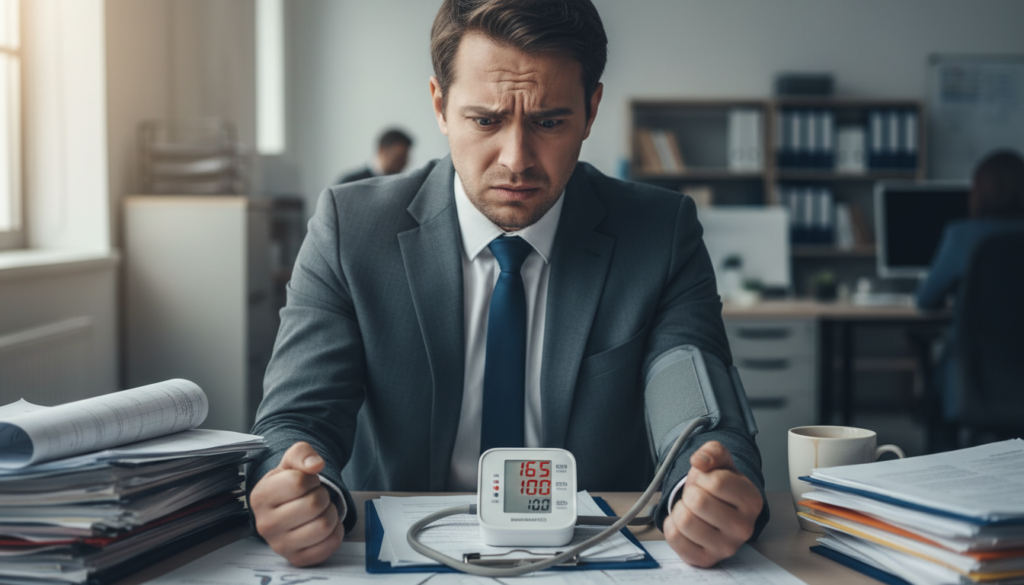
This response is meant to be short-lived. But if anxiety lasts a long time, the repeated high blood pressure can harm our heart and blood vessels. Studies show that often having high blood pressure can damage the heart, blood vessels, and kidneys (PMC4411016).
Short-Term vs. Long-Term Effects
Anxiety can cause quick increases in blood pressure. These increases are usually okay for people with normal blood pressure. But for those with high blood pressure or heart disease, these spikes can be a big problem.
Long-term anxiety can lead to serious health issues, like anxiety-induced hypertension. This can put a lot of strain on the heart and increase the risk of heart disease and stroke.
- Short-term effects: temporary blood pressure spikes
- Long-term effects: potential development of hypertension, cardiovascular disease
It’s important to know the difference between short-term and long-term effects of anxiety on blood pressure. This helps us manage and reduce the risks of heart problems linked to anxiety disorders.
Physiological Mechanisms Behind Stress Response
To understand how anxiety affects the body, we need to look at the stress response’s underlying mechanisms. The link between anxiety and blood pressure is complex. It involves many systems in the body.
The Role of Hormones in Blood Pressure Regulation
Anxiety triggers the release of stress hormones like adrenaline and cortisol. These hormones get our body ready for the “fight or flight” response. Adrenaline makes blood vessels constrict, and cortisol helps keep sodium and water in the body, raising blood pressure.
The Nervous System and Blood Pressure
The nervous system is key in controlling blood pressure, especially during stress. The sympathetic nervous system kicks in during anxiety, increasing heart rate and blood vessel tightness. This is meant to be short-term. But, long-term anxiety can keep it active, raising blood pressure.
Research shows,
“the role of psychosocial factors and complex physiological processes involved in the linkage among psychosocial factors and hypertension is not fully understood.”
This emphasizes the need to study how to manage anxiety to lower blood pressure.
Effective ways to manage anxiety include:
- Regular exercise
- Meditation and mindfulness practices
- Cognitive-behavioral therapy (CBT)
Understanding the stress response’s mechanisms helps us see how anxiety affects blood pressure. Managing anxiety well is key to keeping blood pressure healthy.
Clinical Studies on Anxiety and Blood Pressure
Recent studies have shown a strong link between anxiety and high blood pressure. This connection affects our heart health. It’s vital to understand how anxiety and blood pressure are connected to manage health better.
Our review of recent studies found a clear link between anxiety and higher blood pressure risk. This shows why treating anxiety is key to preventing heart disease.
Key Findings from Recent Research
Studies have looked into how anxiety affects blood pressure. They’ve found important details about how anxiety works on our bodies. For example, people with anxiety may see their blood pressure go up and down more.
- Studies have found a positive correlation between anxiety levels and blood pressure readings.
- Anxiety disorders have been linked to an increased risk of developing cardiovascular diseases.
- The physiological response to anxiety, including the release of stress hormones, plays a critical role in blood pressure regulation.
A recent study found a link between anxiety and higher blood pressure risk. This calls for more research and new treatments.

The Impact of Anxiety Disorders on Cardiovascular Health
Anxiety disorders can harm our heart health, leading to high blood pressure and other heart issues. The anxiety-related cardiovascular risks come from both direct effects on the body and lifestyle choices.
The link between mental health and high blood pressure is complex. Anxiety can make heart risks worse. So, treating anxiety is crucial for heart health.
“The recognition of anxiety as a risk factor for hypertension underscores the importance of holistic care that addresses both mental health and cardiovascular well-being.”
Understanding the connection between anxiety and blood pressure helps doctors find better ways to manage blood pressure. This can lower the risk of heart disease.
Risk Factors Associated with Elevated Blood Pressure
It’s important to know what can raise your blood pressure. High blood pressure, or hypertension, can be caused by many things. These include how you live and your genes.
Lifestyle Choices and Their Influence
How you live affects your blood pressure. People who are stressed or anxious might smoke or eat too much. These actions can make your blood pressure go up.
Some lifestyle choices that can affect your blood pressure include:
- Diet: Eating too much salt, fat, and sugar can raise your blood pressure.
- Physical Activity: Not moving enough can increase your risk of high blood pressure.
- Smoking: Smoking is a big risk for high blood pressure and heart disease.
- Alcohol Consumption: Drinking too much alcohol can also raise your blood pressure.
Genetics and Family History
Genes and family history also matter a lot. Studies show that if your family has high blood pressure, you might too.
| Risk Factor | Description | Impact on Blood Pressure |
|---|---|---|
| Family History | Having a family history of hypertension | Increases the risk of developing high blood pressure |
| Genetic Predisposition | Genetic factors that influence blood pressure regulation | Can contribute to elevated blood pressure |
| Lifestyle Choices | Poor diet, lack of exercise, smoking, and excessive alcohol consumption | Can significantly raise blood pressure |
Knowing these risk factors helps you take control of your blood pressure. You can make healthy choices and understand your genetic risks.
Managing Anxiety to Control Blood Pressure
Managing anxiety is key to keeping blood pressure healthy. Anxiety makes our heart rate and blood pressure go up. If anxiety is constant, it can lead to high blood pressure and even hypertension.
It’s important to understand how anxiety affects blood pressure. By tackling anxiety, we can boost our mental health and lower the risk of heart disease linked to high blood pressure.
Effective Coping Strategies
There are many ways to manage anxiety and control blood pressure. Here are a few:
- Relaxation Techniques: Deep breathing, progressive muscle relaxation, and meditation can lower anxiety.
- Physical Exercise: Regular exercise reduces anxiety and stress by releasing endorphins.
- Mindfulness: Focusing on the present moment can lessen worries about the future or past, reducing anxiety.
The Role of Therapy and Medication
Therapy and medication are also important for managing anxiety. Cognitive-behavioral therapy (CBT) helps change thought patterns and behaviors linked to anxiety.
Medications like beta-blockers and certain antidepressants can also help. But, always use them with a doctor’s advice.
By using these methods together, we can create a plan to manage anxiety. This plan can help control blood pressure and improve our health.
When to Seek Medical Advice
Knowing when to get medical help is key for managing anxiety and its effect on blood pressure. Anxiety shows up differently in everyone, and its blood pressure impact varies. Yet, some signs and symptoms mean you should see a doctor.
Signs of High Blood Pressure
High blood pressure, or hypertension, often has no symptoms. But, when it does, symptoms can include:
- Headaches
- Shortness of breath
- Nosebleeds
- Fatigue or confusion
- Chest pain
If you have these symptoms, especially if they’re severe or last a long time, see a doctor. Early treatment of high blood pressure can greatly lower heart disease risk.
Recent studies show a strong link between anxiety and high blood. So, managing anxiety is key to keeping blood pressure in check.
Consulting Healthcare Professionals
If anxiety is hard to handle or gets in the way of daily life, talk to your healthcare team. They can help with coping strategies, therapy, or medication if needed.
It’s always safer to be cautious with your health. If you’re not sure about your symptoms or how anxiety affects your blood pressure, getting medical advice is wise. It can give you peace of mind and a clear plan.
Doctors can give you advice and treatment plans that fit your needs. This helps you manage both anxiety and high blood pressure well.
Lifestyle Changes to Support Overall Well-Being
Healthy lifestyle changes are key to managing anxiety and keeping blood pressure in check. Eating well and exercising regularly can lower the risk of high blood pressure caused by anxiety.
Nourishing Body and Mind
Eating a diet full of fruits, veggies, and whole grains is essential. It helps manage anxiety and blood pressure. Regular exercise also cuts down stress and boosts heart health.
Creating a Supportive Environment
Surrounding yourself with positive people is crucial. It’s also important to manage stress and stay active socially. Using home blood pressure monitors helps you track your health closely.
By adopting these lifestyle changes, we can better handle anxiety. This leads to lower stress and blood pressure, improving our overall health.