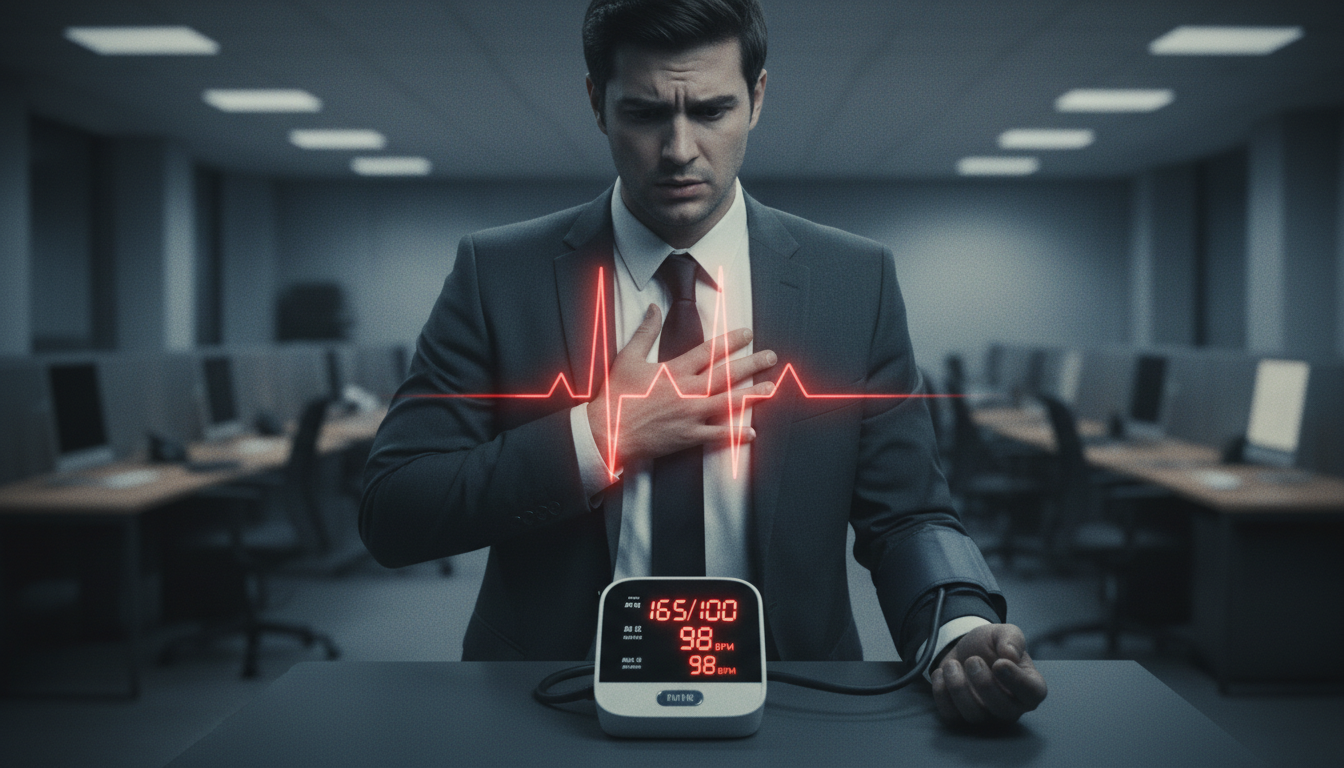
Ever felt your heart racing during a stressful meeting? You might wonder if your nerves are harming your heart. This fear keeps many of us up at night, worrying about our health.
A sudden panic attack can make your blood pressure jump. But, it usually doesn’t lead to chronic hypertension. These stress episodes cause short-term spikes in blood pressure, not lasting damage.
Understanding how our mind affects our body is key to staying healthy. When we’re stressed, our body reacts strongly. These reactions might seem scary, but they’re usually temporary. Let’s explore how these feelings impact our long-term health and how to stay cardiovascular wellness.
Key Takeaways
- Stress causes temporary spikes in arterial tension.
- Chronic worry is not a direct cause of long-term hypertension.
- Nervousness triggers the natural “fight or flight” response.
- Managing mental wellness improves overall circulatory health.
- Frequent temporary surges can damage vessels over time.
- Physical activity and relaxation help stabilize your numbers.
Understanding Anxiety and Its Symptoms
Anxiety is a big problem for adults, affecting many people. It’s more than just feeling worried or scared. It can really change someone’s life and even affect their health, like blood pressure.
Common Symptoms of Anxiety
Anxiety shows up in many ways. You might feel worried all the time, or your body might shake and sweat. These feelings can be hard to understand and deal with.
Some common signs include:
- Feeling worried about everyday things
- Being restless or feeling on edge
- Having trouble focusing or making choices
- Not sleeping well, like insomnia
- Physical signs like a fast heartbeat or stomach problems
How Long Can Anxiety Last?
Anxiety can last for different lengths of time for everyone. For some, it’s a quick reaction to stress that goes away when the stress does. But for others, it’s a long-term issue that needs ongoing help.
Learning how long your anxiety lasts and what triggers it is key to managing it. For more help, check out Work Shift Anxiety.
Differentiating Between Stress and Anxiety
Stress and anxiety are related but different. Stress is a reaction to something specific, while anxiety is a general feeling of fear or worry. Knowing the difference helps you find the right ways to cope.
Key differences include:
- Stress comes from outside, while anxiety is more inside your head.
- Stress usually goes away when the cause is gone, but anxiety can stick around.
Understanding these differences helps us deal with anxiety better. It also helps us see how anxiety can affect our health, like stress-induced hypertension.
The Physiology of Anxiety
Anxiety makes our body react in certain ways. This is our body’s way to get ready to face or run from danger. It’s a natural defense.
How Anxiety Affects the Body
Anxiety starts the fight-or-flight response. This is a complex reaction that affects many parts of our body. It involves stress hormones like adrenaline and cortisol.
These hormones make our heart beat faster and our blood pressure go up. They also make us breathe quicker and our muscles tense. They help us react quickly to threats.
But, if anxiety lasts a long time, it can harm our health. It might even affect our blood pressure.
The Role of the Brain in Anxiety Responses
The brain is key in handling anxiety. The amygdala, a small part of the brain, spots threats and starts the anxiety response. It sends signals to other parts of the brain and body.
Knowing how anxiety works is important. It helps us find ways to manage it. This can reduce its effects on our body, like our blood pressure.
| Physiological Effect | Description | Impact on Health |
|---|---|---|
| Increased Heart Rate | Heart beats faster to supply more blood to the muscles. | Can lead to cardiovascular strain. |
| Elevated Blood Pressure | Blood vessels constrict, increasing blood pressure. | May contribute to hypertension if frequent. |
| Rapid Breathing | Breathing becomes faster to increase oxygen supply. | Can lead to respiratory alkalosis. |
Understanding how anxiety affects us is crucial. It helps us see why managing anxiety is important. It’s key for our overall health, including our blood pressure.
Blood Pressure Basics
To understand how anxiety affects blood pressure, we need to know what blood pressure is. It shows how well our heart and blood vessels are working. It’s the force of blood pushing against artery walls as it moves around our body.
Blood pressure changes a lot. It can go up or down based on what we’re doing, how we feel, and our health. Knowing how it changes helps us keep our heart and blood vessels healthy.
What Is Blood Pressure?
Blood pressure is the pressure in our arteries when the heart pumps blood. It’s shown as two numbers: systolic (when the heart beats) and diastolic (when it rests). This pressure is important for our heart’s health.
Normal Blood Pressure Ranges
Normal blood pressure is usually 120/80 mmHg or less. The American Heart Association has specific ranges. Normal is below 120/80 mmHg, elevated is 120-129/80 mmHg, and stage 1 hypertension is 130-139/80-89 mmHg.
Keeping blood pressure in the normal range helps avoid heart diseases.
How Blood Pressure Is Measured
Blood pressure is measured with a sphygmomanometer, which can be manual or digital. The cuff goes around the upper arm. The pressure is shown in millimeters of mercury (mmHg).

Getting an accurate reading is key for managing high blood pressure.
Exploring the Connection Between Anxiety and Blood Pressure
It’s important to know how anxiety affects blood pressure. Anxiety is a common mental health issue that can harm our physical health, including our blood pressure.
The Fight-or-Flight Response
Anxiety triggers our body’s “fight-or-flight” response. This natural reaction gets ready to face danger or run away. Stress hormones like adrenaline and cortisol make our heart beat faster and blood vessels narrow, raising blood pressure.
Short-Term vs. Long-Term Effects
Anxiety can raise blood pressure in the short and long term. Short-term anxiety can cause quick blood pressure spikes. But, long-term anxiety can lead to lasting high blood pressure, known as hypertension.
Understanding both immediate and long-term effects of anxiety on blood pressure is key. It helps us know the risks and how to manage them.
Research Studies on Anxiety and Hypertension
Many studies have looked into the link between anxiety and high blood pressure. They show that people with anxiety disorders are more likely to have high blood pressure.
| Study | Findings |
|---|---|
| Study on Anxiety and Hypertension (2020) | Found a significant correlation between anxiety levels and increased blood pressure. |
| Longitudinal Study on Mental Health (2018) | Observed that individuals with chronic anxiety were more likely to develop hypertension over time. |
| Meta-Analysis on Anxiety and Blood Pressure (2015) | Concluded that anxiety disorders were associated with an increased risk of hypertension. |
These studies highlight the need to tackle anxiety when managing blood pressure. They show that addressing anxiety is crucial in preventing hypertension.
By studying the link between anxiety and blood pressure, we can find ways to lower anxiety-induced high blood pressure. This helps reduce the risk of anxiety-related hypertension.
Risk Factors for High Blood Pressure
Managing anxiety can help control blood pressure. It’s important to know what can raise your blood pressure risk. High blood pressure is influenced by many factors.
How Lifestyle Choices Impact Blood Pressure
Lifestyle choices greatly affect blood pressure. Diet, physical activity, and stress management are key. They can either help or hurt your blood pressure risk.
- Unhealthy diet: Too much sodium, saturated fats, and cholesterol can raise blood pressure.
- Lack of physical activity: Sitting too much can increase hypertension risk.
- Stress: Ongoing stress can also raise blood pressure.
Making smart lifestyle choices can lower your risk of high blood pressure.
The Age Factor in Blood Pressure and Anxiety
Age affects blood pressure. As we get older, our blood vessels lose flexibility, raising blood pressure. Anxiety levels can also change with age, impacting blood pressure management.
| Age Group | Prevalence of Hypertension | Anxiety Considerations |
|---|---|---|
| 18-39 years | 7.5% | Higher anxiety levels due to life changes |
| 40-59 years | 33.2% | Anxiety may be compounded by health concerns |
| 60 years and older | 63.1% | Anxiety can be influenced by health decline and loss |
Genetic Predispositions
Genetics also play a big role in blood pressure risk. Family history can show if you’re more likely to have high blood pressure. It’s key to watch and manage blood pressure early.
Knowing these risk factors helps in managing anxiety and blood pressure. By understanding lifestyle, age, and genetics, you can take steps to keep your blood pressure healthy.
Measuring Blood Pressure During Stress
Stress and anxiety can really affect our blood pressure. It’s important to know how to measure it right during these times. When we feel stressed or anxious, our body goes into “fight-or-flight” mode. This leads to changes in our body.
What Happens During an Anxiety Attack?
When we have an anxiety attack, our body’s stress response kicks in. This makes our heart rate and blood pressure go up. “The physiological response to anxiety can be intense, with symptoms ranging from rapid heartbeat to heightened blood pressure.” It’s a natural way for our body to react to threats.
Doctors say white coat hypertension is when blood pressure goes up during doctor visits because of stress. This shows how important it is to measure blood pressure right to avoid wrong diagnoses.

Factors That Influence Blood Pressure Readings
Many things can change blood pressure readings. These include the time of day, how active we are, and how we feel. It’s key to think about these when we measure blood pressure, especially when we’re stressed or anxious.
- Caffeine consumption
- Physical activity level
- Emotional state
- Posture and comfort during measurement
Best Practices for Accurate Measurement
To get accurate blood pressure readings, especially when stressed, follow these tips: Take several readings at different times. Don’t have caffeine or exercise before measuring. And try to stay calm and sit comfortably.
“Accurate blood pressure measurement is crucial for diagnosis and management of hypertension. By understanding the factors that influence readings and following best practices, individuals can get a clearer picture of their blood pressure.”
Knowing what affects blood pressure and how to measure it accurately helps us manage our health. It lets us make better choices for our well-being.
Managing Anxiety to Control Blood Pressure
We can manage anxiety’s impact on blood pressure with the right strategies. It’s not just about reducing stress. It’s also about living a healthier lifestyle that improves blood pressure. By using various techniques daily, we can protect our heart health.
Techniques to Reduce Anxiety
Several methods can help lower anxiety. Deep breathing exercises calm the mind and body. Progressive muscle relaxation helps by tensing and relaxing muscles. Cognitive-behavioral therapy (CBT) changes negative thoughts.
Journaling helps express feelings and thoughts. Setting realistic goals manages workload and expectations. Finding what works for us helps create a personal anxiety plan.
The Role of Exercise in Anxiety Management
Exercise is key in managing anxiety. It reduces anxiety by releasing endorphins. Regular aerobic exercise like walking or swimming helps. Yoga and tai chi combine physical activity with mindfulness.
Adding physical activity to our day is easy. It can be as simple as a lunchtime walk or yoga at home. The goal is to enjoy and stick to it.
Mindfulness and Relaxation Strategies
Mindfulness and relaxation are vital for managing anxiety. Meditation and mindfulness practices keep us present. Guided imagery visualizes a peaceful place to calm the mind.
Using these strategies daily helps manage anxiety and control blood pressure. It’s about making small, lasting changes for better health.
When to Seek Medical Help
Knowing when to see a doctor is key in managing stress-induced hypertension and anxiety. Anxiety can be overwhelming, affecting blood pressure severely. It’s important to know when to seek medical help.
If anxiety is hard to handle or interferes with daily life, you should talk to a healthcare team. This is crucial if you notice symptoms of high blood pressure or worry about your anxiety.
Signs of High Blood Pressure
High blood pressure, or hypertension, often has no symptoms. But sometimes, it can cause:
- Headaches
- Shortness of breath
- Nosebleeds
- Dizziness
These signs can mean a problem and should not be ignored. If you have any of these, especially if they’re severe or last a long time, get medical help.
When Anxiety Becomes Unmanageable
Anxiety can become too much when it disrupts your daily life. It causes significant distress or makes it hard to function. Signs include:
- Persistent fear or worry
- Avoidance behaviors
- Physical symptoms like trembling or sweating
If you or someone you know shows these signs, getting help from a healthcare professional is essential.
Consultation with Healthcare Professionals
Talking to healthcare professionals is a crucial step in managing anxiety and high blood pressure. They can offer:
- Accurate diagnosis
- Personalized treatment plans
- Ongoing support and monitoring
Healthcare professionals can help you find ways to manage anxiety and control blood pressure for better health.
Lifestyle Changes to Reduce Both Anxiety and Blood Pressure
Making simple lifestyle changes can help manage anxiety and blood pressure. Our daily habits greatly affect our health. A few key changes can improve our mental and heart health.
A Balanced Diet
Eating a balanced diet is key for good health and managing anxiety and blood pressure. Foods rich in nutrients support mental health and control blood pressure. Omega-3 fatty acids in salmon and walnuts reduce inflammation and boost brain health.
Foods high in antioxidants, like fruits and vegetables, fight oxidative stress. This stress is linked to anxiety and high blood pressure. Eating foods low in sodium and high in potassium also helps manage blood pressure. The American Heart Association suggests limiting sodium and eating more potassium-rich foods like bananas and leafy greens.
Staying Hydrated
Drinking enough water is vital for both physical and mental health. Even mild dehydration can cause anxiety symptoms like dizziness and fatigue. It can also affect blood pressure.
Drinking at least 8 cups (64 ounces) of water a day is recommended. Check your urine to make sure it’s pale yellow or clear. Avoid sugary drinks that harm your health.
Regular Physical Activity
Regular exercise is great for managing anxiety and blood pressure. It reduces stress hormones and releases endorphins, which improve mood. Exercise also strengthens the heart and improves blood flow.
Doing activities like walking, jogging, cycling, or swimming for 30 minutes a day can greatly benefit your mental and heart health. Choose an activity you enjoy and can keep up with over time.
Treatment Options for Anxiety and Hypertension
Anxiety and hypertension can be managed in many ways. We’ll look at different treatments, including medicines, therapies, and alternative options.
Medications for Anxiety Management
Medicines are key in managing anxiety for many. Selective serotonin reuptake inhibitors (SSRIs) are often used because they work well. Benzodiazepines are good for quick relief but should be used carefully because of addiction risks. Beta-blockers can also help with anxiety’s physical symptoms.
It’s important to talk to a doctor to find the right medicine and dose. Everyone reacts differently to treatments.
Behavioral Therapies and Their Benefits
Behavioral therapies are great for managing anxiety and high blood pressure. Cognitive-behavioral therapy (CBT) helps change negative thoughts that cause anxiety. Mindfulness-based stress reduction (MBSR) also helps by reducing stress and promoting calm.
These therapies not only help with anxiety but can also lower blood pressure. They do this by reducing stress and teaching better ways to cope.
Alternative Treatments: What to Consider
There are also alternative ways to manage anxiety and high blood pressure. Acupuncture and yoga can help by reducing stress and promoting relaxation. Omega-3 fatty acids and ashwagandha supplements might also help, but always check with a doctor first.
Think of these alternatives as ways to add to your usual treatments. They can improve your overall well-being and help with anxiety and high blood pressure symptoms.
Real Stories: Individuals Managing Anxiety and Blood Pressure
Many people have found ways to manage their anxiety and blood pressure. Their stories are inspiring and full of practical tips. These tips can help others who face similar challenges.
Case Studies of Success
Some individuals have made big changes to their lives. They’ve cut down their anxiety and blood pressure. For example, a 45-year-old man in a study started exercising regularly and meditating. This holistic approach boosted his health and happiness.
Community Support and Resources
Support from the community is key in managing anxiety and blood pressure. Support groups, online or in-person, help people share and learn. Connecting with others who understand can be very empowering. There are also many resources like educational materials and apps to help manage these conditions.
Personal Tips for Management
Those who have managed their anxiety and blood pressure share some tips. They say to eat a balanced diet and stay hydrated. They also recommend exercising regularly and practicing deep breathing, yoga, and meditation.
Conclusion: Maintaining Healthy Blood Pressure and Managing Anxiety
Understanding how anxiety affects blood pressure is key to staying healthy. It’s important to know if anxiety can raise blood pressure. This is because it can harm our heart health over time.
Anxiety triggers the body’s fight-or-flight response. This can cause blood pressure to rise temporarily. Studies show that while these increases are usually short-lived, ongoing anxiety can lead to high blood pressure.
Key Takeaways
Spotting anxiety early and managing it can lower the risk of high blood pressure. Making healthy lifestyle choices like exercising regularly, eating well, and managing stress can help. These actions can reduce anxiety’s impact on blood pressure.
Seeking Help
If you’re worried about anxiety or blood pressure, getting help is essential. Doctors and other healthcare professionals can offer advice on managing anxiety and keeping an eye on blood pressure.
A Healthier Future
By actively managing anxiety and keeping blood pressure in check, we can aim for a healthier future. This means making lifestyle changes and, if needed, getting medical help. It’s all about taking care of our overall well-being.