
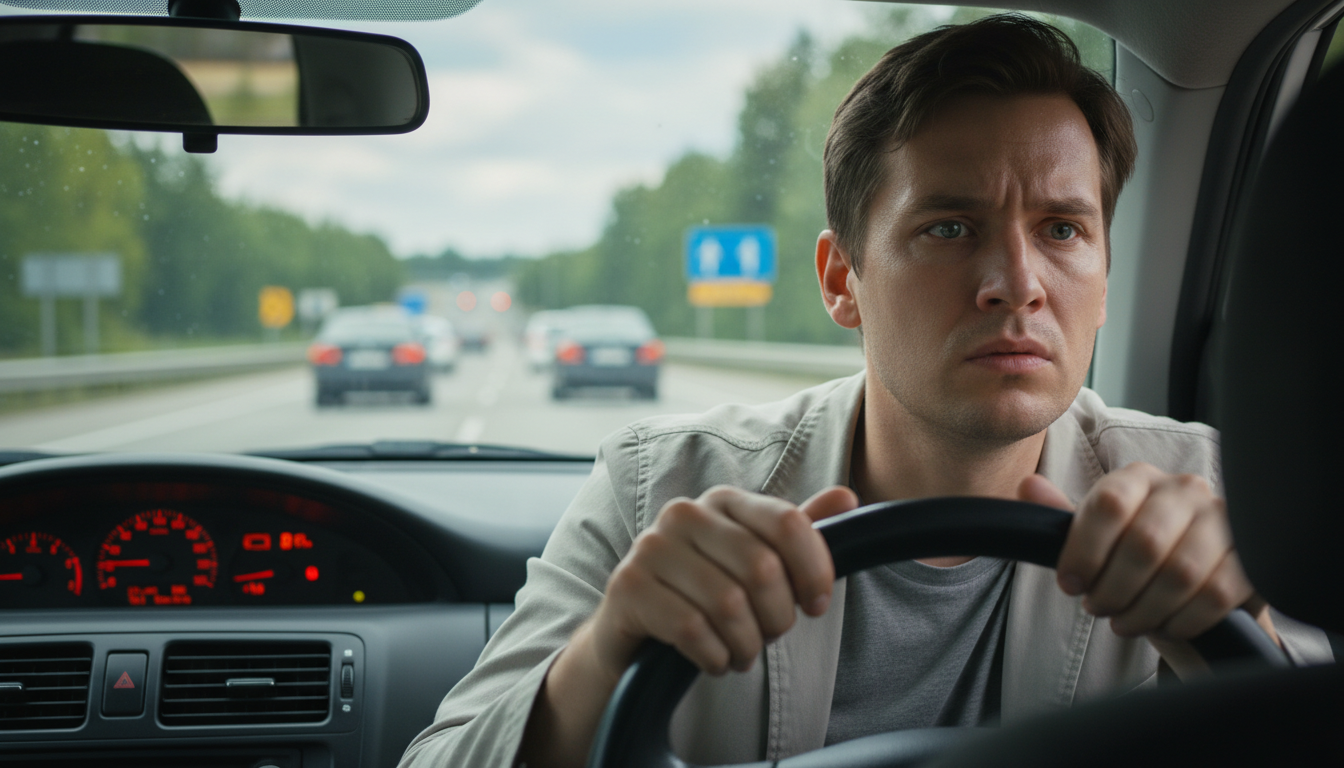
Many of us feel scared when we drive. Medical News Today says this feeling isn’t officially called anything in the DSM-5-TR.
But, it might be a phobia for some. These worries can really limit how free you feel and where you can go.
Driving should be easy. But, just thinking about merging on a highway can make your stomach hurt. This stress can mess up your job and social life too.
We have a guide to help you understand why you feel this way. By tackling anxiety while driving, we can find safer ways to move around.
We want to give you practical tools to feel safe and in charge again. We’ll talk about why you might feel this way and what you can do about it. Let’s help you get your independence back.
Key Takeaways
- Recognize common physical and mental signs.
- Understand how phobias relate to this condition.
- Evaluate the impact on your daily mobility.
- Explore the root causes of vehicular fear.
- Learn about effective professional treatment options.
- Discover tools to build road confidence.
Understanding Driving Anxiety and Its Impact on Our Lives
For many, driving can feel scary because of driving anxiety. It’s more than just feeling a little nervous. It can make simple tasks hard, like going to work or shopping.
We need to know what driving anxiety is and how it affects people. Amaxophobia, or the fear of driving, is what we call it. It’s a big problem worldwide, says Virtual CBT Psychotherapy.
What Driving Anxiety Really Means
Driving anxiety is not just feeling a bit scared. It’s a deep fear that makes people not want to drive. This fear can come from many things, like bad experiences or feeling like you’re losing control.
It’s important to find out why someone has driving anxiety. Knowing the cause helps us find ways to deal with it.
How Common Is Anxiety While Driving
Many people feel anxious when driving. Studies show that a lot of folks have some level of driving anxiety. It can be mild or very serious, affecting daily life.
Knowing how common driving anxiety is helps us support those who have it. Talking about it openly can help create a supportive space for them.
The Difference Between Normal Nervousness and Driving Phobia
It’s okay to feel a bit nervous when driving, especially in busy places. But driving anxiety, or amaxophobia, is different. It’s a strong, lasting fear that can make people avoid driving.
Telling the difference between normal nerves and a driving phobia is key. If driving anxiety is really affecting your life, it’s time to get help and find ways to manage it.
Recognizing Driving Anxiety Symptoms
Driving anxiety shows up in many ways. It’s key to know its signs. This helps us start to deal with it better.
Physical Symptoms We Experience Behind the Wheel
Physical signs of driving anxiety are clear and quick. They show how our body reacts.
Cardiovascular Responses
Our heart beats faster when we’re anxious about driving. This is our body’s way of getting ready for danger.
Respiratory Changes
Our breathing changes too. We might breathe fast or shallow. This can make us feel dizzy.
Muscle Tension and Trembling
Our muscles get tight, especially in our shoulders and hands. This can make us shake, making it hard to drive.
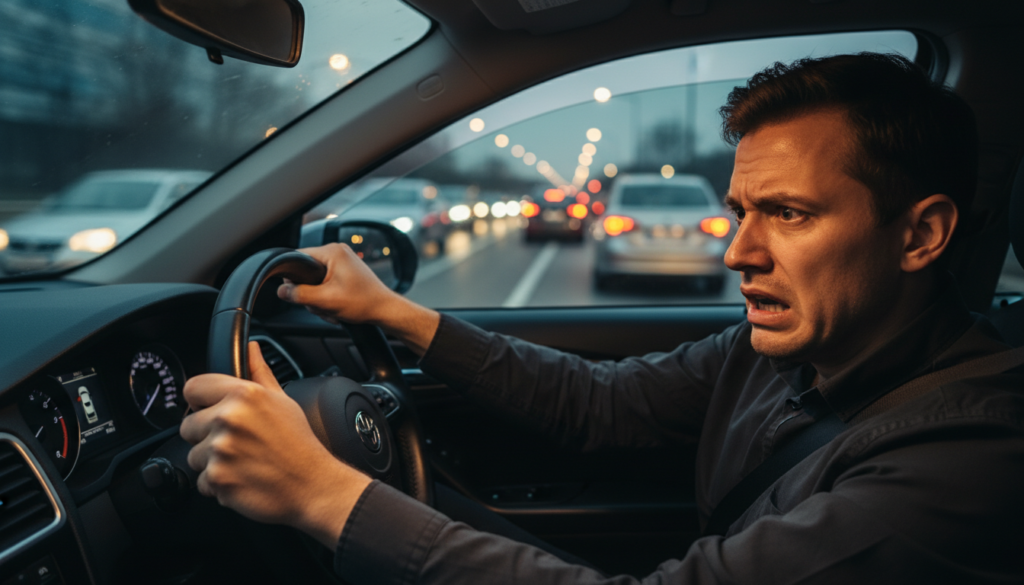
Emotional and Psychological Symptoms
Driving anxiety also affects our feelings and mind. These effects can make driving hard and scary.
Panic and Overwhelming Fear
Feeling very scared or panicked while driving is common. It can happen for no reason or because of something specific.
Intrusive Thoughts and Catastrophizing
Thinking about bad things happening while driving is another symptom. These thoughts can make us imagine the worst, making anxiety worse.
Behavioral Symptoms and Avoidance Patterns
Driving anxiety can change how we act. We might avoid driving or prefer to be a passenger.
- Avoiding certain routes or driving situations
- Preferring to be a passenger rather than the driver
- Postponing or canceling plans that involve driving
For more info on driving anxiety, check out Medical News Today. Knowing these symptoms helps us find ways to manage our anxiety and feel better.
Identifying the Root Causes of Fear of Driving
Understanding why we fear driving is key to beating it. By knowing what scares us, we can tackle our anxiety better. We can then find ways to feel more confident when driving.
Past Traumatic Experiences on the Road
Scary events while driving can make us anxious. A bad car accident or a frightening moment can make us very cautious. This can turn into a driving phobia, making us anxious just thinking about driving.
For example, a car accident can make us nervous when we hear screeching tires. Seeing a similar accident scene can also make us anxious. It’s important to face these fears and get help to overcome them.
Generalized Anxiety Disorder and Driving
People with generalized anxiety disorder (GAD) often worry more about driving. They might worry about safety, getting lost, or what others think. This makes driving seem too hard and adds to their anxiety.
GAD affects people differently. Some worry about specific situations like highway driving. Others worry about driving in general. Knowing how GAD affects us can help us find better ways to cope.
Fear of Losing Control
Feeling like we might lose control while driving is common. This fear comes from worrying about not being able to handle unexpected situations. Driving requires us to stay alert and ready to react, which can be stressful.
To deal with this fear, we can improve our driving skills. Taking defensive driving courses or practicing in a safe place can help. For more tips on managing anxiety, visit https://workshiftanxiety.com/.
Social Anxiety and Driving Performance Pressure
Social anxiety can also make driving scary. We might worry about being judged or not doing well. The pressure to drive well, especially in busy areas, can make us stressed.
Some situations that might make us anxious include:
- Driving in heavy traffic or construction zones
- Interacting with aggressive drivers
- Parking in crowded or unfamiliar areas
By facing these challenges and finding ways to manage our social anxiety, we can feel more at ease while driving.

Assessing Your Personal Anxiety Triggers
The first step to overcoming driving anxiety is to know what scares us. By figuring out what makes us afraid, we can find ways to deal with it.
Creating Our Anxiety Trigger Journal
Keeping an anxiety trigger journal helps us find what scares us while driving. We write down our thoughts and feelings when we feel anxious. This helps us see patterns and what usually makes us scared.
For a good journal, write down when and where you felt scared. Note your physical feelings like a fast heart. Also, write how you felt, like scared or worried. This journal will show us what makes us anxious while driving.
Specific Situations That Intensify Our Fear
Some driving situations make us more anxious. Knowing these can help us get ready and find ways to feel better.
Highway and High-Speed Driving
Driving fast or on highways can be scary. It feels overwhelming. To feel better, try deep breathing while driving.
Heavy Traffic and Urban Environments
Driving in busy cities or heavy traffic is hard. It makes us feel like we need to be very alert. To feel less anxious, focus on the now and use techniques to stay calm.
Bridges, Tunnels, and Unfamiliar Routes
Driving over bridges, through tunnels, or new places can also scare us. The unknown makes us feel unsure. To feel better, think about the route beforehand and have a plan.
By knowing what scares us and what situations make it worse, we can manage our driving anxiety better. This helps us find ways to feel less scared and more in control.
Immediate Coping Strategies for Dealing with Fear While Driving
Driving anxiety can be scary. But, we can handle it with quick strategies. These help us calm down and feel safe.
Breathing Techniques We Can Use Behind the Wheel
Controlled breathing is key to managing driving anxiety. It calms our nerves and reduces panic.
The 4-7-8 Breathing Method
The “relaxation breath” is a great method. Breathe in for 4, hold for 7, and out for 8. It slows your heart and relaxes you.
Box Breathing for Anxiety Management
Box breathing is another helpful technique. Breathe in for 4, hold for 4, out for 4, and hold again for 4. It brings balance and calm.
Grounding Exercises to Stay Present
Grounding exercises keep us focused on driving. Notice your hands on the wheel, feet on pedals, and sounds around you.
Physical Techniques to Reduce Tension
Physical tension makes driving anxiety worse. Relax your shoulders, unclench your jaw, and breathe deeply. It helps you feel calm.
Using Positive Self-Talk and Affirmations
Positive self-talk is important. Say things like “I am capable and safe.” It boosts your confidence and control.
Using these strategies can make you a more confident driver. They help you manage driving anxiety better.
Long-Term Strategies for Overcoming Driving Anxiety
Long-term strategies can help you beat your fear of driving. They need time and effort but can really help.
Gradual Exposure Therapy We Can Practice
Gradual exposure therapy is a great way to fight driving anxiety. It means facing your fears little by little.
Starting with Short, Familiar Routes
Start with short, easy routes that don’t scare you much. Driving in places you know helps you feel braver as you get better.
Progressively Challenging Ourselves
When you feel more comfortable, try harder driving tasks. This could be driving on busier roads or in different weather.
Cognitive Behavioral Techniques for Anxiety Management
Cognitive Behavioral Therapy (CBT) is also helpful. It helps you change negative thoughts that make you anxious.
CBT teaches you to see driving in a new light. You learn to notice your thoughts, challenge bad ones, and think more positively.
Working with Professional Support
Getting help from experts is key for many. They offer advice, support, and plans just for you.
When to Consider Therapy
If driving anxiety really holds you back, think about therapy. A therapist can find the root of your anxiety and help you make a plan to fix it.
Driving Rehabilitation Programs
Driving rehab programs help you feel confident again. They mix driving lessons, brain training, and counseling.
Building Confidence Through Defensive Driving Courses
Defensive driving courses also help. They teach you how to drive safely and make you feel more in control.
These courses improve your driving skills and make you less anxious. They teach you to be more aware and safe on the road.
Conclusion
Driving anxiety is a big challenge. But, we can learn to handle it. By knowing the signs and finding the causes, we can feel better on the road.
We’ve talked about many ways to deal with driving anxiety. From quick fixes like deep breathing to longer plans like facing our fears slowly. These steps help us feel more at ease while driving.
Getting help from experts and taking defensive driving classes can also help. These actions make driving safer for all of us.
We urge you to start working on feeling more confident while driving. With effort and the right help, you can beat driving anxiety.