

The fear of relationships, sometimes called philophobia, affects countless people across all walks of life. It’s not a personal failing or weakness. Rather, it’s a common human experience rooted in our past experiences, attachment patterns, and deeply held beliefs about ourselves and others.
This fear can manifest in different ways for different people. Some avoid dating altogether. Others enter relationships but sabotage them when things get too close. Still others cycle through superficial connections, never allowing themselves to truly open up. Regardless of how it shows up, the fear of relationships can leave you feeling lonely, frustrated, and disconnected from the meaningful bonds you truly desire.
The good news? Understanding where this fear comes from and learning practical strategies to work through it can transform your ability to build the healthy, fulfilling relationships you deserve. This isn’t about forcing yourself into uncomfortable situations or “just getting over it.” It’s about compassionate self-exploration, small brave steps, and developing new patterns that serve your well-being.
In this comprehensive guide, we’ll explore the roots of relationship fear, help you recognize its signs in your own life, and provide actionable strategies for moving toward greater connection and intimacy. Whether you’re struggling with this fear yourself or supporting someone who is, you’ll find the insights and tools you need here.
What Is Fear of Relationships?
Fear of relationships is more than just nervousness about dating or occasional relationship doubts. It’s a persistent, often overwhelming anxiety about forming or maintaining close emotional bonds with others. This fear can affect romantic relationships, friendships, and even family connections.
At its core, the fear of relationships involves an intense discomfort with vulnerability and emotional intimacy. People experience this fear as a protective mechanism—their mind and body trying to shield them from potential hurt, rejection, or loss. Unfortunately, this protection comes at a cost: isolation from the very connection that humans need to thrive.
What Fear of Relationships Includes
- Intense anxiety when relationships deepen
- Difficulty trusting others with your feelings
- Avoidance of commitment or serious relationships
- Physical symptoms like panic when facing intimacy
- Persistent beliefs that relationships will fail
- Emotional distancing even with people you care about
What It’s Not
- Normal relationship jitters or butterflies
- Taking time to choose partners carefully
- Having standards or boundaries
- Needing space in relationships
- Being introverted or enjoying solitude
- Going through a temporary rough patch
It’s important to understand that fear of relationships exists on a spectrum. Some people experience mild discomfort that they can work through independently. Others face severe anxiety that significantly impacts their quality of life and ability to connect with others. Where you fall on this spectrum can change over time and circumstances.
The fear of relationships often operates below conscious awareness. You might not realize you’re afraid—you may just notice patterns of choosing unavailable partners, ending relationships when they get serious, or feeling inexplicably anxious when someone expresses deep feelings for you. Recognizing these patterns is the first step toward understanding and healing.
Where Does Fear of Relationships Come From?
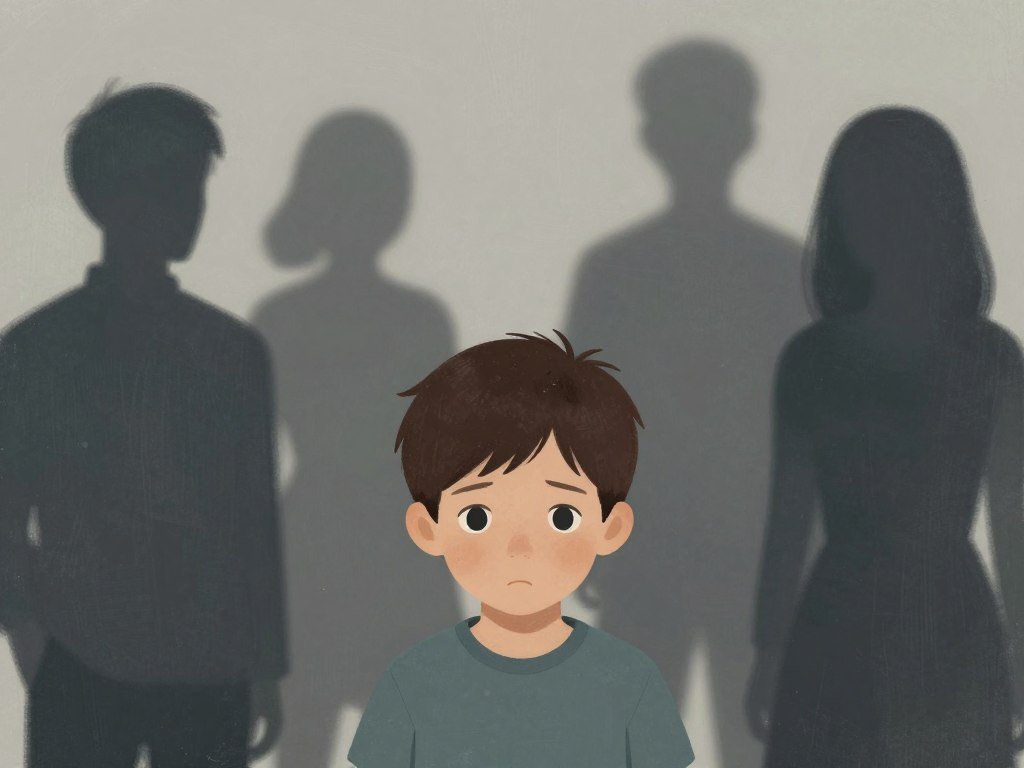
Understanding the roots of your fear can be incredibly empowering. When you recognize where these feelings come from, they lose some of their mysterious power over you. The fear of relationships rarely appears out of nowhere—it develops through our experiences, especially those that shape how we view ourselves and others.
Past Trauma and Heartbreak
One of the most common causes of relationship fear is having experienced significant emotional pain in the past. When relationships have hurt us deeply, our brain learns to associate intimacy with danger. This creates a protective response designed to keep us safe from future harm.
Past trauma that can contribute to fear of relationships includes:
- A painful breakup or divorce that left deep emotional scars
- Being betrayed, cheated on, or deceived by someone you trusted
- Emotional, physical, or sexual abuse in previous relationships
- Witnessing domestic violence or toxic relationships growing up
- Experiencing the sudden loss of a loved one through death or abandonment
- Repeated rejection or criticism that damaged your self-worth
These experiences teach our nervous system that opening our heart is dangerous. Even when we consciously want connection, our body remembers the pain and triggers fear responses to protect us. This isn’t weakness—it’s your brain doing its job, albeit in a way that no longer serves you.
Childhood Experiences and Attachment Wounds
The relationships we have with our earliest caregivers create templates for how we relate to others throughout life. When these early relationships were unstable, unpredictable, or emotionally unavailable, we may develop what psychologists call “insecure attachment patterns.”
Understanding Attachment Styles: Children who grow up with consistent, responsive caregiving typically develop secure attachment. Those who experience neglect, inconsistency, or enmeshment often develop anxious or avoidant attachment styles that make adult intimacy challenging.
Childhood experiences that can lead to fear of relationships in adulthood include:
- Growing up with emotionally distant or unavailable parents
- Experiencing neglect or having basic emotional needs consistently unmet
- Living in a chaotic or unpredictable home environment
- Being raised by a parent with mental illness or substance use issues
- Losing a parent through death, divorce, or abandonment
- Growing up in an enmeshed family where boundaries were unclear
- Being parentified—forced to take care of adults or siblings as a child
- Experiencing criticism, ridicule, or conditional love
These early experiences don’t doom you to a lifetime of relationship difficulties. However, they do create patterns that require conscious work to change. Many people find that understanding their attachment history helps them make sense of relationship patterns they’ve struggled with for years.
Fear of Vulnerability and Intimacy
At the heart of many relationship fears lies a deeper fear: the fear of being truly seen. Vulnerability means allowing someone to see your authentic self—imperfections, insecurities, needs, and all. For many, this feels like standing emotionally naked in front of another person, exposed to potential judgment or rejection.
This fear often stems from experiences where vulnerability led to pain. Perhaps you opened up to someone who used that information against you. Maybe you expressed needs that were dismissed or mocked. These experiences teach us that showing our true selves is dangerous, so we hide behind walls even as we long for connection.
Low Self-Esteem and Feelings of Unworthiness
How you feel about yourself profoundly affects your comfort with relationships. When you struggle with low self-esteem, you may believe deep down that you’re unlovable or unworthy of a healthy relationship. This belief can manifest as fear in several ways.
People with low self-esteem often fear that:
- If someone really knew them, they’d leave
- They don’t deserve love or happiness
- Their partner will eventually discover they’re “not good enough”
- Any relationship they’re in will inevitably fail
- They have nothing valuable to offer in a partnership
Paradoxically, this fear can become self-fulfilling. When you believe you’re unworthy, you might sabotage relationships, choose partners who treat you poorly, or pull away from people who genuinely care about you—all in an unconscious attempt to confirm your negative beliefs about yourself.
Social Anxiety and Other Mental Health Conditions
For some people, fear of relationships is connected to broader anxiety disorders. Social anxiety disorder, for example, involves intense fear of social situations and others’ judgment. When this extends to intimate relationships, it can create overwhelming fear about being evaluated, criticized, or rejected by a partner.
Other mental health conditions that may contribute to relationship fear include:
- Generalized anxiety disorder creating constant worry about relationships
- Depression affecting self-worth and ability to connect
- Post-traumatic stress disorder from relationship trauma
- Obsessive-compulsive disorder focused on relationship doubts
- Avoidant personality disorder involving fear of rejection
If your fear of relationships is significantly impacting your life and well-being, it’s worth exploring whether an underlying mental health condition might be contributing. Professional support can address both the condition and the relationship fears simultaneously.
Cultural and Societal Influences
The culture and society we grow up in also shape our relationship fears. Messages about gender roles, what makes someone “worthy” of love, or warnings about trusting others can all contribute to anxiety about relationships. Some people experience fear related to their identity—such as LGBTQ+ individuals who grew up in environments that didn’t accept them—making authentic intimacy feel dangerous.
Additionally, living in an era of constant choice and comparison through social media can fuel fear. When we’re bombarded with idealized relationship images and messages about “settling,” it can become paralyzing to commit, always wondering if something better might be out there.
Recognizing the Signs: Do You Have Fear of Relationships?

Fear of relationships can be subtle, often disguising itself as preference, bad luck, or rational choice. You might tell yourself you just haven’t met the right person, or that you’re too busy for a relationship right now. While these things can be true, they can also be the stories we tell ourselves to avoid confronting deeper fears.
Understanding the behavioral, emotional, and cognitive signs can help you recognize whether fear is driving your relationship patterns. Remember, identifying with some of these signs doesn’t mean anything is wrong with you—it simply means you have an opportunity for growth and healing.
Behavioral Signs of Fear of Relationships
Our behaviors often reveal our inner fears before we consciously recognize them. These patterns might feel like “just how you are,” but they’re actually protective strategies your psyche has developed.
Avoidance Patterns
- Consistently avoiding dating or making excuses not to meet people
- Only pursuing people who are unavailable or emotionally distant
- Keeping potential partners at arm’s length emotionally
- Finding reasons to stay busy and avoid quality time with partners
- Declining to introduce partners to important people in your life
Sabotage Patterns
- Starting arguments or creating drama when relationships get serious
- Ending relationships abruptly when someone gets too close
- Cheating or engaging in behaviors that damage the relationship
- Becoming overly critical or nitpicking a partner’s flaws
- Creating tests or traps that set the relationship up to fail
Another common behavioral pattern is serial dating—having many short-term relationships that never deepen. You might feel comfortable in the early stages when things are light and fun, but as soon as real intimacy develops, you find a reason to leave. This pattern allows you to experience some connection while avoiding the vulnerability that deeper relationships require.
Physical avoidance is also telling. People with fear of relationships may struggle with physical affection, pulling away from hugs, holding hands, or other forms of touch. Or conversely, they might engage in physical intimacy without emotional connection, keeping sex separate from genuine vulnerability.
Emotional Signs of Relationship Fear
The emotional landscape of someone fearing relationships is often characterized by anxiety, discomfort, and conflicting feelings. You might feel like you’re being pulled in opposite directions—desperately wanting connection while simultaneously feeling panicked by it.
Common emotional experiences include:
- Intense anxiety when someone expresses deep feelings for you
- Feeling trapped, suffocated, or panicked as relationships deepen
- Overwhelming dread at the thought of commitment
- Difficulty expressing or even identifying your own emotions
- Numbness or emotional distance even with people you care about
- Constant worry about the relationship ending
- Feeling undeserving when someone treats you well
- Relief when relationships end, followed by loneliness and regret
Many people experience what feels like a war within themselves. Part of you desperately wants the intimacy and connection you see others enjoying. Another part feels terrified at the prospect, seeing only danger and potential pain. This internal conflict can be exhausting and confusing.
Cognitive Signs: How Fear Shows Up in Your Thoughts
Our thoughts both reflect and reinforce our fears. People with relationship fear often have characteristic thought patterns that maintain their anxiety and avoidance.
Common Thought Patterns: “Everyone leaves eventually.” “I’m better off alone.” “If they really knew me, they’d reject me.” “I don’t know how to do relationships.” “All relationships end badly.” “I’m too damaged for love.”
These thoughts often operate as background assumptions—beliefs you might not even realize you hold until you examine them closely. They color how you interpret others’ actions and predict relationship outcomes.
Other cognitive signs include:
- Catastrophizing—always imagining worst-case relationship scenarios
- Black-and-white thinking—seeing relationships as either perfect or doomed
- Mind-reading—assuming you know what others think without asking
- Excessive analyzing of your feelings and the relationship
- Comparing your relationship negatively to idealized versions
- Ruminating endlessly about whether this is “the right” relationship
- Focusing obsessively on your partner’s flaws or incompatibilities
These thought patterns aren’t facts—they’re interpretations shaped by fear. Learning to recognize and challenge them is an important part of overcoming relationship anxiety.
Physical Symptoms of Relationship Anxiety
Because fear is a physiological response, many people experience physical symptoms when confronting intimacy. Your body’s stress response system activates as if you’re facing actual danger, even though the “threat” is emotional connection.
Physical manifestations might include:
- Racing heart or palpitations when discussing commitment
- Difficulty breathing or feeling of tightness in the chest
- Nausea or stomach discomfort in intimate moments
- Sweating, trembling, or feeling shaky around deep conversations
- Tension headaches or muscle tightness
- Insomnia or nightmares about relationships
- Panic attacks triggered by relationship situations
These physical responses are your nervous system’s way of signaling perceived danger. They’re not under your conscious control, but they can be addressed through work that helps your body learn that intimacy is safe.
Impact on Daily Life and Well-Being
Beyond specific symptoms, fear of relationships affects overall quality of life. Many people feel like they’re watching from the sidelines as others build partnerships, families, and deep connections. This can lead to profound loneliness, even when you’re surrounded by people.
The fear may also affect self-esteem, creating a cycle where avoiding relationships makes you feel worse about yourself, which reinforces the fear. It can impact work, friendships, and family relationships too, since the difficulty with vulnerability and trust isn’t limited to romantic connections.
If you’re recognizing yourself in these descriptions, take heart. Recognition is the beginning of change. Understanding your patterns is the first step toward developing new, healthier ways of relating that allow you to experience the connection you desire.
Different Types of Relationship Fear
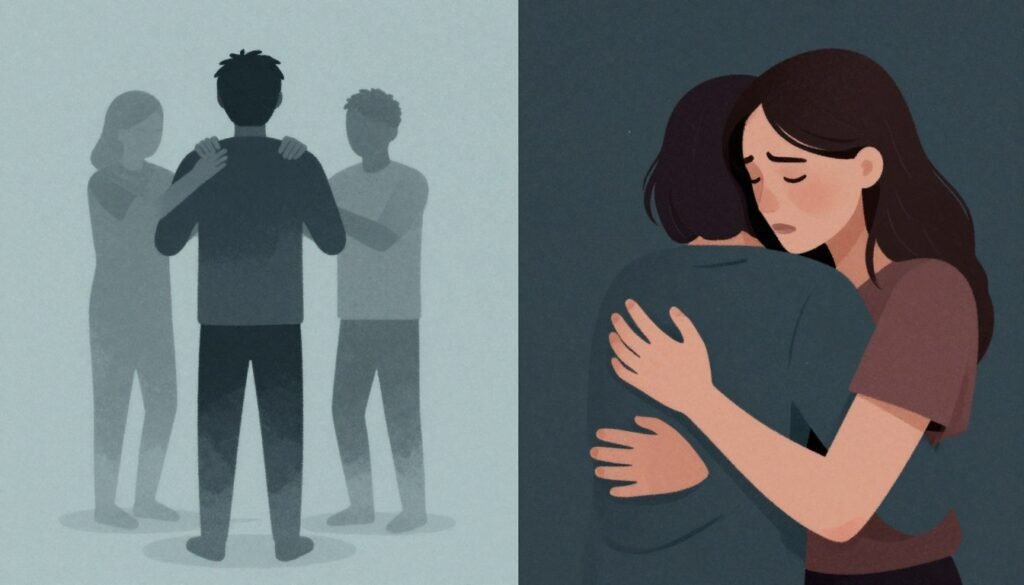
Not everyone fears relationships in the same way. The specific type of fear you experience depends on your unique history, attachment style, and core beliefs. Understanding which fears resonate most with you can help you address them more effectively.
Fear of Abandonment
If you have a fear of abandonment, your primary anxiety centers on the belief that people you love will eventually leave you. This fear often stems from early experiences of loss, inconsistent caregiving, or actual abandonment by important figures in your life.
People with abandonment fear often:
- Become anxious when partners need space or independence
- Constantly seek reassurance that the relationship is secure
- Interpret normal relationship fluctuations as signs of impending breakup
- Become clingy or overly accommodating to prevent abandonment
- Test partners to see if they’ll stay during difficult times
- Experience intense jealousy or possessiveness
Paradoxically, this fear can push partners away through constant need for reassurance and anxiety-driven behaviors, creating the very outcome you dread most. Breaking this pattern requires learning to trust that you’re worthy of staying, and that people can leave and return without the relationship being over.
Fear of Engulfment
The opposite of abandonment fear is engulfment fear—the anxiety that getting too close to someone will cause you to lose yourself, your independence, or your identity. This fear often develops in families where boundaries were poor, where a parent was overly controlling, or where you witnessed someone losing themselves in an unhealthy relationship.
Signs of engulfment fear include:
- Feeling suffocated or trapped when relationships get serious
- Intense need for space and independence
- Fear that commitment means losing your freedom
- Difficulty allowing partners into your personal space or routine
- Withdrawal when partners want more time or closeness
- Prioritizing independence even at the cost of intimacy
People with engulfment fear often oscillate between wanting connection and needing distance. This can be confusing for partners, who may feel like they’re getting mixed signals. The key is learning that healthy relationships include both togetherness and autonomy—you don’t have to choose one or the other.
Fear of Rejection
Fear of rejection centers on anxiety about not being accepted, valued, or chosen by others. This fear usually stems from experiences of repeated rejection, criticism, or feeling like you were never quite good enough to earn love and acceptance.
This fear manifests as:
- Avoiding putting yourself out there or initiating relationships
- Extreme people-pleasing to avoid potential rejection
- Hiding your authentic self to be more “acceptable”
- Interpreting neutral behaviors as rejection
- Protecting yourself by rejecting others first
- Difficulty accepting compliments or believing someone could truly like you
The fear of rejection is closely tied to self-worth. When you believe you’re inherently unlovable or flawed, any potential rejection confirms this belief. Learning to value yourself independently of others’ approval is essential for overcoming this fear.
Fear of Vulnerability
This fear specifically involves anxiety about opening up emotionally, sharing your inner world, and letting someone truly see you. It’s rooted in shame, past betrayals, or experiences where vulnerability led to pain or exploitation.
You might have this fear if you:
- Keep conversations surface-level even in close relationships
- Struggle to express needs, wants, or feelings
- Feel exposed or unsafe when someone asks personal questions
- Use humor, deflection, or intellectualizing to avoid emotional topics
- Share physical intimacy more easily than emotional intimacy
- Feel terrified someone will use your openness against you
Vulnerability is the gateway to genuine intimacy. Without it, relationships remain shallow and unsatisfying. But learning to be vulnerable again after it’s been weaponized against you requires tremendous courage and often professional support.
Fear of Commitment
Commitment fear involves anxiety about the permanence and exclusivity of relationships. It’s often about fearing you’ll make the wrong choice, lose opportunities, or be trapped in something that doesn’t work out.
This manifests through:
- Avoiding defining relationships or using labels
- Keeping options open even when in a good relationship
- Anxiety about future-oriented plans (moving in, marriage, etc.)
- Comparing your partner to idealized versions or other possibilities
- Staying in the early dating phase indefinitely
- Breaking up when partners ask for commitment
In our culture of endless choice, commitment fear has become increasingly common. The paradox is that avoiding commitment prevents you from experiencing the depth of connection that only develops through long-term dedication to growth together.
How to Overcome Fear of Relationships: Practical Strategies

Understanding your fear is essential, but understanding alone rarely creates change. Overcoming fear of relationships requires action—small, consistent steps toward greater openness, vulnerability, and connection. The work isn’t about eliminating fear entirely but learning to move forward despite it.
These strategies are designed to help you gradually build capacity for intimacy while respecting your pace and boundaries. There’s no rushing this process. Healing happens layer by layer, and each small step forward matters.
Start With Self-Awareness and Self-Compassion
Before you can change relationship patterns, you need to understand them without judgment. This means getting curious about your fear rather than criticizing yourself for having it.
Self-Awareness Practices
- Journal about relationship patterns and triggers
- Notice when fear arises and what situation triggered it
- Identify the beliefs underlying your fear
- Track your emotional and physical responses to intimacy
- Explore your attachment history and early experiences
Self-Compassion Practices
- Speak to yourself as you would a dear friend
- Acknowledge that fear makes sense given your experiences
- Celebrate small acts of courage, not just outcomes
- Allow yourself to move at your own pace
- Recognize that everyone struggles with vulnerability
Self-compassion is not self-indulgence or making excuses. It’s acknowledging your humanity and treating yourself with the kindness you deserve. Research shows that self-compassion actually increases motivation for positive change while reducing the shame that keeps people stuck.
Challenge Negative Thoughts and Beliefs
Your thoughts about relationships significantly influence your feelings and behaviors. Many of these thoughts are automatic, having run in the background for so long you don’t question them. Cognitive work involves bringing these thoughts into awareness and examining whether they’re actually true.
Steps for challenging relationship fears:
- Identify the thought: Notice specific fearful thoughts like “I’ll be abandoned” or “I’m not lovable.”
- Examine the evidence: What actual evidence supports this thought? What evidence contradicts it?
- Consider alternative perspectives: What else could be true? How would someone else view this situation?
- Develop balanced thoughts: Create more realistic thoughts that acknowledge both possibilities and uncertainties.
- Test the new thoughts: Act as if the new thought is true and notice what happens.
For example, if you think “All relationships end in pain,” examine this. Is it literally true that all relationships end painfully? Have you had any positive relationship experiences, even if they ended? Could there be relationships that bring more joy than pain? What would you need to believe to try again?
This isn’t about positive thinking or pretending fear doesn’t exist. It’s about seeing your thoughts as hypotheses to be tested rather than absolute truths.
Build Emotional Regulation Skills
Much of relationship fear lives in the body, not just the mind. When anxiety arises, it triggers physical stress responses that feel overwhelming. Learning to regulate these responses gives you more capacity to stay present in intimate moments rather than fleeing.
Effective regulation strategies include:
- Deep breathing exercises that activate the parasympathetic nervous system
- Progressive muscle relaxation to release physical tension
- Mindfulness meditation to observe emotions without being consumed by them
- Grounding techniques that bring you into the present moment
- Movement practices like yoga or walking to process emotional energy
- Creative expression through art, music, or writing
These tools don’t eliminate fear, but they help you tolerate discomfort long enough to work through it. Over time, practicing regulation during low-stakes situations builds capacity for managing anxiety in more challenging relationship moments.
Take Small, Gradual Steps Toward Intimacy
You don’t overcome fear of relationships by forcing yourself into intense intimacy before you’re ready. That’s likely to reinforce fear rather than reduce it. Instead, use gradual exposure—small, manageable steps toward connection that stretch your comfort zone without overwhelming you.
Early Steps
- Practice small talk with acquaintances
- Share low-risk personal information
- Attend social events even if briefly
- Make eye contact during conversations
- Accept compliments without deflecting
Intermediate Steps
- Share deeper thoughts and feelings with friends
- Go on casual dates without pressure
- Practice asking for what you need
- Allow others to support you
- Stay present when conversations get personal
Advanced Steps
- Discuss relationship intentions and feelings
- Share vulnerable emotions with a partner
- Work through conflicts instead of fleeing
- Commit to deeper connection
- Introduce partners to important people
The key is to move at a pace that challenges you slightly but doesn’t trigger overwhelming fear. Think of it like gradually getting into cold water rather than jumping in all at once. Each small success builds confidence and expands your window of tolerance for intimacy.
Communicate Your Fears With Trusted People
One of the most powerful ways to reduce relationship fear is to share it with people you’re building relationships with. This might seem counterintuitive—won’t telling someone you’re afraid push them away? Often the opposite happens. Vulnerability invites connection, and sharing your fear demonstrates the very courage intimacy requires.
Ways to communicate about your fear:
- “I really like you, and I also feel scared when relationships get close. I want you to know I’m working on this.”
- “Sometimes I pull away when I’m feeling anxious. It’s not about you—it’s a pattern I’m trying to change.”
- “I have some fears about relationships because of past experiences. I might need patience as I learn to trust again.”
- “Can we take things slowly? I’m learning to be comfortable with intimacy and don’t want to rush.”
The right people will respond with understanding and support. If someone responds with judgment or impatience, they may not be the right partner for this phase of your journey. You deserve to work with people who can meet you where you are.
Work on Building Secure Attachment
Your attachment style isn’t fixed forever. Even if you developed insecure attachment in childhood, you can earn secure attachment through new, healthy relationship experiences and intentional work. Secure attachment is characterized by comfort with both intimacy and independence—you can be close without losing yourself and separate without feeling abandoned.
Building secure attachment involves:
- Choosing partners who demonstrate consistent, reliable behavior
- Developing friendships with securely attached people who model healthy relating
- Learning to identify and communicate your needs clearly
- Practicing trust by allowing others to show up for you
- Working through ruptures in relationships rather than ending them
- Developing a felt sense that you’re worthy of love and capable of giving it
This work often requires time and support, but it fundamentally changes how you experience relationships. When you develop secure attachment, relationships feel less threatening and more like sources of comfort and growth.
Develop Healthy Boundaries
Boundaries aren’t walls that keep people out—they’re guidelines that allow sustainable closeness. Many people with relationship fear struggle with boundaries, either having walls so high nothing gets through or boundaries so porous they feel overwhelmed and engulfed.
Healthy boundaries include:
- Knowing where you end and others begin emotionally
- Being able to say no without excessive guilt
- Asking for what you need
- Respecting others’ boundaries without taking them personally
- Maintaining your interests, friendships, and identity within relationships
- Recognizing that disagreement or space doesn’t threaten the relationship
Good boundaries actually enable deeper intimacy because you can be close without fear of losing yourself or being abandoned. They create safety for both people to be authentic.
Practice Staying Present Instead of Catastrophizing
Much relationship anxiety comes from living in an imagined future full of worst-case scenarios. Your mind might constantly run simulations of how things could go wrong, how you might get hurt, or how the relationship might fail. This keeps you from actually experiencing the relationship that’s happening now.
Presence practices include:
- Noticing when your mind drifts to future fears and gently returning to now
- Focusing on actual behaviors and words rather than imagined meanings
- Asking yourself “What is actually happening right now?” when anxiety rises
- Savoring positive moments rather than waiting for the other shoe to drop
- Engaging your senses to ground yourself in the present
This doesn’t mean ignoring legitimate concerns or red flags. It means distinguishing between real, present-moment information and anxiety-driven future projections. Most of what you fear never actually happens.
When and How to Seek Professional Help

While self-help strategies can create meaningful change, many people find that overcoming fear of relationships requires professional support. There’s no shame in seeking therapy—in fact, it demonstrates strength and commitment to your well-being and future relationships.
Signs You Might Benefit From Therapy
Consider reaching out to a mental health professional if:
- Your fear of relationships significantly impacts your quality of life
- You’ve tried self-help approaches but still feel stuck
- Your fear stems from significant trauma or abuse
- You experience panic attacks or severe physical symptoms
- Relationship patterns are causing repeated pain and loneliness
- You have symptoms of depression, anxiety, or other mental health conditions
- You’re sabotaging relationships you genuinely want
- Your fear is affecting work, friendships, or family relationships
Therapy isn’t only for severe cases. Even if your fear is mild, working with a professional can accelerate healing and help you avoid years of struggling alone.
Types of Therapy That Help With Relationship Fear
Different therapeutic approaches offer different pathways to healing. The right approach depends on your specific situation, preferences, and what resonates with you.
Cognitive-Behavioral Therapy (CBT)
CBT helps you identify and change thought patterns that fuel relationship anxiety. It’s structured, goal-oriented, and teaches practical skills for managing fear. CBT is particularly effective for challenge negative beliefs and developing healthier ways of thinking about yourself and relationships.
Attachment-Based Therapy
This approach explores how early relationships shaped your attachment style and helps you develop more secure ways of relating. It focuses on understanding your patterns and creating new experiences of safe connection, often within the therapeutic relationship itself.
Psychodynamic Therapy
Psychodynamic work explores unconscious patterns and unresolved issues from your past that affect current relationships. It helps you understand the deeper roots of your fear and process emotions that may have been buried for years.
EMDR Therapy
Eye Movement Desensitization and Reprocessing (EMDR) is particularly effective if your relationship fear stems from specific traumatic experiences. It helps your brain process and integrate traumatic memories so they no longer trigger the same intense fear responses.
Somatic Therapy
Somatic approaches work directly with the body’s stored trauma and fear responses. Since much of relationship anxiety lives in the nervous system, body-based work can be powerful for learning to feel safe in your own skin and with others.
Couples Therapy
If you’re in a relationship affected by your fear, couples therapy can help both partners understand the dynamics and work together toward healing. A skilled therapist can create safety for you to practice vulnerability in a supportive environment.
Many therapists integrate multiple approaches based on what you need. Don’t feel like you have to choose just one type—effective therapy often draws from various modalities.
Finding the Right Therapist
The therapeutic relationship is one of the most important factors in successful therapy. Finding someone you feel comfortable with, who understands relationship fear, and who you trust can make all the difference.
Tips for finding a therapist:
- Look for therapists who specialize in relationship issues, attachment, or anxiety
- Ask about their approach and experience with relationship fear specifically
- Consider whether you prefer in-person or online therapy
- Don’t be afraid to try multiple therapists to find the right fit
- Trust your gut—if someone doesn’t feel right, it’s okay to move on
- Ask about fees, insurance, and payment options during your first contact
Many therapists offer a free consultation call where you can ask questions and get a sense of whether they’re a good match. Use this opportunity to find someone who makes you feel seen, understood, and hopeful about change.
Ready to Take the Next Step?
If you’re struggling with fear of relationships and ready to explore professional support, connecting with a therapist who specializes in attachment and relationship anxiety can be transformative. You don’t have to navigate this alone—skilled professionals are ready to support you on your journey toward healthier, more fulfilling connections.
Building Self-Trust and Self-Worth

At the foundation of overcoming fear of relationships is developing a solid relationship with yourself. When you trust yourself and recognize your inherent worth, relationships become less threatening. You know that regardless of what happens, you’ll be okay because you have your own back.
Why Self-Worth Matters for Relationships
Your relationship with yourself sets the template for all other relationships. If you believe deep down that you’re unworthy, unlovable, or fundamentally flawed, you’ll struggle to accept genuine love and connection from others. You might sabotage good relationships, choose partners who treat you poorly, or live in constant fear that you’ll be discovered and rejected.
Conversely, when you have a solid sense of self-worth, you:
- Feel deserving of love and respectful treatment
- Can tolerate rejection without it destroying you
- Choose partners based on compatibility rather than desperation
- Set and maintain healthy boundaries
- Recover more quickly from relationship challenges
- Bring your authentic self to relationships rather than a false persona
Self-worth doesn’t mean thinking you’re perfect or better than others. It means recognizing that you have inherent value as a human being, separate from your achievements, appearance, or relationship status. This fundamental worth doesn’t need to be earned—you already have it.
Developing Self-Trust
Self-trust means believing in your ability to handle whatever life brings, including relationship challenges. Many people with relationship fear don’t trust themselves to navigate conflict, set boundaries, choose good partners, or survive heartbreak. This lack of self-trust makes relationships feel dangerous.
Building self-trust involves:
- Keeping commitments to yourself: Do what you say you’ll do, even in small things like keeping workout appointments or following through on personal goals.
- Listening to your intuition: Notice your gut feelings and honor them rather than dismissing or overriding them.
- Making decisions: Practice making choices, even small ones, and trusting yourself to handle the outcomes.
- Learning from experiences: Reflect on past situations where you successfully navigated challenges.
- Setting and maintaining boundaries: Each time you honor a boundary, you prove to yourself that you can protect your well-being.
- Validating your own emotions: Trust that your feelings make sense, even when others don’t understand them.
As you build self-trust, you develop confidence that even if a relationship ends or you get hurt, you have the resources to cope, heal, and thrive. This makes taking relationship risks feel less terrifying.
Self-Compassion Practices
Self-compassion—treating yourself with the same kindness you’d offer a good friend—is essential for healing relationship fear. Many people are incredibly harsh with themselves, constantly criticizing their fears, patterns, or perceived inadequacies. This self-criticism reinforces the belief that you’re not worthy of love.
Daily self-compassion practices include:
- Noticing your inner critic and consciously choosing kinder self-talk
- Placing your hand on your heart and offering yourself words of comfort
- Writing yourself compassionate letters during difficult times
- Acknowledging your pain without trying to immediately fix it
- Remembering that struggle and imperfection are part of being human
- Celebrating your courage for facing fears rather than judging your progress
Research by Dr. Kristin Neff shows that self-compassion doesn’t make you complacent—it actually increases motivation for positive change while reducing anxiety and depression. When you feel safe with yourself, you’re more willing to take healthy risks in relationships.
Separating Your Worth From Relationship Outcomes
One of the most liberating realizations is that your worth isn’t determined by whether someone chooses you, stays with you, or loves you back. Rejection doesn’t mean you’re unworthy—it means that particular connection wasn’t the right fit. This is hard to internalize, but it’s life-changing when you do.
Practice remembering:
- Your worth exists independently of any relationship
- Not every connection is meant to be, and that’s okay
- Someone not choosing you says more about compatibility than value
- You can be wonderful and still not be right for someone
- Relationships ending doesn’t erase your inherent worth
This doesn’t mean relationship outcomes don’t matter or that rejection doesn’t hurt. They do. But when you separate your core worth from relationship results, the hurt is manageable rather than devastating. You can grieve the loss without it confirming negative beliefs about yourself.
10 Practical Daily Strategies to Work Through Relationship Fear

Overcoming fear of relationships isn’t just about big breakthroughs—it’s about consistent small actions that gradually rewire how you feel about connection. Here are ten practices you can start today that, over time, will help you build capacity for healthy intimacy.
1. Practice Mindful Awareness of Your Triggers
Start noticing what specific situations trigger your relationship fear. Is it when someone expresses feelings? When you’re asked about the future? When physical intimacy deepens? Keep a simple log noting what triggered anxiety, how intense it was, and what thoughts or sensations arose.
This practice isn’t about judging yourself for having triggers—it’s about understanding your patterns so you can work with them consciously rather than being controlled by them unconsciously.
2. Use Grounding Techniques When Anxiety Arises
When relationship anxiety hits, grounding techniques can help calm your nervous system in the moment. Try the 5-4-3-2-1 technique: Name five things you can see, four you can touch, three you can hear, two you can smell, and one you can taste. This brings you out of anxious thoughts and into present-moment awareness.
Other quick grounding methods include deep breathing, splashing cold water on your face, or firmly pressing your feet into the ground while noticing the sensation.
3. Journal About Your Relationship History and Patterns
Set aside time weekly to write about your relationship experiences, not with judgment but with curiosity. What patterns do you notice? When did your fear first develop? What beliefs about yourself or relationships keep recurring? What would you like to be different?
Writing creates distance from overwhelming emotions and helps you see patterns you might miss when thoughts just swirl in your mind. Many people experience breakthrough insights through regular journaling.
4. Start Small Social Experiments
Design small, low-risk experiments to practice the behaviors that scare you. If you fear being known, share one personal detail with a friend and notice what happens. If you fear rejection, initiate plans and practice tolerating the possibility someone might decline. If you fear commitment, commit to something small like a series of dates.
Approach these as genuine experiments—you’re gathering data about what actually happens when you face fear, not trying to prove anything. Often you’ll discover that the imagined consequences are far worse than reality.
5. Develop a Morning or Evening Ritual
Create a daily practice that grounds you and reinforces positive intentions. This might include meditation, affirmations, reading something inspiring, or simply sitting quietly with tea. Having a consistent ritual creates stability and reminds you daily of your commitment to growth.
Morning rituals set intention for the day. Evening rituals help you process experiences and rest. Both support the nervous system regulation essential for managing relationship anxiety.
6. Build Your Support Network
You don’t have to overcome fear alone. Identify people in your life who you can talk to about your struggles—friends, family members, support groups, or online communities. Sharing your experience reduces shame and provides perspective during difficult moments.
If you don’t currently have supportive people, consider joining a group therapy setting or support group focused on relationship issues. Connection with others facing similar challenges can be incredibly validating and encouraging.
7. Practice Asking for What You Need
One of the hardest things for people with relationship fear is expressing needs. Start small by asking for minor things—requesting a specific restaurant, asking someone to listen while you process something, or expressing a preference about plans.
Notice that expressing needs doesn’t make people leave. In fact, it often deepens connection because people feel trusted and can show up for you more effectively when they know what you need.
8. Engage in Activities That Build Confidence
Doing things you’re good at or that challenge you in non-relationship ways builds general confidence that carries into relationships. This might be pursuing a hobby, learning a skill, setting fitness goals, or engaging in creative projects. Each accomplishment reminds you of your capability and worth.
When you feel competent and valuable in various life areas, relationships feel like one part of your life rather than the sole determinant of your worth and happiness.
9. Read and Educate Yourself
Learning about attachment theory, relationship dynamics, and the psychology of fear can be incredibly empowering. Understanding that your experiences are common and explicable reduces the sense that something is uniquely wrong with you.
Books, articles, podcasts, and videos by experts in relationships and attachment can provide both information and hope that change is possible.
10. Celebrate Your Progress, No Matter How Small
This journey isn’t linear. Some days you’ll feel brave and open. Other days you’ll want to hide. Both are okay. What matters is that you keep showing up. Acknowledge every moment you face fear—having a vulnerable conversation, staying present when anxious, or simply noticing your patterns with compassion.
Keep a “wins” list where you note moments of growth. On hard days, review this list to remind yourself of how far you’ve come. Progress isn’t about perfection; it’s about consistent effort and self-compassion.
Supporting a Partner With Fear of Relationships
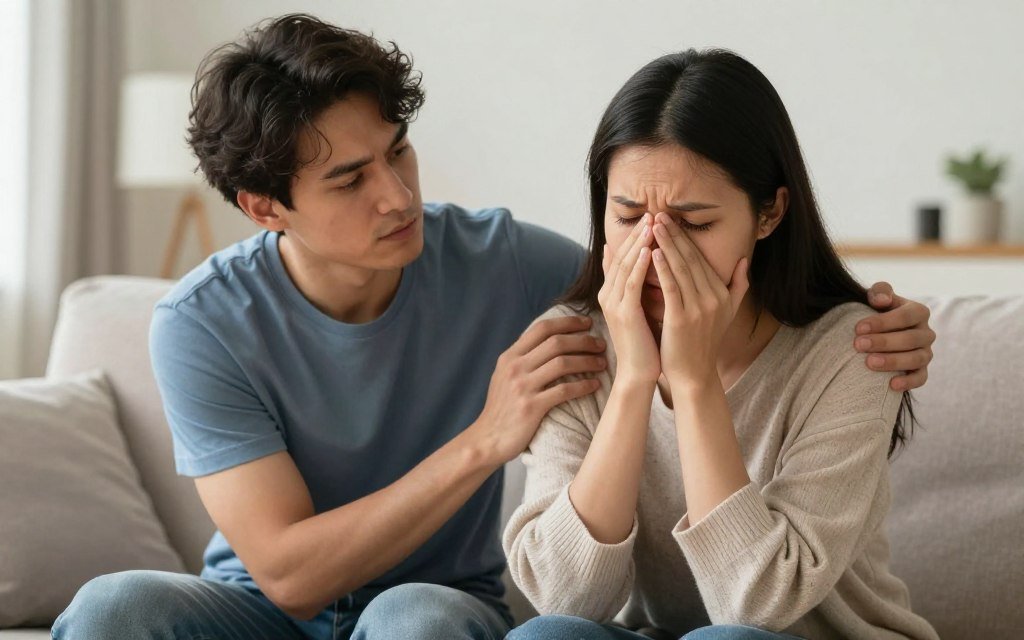
If you’re in a relationship with someone who fears intimacy, you may feel confused, hurt, or frustrated by their behavior. One moment they seem close and engaged; the next, they’re distant and pulling away. Understanding that this pattern stems from fear rather than lack of care can help you respond with compassion rather than taking it personally.
Understanding Their Experience
For someone with relationship fear, getting close to you may trigger their deepest anxieties even though they genuinely care about you. They’re not trying to hurt you—they’re trying to protect themselves from perceived danger. Their withdrawal, need for space, or difficulty with vulnerability aren’t rejections of you; they’re fear responses.
Common experiences for partners of people with relationship fear include:
- Feeling like you’re getting mixed signals or walking on eggshells
- Wondering if they really care or if you should leave
- Feeling hurt when they pull away after moments of closeness
- Confusion about what they need from you
- Frustration that loving them doesn’t seem to be enough
- Questioning your own worth or whether you’re doing something wrong
These feelings are valid. Supporting someone with relationship fear can be challenging, and you’re allowed to acknowledge that difficulty while still choosing to stay and support them.
Ways to Support Your Partner
Supporting someone with fear of relationships requires patience, clear communication, and maintaining your own boundaries and self-care. Here’s how you can help:
Do:
- Be consistent and reliable in your words and actions
- Communicate clearly about your feelings and intentions
- Give them space when needed without interpreting it as rejection
- Encourage them to seek professional help
- Celebrate small steps toward vulnerability
- Ask what they need rather than assuming
- Take care of your own emotional needs
- Set boundaries around behaviors that hurt you
Don’t:
- Take their fear personally or see it as about you
- Pressure them to open up before they’re ready
- Rescue them from all discomfort
- Lose yourself trying to make them comfortable
- Ignore your own hurt in service of their healing
- Enable avoidance by accepting crumbs of intimacy
- Assume their love language matches yours
- Stay if the relationship becomes harmful to you
Remember that you can be supportive while also maintaining standards for how you deserve to be treated. Supporting their healing doesn’t mean accepting hurtful behavior or sacrificing your own well-being indefinitely.
Communication Strategies
How you talk about the fear can either increase defensiveness or create safety for your partner to open up. Use “I” statements focused on your experience rather than “you” statements that sound accusatory:
- Instead of “You always pull away,” try “I notice when you need space, and I’m wondering what you’re feeling.”
- Instead of “You never share your feelings,” try “I’d love to understand more about what’s going on for you.”
- Instead of “You’re sabotaging this relationship,” try “I’m noticing a pattern and want to understand what you need to feel safe.”
Create regular times for check-ins where you both share how you’re feeling about the relationship. Make these conversations feel safe by avoiding criticism and focusing on understanding and problem-solving together.
Know Your Limits
While supporting a partner with relationship fear can be rewarding as you witness their growth, it’s also important to recognize when a situation isn’t healthy for you. You deserve to be in a relationship where your needs are met too, not just constantly accommodating someone else’s fear.
Consider whether:
- Your partner is actively working on their fear (therapy, self-help, etc.)
- There’s been any progress or just repeated patterns
- Your own mental health is suffering from the relationship dynamics
- You feel valued and loved despite their struggles
- The relationship meets enough of your needs to be sustainable
It’s okay to decide that a relationship isn’t working for you, even if you care deeply about the person. Your well-being matters too. Sometimes the kindest thing for both people is to acknowledge that you’re not in a place to build a healthy relationship together.
Distinguishing Fear From Legitimate Concerns
As you work through relationship fear, an important question arises: How do you know whether you’re experiencing anxiety-driven fear or responding to legitimate red flags? Not all relationship discomfort stems from your issues—sometimes it’s your intuition correctly identifying that a situation isn’t safe or healthy.
Signs It’s Anxiety-Driven Fear
Anxiety-driven fear usually has these characteristics:
- The fear arises even when your partner treats you well
- You recognize the thoughts as exaggerated or unlikely
- The pattern has repeated across multiple relationships with different people
- There’s no specific concerning behavior triggering the fear
- The anxiety increases as intimacy deepens, not in response to mistreatment
- You can’t articulate specific reasons for the fear beyond general anxiety
- Others who know the situation don’t share your concerns
Anxiety-driven fear often feels free-floating and non-specific. You might struggle to explain exactly what’s wrong, just that you feel uncomfortable or scared. The fear is often most intense when things are going well, which confuses both you and your partner.
Signs of Legitimate Relationship Concerns
In contrast, legitimate concerns usually involve specific, observable behaviors that violate your boundaries or values:
- Your partner displays controlling, possessive, or jealous behaviors
- There’s verbal, emotional, or physical abuse
- They consistently dismiss your feelings or needs
- You notice patterns of lying or deception
- They refuse to work on relationship issues or seek help
- Your values or life goals are fundamentally incompatible
- They show lack of respect for your boundaries
- You feel worse about yourself since being in the relationship
Legitimate concerns are specific and persistent. They don’t improve with reassurance because the actual behavior continues. Other trusted people in your life often validate your concerns when you share them.
When to Trust Your Gut
Intuition—that gut feeling that something is off—exists for a reason. It often picks up on subtle cues that your conscious mind hasn’t processed yet. The challenge is distinguishing intuition from anxiety.
Some questions to help clarify:
- Can you identify specific behaviors causing concern, or is it vague unease?
- Does your trusted support system see red flags, or do they think the relationship is healthy?
- Are you feeling this way with this specific person, or do you feel this way in every relationship?
- Is the discomfort constant regardless of how your partner acts, or does it vary with their behavior?
- Does your partner respect your concerns and work to address them, or dismiss them?
Both anxiety and intuition can coexist. You might have general relationship anxiety and still correctly identify that a particular person isn’t right for you. Working with a therapist can help you distinguish between the two.
Important: If you’re experiencing abuse—whether physical, emotional, verbal, or sexual—your discomfort is not anxiety-driven fear. It’s a legitimate response to genuine danger. Reach out to a domestic violence hotline or trained professional for support in safely leaving the situation.
Hope and Possibility: Real Change Is Possible

If you’re deep in the struggle with fear of relationships, it can feel like you’ll never experience the connection you desire. But countless people have walked this path before you and emerged on the other side with healthy, fulfilling relationships. Change truly is possible, even when it doesn’t feel that way.
What Recovery Looks Like
Overcoming fear of relationships doesn’t mean you’ll never feel anxious or uncertain again. Rather, it means developing skills and inner resources that allow you to move through fear rather than being controlled by it. People who’ve successfully worked through relationship fear often describe:
- Feeling nervous about vulnerability but doing it anyway
- Recognizing anxious thoughts without believing them automatically
- Being able to communicate needs and boundaries clearly
- Staying present during conflict instead of fleeing
- Experiencing intimacy as mostly safe rather than threatening
- Trusting their ability to handle relationship challenges
- Having a secure sense of self-worth independent of relationship status
- Choosing partners based on compatibility rather than fear
Recovery is not a destination where fear disappears entirely—it’s a journey where you develop a different relationship with fear. You learn that you’re bigger than the fear, that it doesn’t have to control you, and that connection is worth the risk of discomfort.
The Transformative Power of One Good Relationship Experience
Research shows that even one relationship where you feel truly safe and accepted can begin to rewire your nervous system and attachment patterns. When you experience a partner who stays during your anxiety, respects your boundaries, and shows consistent care, it challenges the beliefs that have kept you afraid.
This doesn’t have to be a romantic relationship. Deep friendships, therapeutic relationships, or connections with support group members can all provide healing experiences of safe intimacy. Each positive experience builds your capacity for trust and vulnerability.
Your Journey Is Unique
There’s no single timeline for overcoming relationship fear. Some people experience rapid shifts, while others require years of patient, consistent work. Both paths are valid. What matters is movement—even slow, imperceptible movement—toward greater openness and connection.
Be patient with yourself. Celebrate every moment you face fear, every time you choose vulnerability over protection, every instance you communicate honestly about your needs. These moments add up to create lasting change, even when progress feels slow.
You deserve love. You deserve connection. And you have the capacity to build the relationships you long for—one brave, imperfect step at a time.
Moving Forward: Your Next Steps

Understanding fear of relationships is the foundation, but lasting change requires action. The knowledge you’ve gained from this article is a starting point—now it’s time to begin your personal journey toward healthier connections and greater intimacy.
Remember that this isn’t about becoming perfect or never feeling fear again. It’s about developing the courage to face fear, the skills to manage it, and the self-compassion to keep going even when it’s hard. Every person who now enjoys healthy, fulfilling relationships once stood exactly where you are now, wondering if change was possible. It was for them, and it is for you too.
Your Immediate Next Steps
Don’t let this information remain theoretical. Choose one small action you can take today to begin addressing your fear of relationships:
- Name your fear: Write down specifically what you’re afraid of in relationships. Getting it out of your head and onto paper is the first step toward working with it.
- Share with one trusted person: Tell a friend, family member, or therapist about your struggle with relationship fear. Breaking the silence reduces shame and creates accountability.
- Take one brave action this week: Choose something small that stretches your comfort zone—having a vulnerable conversation, going on a date, or expressing a need.
- Consider professional support: Research therapists in your area who specialize in relationship anxiety and attachment. Even booking a consultation is a powerful step.
- Practice self-compassion daily: Each day, speak to yourself with kindness about your struggle. You’re doing your best with challenging circumstances.
The Journey Ahead
Overcoming fear of relationships is a journey, not a destination. There will be setbacks, moments of doubt, and days when you want to give up. This is all part of the process. What matters is that you keep showing up for yourself and your desire for connection.
You didn’t develop this fear overnight, and you won’t overcome it overnight. But with consistency, support, and self-compassion, you can transform your relationship with intimacy. The connection, love, and belonging you desire are possible—and you’re worthy of them right now, even as you work through your fears.
The most important relationship you’ll ever have is the one with yourself. As you heal that relationship and develop trust in your own resilience and worth, all other relationships naturally shift. You become someone who can both give and receive love freely, who can be vulnerable without losing themselves, who can face uncertainty without being paralyzed by fear.
This work is challenging, but it’s also among the most rewarding work you’ll ever do. Each step you take toward greater openness and connection doesn’t just change your relationships—it changes your entire life. You deserve to experience the fullness of human connection, and that possibility is available to you starting right now.
Take a deep breath. You’ve got this. And remember: you don’t have to do it perfectly, you just have to keep going.
Take the First Step Toward Healing Today
Working through fear of relationships is challenging, but you don’t have to do it alone. Whether you’re ready to start therapy, join a support group, or access helpful resources, taking action today can begin transforming your tomorrow. Professional support can provide the guidance, tools, and encouragement you need to build the fulfilling relationships you deserve.