
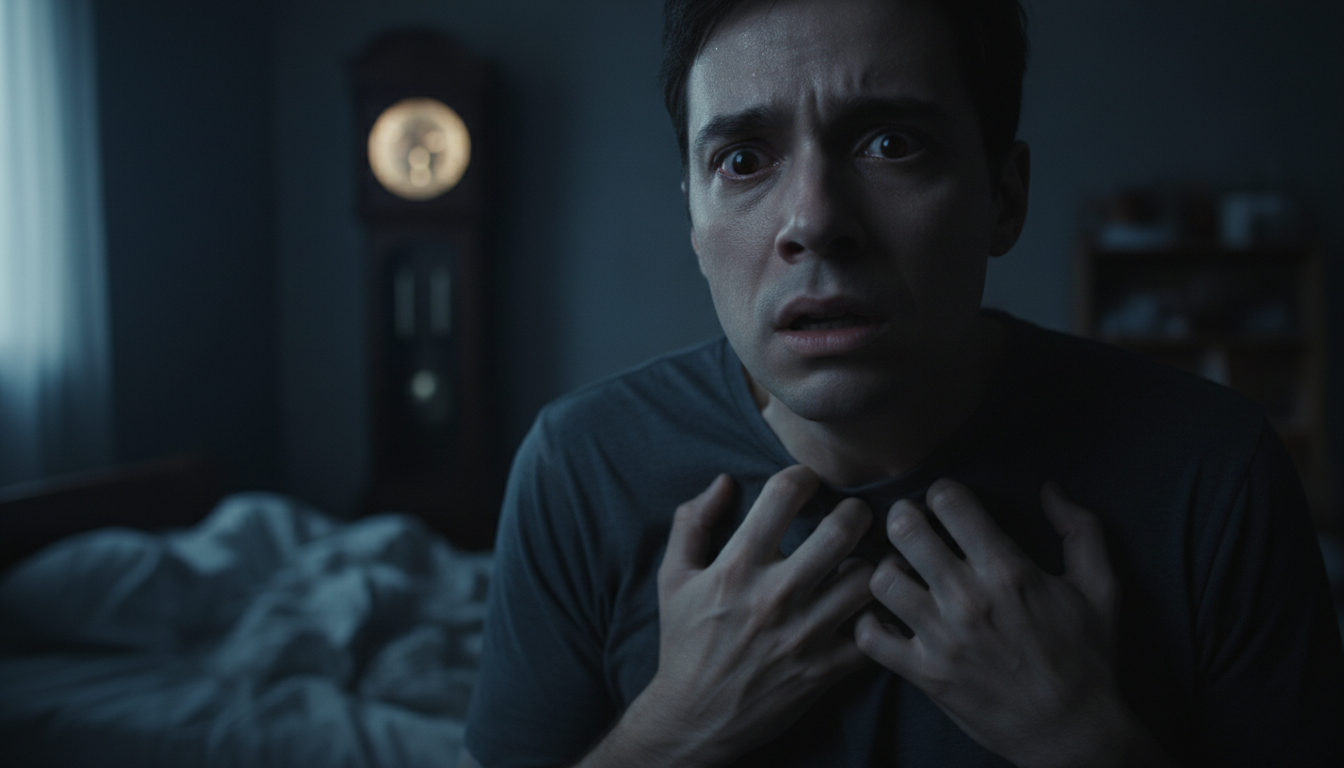
What if your body’s automatic response to stress is actually making your panic worse?
Many people experience sudden episodes of rapid, deep breathing that feel overwhelming and scary. These attacks can seem to start without warning. They are a hallmark of hyperventilation syndrome.
We understand how frightening these moments are. Your breathing speeds up beyond what your body truly needs for oxygen. This creates a chemical imbalance that fuels more physical distress.
This guide explores the powerful link between these breathing episodes and panic attacks. We provide clear facts about why they happen. Our goal is to give you knowledge to regain control during a crisis.
Research shows a significant overlap between panic disorder and this breathing syndrome. For example, about half of people with panic disorder experience these episodes. Understanding this connection validates your experience and is the first step toward management.
Key Takeaways
- Hyperventilation syndrome involves breathing that exceeds the body’s metabolic needs.
- Episodes can be triggered by strong emotions or seem random, often lasting up to an hour.
- There is a strong, bidirectional link with panic disorder.
- Physical symptoms can include rapid heartbeat, lightheadedness, and chest pains.
- Learning controlled breathing techniques can help manage acute episodes.
- Long-term strategies can reduce the frequency and intensity of attacks.
- Knowledge empowers you to break the cycle of fear and physical response.
Understanding Hyperventilation Anxiety
Many people don’t realize that their breathing pattern during stress can create a cascade of uncomfortable physical symptoms. Understanding this specific condition helps demystify the frightening experience.
We break down the core components to give you a clear picture of what’s happening in your body and mind.
What Is Hyperventilation?
We define this as a breathing pattern where rapid or deep breaths exceed your body’s metabolic needs. This is the essence of hyperventilation syndrome.
Your respiratory system becomes imbalanced. You exhale more carbon dioxide than your body produces.
This lowers CO2 levels in your blood, a state called hypocapnea. It directly triggers many distressing physical feelings.

Defining Anxiety in This Context
Here, anxiety refers to the emotional state that fuels this cycle. Feelings of fear or panic activate your body’s fight-or-flight response.
This response prepares your muscles for action, increasing oxygen demand. The resulting deep breathing often happens without physical exertion.
This creates a self-perpetuating loop: distress triggers rapid breathing, and the physical symptoms then heighten the sense of panic.
Recognizing the Physical and Emotional Signs
A racing heart and a feeling of suffocation are clear signals that your body has entered a state of alarm. Learning to identify these signs helps you understand what is happening during an episode.

Physical Symptoms: Chest Pain, Dizziness, and Breath Shortness
The physical symptoms are intense and varied. You may feel sharp chest pain or a pounding, irregular heartbeat. Shortness of breath often accompanies this, creating a sensation of tightness in your chest.
Dizziness and light-headedness are common. This happens because a state called respiratory alkalosis reduces blood flow to your brain. Tingling in your hands or feet can also occur.
Other distressing symptoms include profuse sweating, nausea, trembling, and ringing in the ears. These sensations compound the feeling of being unwell.
| Physical Symptom | What It Feels Like | Common Emotional Response |
|---|---|---|
| Chest Pain/Palpitations | A racing, fluttering, or painful heartbeat. | Fear of a heart attack. |
| Shortness of Breath | Can’t get enough air; chest feels tight. | Feeling smothered or choked. |
| Dizziness & Tingling | Light-headed, unsteady, with numb fingers/toes. | Fear of fainting or losing control. |
| Sweating & Trembling | Whole-body shakes with cold sweats. | Intense embarrassment or shame. |
Emotional Impact and the Role of Panic
The emotional toll is profound. These physical symptoms trigger intense fear, which can spiral into a full panic attack. This creates a terrifying loop where fear worsens breathing, and worse breathing heightens fear.
During a panic attack, the experience feels like a medical emergency. It’s crucial to know these symptoms are real biochemical responses, not imagined. Understanding this can reduce the secondary fear of the sensations themselves.
Identifying Causes and Triggers Behind Hyperventilation Anxiety
Pinpointing the root of your breathing distress is a crucial step toward breaking its cycle. The causes are often a mix of psychological and physical factors.
Researchers haven’t found one single cause for this syndrome. Episodes can start with clear triggers or seem completely random.
Stress, Fear, and Panic Attacks
Strong emotions like fear, anger, or anxiety are common sparks. They activate your body’s fight-or-flight response.
This prepares you for action by speeding up your breath. If no physical action follows, it can lead to an episode.
Life stress from work, finances, or big changes often fuels this. Past trauma can also be a deep-seated cause.
There’s a strong link to panic disorder. About half of people with this disorder experience these breathing episodes.
Underlying Health Conditions and Metabolic Factors
It’s vital to rule out other medical conditions. These can mimic or cause similar rapid breathing.
Serious issues like asthma, heart problems, or infections must be considered. A doctor can help identify these physical causes.
This ensures you get the right care for your specific situation.
| Trigger Category | Common Examples | Primary Mechanism |
|---|---|---|
| Psychological & Emotional | Panic attacks, chronic stress, trauma, phobias | Overactivation of the nervous system’s fight-or-flight response |
| Physiological & Medical | Asthma, heart conditions, pain, metabolic imbalance | Direct physical demand or disruption to the body’s normal respiratory balance |
Understanding your personal triggers is a powerful part of mental health management.
Managing Hyperventilation Anxiety
Regaining control over your breath is the most direct way to halt a panic spiral. We focus on practical techniques you can use the moment you feel distress building.
These methods interrupt the cycle where rapid breathing fuels fear. Your goal is to consciously slow your breathing rate.
Step-by-Step Breathing Techniques
During an episode, people often use chest muscles to breathe. This leaves little room for the chest to expand.
It creates a terrifying sensation of suffocation. The key is to shift to diaphragmatic breathing.
First, become aware of your pattern. Place one hand on your chest and one on your abdomen. Notice which area moves when you breathe.
Next, consciously shift. Inhale slowly through your nose, letting your abdomen expand. Your chest should stay relatively still.
Practice slow breathing by inhaling for a count of four. Hold briefly, then exhale through your mouth for a count of six or seven.
Making the exhale longer than the inhale activates your body’s calming system. This reduces the panic response.
Never breathe into a paper bag. This old method can be dangerous and is ineffective for panic-induced episodes.
Practice these steps when you are calm. This makes them automatic during actual attacks.
Techniques to Calm the Mind and Body
Calming your mind is just as important as controlling your breath during a crisis. We explore techniques that address both mental and physical aspects.
These methods help break the fear cycle of hyperventilation by shifting your focus and building resilience.
Mindfulness and Relaxation Practices
When panic strikes, your attention locks onto distressing physical sensations. Mindfulness redirects that focus outward.
Try grounding exercises like counting red objects in the room. Listen intently to music or note things you can see, hear, smell, and feel.
Develop coping statements to repeat during an episode. Remind yourself, “This feels terrible, but it will pass and cause no harm.”
Staying in the situation you’re in is powerful. It teaches your brain that escape isn’t needed for the panic to stop.
Daily Coping Strategies for Anxiety Relief
Long-term management involves daily habits that reduce overall stress. Regular exercise is a top tool for easing tension and boosting mood.
Keep your energy stable with regular, healthy meals. Blood sugar drops can worsen symptoms.
Set small, achievable targets instead of overwhelming goals. Identify sources of stress and problem-solve them.
Avoid using alcohol, cigarettes, or drugs for relief. They worsen conditions over time.
If supporting someone, create a calm space. Use gentle eye contact and reassure them they are safe.
Our Comprehensive Approach to Hyperventilation Anxiety
Objective data can transform the terrifying subjective experience of not being able to catch your breath. Our method integrates advanced monitoring with personalized, empathetic support.
Monitoring Breath and Leveraging Technology
We utilize tools like pulse oximetry and waveform capnography. These devices provide real-time feedback on your blood oxygen saturation and carbon dioxide levels.
Pulse oximetry confirms you are well-oxygenated, typically showing readings above 95%. Waveform capnography measures your respiratory rate and exhaled carbon dioxide (ETCO2). During an episode, ETCO2 often drops below 30 mmHg.
This indicates respiratory alkalosis. Tracking these levels shows whether your condition is worsening or improving.
Guided Intervention and Personalized Support
We show you your own data during an episode. This visual proof reassures you that your body is getting enough air. It also gives a concrete goal to focus on while slowing your breathing.
Our approach is always compassionate. We avoid commands like “calm down” because we understand the distress is real.
We may also recommend assessment by health services. This rules out other conditions affecting the heart or chest. It ensures you receive appropriate care.
Embracing a Calmer Future
Remember, the intense fear you feel during an episode is time-limited. Most panic attacks last between 5 and 30 minutes. The acute distress will pass.
We encourage you to speak with your doctor if you’re worried. They will ask about your symptoms and rule out other health conditions. This is a vital step for your wellbeing.
Building a support network is a sign of strength. Family, friends, or a counselor can provide ongoing help as you manage hyperventilation syndrome.
With the strategies covered here, improvement is achievable for most people. You can reduce episodes and reclaim control over your mental health. This guide reflects our current understanding, last updated for your benefit.