
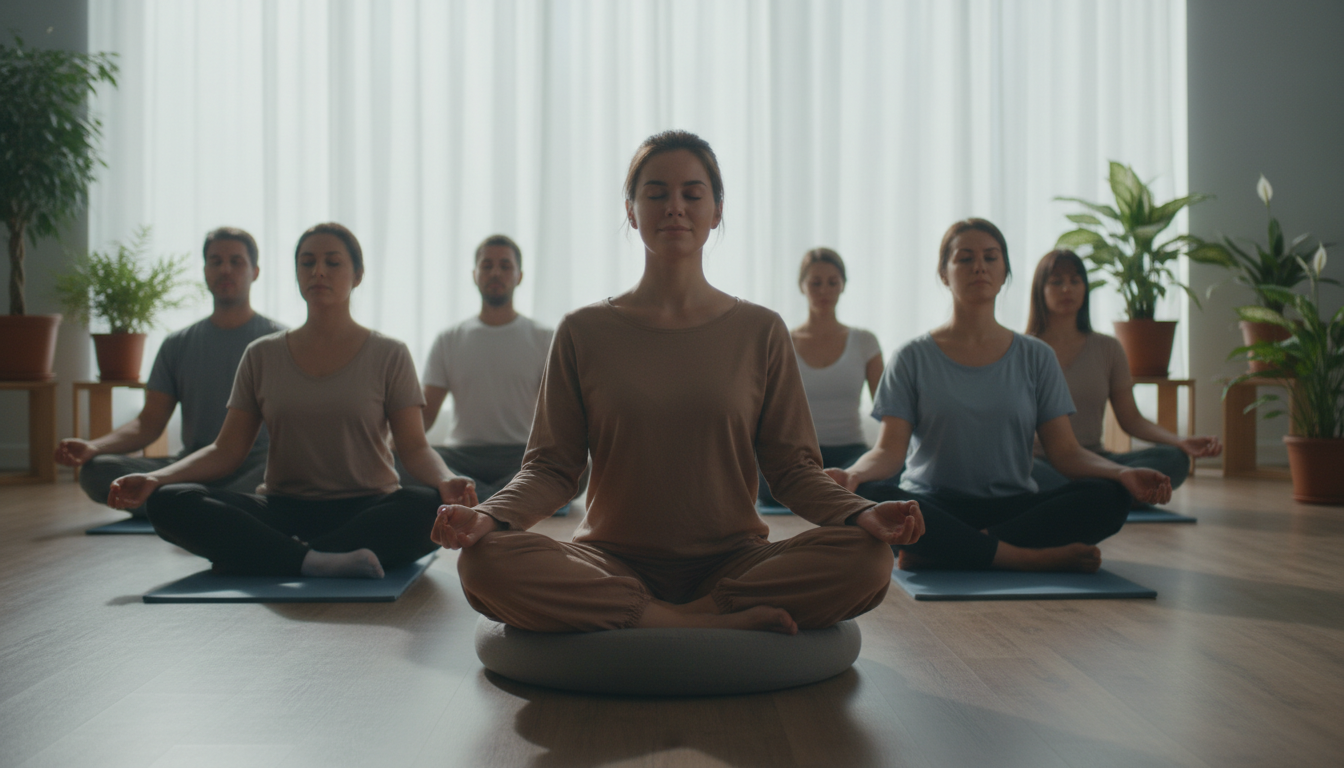
Have you ever felt like your mind is racing non-stop? Many of us deal with constant worries every day. We all wish for a calm and balanced life.
Using meditation for anxiety can give us a much-needed break. It helps us stay calm and peaceful, even when things get tough. We learn to relax and handle stress by focusing on soothing things.
These practices make us feel better and help us control our lives. Studies show that mindfulness can reduce stress. By practicing every day, we build a strong base for our mental and physical health.
Key Takeaways
- Achieving emotional balance through daily quiet time.
- Staying centered during challenging or overwhelming situations.
- Using focused breathing to manage intense moments of stress.
- Improving overall health by effectively calming the mind.
- Developing skills to observe thoughts without any judgment.
- Building long-term inner peace with consistent regular practice.
Understanding Anxiety and Its Impact on Our Daily Lives
Anxiety is a natural stress response. It can get too much and mess up our daily life. We all feel anxious sometimes. It’s our body’s way of saying, “Hey, I’m stressed!” But when it doesn’t stop, it can really hurt our happiness.
The Nature of Anxiety
Anxiety makes us feel worried, nervous, or scared a lot. It’s normal to feel this way sometimes. But for some, it can be so bad it stops them from living their life.
When we’re anxious, our body gets ready to fight or run away. It releases stress hormones like adrenaline and cortisol. These help us deal with danger quickly. But too much stress can harm our health.
Common Symptoms of Anxiety
Anxiety symptoms can be different for everyone. But common ones include:
- Feeling restless and on edge
- Having trouble focusing
- Being irritable
- Having trouble sleeping
- Feeling your heart beat fast or irregularly
- Sweating and shaking
Knowing what anxiety feels like is the first step to dealing with it. By understanding our symptoms, we can start looking for ways to feel better.
How Anxiety Affects Us
Anxiety can mess with many parts of our life. It can hurt our relationships, work, and even our health. It might make us avoid things we’re scared of.
| Aspect of Life | Impact of Anxiety |
|---|---|
| Personal Relationships | Strained relationships due to irritability or withdrawal |
| Work Performance | Difficulty concentrating, leading to decreased productivity |
| Mental Health | Increased risk of developing depression or other mental health issues |
| Physical Health | Chronic stress can lead to cardiovascular issues, digestive problems, etc. |
Mindfulness and anxiety relief meditation can help with anxiety. Adding these to our daily life can help us manage our anxiety better and feel happier.
The Concept of Meditation
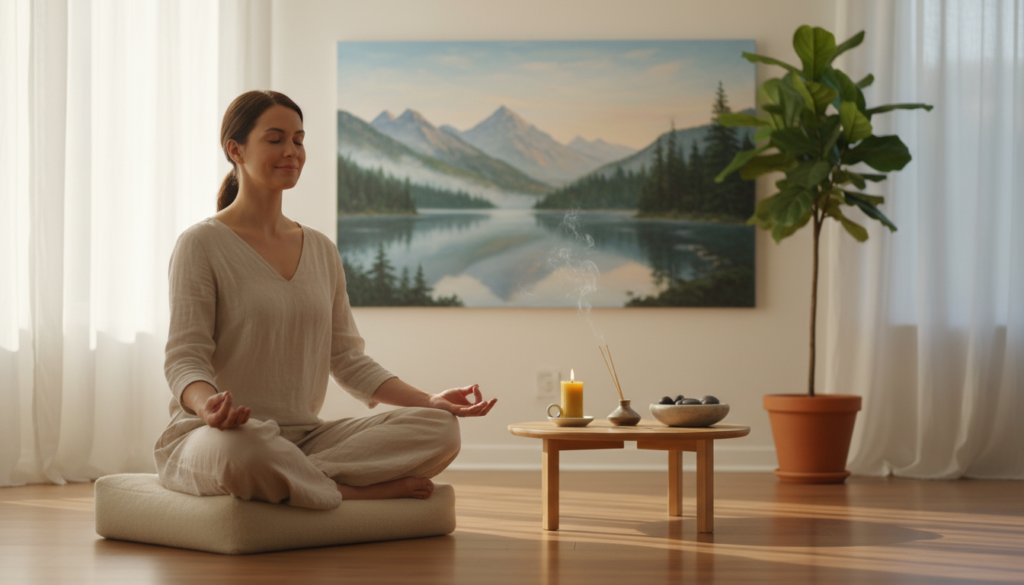
Meditation helps us feel less anxious and live better. It’s been around for a long time, from many cultures. It helps us be more aware and present every day.
Mindfulness means being fully in the moment. It’s about being aware without getting too stressed. Jon Kabat-Zinn says it’s about paying attention on purpose, in the now, without judging. This is key to using meditation to fight anxiety.
What Is Meditation?
Meditation is a way to clear your mind and find peace. It helps you focus, like on your breath or a mantra. Doing it often can make you feel less stressed and happier.
Meditation helps us notice our thoughts and feelings better. This way, we can handle tough times better. It makes anxiety less of a problem in our lives.
Different Types of Meditation
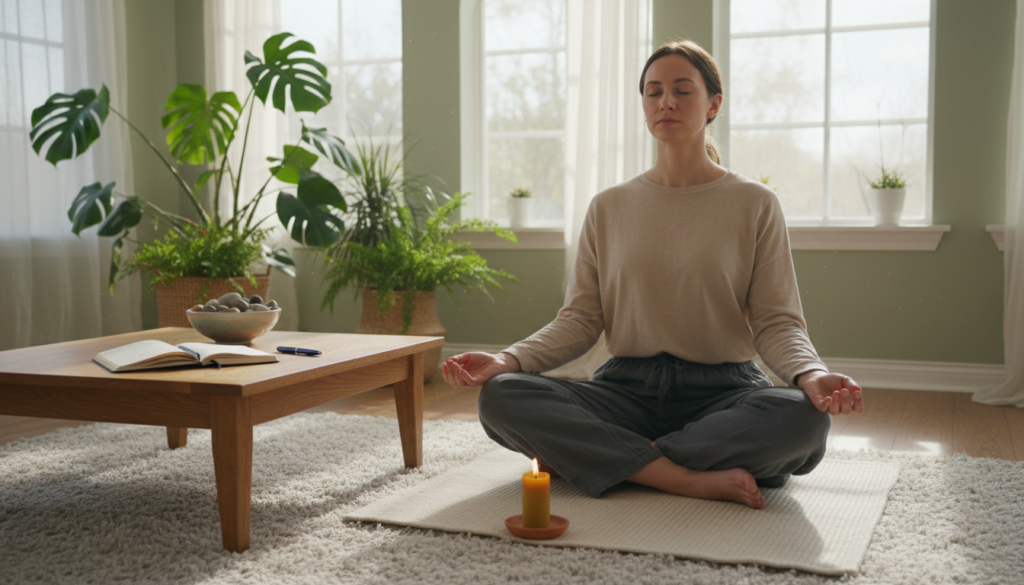
There are many kinds of meditation, each with its own benefits. Some common ones are:
- Mindfulness meditation, which focuses on the now without judgment.
- Loving-kindness meditation, which builds kindness and compassion.
- Transcendental meditation, which uses a mantra to calm the mind.
- Guided meditation, often used for guided meditation anxiety, where a guide leads the practice.
Each meditation type has its own strengths. People might find one works better for them. Trying different meditation techniques for anxiety can help find what suits you best.
How Meditation Works on Our Mind and Body
Meditation is good for our mind and body. It lowers stress and helps us relax. It can also lower blood pressure, improve sleep, and strengthen our immune system.
It also changes our brain, making us handle stress and anxiety better. This can make us more resilient and calm over time.
Benefits of Meditation for Managing Anxiety
Meditation can help us feel better and live better. It helps us deal with anxiety and improves our life quality. Meditation works on our mind and body, helping us feel whole again.
Studies show meditation changes our brain for the better. It makes the part of our brain that handles fear smaller. At the same time, the part that helps us think and decide gets bigger. This helps us handle anxiety better and think more clearly.
Reducing Stress Levels
Meditation is great for lowering stress. It makes our body relax and reduces stress hormones. This makes us feel calmer and less anxious.
Regular meditation lowers stress levels. This makes it easier to face life’s challenges without getting anxious.
Improving Emotional Well-being
Meditation helps us feel better emotionally. It helps us understand our thoughts and feelings better. This makes us handle emotions better and feel less anxious.
Through mindfulness meditation, we learn to watch our thoughts and feelings. This helps us stay balanced and feel less anxious.
Promoting Mindfulness and Present Moment Awareness
Meditation helps us stay in the moment. It stops us from worrying too much. This makes us enjoy the present more and worry less about the past or future.
As we get better at mindfulness, we handle anxiety better. This makes our life more peaceful and less anxious.
Techniques for Meditating Effectively
Meditation is more than just sitting quietly. It needs a thoughtful approach for the best results. By using specific techniques, we can better manage anxiety and feel better overall.
Finding a Quiet Space
Finding a quiet, comfy spot is key for meditation. This spot should be free from noise and interruptions. Creating a peaceful environment makes meditation better.
To make such a space, try these tips:
- Find a quiet corner in your home.
- Use calming scents like lavender.
- Dim the lights or use soft lighting.
- Play soothing background music or nature sounds.
Focusing on Breath and Body
Focusing on our breath and body is central to meditation. Paying attention to our breathing calms our mind and relaxes our body. Deep, controlled breathing slows our heart rate and lowers stress.
A simple way to focus on breath is:
- Sit comfortably with your back straight.
- Closing your eyes and taking deep breaths.
- Focus on the breath moving in and out of your body.
Choosing the Right Meditation Style for Us
There are many meditation styles. Finding the right one is important for a good practice. Styles like mindfulness, loving-kindness, and transcendental meditation are popular. Experimenting with different styles helps find what works best for us.
| Meditation Style | Focus | Benefits |
|---|---|---|
| Mindfulness Meditation | Present moment awareness | Reduces stress, improves focus |
| Loving-Kindness Meditation | Cultivating compassion and kindness | Enhances emotional well-being, fosters empathy |
| Transcendental Meditation | Using a mantra to quiet the mind | Reduces anxiety, improves mental clarity |
By using these techniques, we can make meditation more effective and fun. This helps us manage anxiety better through calming meditation for anxiety.
Incorporating Meditation into Our Daily Routine
Making meditation a daily habit can change how we handle anxiety. It helps us deal with anxiety and panic attacks better. Meditation makes our days calmer and can help with some health issues.
Setting a Regular Time for Practice
To make meditation a habit, set a regular time for practice. It could be in the morning, at lunch, or before bed. Being consistent is important to see meditation’s benefits for anxiety.
Starting with Short Sessions
Start with short sessions when you begin meditation. Even a few minutes a day can help. As you get used to it, you can make your sessions longer to help with anxiety and panic attacks.
Using Guided Meditations and Apps
Guided meditations and apps are great for beginners. They offer gentle guidance and support. This makes starting a meditation habit easier. Many apps have sessions for anxiety and panic attacks.
Using these tools makes meditation a fun and lasting part of our day. It improves our overall well-being.
Real-Life Success Stories with Meditation
Many people have found meditation helps with anxiety. They say it makes them feel better. Studies back this up too.
Personal Testimonials
Many have shared how meditation helped them. For example, one study showed it lowers anxiety.
One person said,
“Meditation has been a game-changer for me. I feel more grounded and less anxious.”
These stories show meditation can really help with anxiety.
Research Studies Supporting Meditation
Studies have found meditation helps with anxiety. A study showed it lowers anxiety.
| Study | Sample Size | Findings |
|---|---|---|
| Study on Mindfulness Meditation | 100 participants | Significant reduction in anxiety levels |
| Meditation for Anxiety Relief | 50 participants | Improved emotional well-being |
| Comparative Study on Meditation Techniques | 200 participants | Meditation was more effective than traditional methods in reducing anxiety |
Community Resources Available
There are many places to learn meditation. You can find groups, online forums, and apps.
Apps like Headspace and Calm offer guided meditations for anxiety. Yoga studios and wellness centers also have classes.
Overcoming Common Challenges in Meditation
As we keep going on our meditation path, we face many hurdles. One big one is dealing with distractions. Guided meditation for anxiety helps a lot. It teaches us to notice and let go of distracting thoughts.
Dealing with Distractions and Frustration
It’s easy to get upset when our minds wander. But, it’s important to accept things as they are. We can do this by not judging our feelings and thoughts. This helps us be kinder to ourselves.
For those who worry a lot, guided meditation anxiety can be a big help.
Managing Expectations and Staying Committed
It’s key to have realistic goals. Start with short meditations and slowly make them longer. This way, we can keep up with our meditation and feel less stressed and happier.
By facing and solving these common problems, we can keep meditating. And we can keep getting better at it.