
What if the constant background worry you’ve learned to live with is actually a form of anxiety that deserves your attention?
Many of us dismiss persistent nervousness as just part of a busy life. We might not even recognize it for what it is.
These feelings exist on a broad spectrum. On one end, they are a manageable part of daily existence. On the other, they can be deeply disruptive.
Understanding where your experiences fall on this continuum is the first step toward taking control of your well-being. It empowers you to make informed choices about your mental health.
This guide is here to provide that clarity. We will help you identify common signs, distinguish them from more intense conditions, and explore practical strategies for management.
Recognizing these patterns can significantly improve your quality of life and relationships. Support is available, and knowledge is the key to accessing it.
For a deeper look at how these experiences remain manageable without additional intervention techniques, exploring resources can offer further insight.
Key Takeaways
- Anxiety exists on a spectrum, ranging from mild, background feelings to more severe conditions.
- Many people experience persistent worries or nervousness without realizing it has a name.
- Even manageable anxiety can impact your overall well-being and enjoyment of life.
- Identifying where your symptoms fall is crucial for finding effective coping strategies.
- Practical management techniques are available to improve your daily experience.
- Understanding these signs is the first step toward taking proactive control of your mental health.
Understanding the Nature of Mild Anxiety Symptoms
Many individuals navigate daily life with a low-grade sense of unease that they’ve simply accepted as normal. This persistent background worry is often manageable, allowing you to complete tasks and socialize. However, it creates a constant hum of discomfort that doesn’t fade easily.
Defining Mild Anxiety in Everyday Life
We define this experience as nervousness you can handle without special techniques. Your daily functioning isn’t debilitated. You might enjoy activities, but nagging thoughts linger.
A key point is its persistence. Normal stress from a new job or presentation fades. When the response continues for weeks, it becomes a chronic backdrop. This shift indicates a different type of concern.
How Mild Anxiety Differs from Severe Anxiety
The main distinction lies in intensity and impact. Mild anxiety rarely becomes truly overwhelming. It doesn’t typically cause panic attacks or make you fear the feeling itself. Life continues, albeit with irritation.
In contrast, severe anxiety can dominate your existence. It may lead to avoiding situations or intense physical symptoms. Recognizing where your experience falls is crucial for finding the right help.
| Characteristic | Mild Anxiety | Severe Anxiety |
|---|---|---|
| Intensity Level | Low to moderate, manageable | High, often feels uncontrollable |
| Impact on Daily Function | Minor interference; routine is maintained | Major disruption; may avoid tasks or social events |
| Frequency of Overwhelming Episodes | Rare or never | Frequent, may include panic attacks |
| Typical Management Needs | Lifestyle adjustments often suffice | Usually requires professional intervention |
Many recognized conditions, like generalized anxiety disorder, exist on a spectrum. A mild anxiety form means the disorder is present but less intense. If these feelings persist over time, seeking guidance is a wise step.
Everyday Signs and Subtle Indicators
Many people live with a quiet hum of worry without ever naming it. These subtle cues often blend into our everyday life. We might dismiss them as personality quirks or normal stress.
Persistent rumination is a common sign. Your mind cycles through the same concerns repeatedly. This mental loop consumes energy without offering resolution.
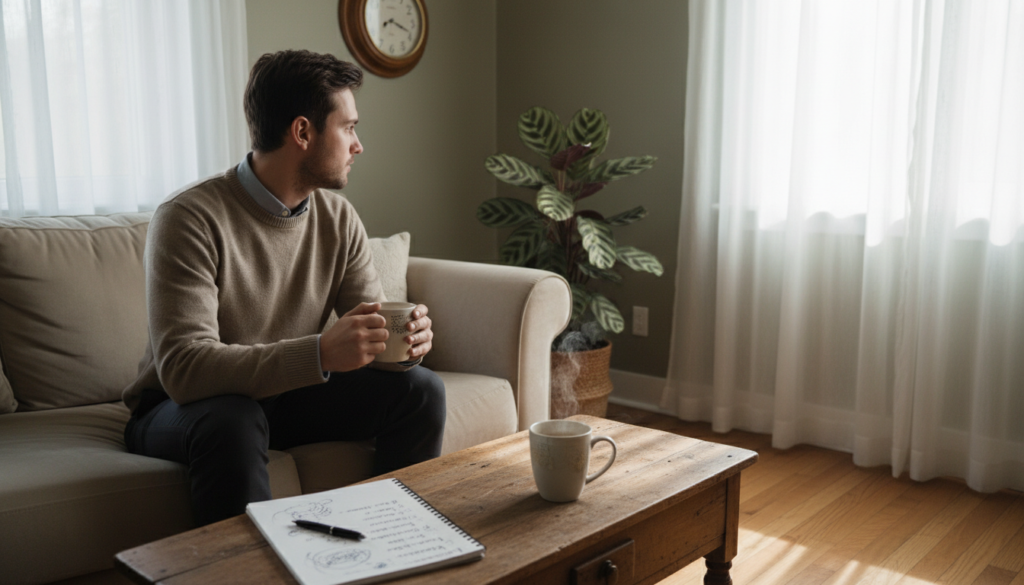
Physical signals can also appear. You might notice muscle tightness, stomach upset, or headaches. Sleep problems, like trouble falling asleep, are a hallmark indicator.
Restlessness makes it hard to sit still or focus. You may start avoiding certain situations to prevent uneasy feelings. Mood changes, like increased irritability, often follow.
These experiences are persistent but don’t stop you from functioning. Recognizing multiple signs over time is key. For a detailed overview of these patterns, the Mayo Clinic provides reliable information. This helps distinguish them from temporary stress.
Comparing Mild Anxiety to Other Anxiety Disorders
Understanding the landscape of anxiety disorders helps clarify where everyday worry ends and a clinical condition begins. Several common types exist, each with defining features.
Insights into Generalized Anxiety Disorder
Generalized Anxiety Disorder involves persistent, excessive worry about daily tasks. This condition meets specific clinical criteria. It can present in manageable forms.
This type of anxiety disorder differs from general nervousness. The worry is often unrealistic about everyday life. Even mild versions are recognized diagnoses.
Understanding Social Anxiety and Panic Attacks
Social Anxiety Disorder centers on intense fear of judgment in social settings. People experience overwhelming worry about rejection.
Panic Disorder involves sudden episodes of overwhelming fear. These panic attacks bring physical distress like a pounding heart. They are rarely mild.
Other anxiety disorders include specific phobias and PTSD. Recognizing your experience among these types guides effective coping strategies.
Managing Mild Anxiety Symptoms Through Lifestyle Changes
Your body’s physical state plays a direct role in how your mind processes stress and unease. Foundational lifestyle adjustments offer powerful ways to improve your daily life and build mental resilience.
These changes create a positive cycle. Better physical health supports emotional well-being over time.
Benefits of Regular Exercise and Healthy Living
Physical activity is a cornerstone for managing worry. It releases endorphins that naturally calm your system.
Exercise also uses up adrenaline and can help burn away stress hormones. It tires out tense muscles, reducing the physical tension that feeds nervous feelings.
This mind-body link is powerful. A stressed, tired body can actually generate worried thoughts. Caring for your physical health directly supports your mental health.
Effective Sleep, Diet, and Stress Management Techniques
Quality sleep and nutritious food drastically lower physical and mental stress. They give your body the resources it needs to cope.
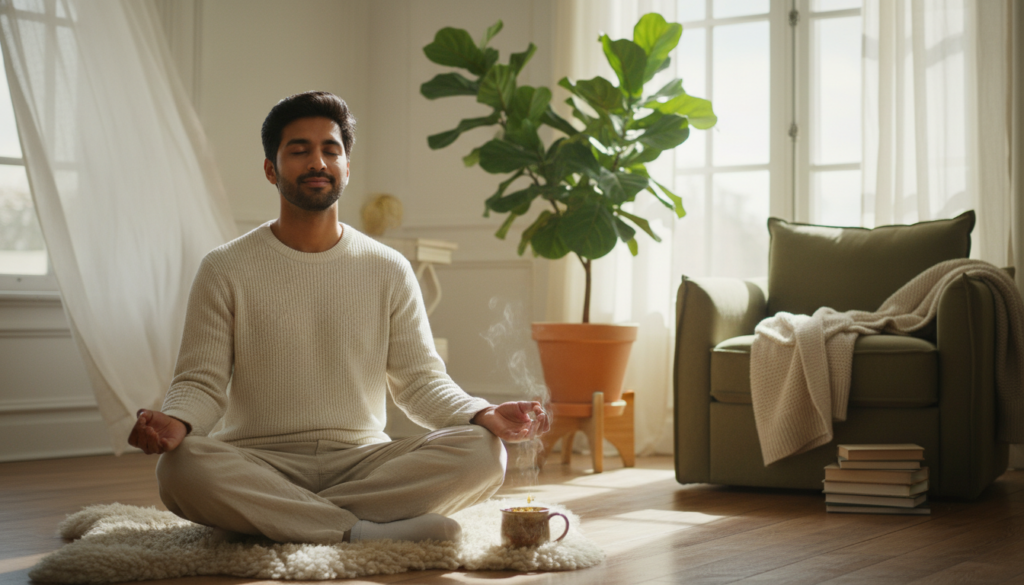
Self-care activities like meditation, yoga, or Tai Chi train your body’s stress response to calm down. Consistency is key for people dealing with anxiety disorders.
Avoiding triggers makes worry worse. Gradual, gentle exposure helps your brain learn not to react with fear.
View these habits as long-term investments in your health. They build a resilient foundation for your everyday life.
Practical Relaxation Strategies for Coping with Anxiety
Relaxation isn’t just about feeling calm. It’s a skill you can develop to directly influence your body’s stress response. These accessible ways to manage feelings offer powerful self-help tools.
They can provide significant help without necessarily requiring professional therapy. Commitment over time is the key to their effectiveness.
Deep Breathing and Progressive Muscle Relaxation
Controlled breathing is a cornerstone technique. It activates your body’s natural relaxation response, countering physical tension.
Inhale slowly for a count of four. Hold briefly, then exhale for six. This simple pattern can calm your nervous system quickly.
Progressive muscle relaxation tackles physical symptoms directly. You systematically tense and then release muscle groups.
Start with your feet and work upward. This practice builds awareness of where you hold tension. It teaches your body to let go.
Visualization and Mindfulness Practices
Visualization uses mental imagery to create peaceful states. Picture a serene place in vivid detail. Redirect your focus away from worried thoughts.
For immediate grounding, try the 3-3-3 rule. Name three things you see, three sounds you hear, and three physical sensations. This reconnects you with the present.
Mindfulness practices like meditation and yoga are evidence-based. Research shows they reduce the overall stress that fuels worry. They train your mind to observe thoughts without reaction.
| Technique | How It Helps | Practice Tip |
|---|---|---|
| Deep Breathing | Calms the nervous system rapidly | Practice for 5 minutes daily |
| Progressive Muscle Relaxation | Releases physical tension | Follow a guided audio track |
| Visualization | Redirects mental focus | Use all five senses in your image |
| Mindfulness Meditation | Reduces reactive anxiety | Start with just 2-3 minutes |
These strategies require consistent practice over weeks. They become more powerful tools for managing an anxiety disorder through repetition. The goal is to make them an automatic response.
When to Seek Professional Help and Guidance
There are clear signals that indicate it’s time to consider consulting a healthcare provider about your worries. Asking yourself three key questions can provide valuable insight.
First, does your worry significantly interfere with your daily life? If it prevents you from engaging in work, relationships, or responsibilities, it may be more than everyday stress.
Second, assess the severity. Is the feeling constant, overwhelming, and exhausting? This pattern often points toward an anxiety disorder.
Third, is your reaction proportional to the actual situation? People with a clinical disorder often know their fear is exaggerated but struggle to control it.
If your answer to these questions suggests an anxiety disorder, you should seek help. It is a highly treatable condition.
Remember, if these experiences hurt your quality of life, they deserve treatment. Waiting for symptoms to become “severe enough” is not necessary.
Untreated concerns often escalate over time. Early intervention is a proactive step for your long-term mental health. Choosing to seek help is a sign of strength, not weakness.
Utilizing Self-Care and Coping Activities in Daily Life
Building a daily routine rich in self-care activities can transform your relationship with worry. These actions are practical tools for supporting your mental health. They create a reliable buffer against daily stress.
Avoiding things that cause fear seems logical. However, this avoidance strengthens the nervous response. Gradually facing manageable situations teaches your brain they are safe.
When unease spikes, grounding techniques offer immediate relief. The 3-3-3 rule is powerful. Name three things you see, three sounds you hear, and three things you can touch.
| Activity | Primary Benefit | Recommended Frequency |
|---|---|---|
| Mindful Meditation | Calms the stress response | Daily, 5-10 minutes |
| Gentle Yoga or Tai Chi | Reduces physical tension | 3-4 times per week |
| Gradual Exposure | Weakens avoidance patterns | As needed for triggers |
| Grounding Practice | Halts escalating worry | During moments of distress |
Self-care is a necessary part of overall health, not a luxury. Different activities work for different people. Experiment to find what best supports your life.
Exploring Treatment Options for Mild Anxiety Symptoms
When lifestyle adjustments aren’t enough, a range of effective clinical treatments can provide significant relief. Professional treatment offers structured, evidence-based paths to manage persistent worry.
Cognitive Behavioral Therapy and Other Therapies
Cognitive Behavioral Therapy (CBT) is a highly effective form of therapy. It focuses on current thought and behavior patterns rather than past events.
This approach teaches practical skills to interrupt cycles of intense fear and worry. Patients learn to challenge unhelpful thoughts and change their reactions.
Understanding Medication Use and Alternative Treatments
Medication is another cornerstone of care. Antidepressants are commonly prescribed and work well for many anxiety disorder types.
For panic attacks, benzodiazepines may be used short-term. They are generally not for generalized anxiety due to dependency risks.
Combining therapy and medication often yields the best results. For significant life interference, outpatient programs (IOP/PHP) provide comprehensive daily support.
| Approach | Primary Action | Best For |
|---|---|---|
| Cognitive Behavioral Therapy | Changes thought & behavior patterns | Building long-term coping skills |
| Medication (e.g., Antidepressants) | Reduces physiological anxiety disorder symptoms | Managing persistent, chemical-based worry |
These conditions are highly treatable. Seeking professional help is a positive step, even if your experience doesn’t feel overwhelming.
Final Reflections on Our Journey Through Anxiety Management
Our exploration of manageable worry concludes with a powerful truth: your mental well-being is always worth prioritizing. All persistent anxiety deserves attention, not just when it meets a clinical threshold.
Untreated feelings often escalate over time. Proactive management is a wise strategy for long-term health. It spares you from more severe challenges later.
Remember, these conditions are highly treatable. Multiple effective options exist, from lifestyle changes to professional treatment. Different people find success with different approaches.
We encourage you to take action at whatever point feels right. Implementing self-help strategies or seeking help are both valid steps. Recognizing your experience is the first move toward relief.
You now have practical knowledge to address worry in daily situations. We hope you feel informed and equipped to create a calmer, more fulfilling life.