

Waking up with a racing heart or a heavy chest is common. Many people dread the day before it starts. This happens because our bodies have natural changes in hormones, like more cortisol when we wake up.
Stressing about the day ahead or thinking about the past can make mornings tough. But, we can change how we feel. By using mental health tips, we can take back control. Putting our mental health first helps us start the day feeling better.
Learning to handle morning anxiety is key to a calm day. These feelings are common, but they shouldn’t control our mornings. We think everyone should wake up feeling ready for the day.
Key Takeaways
- Cortisol levels naturally rise upon waking, which can trigger early stress.
- Anticipating daily tasks often leads to a sense of immediate restlessness.
- Implementing a structured routine helps us calm the nervous system effectively.
- Focusing on the present moment reduces the urge to replay past events.
- Small lifestyle changes can significantly improve our overall daily outlook.
- Professional guidance and simple tools empower us to reclaim our inner peace.
Understanding What Morning Anxiety Really Is
It’s important to know about morning anxiety to feel better. Morning anxiety is when you feel anxious right after waking up. It can make it hard to start the day on a good note.

The Physical and Emotional Symptoms We Experience
Morning anxiety shows up in different ways. You might feel your chest tighten, muscles get tense, or your heart beat fast. You could also breathe quickly.
Feeling restless, irritable, or tired is common too. These feelings can be so strong they feel like a full-blown anxiety attack. It’s hard to start the day when you feel this way.
For those with morning anxiety, these feelings can be really tough. It’s not just being a little nervous or stressed. It’s a deeper body response to stress or threats.
How Morning Anxiety Differs from General Anxiety
General anxiety can happen at any time, but morning anxiety is specific to the morning. The morning can bring its own stress, like thinking about the day ahead. Knowing this helps us tackle it better.
By understanding morning anxiety, we can make plans to deal with it. We might try relaxation techniques like deep breathing or meditation. Changing our morning routine can also help reduce stress and anxiety.
For more tips on dealing with anxiety, check out https://workshiftanxiety.com/. They have lots of resources and strategies to help.
Why We Experience Morning Anxiety
Morning anxiety is a big problem for many people. It’s not just about waking up stressed. There are deeper reasons.
Many things can make us feel anxious in the morning. Knowing what they are helps us find ways to feel better.
The Role of Cortisol and Our Body’s Stress Response
Cortisol is called the “stress hormone.” It helps us deal with stress. But, if we’re stressed a lot, cortisol stays high. This can make us feel anxious in the morning.
Understanding cortisol’s role helps us find ways to feel better. Relaxing and sleeping well can help lower cortisol. This might make our mornings less anxious.
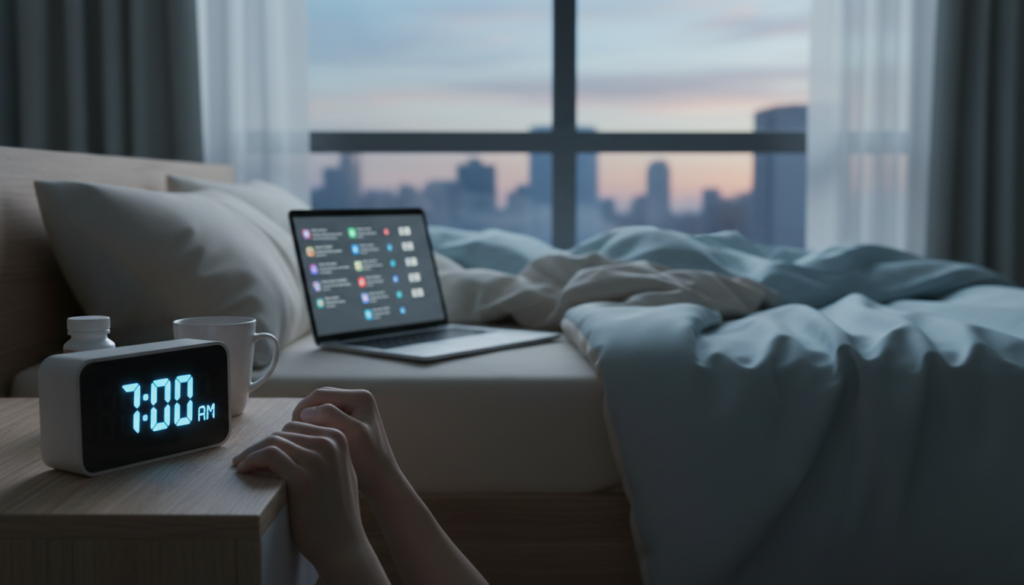
Common Triggers That Intensify Morning Symptoms
Many things can make morning anxiety worse. These include work stress, personal problems, or big life changes. Knowing what these are helps us find ways to cope.
Some common triggers are:
- Unresolved conflicts or pending tasks
- Financial or job security concerns
- Health worries or chronic illness
- Relationship issues
By knowing these triggers, we can start to find ways to deal with them. This can help our mornings feel better.
The Connection Between Sleep Quality and Morning Mood
How well we sleep affects how we feel in the morning. Bad sleep can make us feel more anxious. Good sleep habits can help us feel better.
Having a consistent sleep schedule is key. Also, making our sleep area calm helps. Relaxing before bed, like with mindfulness, can help us sleep well.
Immediate Coping Strategies When Morning Anxiety Strikes
Morning anxiety can feel overwhelming. But, we can manage it with the right strategies. Adding these to our morning routine helps us face anxiety head-on.
Step 1: Practice the 4-7-8 Breathing Technique
The 4-7-8 breathing technique calms the mind and body. It’s called the “relaxation breath.” You breathe in through your nose, hold, and then breathe out through your mouth in a special rhythm.
How to Perform This Breathing Exercise Correctly
To do the 4-7-8 breathing, follow these steps:
- Start by sitting comfortably with your back straight.
- Close your eyes and breathe in through your nose for 4 counts.
- Hold your breath for 7 counts.
- Then, breathe out through your mouth for 8 counts.
Common Mistakes to Avoid
Don’t mess up the breathing ratio. Focus on the counts to relax. For more tips on morning anxiety, check out this resource.
Step 2: Use the 5-4-3-2-1 Grounding Method
The 5-4-3-2-1 method helps manage anxiety. It focuses on different senses to keep you in the present.
Breaking Down Each Sensory Step
Here’s how to use the 5-4-3-2-1 method:
| Sensory Focus | Action |
|---|---|
| 5 | Notice 5 things you can see around you. |
| 4 | Acknowledge 4 things you can touch or feel. |
| 3 | Identify 3 things you can hear. |
| 2 | Recognize 2 things you can smell. |
| 1 | Notice 1 thing you can taste. |
Step 3: Challenge Your Anxious Thoughts with Cognitive Reframing
Cognitive reframing changes how we think. It helps us deal with negative thoughts and lowers anxiety.
“I’ve struggled with morning anxiety for months, but learning to reframe my thoughts has been a game-changer.”
Step 4: Engage Your Body Through Gentle Movement
Mild physical activity helps with morning anxiety. It releases endorphins, which make us feel better. Yoga or a short walk is great.
By using these strategies every day, we can handle morning anxiety better. We start our day feeling more positive.
Building an Evening Routine to Prevent Morning Anxiety
A good evening routine is key to avoiding morning anxiety. It helps our body get ready for sleep and relaxes us. By adding self-care to our evening, we can wake up feeling less anxious.
Establishing a Consistent Sleep Schedule
Having a regular sleep schedule is important. Going to bed and waking up at the same time every day is best. This helps our body get into a rhythm and improves sleep quality, making mornings easier.
Creating a Calming Pre-Sleep Environment
Our bedroom should be a peaceful place for sleep. It should be dark, quiet, and cool. We can use blackout curtains, earplugs, or a white noise machine to help.
Smartphones and computers can make it hard to fall asleep. We should avoid screens for at least an hour before bed. Instead, we can read, meditate, or do deep breathing exercises to relax.
Preparing for Tomorrow to Reduce Morning Stress
Getting ready for the next day can also help. Lay out your clothes, pack your bag, and prep breakfast the night before. This saves time and reduces stress in the morning.
By following these tips, we can make our evenings more relaxing. This leads to better sleep and less morning anxiety. Taking care of ourselves and sticking to a routine helps us start the day feeling calm and clear.
Designing a Morning Routine That Reduces Anxiety
Creating a morning routine can help you feel better. It makes your day start off right. A good morning routine includes things that help you relax and think clearly.
Allow Extra Time to Wake Up Gradually
Waking up fast can make you feel anxious. Taking more time to wake up can really help.
Setting Multiple Alarms the Right Way
Use more than one alarm to wake up softly. This way, you wake up without a loud noise.
Incorporate Mindfulness or Meditation Practices
Mindfulness and meditation can reduce anxiety. Adding these to your morning can calm your mind and start your day well.
Simple 5-Minute Meditation Techniques for Beginners
Beginners should start with short meditations. A 5-minute meditation focuses on your breath and thoughts. It helps you stay calm.
Fuel Your Body with a Balanced Breakfast
Eating a good breakfast helps your mood and energy. Choose foods with proteins, carbs, and fats for lasting energy.
Foods That Help Stabilize Your Mood
Some foods can make you feel better. Omega-3 rich foods like salmon and whole-grain cereals are good choices.
Limit Morning Stimulants and News Consumption
Too much caffeine can make you anxious. Also, reading news early can add stress. Be careful with these.
By choosing wisely, you can make mornings better. This helps you start your day feeling good.
Long-Term Self-Care Practices for Managing Morning Anxiety
Long-term self-care is key to managing morning anxiety. It helps improve our mental health. By adding these practices to our daily routine, we can lessen morning anxiety’s impact.
Incorporating Regular Exercise into Your Weekly Schedule
Exercise is a great way to fight morning anxiety. It makes us feel good by releasing happy hormones. Start with yoga or brisk walking to make it a part of your day.
Benefits of Regular Exercise:
- Reduces stress and anxiety
- Improves mood
- Enhances sleep quality
Recognizing When to Seek Professional Support
Self-care is important, but sometimes we need professional help. If morning anxiety is really affecting your life, it’s time to get help. A mental health professional can offer personalized support.
Types of Therapy That Help with Morning Anxiety
Many therapies can help with morning anxiety. These include:
- Cognitive-behavioral therapy (CBT)
- Acceptance and commitment therapy (ACT)
- Mindfulness-based stress reduction (MBSR)
These therapies help us better understand and manage our anxiety.
Building a Support Network for Ongoing Recovery
A support network is crucial for recovery. It can include friends, family, support groups, and mental health professionals. Having people who support you helps you stay motivated.
Support groups offer a safe place to share and learn from others facing similar challenges.
Conclusion
Managing morning anxiety needs a mix of strategies. Knowing why we feel anxious in the morning helps. Then, we can use quick fixes to feel better.
We’ve looked at many ways to tackle morning anxiety. These include breathing exercises and grounding methods. We also talked about changing our thoughts and moving gently in the morning.
Having a regular sleep schedule and a calm bedroom are key. A morning routine that lowers stress is also important.
Long-term self-care, like exercise and friends, helps a lot. These habits can make our mornings less stressful. This improves our mental health.
By using these strategies, we can begin our day feeling clearer and more hopeful.