
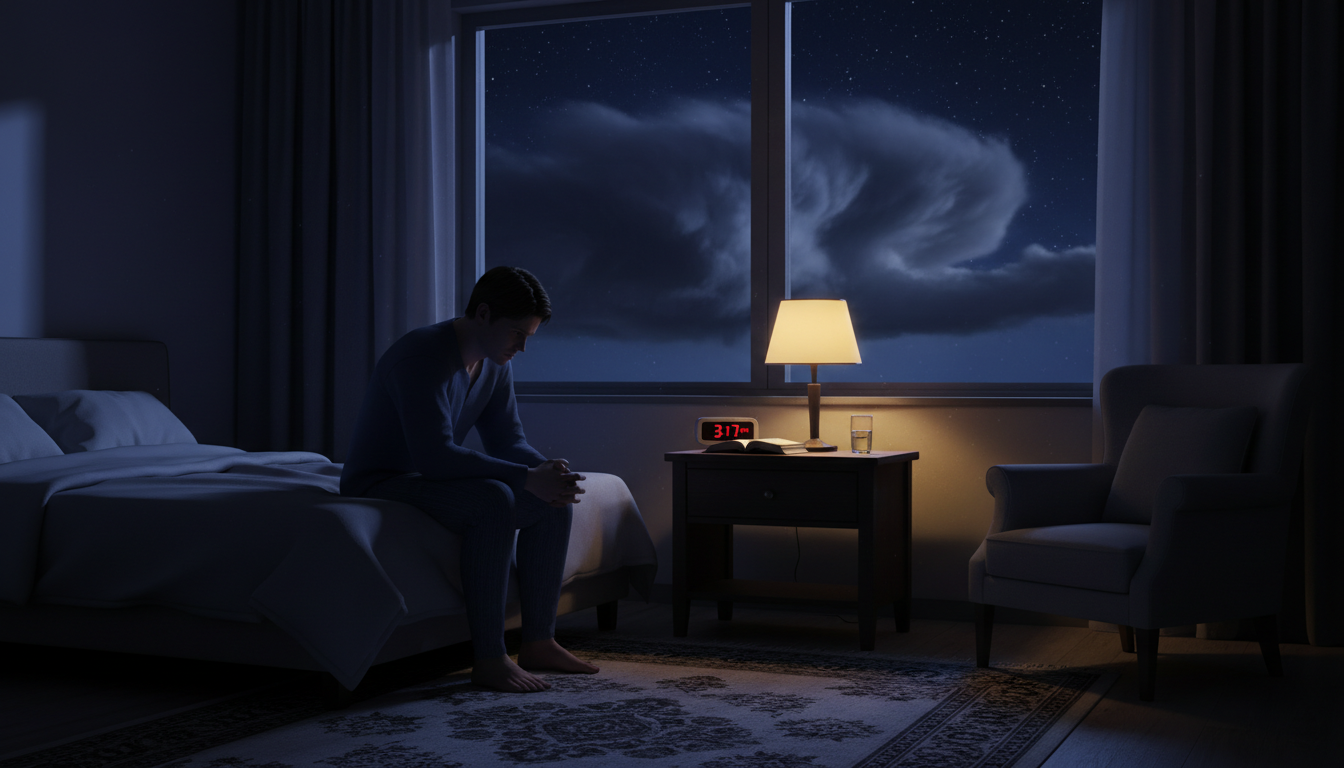
When the sun sets, many of us struggle. Instead of sleep, we get caught in a cycle of worries and can’t relax. This problem hurts our mental health and messes up our sleep.
We need good ways to handle stress at night. When it’s dark, our minds can get busy. We want to show you how to get a good night’s sleep with proven methods for your life.
Getting rid of anxiety starts with small steps. We’ll look at why we feel tense in the evenings and share tips. Our aim is to help you have peaceful nights and wake up feeling fresh.
We think everyone should have a calm place to rest. By tackling the reasons for feeling restless, we can live better. This guide will help you find the quiet you need.
Key Takeaways
- Understand the connection between daily pressure and sleep quality.
- Identify common triggers for evening restlessness and racing thoughts.
- Learn practical relaxation techniques to calm the mind.
- Discover the importance of a consistent evening routine.
- Recognize when to seek professional support for emotional well-being.
- Reclaim your rest with actionable habits for better sleep.
Understanding Nighttime Anxiety and Its Impact on Sleep
Nighttime anxiety can make it hard to sleep. It can cause racing thoughts and physical discomfort. We’ll look into what nighttime anxiety is, its symptoms, and how it affects our lives.
What Nighttime Anxiety Looks Like in Our Daily Lives
Nighttime anxiety can make you feel nervous and restless. It can also make it hard to fall or stay asleep. You might feel headaches or tense muscles too.
These symptoms can make it hard to focus and feel good. They can also make you feel tired and unhappy.
To understand nighttime anxiety better, let’s see how it affects us:
| Symptom | Impact on Daily Life |
|---|---|
| Racing thoughts | Difficulty concentrating, feeling mentally drained |
| Nervousness, restlessness, or worry | Increased stress levels, irritability |
| Trouble falling asleep or staying asleep | Fatigue, decreased productivity |
| Physical symptoms (headaches, tense muscles) | Physical discomfort, pain |
Why Our Minds Race When We Try to Sleep
Our minds can race at night because of stress hormones like cortisol. This is part of our body’s “fight or flight” response. It helps us react to threats, but it can make it hard to sleep.
The fight or flight response is a natural reaction to threats. It makes our heart rate and blood pressure go up. But at night, it can mess with our sleep.
Stress hormones like cortisol play a big role in nighttime anxiety. Cortisol levels usually go down at night. But for people with nighttime anxiety, they might stay high, messing with their sleep-wake cycle.
The Science Behind Your Stress Response at Night
Learning about our nighttime stress response helps us manage anxiety. Our bodies change a lot at night. These changes can affect our stress and how we feel.
How the HPA Axis Controls Our Stress Hormones
The Hypothalamic-Pituitary-Adrenal (HPA) axis is key in our stress response. It controls stress hormones like cortisol. When we’re stressed, the HPA axis releases cortisol and other hormones to get ready for action.
The HPA axis is a complex system that handles stress. It has a loop between the hypothalamus, pituitary gland, and adrenal glands. Stress makes the hypothalamus send out CRH. This leads to the pituitary gland sending ACTH. Then, the adrenal glands make cortisol.

Understanding the Fight or Flight Response After Dark
The fight or flight response is triggered by the HPA axis. It gets our body ready to face or run from danger. This response is active at night too. It can be caused by stress, anxiety, or a bad sleep schedule.
“The fight or flight response is a natural reaction to stress that prepares the body to take action. However, when this response is triggered at night, it can interfere with our ability to fall asleep or stay asleep.”
Cortisol and Anxiety: The Connection We Need to Know
Cortisol levels usually go up in the morning and down at night. But, chronic stress can mess with this rhythm. This can lead to high cortisol levels at night, causing anxiety and sleep problems.
| Time of Day | Normal Cortisol Levels | Impact on Sleep |
|---|---|---|
| Morning | High | Helps regulate wakefulness |
| Night | Low | Promotes relaxation and sleep |
| Night (with chronic stress) | Elevated | Disrupts sleep patterns |
How Stress Hormones Disrupt Our Natural Sleep Cycle
Stress hormones can mess with our sleep cycle. This can cause insomnia or poor sleep. High cortisol at night makes it hard to fall or stay asleep. This creates a cycle where stress and anxiety worsen sleep problems, and poor sleep increases stress and anxiety.
- Stress hormones like cortisol can disrupt the body’s natural sleep-wake cycle.
- Elevated cortisol levels at night can lead to increased alertness and arousal.
- Poor sleep quality can further exacerbate stress and anxiety.
Preparing Our Sleep Environment for Anxiety Relief
A good sleep space can really help with anxiety at night. Making a few changes in our bedroom can make a big difference. It can help us sleep better and feel less anxious.
Creating a Bedroom That Promotes Calm
Our bedroom should be a calm place. It’s where we relax after a busy day. To make it calm, we can tidy up and remove things that stress us out.
We can add things that help us relax. Like calming colors and soothing textures. A weighted blanket or a diffuser can make it peaceful.
For more tips on managing anxiety, check out https://workshiftanxiety.com/.
Optimizing Light, Temperature, and Sound Levels
Light, temperature, and sound affect our sleep. Here’s how to make them better:
- Use curtains or blinds to keep light out.
- Keep the room at 60-67 degrees Fahrenheit for sleep.
- Use earplugs or a white noise machine to block out sounds.
| Environmental Factor | Ideal Condition | Tips for Optimization |
|---|---|---|
| Light | Darkness | Use blackout curtains or blinds |
| Temperature | 60-67°F | Adjust thermostat or use a fan |
| Sound | Quiet or white noise | Use earplugs or a white noise machine |
Removing Anxiety Triggers from Our Sleep Space
Our bedroom should be a safe and calm place. We need to get rid of things that make us anxious. This means no TVs or computers, and no stressful talks before bed.
By making our bedroom a sleep-friendly space, we can feel less anxious. And we’ll sleep better too.
Building Our Evening Routine for Stress Reduction
A good evening routine helps lower cortisol levels and ensures a good night’s sleep. By adding certain activities to our evening, we tell our body it’s time to relax and sleep.
Setting a Consistent Wind-Down Time
Having a set wind-down time is key to relaxing and sleeping well. Pick a time each night to start unwinding. This helps our body adjust and improves our sleep quality.
Activities That Lower Cortisol Levels Naturally
Doing relaxing things can lower cortisol and calm our mind. Good activities include:
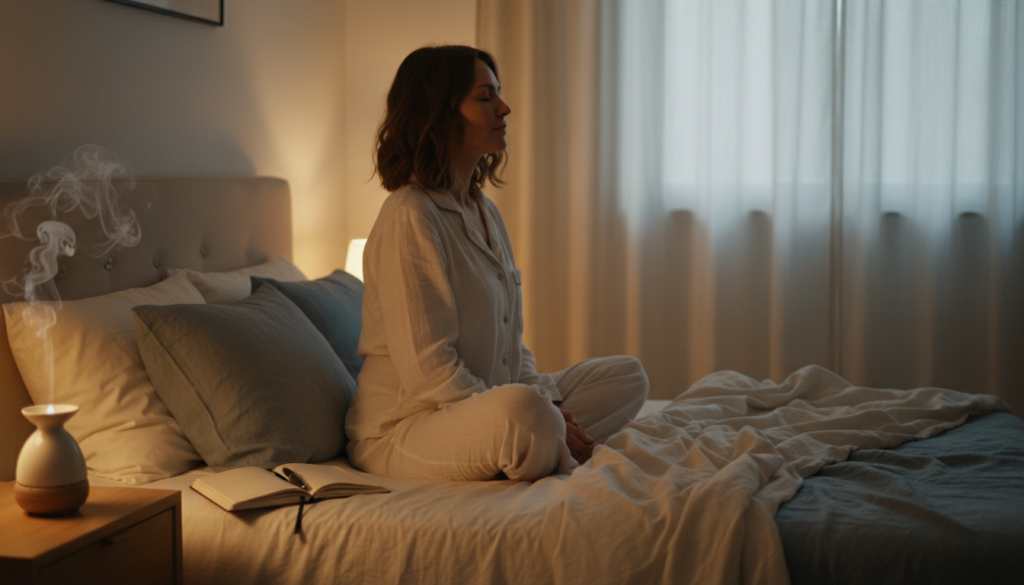
- Meditation and deep breathing exercises
- Reading a book or listening to soothing music
- Taking a warm bath or practicing gentle stretches
- Writing in a journal or practicing gratitude
What We Must Avoid Before Bedtime
Some activities can wake us up and hurt our sleep. Avoid:
- Using electronic devices with bright screens
- Engaging in intense conversations or watching exciting movies
- Consuming heavy meals or caffeine close to bedtime
- Exercising vigorously in the hours leading up to sleep
Staying away from these activities helps us sleep better and reduces nighttime anxiety.
Creating a Routine That Works with Our Schedule
Our evening routine should fit our life and preferences. Try different activities and times to find what works. This makes our routine effective and stress-reducing.
By following these steps and staying consistent, we can create a great evening routine. This routine will help us relax, sleep better, and improve our health and life quality.
Immediate Techniques We Can Use When Anxiety Strikes
Nighttime anxiety can be really tough. But, there are quick ways to feel better. When we’re anxious, our body gets ready to fight or run. This makes it hard to relax and sleep.
Fortunately, we can calm our minds and bodies. There are many strategies to help us relax.
The 4-7-8 Breathing Method for Quick Relief
The 4-7-8 breathing method is simple but very helpful. We breathe in for 4 counts, hold for 7, and breathe out for 8. This slows our heart and helps us relax.
To get the most out of this technique, breathe deeply and slowly. Focusing on our breath helps calm our minds.
Progressive Muscle Relaxation: Step-by-Step Guide
Progressive muscle relaxation helps us relax our body. We tense and relax muscles, starting from our toes to our head.
To do this, tense our toes for a few seconds and then relax as we breathe out. We move up our body, tensing and relaxing each muscle group.
- Tense your toes for 5 seconds
- Release the tension as you exhale
- Move up through the muscle groups, tensing and relaxing each one
Cognitive Techniques to Stop Our Racing Thoughts
When we’re anxious, our minds can race. One way to stop this is to use cognitive reappraisal. This means we challenge negative thoughts and think more positively.
We can also focus on the present moment. This helps calm our minds and lowers our anxiety.
The Strategic Bedroom Exit: When and How to Leave
Sometimes, leaving the bedroom can help. It distracts us from our anxiety and lets us calm down.
If we leave, choose a relaxing activity. Reading, listening to music, or stretching are good choices.
Long-Term Stress Management for Our Mental Health
Managing stress for a long time is important for our mental health. We can do this by adding special daily habits to our routine. This helps us handle stress better and feel better overall.
Daily Practices That Regulate Stress and Hormones
Our daily habits help control our stress and hormone balance. Doing things like yoga, deep breathing exercises, and journaling can help. These activities lower cortisol and make us stronger mentally.
Starting the day with meditation or a short walk can make it better. It’s good to try different things to see what works for us.
https://www.youtube.com/watch?v=3cXGt2d1RyQ
Exercise Timing for Optimal Cortisol Balance
Exercise is great for stress, but when we do it matters. Doing aerobic exercises or strength training in the morning or early afternoon helps. It keeps cortisol levels good all day.
Don’t do hard exercise right before bed. It can make it hard to sleep. Instead, do gentle stretching or light yoga in the evening for a good night’s sleep.
Mindfulness and Meditation for Anxiety Relief
Mindfulness and meditation are strong tools against anxiety. Spending a few minutes each day on these can calm our minds and lower stress.
Guided meditation apps and videos are great for beginners. Regular practice can really cut down anxiety and boost our mental health.
Building Our Resilience Over Time
Being resilient is key for managing stress long-term. It means learning to cope, staying positive, and having good friends.
By working on these areas and using the practices we’ve talked about, we can get better at dealing with stress. This will help our mental health a lot over time.
Common Mistakes That Worsen Our Nighttime Anxiety
Knowing what mistakes make nighttime anxiety worse is key to better sleep and mental health. Some habits or unaware actions raise our stress, making sleep hard. This includes not falling asleep or staying asleep all night.
Clock-Watching and Time Anxiety
Clock-watching is a bad habit that raises anxiety. It makes us stressed to fall asleep fast. This creates a cycle where worrying about time keeps us awake.
Using Screens as a Distraction
Using screens before bed is a mistake. The blue light from screens lowers melatonin, making sleep hard. Also, screens keep our minds busy, making it hard to relax.
Trying to Force Sleep When We Feel Anxious
Trying to sleep when anxious can make bedtime scary. We should use calm-down techniques instead. These help our minds and bodies relax.
Inconsistent Sleep Schedules and Their Impact
Not having a regular sleep schedule messes with our body’s clock. It’s hard to get good sleep without a routine. Being consistent helps our circadian rhythms and sleep quality.
Conclusion
We can improve our sleep and feel better by understanding nighttime anxiety. We need to manage stress and relax. Creating a good sleep space and having a calm evening routine are important.
Using quick ways to calm our minds is also key. This helps us feel better and sleep well. Anxiety relief and stress management are crucial.
Practicing mindfulness and exercising regularly helps too. Avoiding bad habits like watching the clock is also important. These steps help us feel refreshed in the morning.
Looking after our mental health is vital. It helps us deal with nighttime anxiety. By managing stress well, we can live a better life and handle stress better.