

What if the feeling of sheer terror struck without warning, for no apparent reason? For millions of Americans, this isn’t a hypothetical question. It’s a reality that defines a serious anxiety condition.
We often hear about stress and worry. But this condition involves recurrent, unexpected episodes of intense fear. These sudden waves can feel overwhelming, even when there’s no real danger present.
Statistics show the scope is significant. Roughly 2% to 3% of people in the U.S. live with this diagnosis. Even more, up to 11%, experience at least one acute episode each year. Women are diagnosed twice as often as men.
The key difference lies in the pattern. Isolated episodes are common. The disorder involves persistent worry about future attacks and often leads to avoiding places or situations. This cycle can deeply impact daily life and overall well-being.
The good news is that this is a treatable mental health condition. Our ultimate guide provides comprehensive, trusted information. We cover everything from recognizing early signs to exploring effective treatment paths. Knowledge is the first step toward reclaiming control.
Key Takeaways
- Panic disorder is an anxiety condition marked by sudden, repeated episodes of intense fear.
- It affects about 2-3% of the U.S. population, with women being twice as likely as men to develop it.
- The condition involves not just the attacks themselves, but also ongoing worry about having more.
- This cycle of fear can lead to avoidance behaviors that disrupt daily life.
- While the experiences feel terrifying, panic disorder is a treatable mental health condition.
- Effective management often involves a combination of therapy, medication, and support strategies.
- Understanding the symptoms and causes is a crucial first step toward seeking help.
Understanding Panic Disorder and Its Impact
Imagine a sudden surge of overwhelming dread crashing over you without any obvious cause. This is the reality for those living with this anxiety condition.
Defining Panic Disorder and Its Key Features
We define it by recurrent, unexpected episodes of intense fear. A central feature is their unpredictable nature. They can strike anytime, even during sleep.
People not only endure the episodes themselves but also persistent worry about future ones. This creates a secondary layer of anxiety.
How We Experience Unexpected Panic Attacks
These sudden waves differ from gradual stress responses. The fear of another episode often leads to avoiding places where they occurred before. This avoidance can progressively limit daily life.
The condition often starts in late teens or early adulthood. The defining characteristic is the ongoing pattern of unexpected attacks combined with behavioral changes.
| Feature | Panic Disorder | General Anxiety |
|---|---|---|
| Predictability | Attacks are unexpected, without clear triggers. | Worry builds gradually in response to stressors. |
| Frequency | Recurrent, unexpected episodes. | Occasional, often situational. |
| Worry About Future | Persistent, intense worry about next attack. | Concern about specific issues, but less pervasive. |
| Life Impact | Often leads to significant avoidance behaviors. | May cause stress but less likely to limit activities. |
Recognizing the Signs and Symptoms
Identifying the signs starts with understanding both the body’s intense reactions and the mind’s fearful response. These experiences can be sudden and overwhelming.
Physical Indicators: From Racing Heart to Sweating
Physical symptoms often strike first. A pounding heart and sweating are common. People may also experience chills, trembling, and difficulty breathing.
Other signs include dizziness, weakness, and tingling in the hands. Chest pain or stomach nausea can add to the distress. These sensations peak rapidly.

| Symptom Category | Common Examples | What It Feels Like |
|---|---|---|
| Cardiovascular | Racing heart, chest pain | Like a heart attack; pounding in the chest. |
| Respiratory | Shortness of breath, choking | Can’t get enough air; suffocating sensation. |
| Neurological | Dizziness, numbness, trembling | Feeling faint or disconnected from your body. |
| Temperature | Sweating, hot flushes, chills | Sudden waves of heat or cold sweats. |
| Digestive | Nausea, stomach pain | Upset stomach or a churning feeling. |
Emotional Experiences and the Fear of Future Attacks
Emotional symptoms are equally powerful. Feelings of utter dread or impending doom are typical. Many report a terrifying loss of control during an attack.
This fear can linger, creating anxiety about future episodes. The worry about having more attacks becomes its own burden.
Most panic attacks last between 5 and 20 minutes. They can occasionally stretch to an hour. Frequency varies greatly—some people have attacks once a month, others several times weekly.
Remember, while these symptoms feel life-threatening, they are not dangerous. They will not cause physical harm. Knowing this can be a small comfort amid the fear.
Distinguishing Between a Panic Attack and Panic Disorder
One frightening experience is very different from a cycle of fear that disrupts your life. Knowing this distinction is vital for understanding your mental health.
An isolated panic attack is a single episode of sudden, intense fear. It comes with powerful physical and emotional symptoms. This alone is not a diagnosis.
In contrast, panic disorder is a chronic condition. It involves recurrent, unexpected attacks. A key feature is the persistent worry about having more episodes for at least a month.
| Feature | Panic Attack | Anxiety |
|---|---|---|
| Onset | Strikes suddenly and unexpectedly. | Builds gradually over time. |
| Common Triggers | Often none are apparent. | Identifiable stressors are typical. |
| Symptom Intensity | Extremely high, peaks quickly. | Generally less intense. |
| Duration | Brief, usually minutes. | Can last for hours or days. |
Many people have an attack without ever developing the full condition. The diagnosis of panic disorder requires both the attacks and the resulting behavioral changes. A professional evaluation provides the clearest path forward.
Causes, Triggers, and Contributing Factors
Why do some people experience these intense episodes while others don’t? The answer lies in a combination of factors.
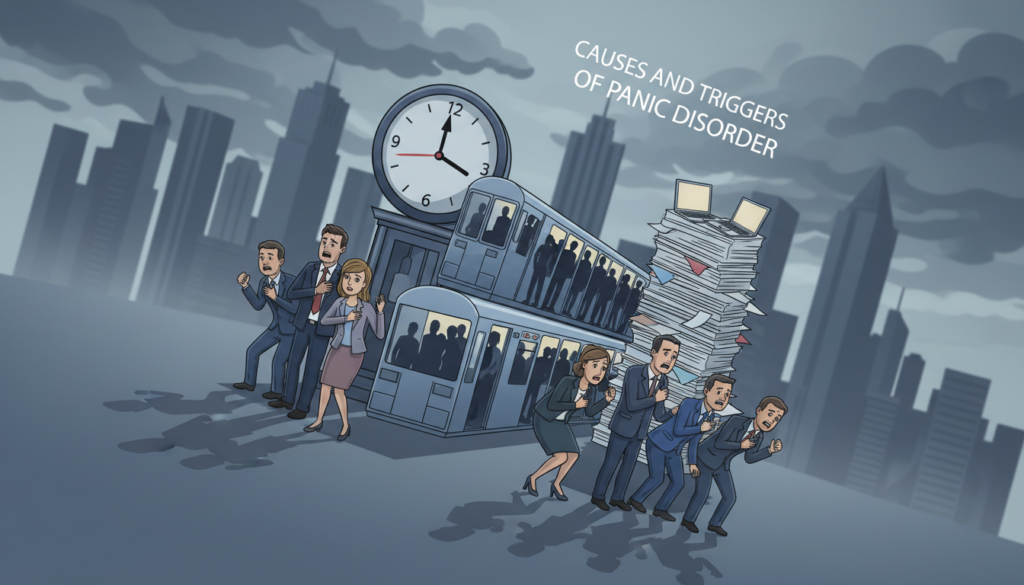
No single cause explains everything. Research points to a complex interaction between biology and environment.
Biological Influences and Neurotransmitter Imbalances
Several parts of the brain are involved in fear responses. These areas may be overactive in some individuals.
Chemical messengers called neurotransmitters are also key. Imbalances in serotonin, norepinephrine, and GABA are often linked to anxiety conditions.
Some experts describe attacks as “false alarms.” The body’s survival system fires too strongly in safe situations.
Environmental Stressors and Family History
Family history matters. Having a close relative with this condition increases risk, suggesting a genetic link.
Life events can act as triggers. Major stress, trauma, or loss can precipitate the first episode in vulnerable people.
This creates a cycle. For example, a racing heart is mistaken for danger, fueling more fear and physical symptoms.
| Factor Type | Key Influences | How They Contribute |
|---|---|---|
| Biological | Brain structure/function, Neurotransmitter levels, Genetic predisposition | Creates a vulnerability or sensitivity in the body’s fear and alert systems. |
| Environmental | Traumatic events, Chronic stress, Major life changes | Acts as a trigger that can activate an underlying biological vulnerability. |
| Psychological | Learned fear responses, Catastrophic thinking patterns | Reinforces and maintains the cycle of attacks after they begin. |
Understanding these contributors is a crucial step. For a detailed medical perspective, the Mayo Clinic provides excellent resources on potential causes.
How We Diagnose Panic Disorder
The diagnostic process for this condition involves specific criteria and thorough assessment. A clear diagnosis guides effective treatment.
The Assessment Process and What to Expect
Healthcare providers start with a detailed conversation. They ask about your symptoms, their frequency, and how they affect your life.
Doctors look for recurrent, unexpected panic attacks. They also check for persistent worry about future episodes lasting at least one month. This timeframe is crucial for diagnosis.
A physical exam rules out other health issues. Conditions like heart problems or thyroid disorders can mimic anxiety symptoms.
| Assessment Phase | Key Actions | Purpose |
|---|---|---|
| Clinical Interview | Discussing symptom history, triggers, and impact | To understand the pattern and severity of episodes |
| Physical Examination | Checking vital signs, running lab tests | To exclude medical causes for the symptoms |
| Diagnostic Criteria Review | Evaluating against standard guidelines | To confirm the condition meets defined standards |
Honesty during this process is vital. Sharing your full experience helps ensure an accurate diagnosis.
Treatment Options for Panic Disorder
Effective management of this anxiety condition begins with exploring proven treatment pathways. The goal is to reduce episodes and ease symptoms for a better quality of life.
We find that successful treatment typically involves psychotherapy, medication, or both. Choosing the right plan depends on personal needs and professional guidance.
Integrating Therapy and Medication for Lasting Relief
Combining approaches often yields the best results. Therapy helps build coping skills, while medication can manage intense symptoms.
Both methods take some time to work fully. Patience during this process is key to finding what works for you.
| Treatment Approach | Key Features | Typical Timeframe for Effect |
|---|---|---|
| Psychotherapy | Focuses on changing thought patterns and behaviors; teaches coping strategies. | Improvements often seen over weeks to months of consistent sessions. |
| Medication | Helps regulate brain chemistry to reduce symptom intensity and frequency. | May take several weeks to reach full effectiveness after starting. |
| Combined Approach | Integrates skills from therapy with chemical support from medication. | Often leads to more sustained relief, especially for moderate to severe cases. |
Personalizing Your Treatment Plan
There is no one-size-fits-all solution. Mental health professionals work with you to tailor a plan.
This collaboration considers your preferences, medical history, and lifestyle. If initial treatments aren’t enough, specialists can offer more ways to help.
With the right support, people can manage their symptoms and regain control over their daily life.
Exploring Psychotherapy Approaches
Talk therapy offers a powerful path to managing overwhelming fear and anxiety. This form of treatment, also called counseling, is highly effective. It can be delivered in person or through secure telehealth platforms.
This makes professional support accessible to people regardless of location. The goal is to provide tools that change reactions to intense physical symptoms.
Cognitive Behavioral Therapy (CBT) and Its Benefits
Cognitive Behavioral Therapy is the research-backed gold standard for this condition. It teaches different ways of thinking, behaving, and reacting to uncomfortable feelings.
For example, a person learns to identify catastrophic thoughts during an episode. They then challenge these thoughts with evidence. Replacing them with realistic interpretations reduces the frequency of attacks.
Exposure Therapy: Confronting and Overcoming Fears
Exposure therapy is a common CBT method. It focuses on confronting the fears linked to panic disorder symptoms. People gradually engage in activities they have avoided.
A specialized technique called interoceptive exposure is often used. Therapists guide individuals to experience bodily sensations, like dizziness, in a safe setting.
This helps them learn these sensations are not dangerous. The cycle of fear is broken. Therapists often combine this with relaxation exercises and breathing training.
Controlled breathing methods counteract hyperventilation. This reduces physical anxiety symptoms. Significant improvement is often seen within 12 to 16 sessions.
Medication, Healthy Habits, and Lifestyle Choices
Medication and daily habits form a powerful duo in managing intense anxiety symptoms. We find that combining these approaches offers the most comprehensive path to stability.
Antidepressants, SSRIs, and Other Medication Options
Doctors often prescribe antidepressants as a first-line treatment. Selective serotonin reuptake inhibitors (SSRIs) are common. They work by adjusting serotonin levels in the brain.
Other options include beta-blockers and benzodiazepines. Each type serves a different purpose in managing the symptoms of this disorder.
| Medication Type | Primary Use | Key Consideration |
|---|---|---|
| SSRIs/SNRIs | Long-term reduction of symptoms | May take several weeks to become fully effective |
| Beta-Blockers | Control physical reactions like rapid heartbeat | Often used for situational anxiety |
| Benzodiazepines | Provide rapid relief during acute episodes | Typically for short-term use due to risk of tolerance |
It’s important to have patience with antidepressants. They require time to work. Side effects are usually mild when doses start low.
Incorporating Exercise, Diet, and Sleep for Better Health
Healthy lifestyle choices significantly support mental health. While not a replacement for treatment, they build a strong foundation for daily life.
Regular exercise reduces tension and stress. Aim for 7-9 hours of quality sleep each night. A balanced diet also helps regulate mood.
Avoid substances that can worsen anxiety. This includes excessive caffeine, sugary drinks, and alcohol. These can trigger or intensify physical symptoms.
Activities like yoga and focused breathing promote relaxation. Connecting with supportive friends and family is also crucial for long-term wellness.
Coping Strategies and Support Resources
When overwhelming fear strikes, having a toolkit of coping strategies can make all the difference. We combine immediate techniques with long-term support to help manage difficult situations.
Practical Self-Care Techniques We Trust
During intense panic attacks, stay where you are. Practice slow, deep breathing to calm your system. Remind yourself the episode will pass, typically within minutes.
Focus on peaceful imagery. Reassure yourself that the symptoms, while frightening, are not dangerous. This reduces the fear that fuels the reaction.
For prevention, daily habits build resilience. Regular exercise lowers tension. Activities like yoga promote relaxation. Learning specific breathing exercises for anxiety is very helpful.
Avoid caffeine, sugar, and alcohol. These can worsen physical anxiety symptoms. Reading CBT-based self-help books reinforces positive ways of thinking.
Accessing Support Groups and Mental Health Services
Connecting with others who understand is powerful. Support groups reduce isolation. They provide a space to share experience panic attacks and strategies.
National organizations offer information and peer support. These resources are vital for many people. Professional mental health services provide structured care.
For immediate crisis help, the 988 Suicide & Crisis Lifeline is available 24/7. You can call, text, or chat online.
To find local mental health services, the SAMHSA website has a treatment locator. The NIMH offers tips for talking with healthcare providers about mental health.
| Support Resource | Primary Service | Contact Method |
|---|---|---|
| Anxiety UK | Information, therapy, and support groups | Website and helpline |
| Mind | Resources on understanding anxiety | Online information and local services |
| No Panic | Specialist support for panic and anxiety | Helpline and recovery programs |
| 988 Lifeline | Crisis support and suicide prevention | Call, text, or chat at 988 |
Navigating Co-occurring Conditions and Comprehensive Care
Managing mental health often involves addressing more than one condition at a time. Many people with this diagnosis also face other mental and physical health challenges.
This overlap can make symptoms more complex. It also requires a more detailed approach to care.
Managing Agoraphobia, Anxiety Disorders, and More
Common co-occurring mental health conditions include depression and other anxiety disorders. Post-traumatic stress disorder (PTSD) and obsessive-compulsive disorder (OCD) are also frequent.
One of the most common complications is agoraphobia. This involves an intense fear of places where escape seems hard. People may avoid public transport, crowds, or even leaving home.
Substance use problems can develop as some try to self-medicate. This often worsens both conditions. Physical health disorders like heart issues or irritable bowel syndrome may also be present.
The presence of multiple conditions makes treatment more complex. A comprehensive plan that addresses all aspects of a person’s health is essential for the best outcome.
Final Reflections on Managing Panic Disorder
We leave you with this final thought: recovery from overwhelming episodes is not only possible but probable with the right care. Panic disorder is a highly treatable condition.
Seeking professional help early is crucial. It prevents the problem from escalating and disrupting your life more deeply.
Finding the best treatment takes patience. What works varies for different people. Both therapy and medication need time to show full effect.
Be kind to yourself. Progress is rarely a straight line. Setbacks or occasional panic attacks are normal. They are not failures.
Celebrate every small win. This builds confidence. Ongoing research, including clinical trials, continues to improve our information and care options.
Use this guide as a trusted resource. When you’re ready, take that first step. Reach out to a health provider or share your feelings with someone you trust. Support is available, and a better quality of life is within reach.