

What if the very fear of losing control is what keeps you trapped in a cycle of anxiety?
We begin by exploring a common yet misunderstood condition. It affects 1 to 3 percent of people in the United States. Many more experience isolated, intense episodes.
Care for this anxiety condition has evolved. Research shows 70 to 90 percent of people see major improvement with the right plan. Their symptoms get better and their quality of life rises.
This issue is defined by more than sudden episodes. It involves persistent worry about future events and changes in behavior to avoid them. This creates a difficult cycle that effective care aims to break.
Our ultimate guide covers the full spectrum of options. We provide research-backed details on evidence-based paths like psychotherapy and medication. We also cover self-help and lifestyle strategies.
Finding the right path may take some time. With professional support, most individuals regain control. They return to full functioning in their daily lives.
Key Takeaways
- This anxiety condition is treatable and affects millions of Americans.
- Modern care plans are highly effective, offering hope for recovery.
- The problem involves a cycle of fear, episodes, and avoidance behaviors.
- Many evidence-based options exist, from therapy to lifestyle changes.
- Professional guidance is crucial for creating a successful management strategy.
- Improvement in symptoms and life quality is an achievable goal for most people.
Understanding Panic Disorder and Its Impact
The body’s alarm system can fire without warning, creating a perfect storm of physical and emotional distress. We call these acute episodes panic attacks.
What Are Panic Attacks and How Do They Affect Us?
These are discrete periods of intense fear or discomfort. They develop abruptly and peak within about 10 minutes.
During this time, a person experiences at least four of thirteen specific symptoms. This is the body’s fight-or-flight response activating, even without real danger.
About 10 to 33 percent of people will have an isolated attack this year. Only 2.7 percent meet the criteria for the chronic condition, which involves recurrent episodes and persistent worry.
Recognizing Physical and Emotional Symptoms
The physical symptoms are intense. They include a pounding heart, sweating, trembling, and dizziness. These sensations can feel like a heart attack.
Emotional and cognitive signs are also powerful. People may feel detached from reality or have an overwhelming fear of losing control or dying.
These surges typically last less than 10 minutes. The body cannot sustain such high arousal. This differs from general anxiety, which is more future-oriented and longer-lasting.
Panic attacks can be triggered by caffeine, exercise, or may seem to come from nowhere. This unpredictability adds to their distressing nature.
Root Causes and Triggers of Panic Disorder
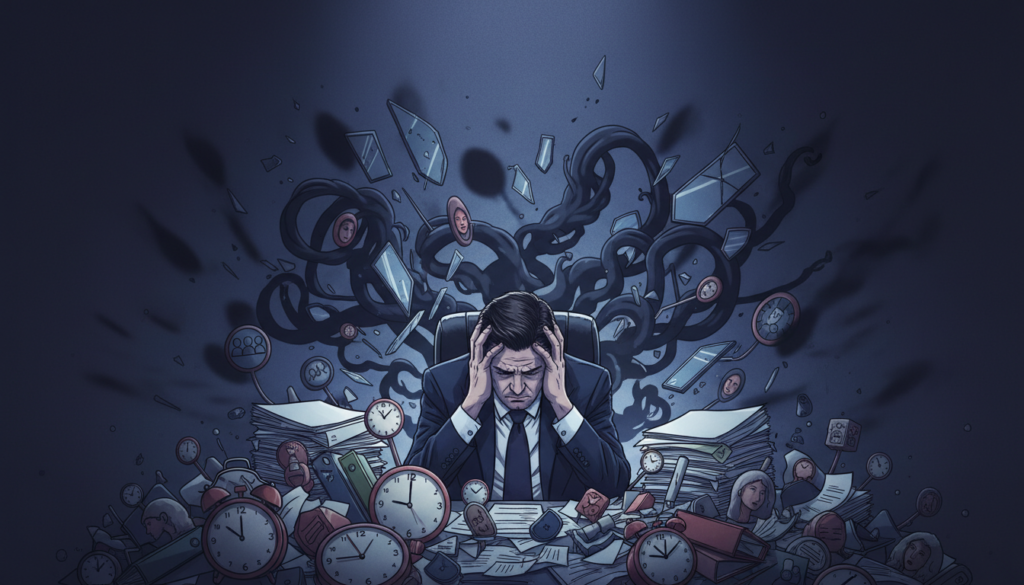
The journey into understanding why some individuals experience sudden fear surges begins with both nature and nurture. This condition may develop from a complex mix of inherited traits and life experiences.
Biological Vulnerabilities and Learned Responses
A core mechanism is anxiety sensitivity. People learn to fear normal bodily sensations. They mistake a quick heartbeat or slight dizziness as a serious threat.
This learned response is called interoceptive conditioning. Over time, the body’s natural changes can trigger intense episodes. The first panic attack often happens unexpectedly, like while driving.
Three main factors contribute to development. The table below outlines them clearly.
| Vulnerability Type | Description | Common Influences |
|---|---|---|
| Biological | Genetic predisposition to traits like negative affect. | This condition sometimes runs in a family. |
| Psychological | Early life in overly controlled environments. | Lack of chance to explore new situations. |
| Specific Experiences | Negative encounters with illness or observed fears. | Family members modeling health anxiety. |
Researchers see panic attacks as “false alarms.” The survival instinct fires too strongly. Thankfully, anxiety sensitivity is not permanent and can be unlearned.
Panic Disorder Treatment: Strategies That Work
Breaking the cycle of acute anxiety involves retraining the mind’s response to physical sensations and fear. Two well-researched paths lead to significant improvement: psychological therapy and medication management.
Cognitive Behavioral Therapy and Interoceptive Exposure
Cognitive behavioral therapy is the gold-standard psychological care. Research shows 70 to 90 percent of people see major improvement.
Sessions are typically weekly for 12 to 16 weeks. Therapists teach new ways to think and react to bodily cues.
A core technique is interoceptive exposure. People safely confront feared physical sensations, like a racing heart.
They learn these feelings are not dangerous. This reduces overall sensitivity and breaks the fear cycle.
Acceptance and Commitment Therapy is an effective offshoot. It uses mindfulness to change one’s relationship with anxiety.
Medication Options: SSRIs, Benzodiazepines, and Reuptake Inhibitors
Antidepressants are first-line pharmacological options. They improve symptoms and daily functioning for many individuals.
Studies find 61 percent of patients are free of episodes after 6-12 weeks on these drugs. This compares to 41 percent on placebo.
Selective serotonin reuptake inhibitors and tricyclic antidepressants show equal efficacy. Choice depends on side effect profiles.
Serotonin-norepinephrine reuptake inhibitors are another class. They work on two neurotransmitter systems.
Benzodiazepines offer rapid relief but pose a dependence risk. Current research indicates they are counterproductive for long-term management.
Combining medication with CBT that includes exposure techniques often yields the greatest short-term benefit. For comprehensive, evidence-based care, consulting a professional is crucial.
| Medication Class | Common Examples | Key Considerations |
|---|---|---|
| SSRIs | Citalopram, Fluoxetine, Sertraline | First-line option; improves global functioning. |
| TCAs | Clomipramine, Imipramine | Equally efficacious to SSRIs; different side effect profile. |
| Benzodiazepines | Alprazolam, Clonazepam | Rapid relief; risk of dependence with long-term use. |
Integrative Therapies and Self-Help Approaches
Integrative methods focus on changing your relationship with anxious thoughts, not just suppressing symptoms. These strategies empower you to build resilience alongside professional care.
Mindfulness, Acceptance Techniques, and ACT
Acceptance and Commitment Therapy (ACT) is a powerful approach. Psychologist Steven Hayes developed it partly to manage his own challenges.
ACT uses mindfulness and acceptance techniques. The goal is to relate differently to physical sensations of fear rather than fighting them.

This practice helps you observe thoughts and bodily feelings without judgment. It creates psychological distance from distressing experiences.
Effective Self-Guided CBT and Educational Resources
Self-directed CBT through books or videos can reduce severity. Studies show it works best with even minimal contact from a therapist.
An evidence-based book is Coping with Panic: A Drug-Free Approach to Dealing with Anxiety Attacks by Clum. It offers structured techniques for independent management.
Access to professional help can be limited by insurance or cost. Reliable educational resources provide crucial information and support.
Reputable organizations offer self-help materials and therapist directories:
- Anxiety and Depression Association of America (ADAA)
- Association for Behavioral and Cognitive Therapies (ABCT)
- Association for Contextual and Behavioral Science (ACBS)
Healthy lifestyle habits like good sleep, regular exercise, and strong social support are beneficial. They complement, but do not replace, evidence-based treatment plans.
Managing Panic Attacks Effectively
In the midst of overwhelming physical sensations, surrendering control can be the key to regaining it. This section explores safe, immediate strategies for navigating these intense episodes.
Immediate Coping Techniques and Safe Response Strategies
Common advice like “just breathe” or “calm down” can backfire. Struggling to prevent an attack often creates more fear and tension.
The most effective response is counterintuitive. Instead of fighting, allow the sensations to run their course. Acceptance, not resistance, breaks the cycle.
Remind yourself that these symptoms are not dangerous. No one has ever died from a panic attack. It is your body’s natural alarm system.
Most attacks peak within 10 minutes. The intense arousal cannot last. Knowing this provides crucial reassurance in the moment.
Acknowledge what you feel without adding scary stories. Stay present. This skill improves with practice, reducing future intensity.
These episodes are common, affecting many people each year. You are not alone in this experience.
Confronting Co-occurring Conditions
For many individuals, the experience of sudden, intense fear is complicated by the presence of additional conditions. Addressing these co-occurring issues is often vital for a full recovery.
Understanding Agoraphobia, Depression, and Anxiety Disorders
Approximately one-third of people with panic disorder develop agoraphobia. This involves a powerful fear of situations where escape feels hard, like crowded stores or public transit.
Avoidance of these situations can become severe. It may progress to a fear of leaving home entirely.
The link with depression is also significant. About one in three patients with this panic condition experiences depression. Alarmingly, one in five attempts suicide.
Other mental health disorders commonly appear alongside. These add complexity to the clinical picture.
- Other anxiety disorders
- Post-traumatic stress disorder
- Obsessive-compulsive disorder
- Bipolar disorder
Physical health issues like thyroid problems or irritable bowel syndrome are also frequent. Substance misuse is another common challenge.
This combination makes care more complex. Integrated treatment plans that address all conditions together are most effective.
Optimizing Long-Term Mental Health and Recovery
The path to long-term stability involves more than managing episodes. It’s about cultivating a lifestyle that prevents their return.
Establishing a Supportive Care Network and Healthy Habits
Sustained wellness often requires a team. Your care network may include a primary care doctor, psychiatrist, psychologist, or clinical social worker.
Finding the best treatments can take time and some trial and error. Both psychotherapy and medications need time to show their full effects.
Each professional plays a distinct role in integrated treatment. The table below outlines their key contributions.
| Provider Type | Key Role | Focus Area |
|---|---|---|
| Primary Care Doctor | Initial assessment and medical rule-out. | Physical health and coordination. |
| Psychiatrist | Diagnosis and medication management. | Medical aspects of mental health. |
| Psychologist | Provides therapy like CBT. | Behavioral and cognitive skill-building. |
| Clinical Social Worker | Therapy and resource connection. | Social support and environmental factors. |
For those on antidepressants, treatment should continue for at least six months after symptoms resolve. When stopping, close monitoring helps catch any returning conditions early.
A healthy lifestyle is a powerful ally. Good sleep, regular exercise, and nutrition help combat this disorder.
Strong connections with family and friends provide crucial support. These habits complement, but cannot replace, professional care.
Staying connected with your mental health team, even after improvement, ensures ongoing control. It allows for quick help if unexpected panic attacks threaten a return.
Final Insights for Overcoming Panic and Finding Relief
Reclaiming a life free from sudden fear is a journey grounded in evidence and hope.
This anxiety condition is highly treatable. Most people see major improvement with the right care plan.
If your symptoms disrupt daily life, seeking professional help is a crucial step. Many individuals first learn about their situation after emergency room visits.
Proper evaluation leads to effective therapy, like cognitive behavioral approaches. Educate yourself about signs and options.
Open communication with trusted support networks also aids recovery. Be patient and compassionate with your progress.
Setbacks are normal. With a dedicated plan, you can regain control and lasting well-being.