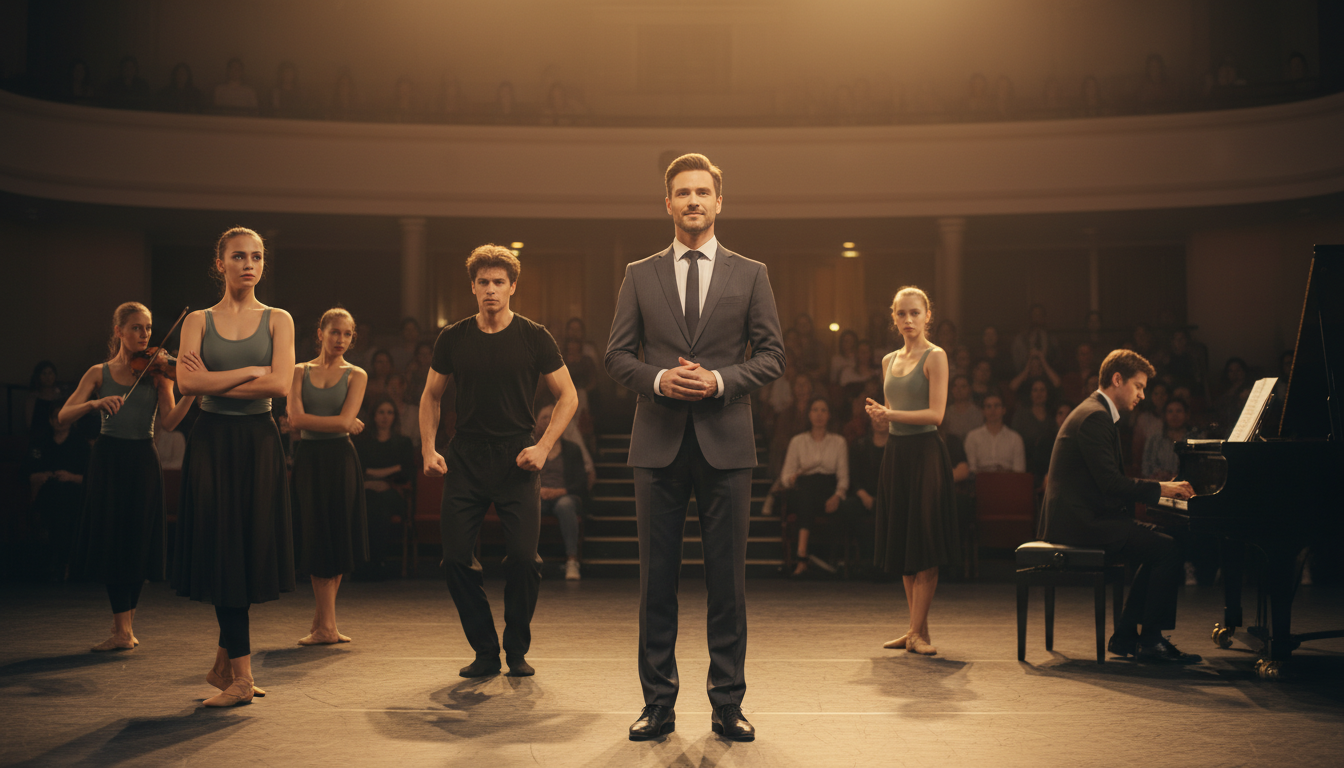
Have you ever felt your heart race before a big moment? We call this “stage fright,” but is it just fear or something more? Many of us feel nervous during stressful exams or public speeches.
Dr. Callard-Moore says this is part of an anxiety disorder. It’s not just for stages or shows. We see it in classrooms and offices everywhere.
Understanding these feelings helps us take back control. We need to see how they affect our health. By facing our fears, we can shine in any situation.
Key Takeaways
- It is often known as stage fright in common settings.
- This condition connects to social or panic-related issues.
- Stressful events like tests often trigger the symptoms.
- These feelings can cause significant distress in daily life.
- Identifying the cause helps us manage the inner pressure.
- It is a recognized part of mental health categories.
Understanding Performance Anxiety: What It Is and How It Affects Us
Stage fright is common, but performance anxiety is even wider. It happens in many situations where we need to do well. It affects many of us in different parts of life.
Defining Performance Anxiety
Performance anxiety is feeling scared or worried before doing something important. Dr. Callard-Moore says it makes normal nerves worse. It can even stop us from doing things.
Common Situations That Trigger It
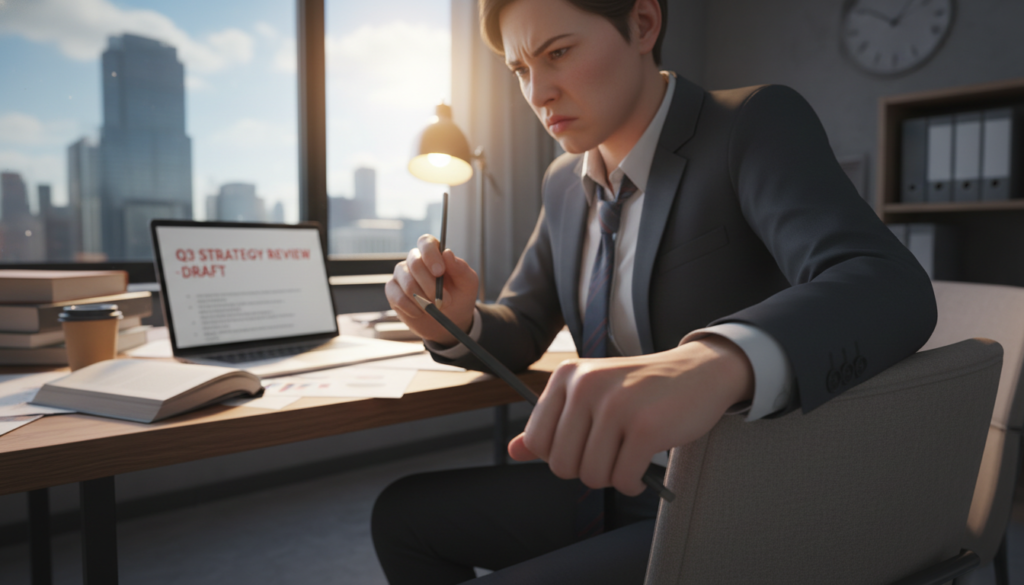
Many things can make us feel anxious, like speaking in public or playing music. Even tests or work reviews can cause it. Any time we feel like we’re being judged can make us anxious.
The Psychological Impact of Performance Anxiety
Performance anxiety can really affect us. It can make us feel stressed, doubt ourselves, and fear failure. Knowing this helps us find ways to deal with it.
| Situation | Common Anxiety Trigger | Potential Impact |
|---|---|---|
| Public Speaking | Fear of being judged | Increased heart rate, sweating |
| Musical Performances | Fear of making mistakes | Trembling, memory lapses |
| Athletic Competitions | Pressure to win | Muscle tension, distraction |
Knowing about performance anxiety helps us tackle it. We can start to find ways to handle it better.
Symptoms of Performance Anxiety: Recognizing the Signs
Performance anxiety shows up in many ways. It can affect our body, mind, and how we feel. Let’s look at these signs.
Physical Symptoms We Might Experience
Our body reacts when we feel anxious. We might have a fast heart rate, trouble breathing, or shake. We might sweat a lot, have a dry mouth, or feel sick to our stomach. Our muscles can also get tight.
These signs are our body’s way of getting ready to face or run from a situation.
To better understand these physical symptoms, let’s look at them in a structured format:
| Physical Symptom | Description |
|---|---|
| Increased Heart Rate | A faster heart rate is a common response to anxiety, preparing the body for action. |
| Shortness of Breath | Rapid breathing can occur, leading to feelings of lightheadedness or dizziness. |
| Trembling or Shakiness | Muscles may tremble or shake, affecting performance, especially in tasks requiring fine motor skills. |
Emotional and Cognitive Indicators
Performance anxiety also affects our feelings and thoughts. We might feel scared, worried, or doubt ourselves. These feelings can be as hard to deal with as the physical signs.
Negative self-talk is a common thought pattern. We might say mean things to ourselves or think we’ll fail. This can make our anxiety worse.
Variability in Symptoms Across Individuals
Everyone’s experience with performance anxiety is different. What one person feels might not be the same for another. This shows why we need to find ways to manage anxiety that work for us.
By knowing these symptoms, we can start to find ways to manage stress and relax. We can use techniques that fit our needs.

Causes of Performance Anxiety: Why It Happens
Performance anxiety comes from many places. It’s about what’s inside us and what’s outside. Knowing why it happens is key to handling it.
Fear and Perfectionism
Things inside us can make us anxious. Fear of failure and perfectionism are big ones. If we worry about not meeting expectations, we get anxious.
Perfectionism might seem good, but it can also make us anxious. It sets high standards that are hard to reach.
Some common things inside us that cause anxiety include:
- Fear of failure or making mistakes
- Perfectionism and high self-expectations
- Low self-esteem or confidence
External Pressures
Things outside us also affect our anxiety. The need to do well in front of others can be too much. Societal expectations and feeling judged can make it worse.
Important things outside us that cause anxiety include:
- Being in front of an audience
- Societal expectations and pressures
- Lack of preparation or not being trained enough
The Impact of Past Experiences
Our past can also affect our anxiety. A bad experience or failure can make us more anxious. Cognitive behavioral therapy (CBT) can help deal with these past experiences.
By understanding these causes, we can start to fight performance anxiety. It’s a tough issue, but it can be managed with the right steps.
Coping Strategies for Performance Anxiety: Tools and Techniques
We can beat performance anxiety with many techniques. These help calm our nerves and make us feel more confident. They are key for handling the physical and emotional signs of performance anxiety.
Breathing Exercises to Calm Our Nerves
Breathing exercises are a simple yet effective way to reduce anxiety. Slow, deep breaths calm our nervous system. They help lessen symptoms like a racing heart and trembling.
To do deep breathing, inhale slowly through your nose. Hold your breath for a few seconds. Then, exhale slowly through your mouth. This easy technique can be done anywhere, anytime, making it great for managing performance anxiety.
Positive Self-Talk and Visualization Techniques
Positive self-talk means replacing negative thoughts with positive ones. Focusing on our strengths and past wins boosts our confidence and lowers anxiety.
Visualization is imagining ourselves doing well and overcoming challenges. It builds confidence and prepares us for performance pressures.
Seeking Professional Help: Therapy and Counseling
For some, performance anxiety is too much to handle. Getting help from a therapist or counselor can be very helpful.
A mental health expert can offer personalized advice and support. They help us find effective ways to cope and deal with underlying issues that cause performance anxiety.
Overcoming Performance Anxiety: Steps We Can Take
Beating performance anxiety needs many steps. We must use different methods and change our thinking. It’s a journey that takes time, effort, and a flexible mind.
We can learn to do our best, even when it’s hard. This means fixing the symptoms and finding the root causes.
Setting Realistic Goals and Expectations
First, we should set realistic goals and expectations. This lowers the stress we feel. It helps us feel good about reaching our goals.
Breaking big goals into smaller ones is smart. It makes goals easier to reach. For example, if you’re nervous about speaking in public, start by speaking to a few people. Then, slowly add more people.
Building Confidence Through Practice
Building confidence through practice is key. The more we practice, the more we get used to it. Using relaxation techniques helps us stay calm while we practice.
Practice helps us see what we need to work on. It lets us get better. Whether it’s alone, with friends, or getting feedback, keep trying.
The Importance of Support Systems
A support system is very important. It can be friends, family, or professionals. Cognitive behavioral therapy (CBT) is great for changing our thoughts and actions.
Support groups, online or in-person, are also helpful. They offer a sense of belonging and understanding. Hearing others’ stories can be very inspiring.
Resources for Further Support: Finding Help
Managing mental health is a journey. There are many resources to help with social anxiety and improve well-being.
Educational Materials
Books and online courses can teach a lot about performance anxiety. For example, TED Talks on public speaking and the Mindfulness and Acceptance Workbook for Anxiety offer helpful tips. You can find more on Positive Psychology.
Community Support
Support groups and communities are great too. They provide a safe place to share and learn from others.
Anxiety Management Tools
There are also apps and tools for managing anxiety. They can be used with therapy or alone to help with performance anxiety.