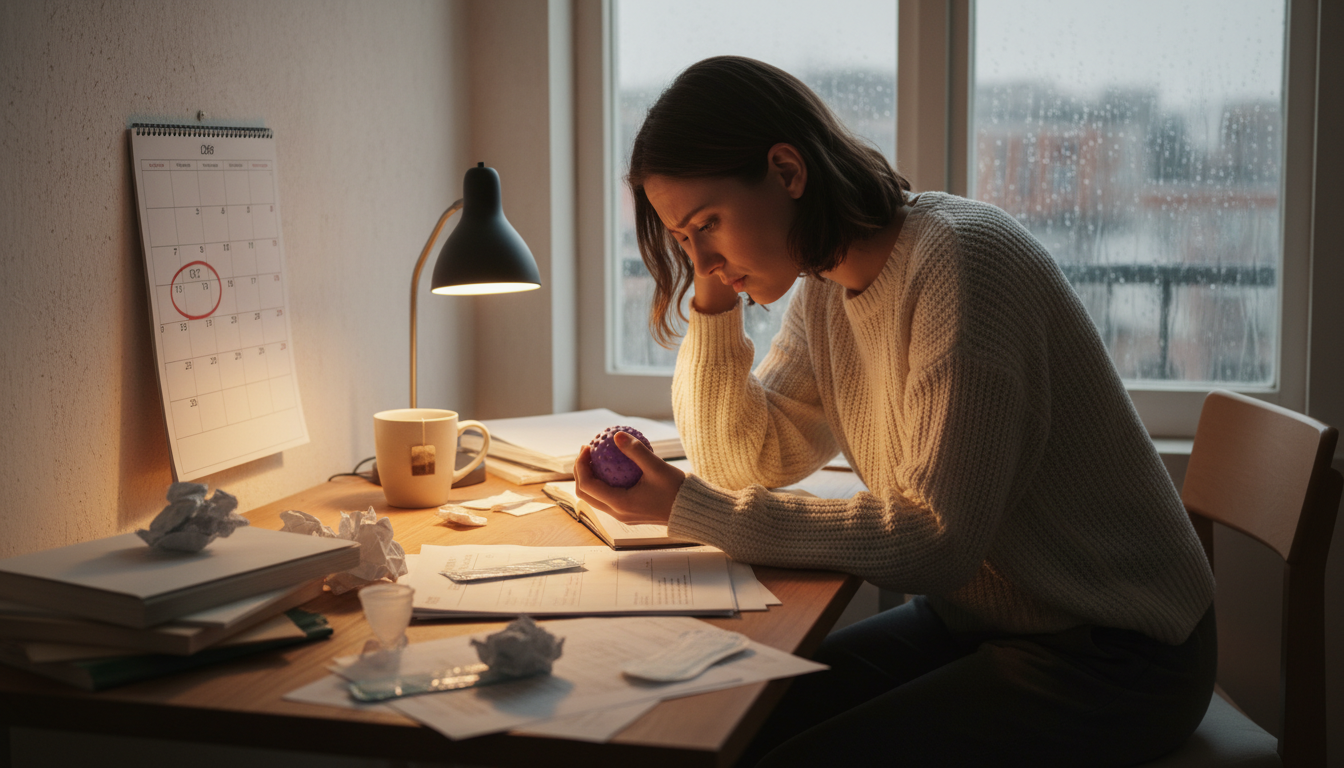
Many of us feel a mood change when our period comes. This change can make us feel stressed and sad. It’s hard to explain why we feel this way.
The Cleveland Clinic says Premenstrual Dysphoric Disorder is a serious issue. It can hurt your life, relationships, and job. Learning about our period is the first step to feeling better.
Things outside us, like medicines, can affect our feelings too. Some people wonder if vyvanse anxiety is linked to hormonal changes. It’s important to understand these patterns for our health.
Managing our monthly changes takes time and the right information. We should keep track of our symptoms. This helps us see how they affect our daily life. By recognizing these signs, we can get the help we need to live better.
Key Takeaways
- Premenstrual Dysphoric Disorder is a serious health condition.
- Hormonal shifts can disrupt your work and personal life.
- Medications like Vyvanse may contribute to emotional stress.
- Tracking your monthly cycle helps you identify patterns.
- Knowledge is the first step toward finding relief.
- Seeking professional support improves your daily quality of life.
Understanding What Period Anxiety Is and Why It Happens
Period anxiety comes from changes in hormones and how they affect our mind. The menstrual cycle does more than just change our body. It also changes how we feel and think.
Studies show that hormone changes in the menstrual cycle can make anxiety worse. When estrogen and progesterone levels fall, it can mess with brain chemicals like serotonin. This can make some people feel more anxious.
The Connection Between Hormones and Anxiety
The menstrual cycle brings big changes in hormones. These changes affect our mood and body. Dr. Heidi Green says knowing this helps us deal with anxiety during our period.
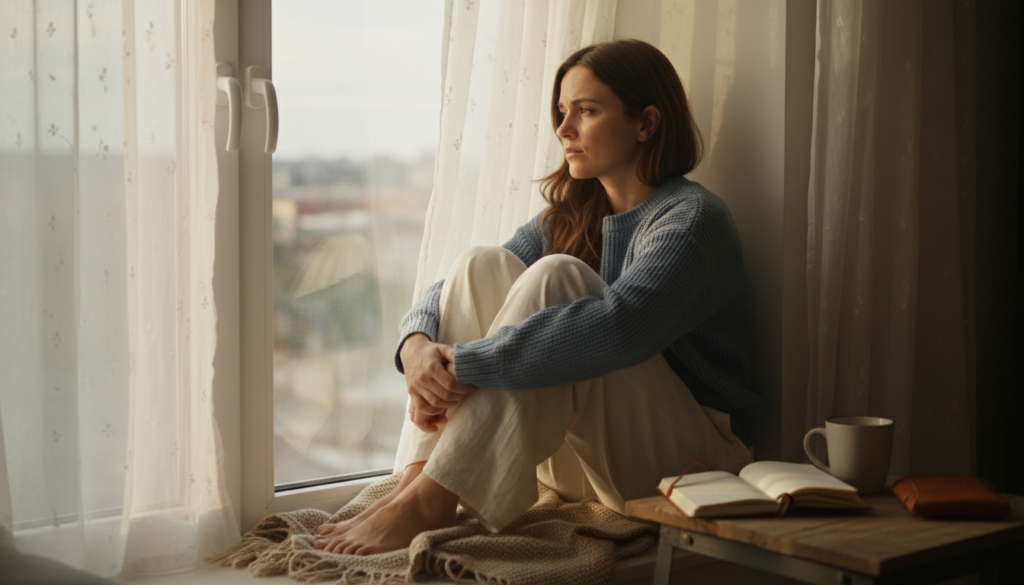
Estrogen helps keep our brain happy by making serotonin. When estrogen goes down, our brain might not make as much serotonin. This can make us feel more anxious. For more info, check out Medical News Today.
How the Menstrual Cycle Affects Our Mental Health
The menstrual cycle affects our mind in many ways. It can make us feel irritable, moody, and even depressed. Seeing these feelings as part of a bigger issue is key to feeling better.
- Mood swings and irritability
- Increased anxiety and stress
- Depression and feelings of overwhelm
Knowing how the cycle affects us can help us get ready and manage our feelings better.
Common Triggers of Period-Related Anxiety
Many things can make period anxiety worse. These include:
- Hormonal changes, especially when estrogen drops
- Stress and not knowing how to handle it
- Things like diet and exercise habits
Some medicines, like Vyvanse, can also make anxiety worse. Talking to a doctor about vyvanse and anxiety is important to find the right solution.
By knowing what causes period anxiety, we can take steps to feel better and live better.
Recognizing the Signs and Symptoms We Experience
It’s important to know the signs of period anxiety. This helps us manage it better. Period anxiety can show up in many ways. So, it’s key to spot its signs to get the right care.
Physical Symptoms to Watch For
Period anxiety can cause physical symptoms. These include:
- Rapid heartbeat or palpitations
- Sweating or tremors
- Nausea or stomach discomfort
- Fatigue or changes in sleep
These symptoms can be scary and make anxiety worse. For more info, check out Healthline’s guide on anxiety before your.
Emotional and Mental Warning Signs
Emotional and mental signs are also important. They include:
- Increased irritability or mood swings
- Feelings of overwhelm or panic
- Difficulty concentrating or making decisions
- Restlessness or feeling on edge
Spotting these signs helps us manage period anxiety better.
How to Differentiate Period Anxiety from PMS
Telling period anxiety from PMS can be hard. They share some symptoms. But knowing the differences is key for the right treatment.
| Symptoms | Period Anxiety | PMS |
|---|---|---|
| Primary Symptoms | Anxiety, panic, fear | Mood swings, bloating, breast tenderness |
| Emotional Impact | Significant distress, daily life impact | Mood changes, irritability |
| Physical Symptoms | Rapid heartbeat, sweating, tremors | Bloating, cramps, fatigue |
While both have some similar symptoms, period anxiety focuses on anxiety. Knowing this helps find the right treatment. This might include vyvanse anxiety treatment if a doctor suggests it.
It’s also important to know about vyvanse anxiety side effects. This helps manage it better.
Step-by-Step Guide to Managing Period Anxiety
Managing period anxiety is a journey. It involves understanding your body and making lifestyle choices. You also need to learn stress management.
Step 1: Start Tracking Your Cycle and Symptoms
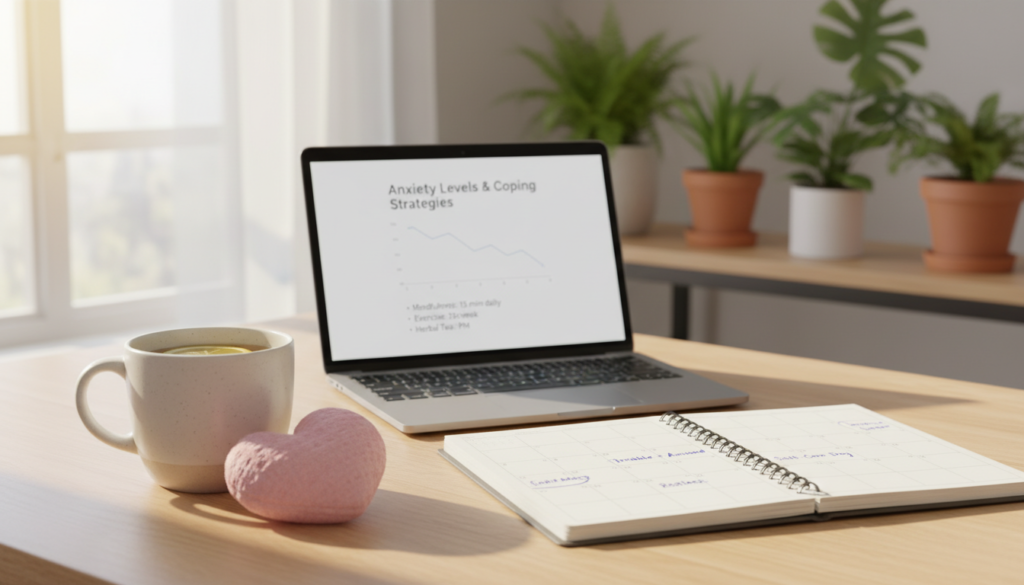
Tracking your cycle and symptoms is key. It helps you find patterns and triggers.
Choosing the Right Tracking Method
There are many ways to track your cycle. You can use paper calendars or apps like Clue or Flo. Find a method that works for you.
Dr. Heidi Green says knowing your body’s rhythms is important. It helps you make better health choices.
What to Record Daily
Write down your symptoms, how you feel, and other important details. This helps you see how your cycle affects your anxiety.
Step 2: Implement Lifestyle Changes
Making lifestyle changes is important. This includes eating right, exercising, and sleeping well.
Nutrition Strategies for Hormonal Balance
Eat a balanced diet with lots of fruits and veggies. Include foods like salmon for your mental health.
Exercise Routines That Help
Exercise helps by releasing happy hormones. Try to exercise for 30 minutes a day.
Optimizing Sleep Patterns
Good sleep helps with hormones. Sleep well by setting a regular schedule and relaxing before bed.
Step 3: Apply Stress-Reduction Techniques
Stress-reduction techniques are key. Try breathing exercises, relaxation, and mindfulness.
Breathing and Relaxation Exercises
Deep breathing calms you down. Try diaphragmatic breathing or yoga to reduce stress.
Mindfulness Practices
Mindfulness meditation keeps you in the present. It helps you not worry about the future or past.
“Mindfulness is the awareness that arises through paying attention on purpose, in the present moment, and non-judgmentally to the unfolding of experience.”
Step 4: Create Your Support Network
A support network is important. It can be friends, family, or support groups.
Common Mistakes to Avoid When Managing Symptoms
Don’t ignore self-care or your body’s signals. Be proactive and patient with your progress.
For some, managing period anxiety means understanding how Vyvanse affects them. Resources like vyvanse anxiety reddit offer insights from others.
Understanding How Vyvanse and Other Medications Affect Menstrual Anxiety
It’s important to know how Vyvanse and menstrual anxiety work together. Many people with period anxiety also take Vyvanse for ADHD. We need to understand how these medicines affect anxiety.
The Relationship Between Vyvanse and Anxiety
Vyvanse is used for ADHD but can affect anxiety levels. It might make anxiety worse, especially during your period. The Cleveland Clinic says it’s key to know how Vyvanse impacts PMDD and menstrual anxiety.
Key factors to consider:
- How sensitive you are to stimulants
- The amount and when you take Vyvanse
- If you have other mental health issues
Vyvanse Anxiety Side Effects During Your Cycle
Some people feel more anxious when taking Vyvanse during their period. Hormonal changes might make the body react differently to the medicine.
Common side effects include:
- Increased heart rate and blood pressure
- Feeling more alert and jittery
- Changes in mood, like more anxiety
Strategies for Managing Vyvanse-Related Anxiety
Dealing with Vyvanse-related anxiety needs a few steps. You can change your lifestyle, reduce stress, and maybe adjust your Vyvanse dose.
Doctors say, “Changing how much Vyvanse you take can help with anxiety.”
“Adjusting the dosage of stimulants like Vyvanse can help mitigate anxiety side effects.”
When to Talk to Your Doctor About Medication Adjustments
If Vyvanse makes you really anxious, especially during your period, talk to your doctor. They can figure out the best plan, like changing your medicine or adding new ways to handle anxiety.
Signs that you should consult your doctor:
- Severe anxiety that gets in the way of daily life
- Big mood or physical symptom changes
- Having trouble with anxiety even with current methods
Conclusion
Understanding and managing period anxiety is key for our well-being. We talked about how hormones and anxiety are linked. We also found out what triggers and symptoms are common.
We learned how to deal with period anxiety. This includes tracking our cycle and making lifestyle changes. We also found ways to reduce stress.
It’s important to know how medicines like Vyvanse affect our anxiety during our period. With the right steps, we can fight period anxiety. This helps us live better lives.