
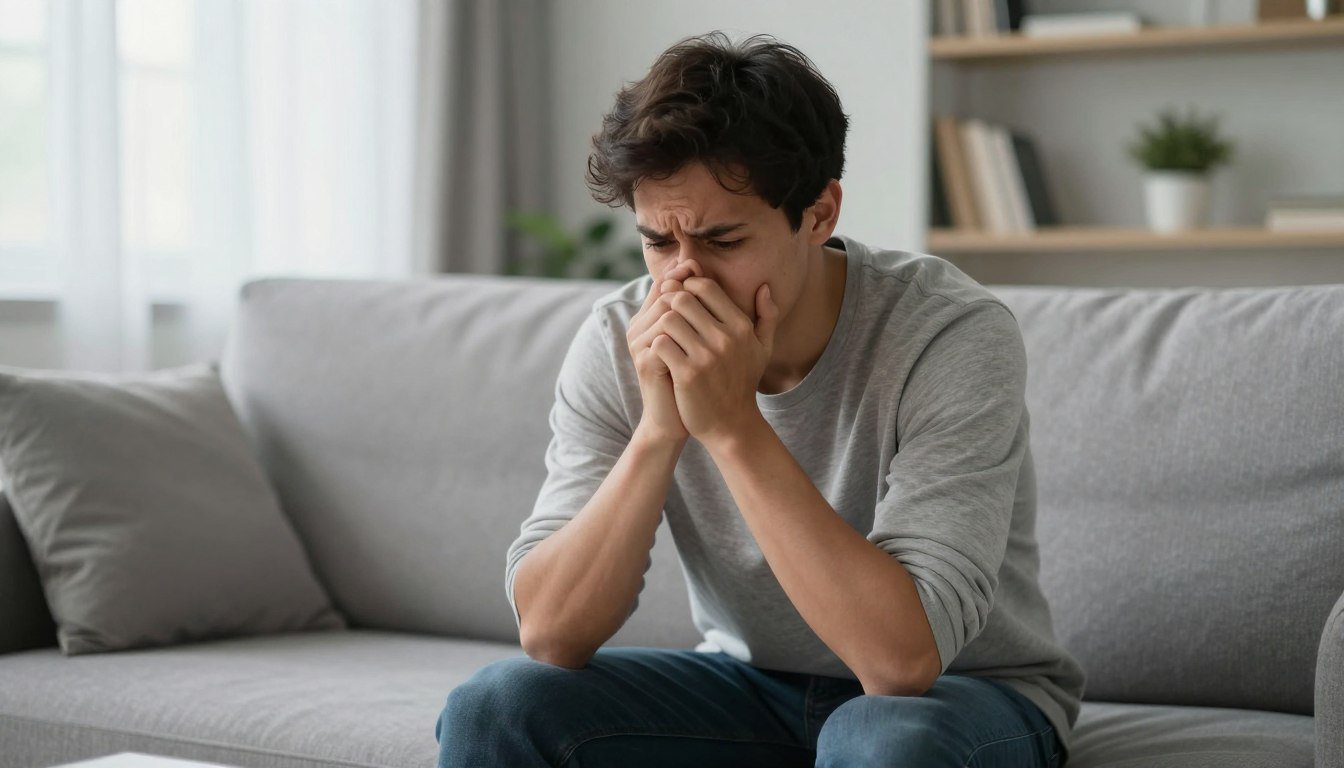
This specific phobia affects people across all ages and backgrounds. Unlike simple loneliness or a preference for company, monophobia triggers genuine panic attacks and compulsive avoidance behaviors. People with this condition may struggle to maintain relationships, advance in their careers, or perform basic tasks that require being alone. The constant fear creates a cycle of anxiety that can feel impossible to break.
Understanding this phobia is the first step toward recovery. This comprehensive guide explores what monophobia truly means, how to recognize its symptoms, what causes this intense fear, and most importantly, how effective treatment can help you reclaim your life. Whether you’re experiencing these feelings yourself or supporting someone who is, knowledge empowers you to take action.
What Is the Phobia of Being Alone?
The phobia of being alone, scientifically termed monophobia or autophobia, represents an intense, irrational fear of being by yourself. This anxiety disorder goes far beyond simply preferring company or feeling occasional loneliness. It’s a persistent condition where the mere thought of being alone triggers overwhelming fear and panic.
Mental health professionals classify monophobia as a specific phobia—a type of anxiety disorder focused on a particular situation or object. The term “monophobia” comes from the Greek words “mono” (alone) and “phobos” (fear). Alternative names include autophobia, isolophobia, and eremophobia, though they all describe the same core fear.
Key Characteristics
People with monophobia experience several distinct features that separate this condition from general anxiety or loneliness. The fear remains disproportionate to any actual danger. Someone might feel terrified even in their own secure home. The anxiety persists for at least six months and significantly impacts daily functioning.
- Immediate anxiety response when alone or anticipating solitude
- Recognition that the fear is excessive or unreasonable
- Avoidance behaviors that disrupt normal life activities
- Physical symptoms including rapid heartbeat and sweating
- Difficulty maintaining healthy relationships due to excessive need for companionship
Monophobia vs. Loneliness: Understanding the Difference
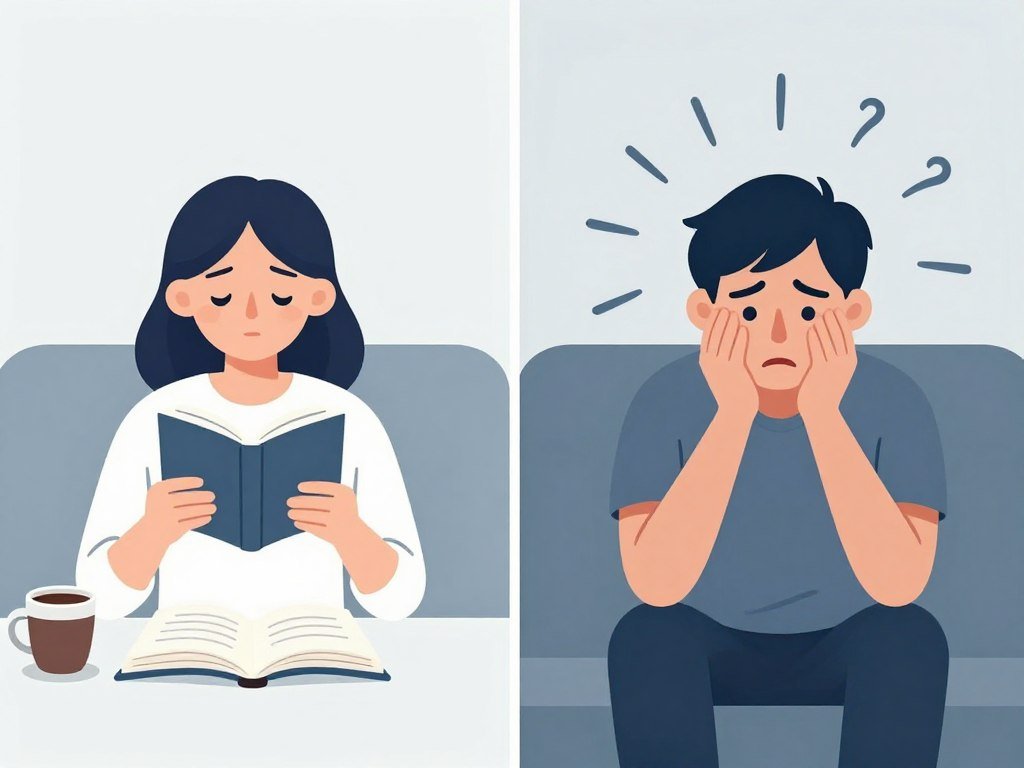
Many people confuse the phobia of being alone with simple loneliness, but these experiences differ fundamentally. Loneliness is an emotional state where you feel sad or disconnected due to lack of social connections. You might feel lonely even in a crowded room if you lack meaningful relationships. This feeling, while unpleasant, doesn’t typically cause panic or physical symptoms.
Monophobia, in contrast, triggers acute anxiety and fear reactions. People with this specific phobia experience symptoms regardless of whether they actually feel lonely or have strong social connections. The fear stems from being alone itself, not from a lack of relationships. Someone with monophobia may have loving family and friends but still panic when physically separated from others.
Important Distinction: Approximately 12.5% of adults in the United States experience a specific phobia at some point in their lives. While loneliness affects mental health, monophobia creates immediate, intense physiological responses that qualify as an anxiety disorder requiring professional treatment.
Recognizing the Symptoms of Monophobia
The symptoms of the phobia of being alone manifest across emotional, physical, and behavioral dimensions. Understanding these signs helps individuals recognize when fear has crossed from normal concern into a clinical condition requiring support. The intensity and frequency of symptoms typically exceed what most people experience with general anxiety.
Emotional and Psychological Symptoms
The psychological impact of monophobia extends beyond simple fear. People with this condition often experience persistent worries that consume their thoughts throughout the day. These mental symptoms can be just as debilitating as physical manifestations.
- Overwhelming dread when anticipating time alone
- Constant worry about being abandoned or left behind
- Feeling ignored or isolated even in groups of people
- Catastrophic thinking about potential dangers when alone
- Difficulty concentrating on tasks due to anxiety about solitude
- Persistent sense of vulnerability or helplessness
- Intrusive thoughts about worst-case scenarios
Physical Symptoms
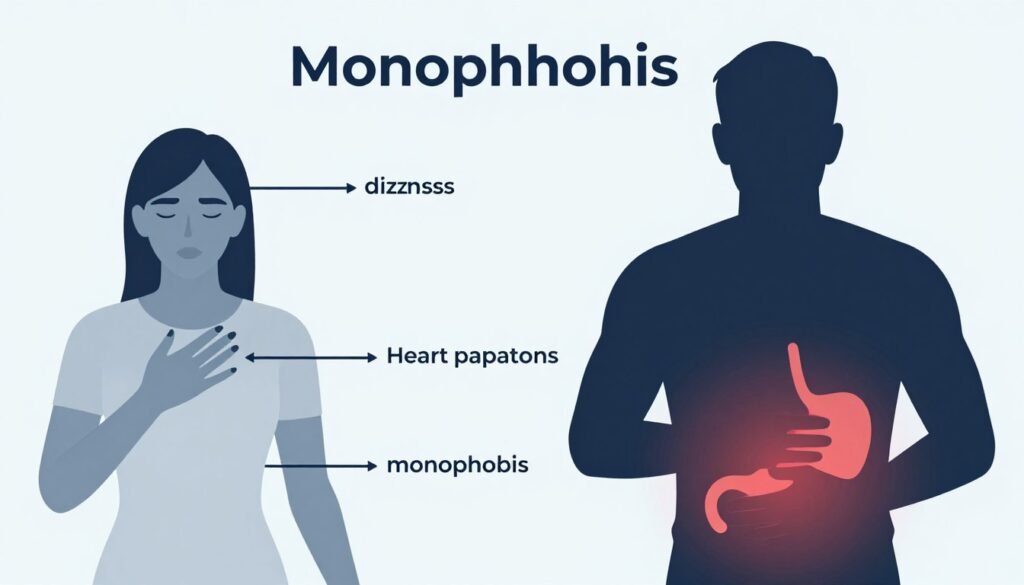
When someone with monophobia faces being alone, their body launches a fight-or-flight response. These physical symptoms can feel frightening and may mirror those of serious medical conditions, though they stem from anxiety rather than physical illness.
Immediate Physical Reactions
- Rapid heartbeat or heart palpitations
- Chest tightness or pain
- Shortness of breath or hyperventilation
- Excessive sweating or chills
- Trembling or shaking
- Nausea or upset stomach
- Dizziness or lightheadedness
- Feeling faint or actually fainting
Secondary Physical Effects
- Difficulty sleeping when alone
- Fatigue from chronic stress
- Headaches or muscle tension
- Digestive problems
- Weakened immune system from prolonged anxiety
Behavioral Symptoms and Avoidance Patterns
People with the phobia of being alone develop specific behaviors designed to avoid solitude. These coping mechanisms may provide temporary relief but ultimately reinforce the fear and limit independence.
- Refusing to stay home alone under any circumstances
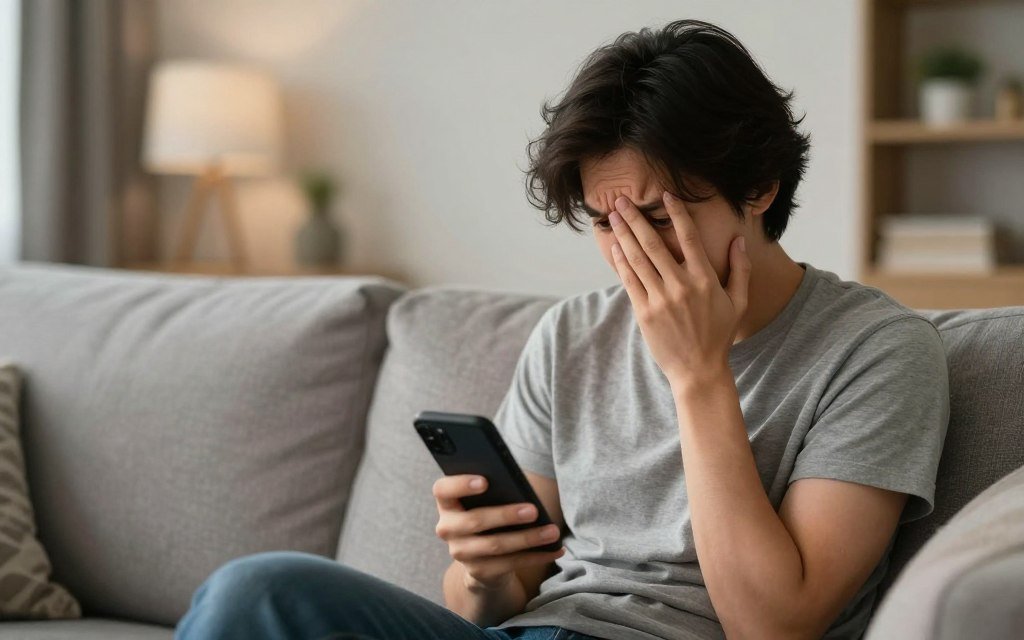
- Constantly texting or calling others for reassurance
- Avoiding activities that require being alone, such as traveling or running errands
- Staying in unhealthy relationships to avoid being alone
- Excessive need for companionship that strains relationships
- Panic attacks when unexpectedly left alone
- Difficulty completing work or school tasks that require solitary time
Experiencing These Symptoms?
If you recognize several of these symptoms in yourself or a loved one, professional support can help. Monophobia is highly treatable, and you don’t have to face this fear alone. Mental health professionals specialize in anxiety disorders and can provide effective treatment strategies.
Free, confidential support available 24/7 for mental health concerns
What Causes the Phobia of Being Alone?
Understanding the root causes of monophobia helps demystify this condition and paves the way for effective treatment. Like most anxiety disorders, the phobia of being alone typically develops from a complex interaction of genetic, environmental, and psychological factors. Rarely does a single cause explain why someone develops this specific phobia.
Childhood Trauma and Adverse Experiences
Early life experiences significantly shape how we perceive safety and connection. Many adults with monophobia can trace their fear to traumatic childhood events. When a child experiences abandonment, neglect, or separation during critical developmental periods, their brain may form lasting associations between being alone and danger.
Common Childhood Triggers
- Parental divorce or separation
- Death of a parent or primary caregiver
- Extended hospitalization or separation from family
- Physical, emotional, or sexual abuse
- Chronic neglect or emotional unavailability of caregivers
- Witnessing domestic violence
- Economic instability leading to family stress
- Frequent moves or disrupted attachments
These adverse childhood experiences teach the developing brain that being alone equals vulnerability. A child who was left alone during a frightening event, for instance, may develop lasting fear associations. The brain remembers: “When I was alone, something bad happened.” This neural pathway can persist into adulthood, even when the person intellectually knows they’re safe.
Research shows that people who experienced childhood adversity have higher rates of anxiety disorders, including specific phobias. The earlier and more severe the trauma, the stronger the potential impact on adult mental health.

Genetic and Biological Factors
Biology plays a significant role in anxiety disorders. If you have family members with phobias or anxiety conditions, you’re more likely to develop similar issues. Genetics doesn’t guarantee you’ll develop monophobia, but it can create vulnerability.
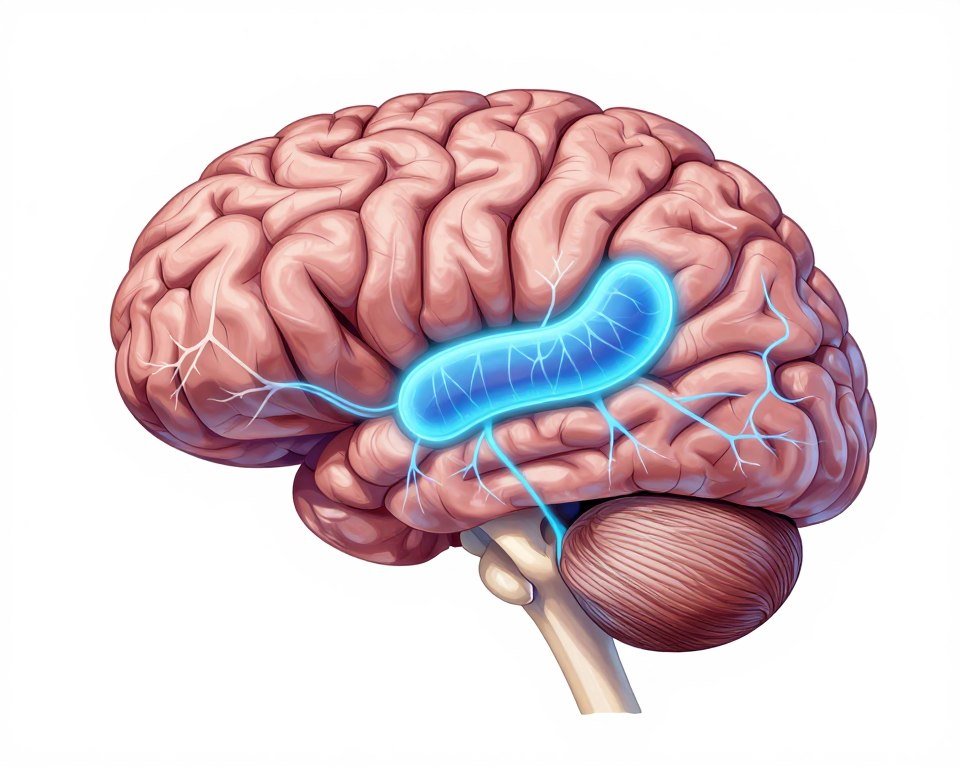
Neuroscience research reveals that people with anxiety disorders often have differences in brain structure and function. The amygdala, which processes fear, may be more reactive. Stress hormones like cortisol may be elevated even at baseline. These biological factors can make some individuals more susceptible to developing the phobia of being alone after triggering experiences.
Learning and Environmental Influences
Sometimes monophobia develops through observational learning. If a child grows up with a parent who exhibits extreme fear of being alone, they may internalize similar anxiety patterns. This learned behavior doesn’t require direct trauma—simply witnessing someone else’s fear responses can shape your own reactions.
Cultural factors also contribute. Societies that emphasize community and collective living may inadvertently reinforce discomfort with solitude. Modern social media can exacerbate feelings that being alone means missing out or being left behind, particularly affecting younger adults and teenagers.
Co-occurring Mental Health Conditions
Monophobia rarely exists in isolation. It frequently co-occurs with other mental health conditions that either contribute to or result from the fear of being alone.
Conditions That May Contribute to Monophobia
- Generalized anxiety disorder—creating baseline anxiety that amplifies specific fears
- Panic disorder—fear of having panic attacks when alone with no one to help
- Agoraphobia—fear of being in situations where escape is difficult
- Borderline personality disorder—intense fear of abandonment
- Dependent personality disorder—feeling incapable of self-care
- Post-traumatic stress disorder—especially after trauma experienced while alone
Conditions That May Result from Monophobia
- Depression—from isolation and lifestyle limitations
- Substance use disorder—attempting to self-medicate anxiety
- Other specific phobias—generalizing fear to related situations
- Social anxiety—difficulty forming healthy boundaries in relationships
- Attachment disorders—problematic relationship patterns
Specific Triggering Events
Sometimes the phobia of being alone develops after a specific traumatic event in adulthood. These triggering experiences create powerful associations between being alone and danger.
- Experiencing a medical emergency while alone with no one to call for help
- Being the victim of a crime such as a home invasion or assault
- Having a panic attack while alone and feeling unable to cope
- Losing a spouse or long-term partner suddenly
- Witnessing a traumatic event without social support
- Getting lost or stranded in an unfamiliar location
After such events, the brain forms protective mechanisms. “Being alone led to danger before, so I must avoid being alone to stay safe.” While this response made evolutionary sense for our ancestors, in modern contexts it often becomes maladaptive and creates more problems than it solves.
How Is Monophobia Diagnosed?
Diagnosing the phobia of being alone requires evaluation by a qualified mental health professional. Unlike physical illnesses that can be confirmed with blood tests or imaging, mental health conditions rely on careful clinical assessment. A psychologist, psychiatrist, or licensed therapist will conduct a comprehensive evaluation to determine whether your symptoms meet the criteria for a specific phobia.
The Diagnostic Process
While monophobia itself isn’t listed as a separate condition in the Diagnostic and Statistical Manual of Mental Disorders (DSM-5), it falls under the category of specific phobic disorders. Mental health professionals use established criteria to assess whether your fear qualifies as a clinical phobia versus normal anxiety.
DSM-5 Criteria for Specific Phobia Diagnosis
- Marked fear or anxiety about being alone that is persistent, lasting six months or more
- The situation of being alone almost always provokes immediate fear or anxiety
- The fear or anxiety is out of proportion to the actual danger posed by being alone
- The person actively avoids being alone or endures it with intense distress
- The fear, anxiety, or avoidance causes significant distress or impairment in social, occupational, or other important areas of functioning
- The symptoms are not better explained by another mental disorder
What to Expect During Evaluation
Your first appointment will involve detailed discussions about your symptoms, history, and how the fear affects your daily life. The clinician will ask about when symptoms began, what triggers them, and how you typically respond. Be prepared to discuss your childhood experiences, family mental health history, and any traumatic events.
Medical History Review
Your provider will conduct a thorough medical history to rule out physical conditions that might mimic anxiety symptoms. Thyroid disorders, heart conditions, and certain medications can produce anxiety-like symptoms. A complete picture ensures accurate diagnosis and appropriate treatment.
Symptom Assessment Tools
Clinicians often use standardized questionnaires and assessment scales to measure anxiety severity and specific phobia characteristics. These tools help quantify your symptoms and track progress during treatment. Common assessments include anxiety inventories and phobia-specific scales.
Remember that seeking diagnosis is a sign of strength, not weakness. Many people with monophobia suffer for years before getting professional help. The sooner you receive an accurate diagnosis, the sooner you can begin effective treatment and start reclaiming your independence and quality of life.

Effective Treatment Options for Monophobia
The good news about the phobia of being alone is that it responds extremely well to treatment. Most people who commit to therapy see significant improvement in their symptoms. Treatment typically combines psychotherapy approaches with, in some cases, medication management. The goal isn’t just to reduce fear but to help you develop confidence and skills for independent living.
Cognitive Behavioral Therapy (CBT)
Cognitive behavioral therapy stands as the gold standard treatment for specific phobias, including monophobia. This evidence-based approach helps you identify and challenge the distorted thoughts that fuel your fear. Through CBT, you learn to recognize when your mind is catastrophizing or overestimating danger.
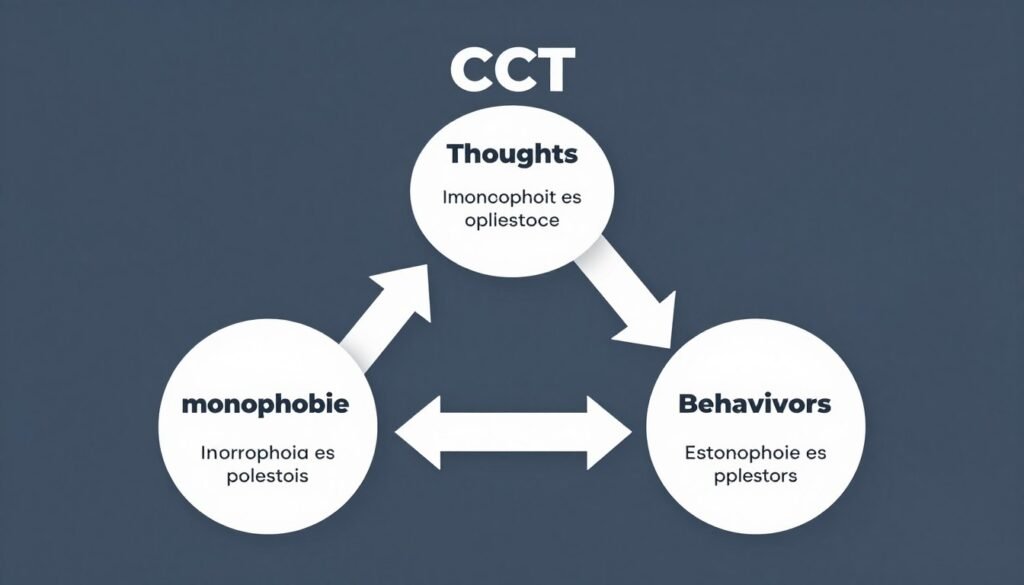
A CBT therapist will help you understand the connection between your thoughts, feelings, and behaviors. You’ll learn to question anxious thoughts: “What evidence do I have that something bad will happen if I’m alone?” “What’s the worst that could realistically occur, and could I handle it?” Over time, these new thought patterns replace the automatic fear responses.
Key CBT Techniques for Monophobia
- Cognitive restructuring to identify and challenge irrational fears
- Thought records to track anxiety patterns
- Behavioral experiments to test feared predictions
- Developing coping statements and realistic self-talk
- Problem-solving skills for managing discomfort
CBT typically involves 12-20 weekly sessions, though some people see improvement sooner. Research shows that approximately 75-90% of people with specific phobias experience significant symptom reduction through CBT. The skills you learn become lifelong tools for managing anxiety.
Exposure Therapy
Exposure therapy represents one of the most effective treatments for phobias. This technique gradually and systematically exposes you to the feared situation—in this case, being alone—in a controlled, safe environment. The process follows a hierarchy from least to most anxiety-provoking situations.
Your therapist will work with you to create a personalized exposure hierarchy. You might start with brief periods alone in a familiar space while a trusted person waits nearby. As your comfort grows, you progressively increase the duration and distance. Each successful exposure weakens the fear association and builds confidence.
Sample Exposure Hierarchy for Monophobia
- Sitting alone in a room for 5 minutes while someone waits in the next room
- Staying home alone for 15 minutes while someone is nearby outside
- Remaining alone for 30 minutes while a trusted person is reachable by phone
- Spending an hour alone without checking in with anyone
- Being home alone for several hours during daytime
- Staying alone overnight in your home
- Spending a day alone doing various activities without contact
- Traveling or taking a solo trip
The key to exposure therapy is experiencing the anxiety without escaping or using safety behaviors. Your brain learns: “I felt anxious, but nothing bad happened. I can tolerate this discomfort.” This process, called habituation, gradually reduces the fear response. Most people find exposure challenging initially but report it’s the most helpful component of treatment.
Medication Options
While therapy remains the primary treatment for monophobia, medication can play a supportive role, especially for severe symptoms. Medications don’t cure the phobia but can reduce anxiety enough to make therapy more effective. Always consult with a psychiatrist or qualified medical provider before starting any medication.
| Medication Type | How It Works | Common Uses | Considerations |
| SSRIs (Selective Serotonin Reuptake Inhibitors) | Increase serotonin levels in the brain to regulate mood and anxiety | Long-term anxiety management, especially with co-occurring depression | Take daily; effects build over 4-6 weeks; fewer side effects than older antidepressants |
| Benzodiazepines | Enhance calming neurotransmitter GABA for rapid anxiety relief | Short-term relief during panic attacks or high-anxiety situations | Fast-acting but risk of dependence; typically prescribed for limited use |
| Beta-Blockers | Block adrenaline effects to reduce physical symptoms like rapid heartbeat | Managing physical anxiety symptoms during specific situations | Treats symptoms, not underlying fear; useful for performance anxiety |
| Buspirone | Affects serotonin and dopamine to reduce general anxiety | Long-term anxiety management with lower dependence risk | Takes several weeks to reach full effectiveness; fewer side effects |
Medication works best when combined with therapy rather than used alone. Once you develop coping skills through therapy, many people can gradually reduce or discontinue medication under medical supervision. Never stop anxiety medication suddenly without consulting your prescribing doctor, as this can cause withdrawal symptoms.
Ready to Start Your Recovery Journey?
Treatment for monophobia is highly effective, and you don’t need to struggle alone. Professional therapists specializing in anxiety disorders can provide personalized treatment plans that fit your needs and goals. Many people see significant improvement within just a few months of starting therapy.

Additional Therapeutic Approaches
Beyond CBT and exposure therapy, several complementary treatment approaches can enhance recovery from the phobia of being alone.
Acceptance and Commitment Therapy (ACT)
ACT teaches you to accept anxious thoughts and feelings rather than fighting them. Instead of trying to eliminate fear, you learn to live meaningfully despite discomfort. This approach emphasizes mindfulness and values-based action, helping you focus on what matters most in life.
Mindfulness-Based Interventions
Mindfulness practices teach you to stay present rather than catastrophizing about future dangers. Through meditation and breathing exercises, you develop the ability to observe anxious thoughts without being controlled by them. Regular mindfulness practice can reduce baseline anxiety levels over time.
Group Therapy
Connecting with others who share similar struggles provides validation and reduces isolation. Group therapy offers a safe space to practice social skills, receive peer support, and learn from others’ experiences. Many people find that knowing they’re not alone in their fear is itself therapeutic.
Practical Coping Strategies for Daily Life
While professional treatment remains essential, you can implement several self-help strategies to manage symptoms between therapy sessions. These coping techniques won’t cure monophobia, but they can reduce anxiety intensity and help you function more comfortably when facing your fear. Think of these as tools in your recovery toolkit.
Relaxation and Breathing Techniques
When panic strikes, your body’s stress response activates. Learning to physically calm your nervous system interrupts the anxiety cycle and gives you a sense of control. Deep breathing exercises are particularly effective because they directly counteract the shallow, rapid breathing that occurs during panic attacks.
4-7-8 Breathing Technique
- Exhale completely through your mouth
- Close your mouth and inhale through your nose for 4 counts
- Hold your breath for 7 counts
- Exhale completely through your mouth for 8 counts
- Repeat the cycle 3-4 times
This technique activates your parasympathetic nervous system, triggering relaxation. Practice daily, not just during anxious moments, to build effectiveness.
Progressive Muscle Relaxation
Systematically tense and relax muscle groups throughout your body. Start with your toes and work upward. Tense each muscle group for 5 seconds, then release and notice the difference. This practice reduces physical tension that accompanies anxiety.
Regular practice helps you recognize where you hold stress in your body and develop the ability to consciously release it when anxiety builds.

Creating a Gradual Independence Plan
Rather than forcing yourself into situations that trigger overwhelming panic, create a structured plan for gradually building tolerance to being alone. Set realistic, achievable goals that stretch your comfort zone without causing excessive distress.
Start Small
Begin with very brief periods alone in safe, familiar environments. Even five minutes counts as progress. Use a timer to make the endpoint concrete and reassuring.
Use Transitional Objects
Keep items that provide comfort—a pet, music, a phone nearby (but not constantly used). These serve as intermediate supports as you build confidence.
Schedule Solo Time
Plan specific times to be alone rather than having it happen unexpectedly. Predictability reduces anxiety and gives you a sense of control over the situation.
Challenging Catastrophic Thoughts
Fear thrives on “what if” thinking. When you notice catastrophic thoughts emerging, challenge them with evidence-based questions. This cognitive strategy, adapted from CBT, helps you develop more balanced perspectives.
Questions to Challenge Fearful Thoughts
- What evidence do I have that this feared outcome will actually happen?
- Has this catastrophic scenario occurred before when I was alone?
- What would I tell a friend who had this thought?
- What’s the most realistic outcome, rather than the worst-case scenario?
- Even if something went wrong, what resources do I have to handle it?
- Am I confusing possibility with probability?
Building a Support Network
While the goal is independence, having support during recovery is crucial. Share your experiences with trusted friends, family members, or support groups. People who understand your struggle can offer encouragement without enabling avoidance behaviors.
Consider joining online or in-person support groups for people with anxiety disorders. Hearing how others cope with similar fears provides practical strategies and reduces the shame that often accompanies phobias. Many mental health organizations offer free support groups specifically for anxiety conditions.
Lifestyle Factors That Support Mental Health
Your overall lifestyle significantly impacts anxiety levels. While these factors won’t cure monophobia, they create a foundation for better mental health and make treatment more effective.
Regular Exercise
Physical activity reduces stress hormones and triggers endorphin release. Aim for 30 minutes of moderate exercise most days. Even a brief walk can interrupt anxiety spirals.
Sleep Hygiene
Poor sleep amplifies anxiety. Establish consistent sleep schedules, create a calming bedtime routine, and limit screen time before bed. Address sleep difficulties with your doctor if needed.
Nutrition
Certain foods and substances affect anxiety. Limit caffeine and alcohol, which can worsen symptoms. Maintain stable blood sugar with regular, balanced meals.

Using Technology Mindfully
Modern technology offers both benefits and pitfalls for people with monophobia. Video calls and messaging can provide appropriate connection, but excessive reliance on constant communication reinforces avoidance. Use technology strategically rather than compulsively.
Helpful Tech Uses
- Scheduled check-ins with loved ones
- Meditation and mindfulness apps
- Online therapy platforms
- Emergency contact apps for legitimate safety
- Anxiety tracking tools to identify patterns
Problematic Tech Uses
- Constant texting for reassurance
- Compulsively checking social media to feel connected
- Leaving video calls running continuously
- Using GPS tracking apps to monitor others
- Avoiding being alone by staying perpetually online
Set boundaries with technology. If you find yourself texting someone every few minutes for reassurance, recognize this as a safety behavior that reinforces your fear. Challenge yourself to gradually extend the time between contacts. Remember, the goal isn’t to eliminate connection but to develop confidence in your ability to be alone.
Living Well Despite the Fear: Long-Term Management
Recovery from monophobia is absolutely possible, but it’s important to understand that progress isn’t always linear. You’ll have good days and challenging days. Building a life where you can comfortably spend time alone requires patience, persistence, and compassion for yourself. Long-term management focuses on maintaining gains and preventing relapse.
Understanding the Recovery Timeline
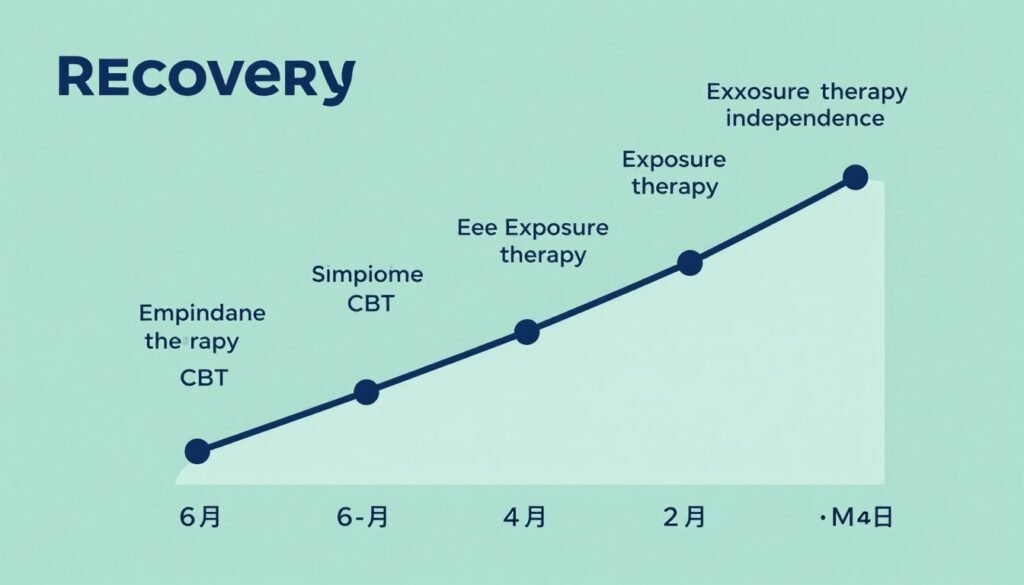
Many people wonder how long treatment takes. While everyone’s journey differs, most individuals who commit to therapy see meaningful improvement within three to six months. Some notice changes within weeks, while others require longer. The severity of your symptoms, presence of other mental health conditions, and consistency with treatment all influence the timeline.
Recovery doesn’t mean you’ll never feel anxious about being alone again. Rather, you’ll develop skills to manage those feelings without them controlling your life. You’ll recognize anxiety as uncomfortable but not dangerous. This shift in perspective represents true recovery—functioning well despite occasional discomfort.
Preventing Relapse
After successful treatment, some people experience setbacks, especially during stressful life periods. This is normal and doesn’t mean you’ve failed. Recognizing early warning signs helps you intervene before symptoms escalate.
- Notice when you start avoiding situations you’d previously mastered
- Pay attention to increased reassurance-seeking behaviors
- Watch for catastrophic thinking patterns returning
- Be aware of life stressors that might trigger old fears
- Don’t hesitate to schedule booster therapy sessions if needed
Maintain the skills you learned in therapy even after symptoms improve. Continue practicing exposure exercises periodically. Keep using coping strategies before anxiety escalates. Think of mental health maintenance like physical fitness—consistent practice preserves gains.
The Impact on Relationships
Monophobia significantly affects relationships. People who fear being alone may cling to partners, demand constant availability from friends, or stay in unhealthy relationships to avoid solitude. As you recover, your relationships will likely change—and usually for the better.
Healthy relationships require independence and boundaries. When you can comfortably be alone, you choose to spend time with others from a place of desire rather than desperation. This shift creates more authentic connections. Partners, friends, and family often report that relationships improve when someone successfully treats their monophobia.
Communicate openly with loved ones about your recovery process. Help them understand the difference between supporting your growth and enabling avoidance. You might say: “I appreciate you being available, but I’m working on being comfortable alone. Please don’t feel obligated to stay with me constantly.”
Embracing Solitude as a Strength
One unexpected benefit many people discover in recovery is learning to enjoy time alone. Solitude offers opportunities for self-reflection, creativity, and rest that aren’t possible in constant company. Once fear no longer dominates your alone time, you may find these moments valuable.
Benefits of Comfortable Solitude
Research shows that people who can enjoy time alone tend to have better mental health, stronger sense of self, more creativity, and deeper relationships. Learning to be comfortably alone doesn’t mean becoming isolated—it means having the flexibility to choose when you engage with others versus when you enjoy your own company.
When to Seek Additional Support
Sometimes monophobia persists despite initial treatment, or complications arise that require additional support. Don’t interpret this as personal failure. Some situations warrant specialized intervention.
Warning Signs Requiring Immediate Attention
- Thoughts of self-harm or suicide
- Inability to function in daily activities despite treatment
- Substance use to cope with anxiety
- Severe panic attacks that don’t respond to coping techniques
- Complete inability to be alone even briefly
- Relationship problems escalating despite efforts to change
If you’re experiencing any of these issues, contact a mental health crisis line immediately or go to your nearest emergency room. The National Suicide Prevention Lifeline is available 24/7 at 988.

Special Considerations: Monophobia Across Different Life Stages
The phobia of being alone manifests differently depending on age and life circumstances. Understanding these variations helps tailor treatment and support approaches for maximum effectiveness.
Monophobia in Children and Adolescents
Some degree of separation anxiety is developmentally normal in young children. However, when fear of being alone persists beyond typical developmental stages or interferes with functioning, it may indicate monophobia. Parents often struggle to distinguish between normal clinginess and problematic anxiety.
In children, the phobia often manifests as:
- Refusing to sleep alone or insisting a parent stay in the room
- Extreme distress when dropped off at school
- Physical complaints (stomachaches, headaches) when separation looms
- Nightmares about being abandoned
- Difficulty attending sleepovers or playdates
Treatment for young people typically involves family therapy alongside individual work. Parents learn to provide supportive boundaries rather than reinforcing avoidance. Play therapy and art therapy often help children express and process fears that they can’t articulate verbally.
Monophobia in Adults and Seniors
In adults, monophobia may develop after significant life changes—divorce, death of a spouse, children leaving home, or retirement. Seniors face unique vulnerabilities, including increased isolation, mobility limitations, and health concerns that make being alone feel genuinely risky.
Older adults with monophobia may benefit from:
- Community-based programs that provide social connection
- Technology training to maintain virtual connections
- Home safety assessments to address legitimate concerns
- Medical alert systems for peace of mind
- Modified exposure therapy that respects physical limitations
Cultural Factors and Monophobia
Cultural background influences how people experience and express fear of being alone. Collectivist cultures that emphasize family interdependence may view constant togetherness as normal, making it harder to recognize when fear becomes excessive. Conversely, highly individualistic cultures may pathologize normal desires for connection.
Effective treatment considers cultural context. A therapist should understand your cultural values and work within that framework rather than imposing external standards. What constitutes “excessive” fear depends partly on cultural norms and expectations.
Moving Forward: Hope and Recovery Are Possible
The phobia of being alone can feel overwhelming and isolating. The intense fear, physical symptoms, and lifestyle limitations create significant suffering. But here’s the essential truth: monophobia is highly treatable. Thousands of people who once couldn’t spend a minute alone now live independent, fulfilling lives.
Recovery requires courage. Facing your fear feels counterintuitive when every instinct screams at you to avoid being alone. But through evidence-based treatment—particularly cognitive behavioral therapy and exposure therapy—you can retrain your brain’s threat response. You’ll learn that anxiety, while uncomfortable, isn’t dangerous. You’ll discover you’re stronger and more capable than fear has led you to believe.

The journey isn’t always smooth. You’ll have setbacks and challenging days. Progress may feel slow at times. But with consistent effort, professional guidance, and self-compassion, change happens. Many people find that working through monophobia leads to unexpected personal growth. They develop resilience, self-awareness, and authentic relationships that weren’t possible when fear dominated their choices.
If you’re reading this and recognizing your own experiences, take that first step. Reach out to a mental health professional who specializes in anxiety disorders and phobias. Share this article with loved ones who want to understand what you’re experiencing. Join a support group where you’ll find others who truly get it. You don’t have to suffer alone—and paradoxically, accepting support is crucial to becoming comfortable with solitude.
Remember: having monophobia doesn’t make you weak, broken, or defective. It’s a treatable condition that developed for complex reasons, many beyond your control. What matters now is moving forward. Professional help works. People recover every day. You can be one of them.
Take the First Step Toward Freedom
You’ve learned about monophobia, its symptoms, causes, and treatments. Now it’s time to transform knowledge into action. Professional mental health support can help you overcome this fear and reclaim your independence. Don’t let another day pass living in fear.
The SAMHSA National Helpline provides free, confidential support for mental health and substance use disorders, 24 hours a day, 365 days a year. Help is available.
Additional Resources for Support
Beyond professional therapy, numerous organizations offer resources, information, and support for people dealing with anxiety disorders and specific phobias:
- Anxiety and Depression Association of America (ADAA) – Provides educational resources, therapist directories, and support group information
- National Alliance on Mental Illness (NAMI) – Offers education, advocacy, and support programs nationwide
- Psychology Today Therapist Finder – Searchable database of mental health professionals by specialty and location
- Crisis Text Line – Text HOME to 741741 for free, 24/7 crisis support via text message
- Mental Health America – Free screening tools and resources for mental health conditions
Your journey toward overcoming the phobia of being alone starts with a single step. Whether that’s calling a helpline, scheduling a therapy appointment, or simply sharing your struggle with someone you trust, movement in any direction is progress. Fear may have controlled your life until now, but it doesn’t have to define your future. Recovery is possible. Hope is real. And you deserve to live freely.