
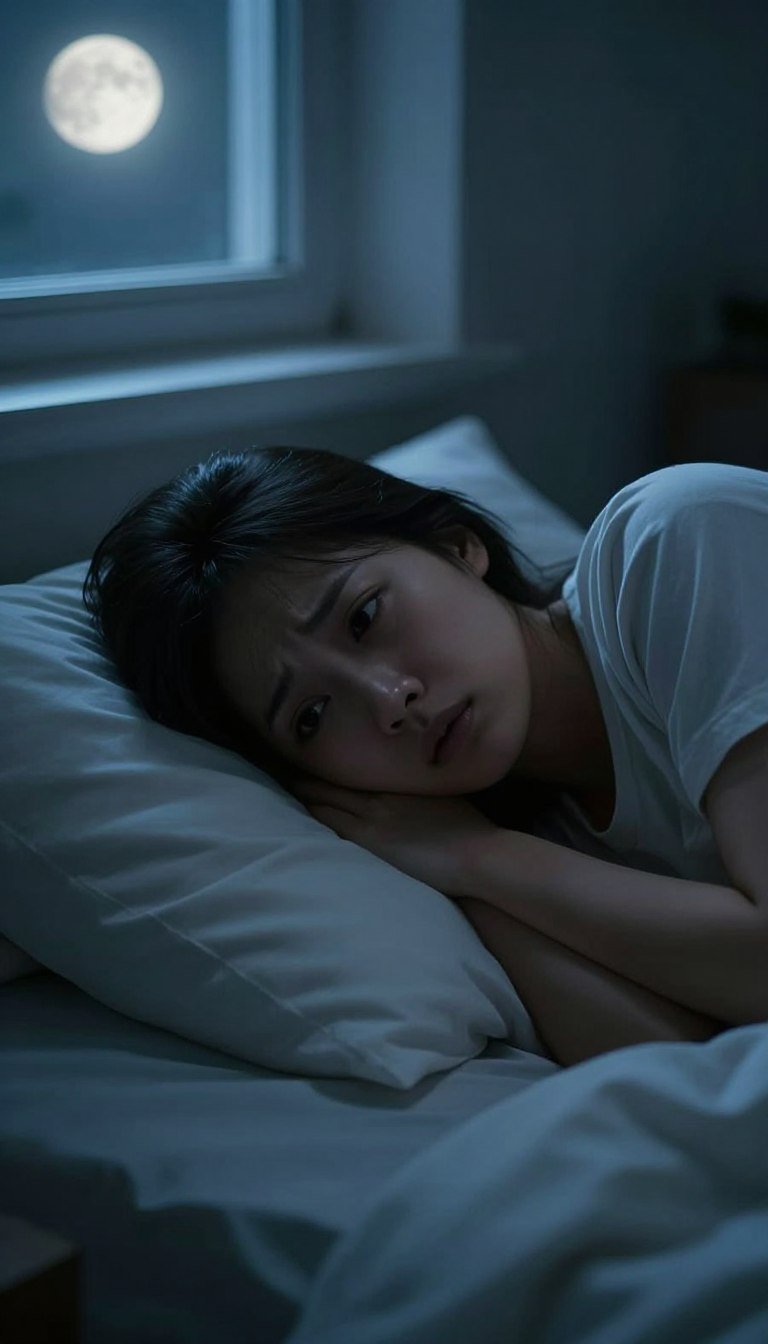
If you dread going to sleep, avoid your bedroom until exhaustion takes over, or experience panic when thinking about bedtime, you may be dealing with somniphobia. Also known as sleep phobia or hypnophobia, this condition affects more people than you might think. The fear of falling asleep can stem from various causes, from traumatic nightmares to health anxiety about dying during sleep.
This comprehensive guide explores everything you need to know about somniphobia. We’ll examine the symptoms, uncover potential causes, and most importantly, discuss effective treatments that can help you reclaim peaceful, restorative sleep. Understanding this condition is the first step toward overcoming it.
What Is Somniphobia?
Somniphobia is classified as a specific phobia, a type of anxiety disorder characterized by intense, irrational fear of a particular object or situation. In this case, the feared situation is falling asleep or the act of sleeping itself. Unlike general insomnia or occasional sleep anxiety, somniphobia involves fear anxiety that is out of proportion to any real danger.
The term comes from Latin roots: “somnus” meaning sleep and “phobia” meaning fear. People with this condition experience genuine terror at the thought of going to sleep, even when they’re exhausted. This fear can persist for months or years, significantly impacting quality of life.
Somniphobia differs from other sleep disorders in important ways. While insomnia involves difficulty falling asleep, somniphobia involves active fear and avoidance of sleep. People with insomnia want to sleep but can’t. Those with somniphobia fear sleep itself and may deliberately stay awake to avoid it.
Mental health professionals recognize somniphobia as a legitimate condition that requires treatment. It falls under the broader category of specific phobias, alongside fears of heights, animals, or enclosed spaces. Like other phobias, somniphobia can be successfully treated with appropriate therapeutic interventions.
Important Distinction: Somniphobia is not simply being tired or stressed about sleep. It’s a persistent, intense fear that causes significant distress and interferes with daily functioning. The anxiety must last for at least six months to meet diagnostic criteria for a specific phobia.
Symptoms and Signs of Somniphobia
Recognizing the symptoms of somniphobia is crucial for getting appropriate help. This condition manifests through emotional, physical, and behavioral signs that intensify as bedtime approaches. The fear anxiety associated with somniphobia can be overwhelming and life-altering.

Emotional and Mental Symptoms
The psychological impact of somniphobia extends throughout the day, not just at bedtime. People with this condition experience:
- Intense fear or dread when thinking about sleep during the day
- Severe anxiety that escalates as bedtime approaches
- Panic attacks when attempting to go to bed or lie down
- Persistent worry about nightmares, sleep paralysis, or not waking up
- Difficulty concentrating on daily tasks due to sleep-related fears
- Irritability and mood swings from chronic sleep deprivation
- Overwhelming sense of loss of control when considering sleep
- Intrusive thoughts about dangers that might occur during sleep
Physical Symptoms
The body’s fight-or-flight response activates when people with somniphobia think about sleeping. Common physical symptoms include:
- Rapid heartbeat or heart palpitations at bedtime
- Profuse sweating, especially when lying in bed
- Shortness of breath or hyperventilation
- Trembling or shaking hands
- Nausea or stomach discomfort
- Chest tightness or pressure
- Dizziness or lightheadedness
- Muscle tension throughout the body
- Headaches from stress and lack of sleep
- Chronic fatigue despite fear of sleeping
- Weakened immune system from sleep deprivation
Behavioral Signs
Somniphobia leads to specific behaviors as people attempt to avoid or manage their fear of falling asleep:
- Staying awake as long as possible, often until complete exhaustion
- Avoiding the bedroom or sleeping in alternate locations
- Leaving lights, television, or music on all night
- Developing elaborate bedtime rituals to feel safer
- Consuming excessive caffeine or energy drinks to stay awake
- Constantly checking the time throughout the night
- Sleeping only during daytime hours when it feels safer
- Relying on substances like alcohol to reduce anxiety
In children: Somniphobia may appear as severe bedtime resistance, crying when left alone, clinging to parents, requesting to sleep in parents’ bed, or expressing fears about “bad things” happening during sleep. These behaviors go beyond typical childhood bedtime protests.
Recognizing These Symptoms in Yourself?
If you’re experiencing several of these symptoms regularly, you’re not alone. Many people struggle with sleep anxiety, and professional support can make a significant difference. Taking the first step toward understanding your fear is an act of courage.
Causes and Risk Factors of Somniphobia
Understanding what causes somniphobia can help people recognize why they developed this condition and pursue appropriate treatment. Like most specific phobias, somniphobia typically results from a combination of factors rather than a single cause.
Sleep Disorders and Related Conditions
Certain sleep disorders can trigger or contribute to developing somniphobia:
- Sleep Paralysis: This frightening experience involves waking up unable to move, sometimes with hallucinations. Repeated episodes can create intense fear of falling asleep again.
- Nightmare Disorder: Frequent, vivid nightmares that cause significant distress can lead people to fear sleep as a source of trauma and disturbing imagery.
- Sleep Apnea: Breathing interruptions during sleep can cause panic and fear of not waking up, potentially triggering somniphobia.
- Night Terrors: These episodes of intense fear during sleep, common in children, can create lasting anxiety about sleeping.
- Previous Insomnia: People who’ve struggled with insomnia may develop fear of falling asleep due to anticipating another difficult night.
Trauma and Mental Health Conditions
Past experiences and existing mental health conditions significantly influence somniphobia development:
Posttraumatic Stress Disorder (PTSD)
People with posttraumatic stress disorder commonly experience nightmares related to their trauma. This connection between sleep and traumatic memories can evolve into somniphobia. The fear of reliving trauma during dreams creates powerful anxiety around going to sleep.
Research shows that individuals with PTSD who fear sleep are more likely to experience frequent nightmares, creating a vicious cycle. The stress disorder makes sleep feel unsafe, while sleep deprivation worsens PTSD symptoms.
Other Anxiety Disorders
Somniphobia often coexists with other anxiety conditions. People with generalized anxiety may develop specific fears about sleep. Those with panic attacks at night may fear falling asleep and experiencing another attack. Health anxiety can manifest as fear of dying during sleep.
These overlapping conditions share common roots in how the brain processes fear and threat. Treatment often addresses multiple anxiety symptoms simultaneously.
Specific Fears Related to Sleep
Several specific fears can transform into somniphobia:
- Fear of Death: Some people fear they won’t wake up or will die in their sleep, particularly those with health conditions or elderly individuals.
- Fear of Loss of Control: Sleep represents vulnerability and loss of conscious control, which can be terrifying for those who need to feel in control.
- Fear of Nighttime Dangers: Concerns about burglaries, fires, or other disasters happening while asleep can prevent people from feeling safe enough to sleep.
- Fear of Sleepwalking: Those who’ve experienced or witnessed sleepwalking may fear what they might do while unconscious.

Genetic and Environmental Factors
Research suggests that specific phobias have both genetic and environmental components. You may be more likely to develop somniphobia if:
- Close family members have phobias or anxiety disorders
- You experienced trauma during childhood, especially trauma related to sleep or bedtime
- You have a naturally anxious temperament or heightened sensitivity to fear
- You learned fearful responses to sleep from parents or caregivers
- You experienced a frightening event while sleeping or trying to sleep
Important: While understanding causes is helpful, you don’t need to identify a specific trigger to benefit from treatment. Many people with somniphobia cannot recall exactly when or why their fear began, and that’s completely normal. Effective treatments focus on current symptoms rather than past causes.
How Somniphobia Is Diagnosed
Proper diagnosis of somniphobia requires evaluation by a qualified mental health professional, such as a psychologist, psychiatrist, or licensed therapist. There’s no single test for somniphobia. Instead, professionals use clinical interviews and established diagnostic criteria.
Mental health professionals rely on the Diagnostic and Statistical Manual (DSM-5) to diagnose specific phobias. For somniphobia to be diagnosed, the fear and anxiety must meet several specific criteria:
Core Diagnostic Criteria
- Marked fear or anxiety specifically about falling asleep or sleeping
- The fear or anxiety is out of proportion to actual danger
- Fear occurs almost every time sleep is anticipated or attempted
- Symptoms persist for six months or longer
Impact Requirements
- The phobia causes significant distress in daily life
- It impairs functioning at work, school, or in relationships
- The person actively avoids sleep or endures it with intense fear
- Physical or mental health suffers due to sleep avoidance
Exclusion Factors
- Symptoms aren’t better explained by another disorder
- The fear isn’t primarily about social embarrassment
- It’s not due to substance use or medical conditions
- It goes beyond symptoms of panic disorder or PTSD alone
The Diagnostic Process
During evaluation, a mental health professional will typically:
- Conduct a detailed clinical interview about your symptoms, their duration, and their impact on your life
- Ask about your sleep history, including any sleep disorders or distressing sleep experiences
- Explore your mental health history, including any anxiety disorders, trauma, or other conditions
- Assess how the fear affects your daily functioning, relationships, work, and physical health
- Rule out other potential explanations for your symptoms, such as other anxiety disorders or medical conditions
- May recommend a sleep study if sleep disorders like sleep paralysis or sleep apnea are suspected

When to Seek Professional Evaluation
You should consider seeking evaluation if:
- Your fear of sleep persists for several months despite trying self-help strategies
- The fear significantly impacts your quality of life, work performance, or relationships
- You’re experiencing physical health problems from chronic sleep deprivation
- You’re using substances to cope with sleep anxiety
- Your fear is causing depression or thoughts of self-harm
- You recognize the fear is irrational but can’t control it
Early diagnosis and treatment lead to better outcomes. The longer somniphobia goes untreated, the more entrenched the fear becomes and the greater the impact on overall health. Don’t wait until the problem becomes severe to seek help.
Treatment and Management Strategies for Somniphobia
The good news is that somniphobia is highly treatable. With appropriate professional intervention, most people can overcome their fear of sleeping and return to healthy sleep patterns. Multiple evidence-based treatments have proven effective for specific phobias like somniphobia.

Cognitive Behavioral Therapy (CBT)
Cognitive behavioral therapy is considered the gold standard treatment for anxiety disorders, including specific phobias. CBT for somniphobia focuses on identifying and changing the thoughts, beliefs, and behaviors that maintain the fear of sleeping.
In cognitive behavioral therapy sessions, you work with a trained therapist to:
- Identify specific thoughts that trigger fear anxiety around sleep (e.g., “I might die in my sleep,” “I’ll have nightmares”)
- Challenge these thoughts using evidence and logic to reduce their power
- Replace unhelpful thoughts with more realistic, balanced perspectives
- Learn to recognize and interrupt anxiety spirals before they escalate
- Develop healthier sleep-related behaviors and routines
- Build confidence in your ability to sleep safely
Research consistently shows that CBT helps reduce anxiety, fear and panic symptoms effectively. Many people experience significant improvement within 12-20 sessions. The techniques learned in therapy become lifelong tools for managing anxiety.
Exposure Therapy
Exposure therapy is the most effective treatment specifically for phobias, with success rates exceeding 90%. This approach involves gradually and systematically confronting your fear in a controlled, safe environment under professional guidance.
How Exposure Therapy Works
Rather than avoiding sleep, you work with your therapist to slowly approach sleep-related situations. The process is gradual and always under your control. You never face anything you’re not ready for.
A typical exposure therapy hierarchy for somniphobia might include:
- Looking at pictures of people sleeping peacefully
- Talking about sleep in detail with your therapist
- Entering your bedroom during the day
- Lying in bed during daylight hours while fully awake
- Practicing relaxation techniques while lying in bed
- Taking brief supervised naps
- Gradually extending sleep time at night

During each exposure, your therapist helps you manage anxiety using coping techniques. Over time, repeated exposure teaches your brain that sleep is not dangerous. The fear response naturally diminishes as you learn that your catastrophic predictions don’t come true.
Relaxation Training and Mindfulness
Learning to activate your body’s relaxation response is crucial for managing somniphobia. These techniques help counteract the physical symptoms of fear and create positive associations with bedtime.
Effective relaxation techniques include:
- Deep Breathing Exercises: Slow, diaphragmatic breathing activates the parasympathetic nervous system, reducing fear anxiety naturally.
- Progressive Muscle Relaxation: Systematically tensing and releasing muscle groups releases physical tension and promotes calm.
- Guided Imagery: Visualizing peaceful, safe scenes can redirect anxious thoughts and induce relaxation.
- Mindfulness Meditation: Present-moment awareness helps you observe fearful thoughts without getting caught up in them.
- Body Scan Techniques: Focusing attention on different body parts promotes awareness and relaxation.
These techniques become more effective with regular practice. Many therapists teach these skills early in treatment and encourage daily practice, even during the day when anxiety is lower.
Sleep Restriction and Hygiene
Paradoxically, temporarily restricting sleep time can be helpful for somniphobia when combined with cognitive behavioral therapy. This technique involves going to bed and waking up at specific times regardless of how much sleep you get. The goal is to rebuild your body’s natural sleep drive and create positive sleep experiences.
Sleep hygiene improvements that may be helpful include:
- Keeping a consistent sleep schedule
- Creating a calm, comfortable bedroom environment
- Limiting screen time before bed
- Avoiding caffeine after early afternoon
- Getting regular physical exercise during the day
- Establishing a relaxing bedtime routine
- Using the bed only for sleep (not work or worry)
- Managing bedroom temperature and lighting
Medication Options
While there’s no medication specifically for somniphobia, certain drugs may be helpful as short-term aids during therapy. Medication should always be prescribed and monitored by a psychiatrist or doctor familiar with anxiety disorders.
| Medication Type | How It Helps | Considerations |
| Benzodiazepines | Reduce anxiety quickly, can help with acute panic symptoms | Short-term use only due to dependence risk, not a long-term solution |
| Beta Blockers | Reduce physical anxiety symptoms like rapid heartbeat | Taken before specific anxiety-provoking situations, minimal side effects |
| SSRIs/SNRIs | Reduce overall anxiety levels over time | Take several weeks to work, helpful for coexisting anxiety disorders |
| Sleep Aids | Promote sleep in the short term | Address sleep deprivation but not underlying fear, temporary use only |
Medication is most effective when combined with therapy, not used as a standalone treatment. The goal is to use medication to reduce symptoms enough that you can engage in therapy effectively, then gradually taper off as therapy skills improve.
Ready to Overcome Your Fear of Sleeping?
Professional treatment can help you reclaim restful sleep and improve your quality of life. Cognitive behavioral therapy and exposure therapy have helped thousands of people overcome somniphobia. You don’t have to struggle alone.
Speak with a qualified mental health professional who specializes in anxiety disorders and sleep-related phobias. Take the first step toward peaceful nights.
Self-Help Strategies and Coping Mechanisms
While professional treatment is essential for overcoming somniphobia, several self-help strategies can complement therapy and provide additional support. These techniques help manage symptoms and build healthier relationships with sleep.

Challenge Your Thoughts
You can practice cognitive restructuring on your own by questioning fearful thoughts about sleep:
- When you think “I might die in my sleep,” ask: What evidence do I have for this? How likely is this really?
- Replace “Sleep is dangerous” with “Billions of people sleep safely every night”
- Counter “I won’t wake up” with “I’ve woken up every morning of my life”
- Transform “I can’t handle nightmares” into “Nightmares are unpleasant but not harmful”
Write down your fearful thoughts and rational responses. Over time, this practice helps reduce the power of automatic anxious thoughts.
Build Positive Sleep Associations
Many people with somniphobia have built strong negative associations with their bedroom and bedtime. Deliberately creating positive associations can help:
- Spend time in your bedroom during the day doing enjoyable activities
- Create a soothing bedtime routine you look forward to
- Use calming scents like lavender
- Play soft, relaxing music you enjoy
- Make your bedroom as comfortable and inviting as possible
- Practice gratitude or pleasant visualization before bed
- Reward yourself for small steps toward better sleep
- Keep a sleep success journal noting positive experiences
Manage Daytime Anxiety
Reducing overall anxiety during the day makes nighttime fear anxiety more manageable. Consider:
- Regular physical exercise to reduce stress hormones and improve sleep drive
- Limiting caffeine, especially after noon, as it increases anxiety and interferes with sleep
- Practicing mindfulness or meditation daily to build anxiety management skills
- Maintaining social connections and engaging in activities you enjoy
- Setting aside “worry time” earlier in the day to process concerns before bedtime
- Avoiding alcohol, which may seem to help but actually worsens sleep quality and anxiety
What to Avoid
Certain behaviors, while tempting, can worsen somniphobia over time:
Avoid These Common Mistakes:
- Complete sleep avoidance—your body needs sleep, and total avoidance increases fear
- Relying on substances like alcohol or recreational drugs to cope
- Excessive safety behaviors like elaborate rituals that reinforce fear
- Catastrophizing or dwelling on worst-case scenarios
- Isolating yourself—sharing your struggle with trusted people can reduce shame
- Believing you should “just get over it” without help
When Self-Help Isn’t Enough
Self-help strategies are valuable complements to professional treatment but rarely sufficient alone for true somniphobia. If self-help efforts don’t lead to meaningful improvement within a few weeks, or if symptoms worsen, professional intervention becomes essential.
Remember that seeking professional help isn’t a sign of weakness. Somniphobia is a legitimate mental health condition that responds best to evidence-based treatments delivered by trained professionals. The sooner you seek help, the sooner you can start sleeping peacefully again.
Impact on Daily Life and Long-Term Health
Somniphobia doesn’t just affect nighttime—its consequences ripple through every aspect of life. Understanding these impacts underscores why treatment is so important and not something to delay.
Physical Health Consequences
Chronic sleep deprivation caused by somniphobia leads to serious physical health problems over time:
Cardiovascular Effects
Lack of sleep increases risk of high blood pressure, heart disease, and stroke. Your heart needs the rest period that sleep provides to recover from daily stress.
Metabolic Issues
Sleep deprivation disrupts hormones that control hunger and metabolism, increasing risk of obesity, diabetes, and metabolic syndrome. Your body can’t properly regulate blood sugar without adequate sleep.
Immune System
Insufficient sleep weakens immune function, making you more susceptible to infections and illnesses. Your body produces important immune cells during sleep.

Mental and Emotional Impact
The mental health consequences of somniphobia extend beyond the phobia itself:
- Increased risk of developing depression from chronic sleep loss and feelings of helplessness
- Worsening of existing anxiety disorders as sleep deprivation heightens overall anxiety
- Difficulty regulating emotions, leading to irritability and mood swings
- Impaired memory and concentration affecting work and relationships
- Reduced quality of life and enjoyment of daily activities
- Social isolation as people withdraw due to exhaustion or embarrassment
Professional and Social Consequences
Somniphobia affects your ability to function in work and social settings:
Potential Impacts
- Decreased work performance and productivity
- Increased mistakes and safety risks in work requiring alertness
- Difficulty maintaining relationships due to irritability and unavailability
- Missed social events and activities due to exhaustion
- Financial strain from medical bills or reduced work capacity
- Increased risk of accidents while driving or operating machinery
Recovery Benefits
- Restored energy and mental clarity for work and creativity
- Improved mood and patience in relationships
- Better physical health and reduced medical expenses
- Enhanced quality of life and life satisfaction
- Ability to fully participate in social activities
- Reduced anxiety in all areas of life
The Cycle of Fear and Sleep Deprivation
Somniphobia creates a vicious cycle that becomes progressively worse without intervention. Fear of sleeping leads to sleep deprivation, which increases overall anxiety and makes the fear worse. This heightened anxiety makes falling asleep even more difficult, perpetuating the cycle.
Breaking this cycle requires addressing both the phobia and the sleep deprivation simultaneously. This is why professional treatment is so important—therapists who specialize in anxiety disorders understand how to interrupt this cycle effectively.
Somniphobia in Children and Special Considerations
While somniphobia can affect people of any age, children and certain populations face unique challenges and require adapted treatment approaches.
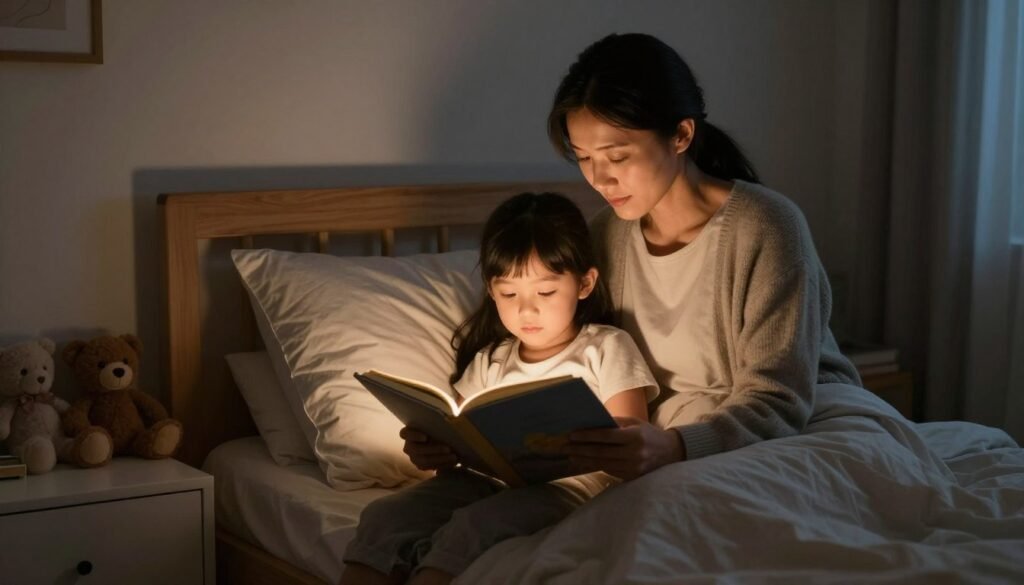
Somniphobia in Children
Children may develop somniphobia for reasons similar to adults, including nightmares, night terrors, or separation anxiety. However, their limited ability to articulate fears and understand that fears are irrational requires special consideration.
Signs of somniphobia in children include:
- Extreme resistance to bedtime beyond normal childhood bedtime struggles
- Panic, crying, or physical symptoms when faced with going to bed
- Requesting parent to stay in room or wanting to sleep in parents’ bed every night
- Expressing fears about monsters, death, or other dangers during sleep
- Daytime behavior problems, irritability, or academic difficulties from sleep loss
- Physical complaints like stomachaches or headaches at bedtime
Helping Children with Somniphobia
Treatment for children requires age-appropriate modifications:
- Play therapy and art therapy to help children express and process fears
- Parent involvement in treatment is crucial for success
- Gradual behavioral interventions with consistent routines and rewards
- Cognitive behavioral therapy adapted for children’s developmental level
- Creating a safe, comforting sleep environment with appropriate transitional objects
- Regular check-ins without reinforcing avoidance behaviors
Early intervention is critical. Childhood somniphobia that goes untreated can persist into adulthood and become more difficult to treat. Parents should consult a child psychologist or psychiatrist experienced in anxiety disorders if their child shows signs of sleep-related phobia.
Somniphobia and PTSD
The relationship between posttraumatic stress disorder and somniphobia requires special attention. Many people with PTSD develop fear of sleeping due to trauma-related nightmares or feeling vulnerable during sleep.
Treatment for somniphobia with coexisting PTSD typically involves:
- Trauma-focused cognitive behavioral therapy addressing the underlying traumatic memories
- Imagery rehearsal therapy specifically for recurrent nightmares
- Eye Movement Desensitization and Reprocessing (EMDR) for trauma processing
- Gradual exposure to sleep situations while building sense of safety
- Teaching grounding techniques to manage flashbacks or dissociation at bedtime
People with PTSD-related somniphobia should work with therapists who have specific training in trauma treatment. Addressing the trauma itself often significantly reduces sleep-related fears.
Medical Conditions and Somniphobia
Certain medical conditions can contribute to developing somniphobia or complicate treatment:
- Sleep Apnea: Breathing interruptions can cause panic and fear of sleeping. Treatment of the sleep disorder is essential.
- Restless Leg Syndrome: Uncomfortable sensations at bedtime can create negative associations with sleep.
- Chronic Pain: Pain that worsens at night can make sleep feel aversive.
- Heart Conditions: Health anxiety about cardiac events during sleep may develop.
- Seizure Disorders: Fear of seizures during sleep can trigger somniphobia.
Treatment plans should address both the medical condition and the phobia. Interdisciplinary care involving both medical doctors and mental health professionals produces the best outcomes.
Moving Forward: Hope and Recovery from Somniphobia
Living with a phobia of sleeping can feel overwhelming and isolating. The exhaustion from sleep deprivation compounds the distress of the fear itself, creating a situation that affects every aspect of your life. But there is genuine hope.

Somniphobia is a real, recognized anxiety disorder that responds exceptionally well to treatment. The research is clear: cognitive behavioral therapy, particularly when combined with exposure therapy, helps the vast majority of people overcome specific phobias. Success rates exceed 90% for those who complete treatment.
Recovery is not only possible—it’s probable with the right help. Thousands of people have successfully overcome their fear of sleeping and returned to healthy, restorative sleep patterns. The treatments work. The challenge is taking that first step to seek help.
Key Takeaways About Somniphobia
Understanding the Condition
Somniphobia is a specific phobia involving intense, irrational fear of falling asleep that persists for six months or more and significantly impairs functioning.
- It differs from general insomnia or occasional sleep anxiety
- Physical, emotional, and behavioral symptoms are all present
- The condition affects mental health, physical health, and quality of life
- It can stem from trauma, sleep disorders, or other anxiety conditions
Treatment Effectiveness
Evidence-based treatments offer real solutions for overcoming somniphobia and reclaiming healthy sleep.
- Cognitive behavioral therapy addresses thoughts and behaviors maintaining fear
- Exposure therapy has over 90% success rate for specific phobias
- Relaxation training helps manage physical anxiety symptoms
- Medication may be helpful short-term during therapy
Taking Action
The most important step is seeking professional help from a qualified mental health provider.
- Start by consulting your primary doctor for a referral
- Look for therapists specializing in anxiety disorders
- Don’t wait for symptoms to become more severe
- Self-help strategies complement but don’t replace professional treatment
The Path Forward
Recovery is a journey that begins with recognizing you need help and deserve to sleep peacefully.
- Treatment typically lasts 12-20 sessions for significant improvement
- Skills learned in therapy become lifelong tools
- Early intervention leads to better, faster outcomes
- You don’t have to suffer indefinitely with this condition
Your Next Steps
If you recognize yourself in the symptoms described throughout this article, the time to act is now. The longer somniphobia continues untreated, the more it affects your physical health, mental well-being, relationships, and overall quality of life.
Consider these immediate actions:
- Schedule an appointment with your primary care doctor to discuss your symptoms and rule out medical causes
- Ask for a referral to a psychologist, psychiatrist, or licensed therapist who specializes in anxiety disorders
- Research therapists in your area who have specific experience with phobias or cognitive behavioral therapy
- Talk to your insurance provider about mental health coverage
- Consider joining an online or in-person support group for people with anxiety disorders
- Share your struggle with a trusted friend or family member who can support you
Don’t Let Fear of Sleep Control Your Life
Professional treatment for somniphobia can help you reclaim peaceful, restorative sleep. You deserve to sleep without fear. The first step toward recovery is reaching out for help. Qualified mental health professionals specializing in anxiety disorders and phobias are ready to guide you through evidence-based treatments that work.
Connect with experienced therapists who understand somniphobia. Evening and weekend appointments available. Most insurance accepted. Take the first step today.
Remember: seeking help for a mental health condition is not a sign of weakness. It’s a sign of strength, self-awareness, and commitment to your wellbeing. You wouldn’t hesitate to see a doctor for a broken bone or persistent physical pain. Your mental health deserves the same care and attention.
Sleep is a basic human need, and peaceful sleep is not a luxury—it’s essential for health and happiness. With proper treatment, you can overcome somniphobia and return to the restorative sleep your body and mind need. Relief is possible. Recovery is within reach. The journey begins with a single step: asking for help.