
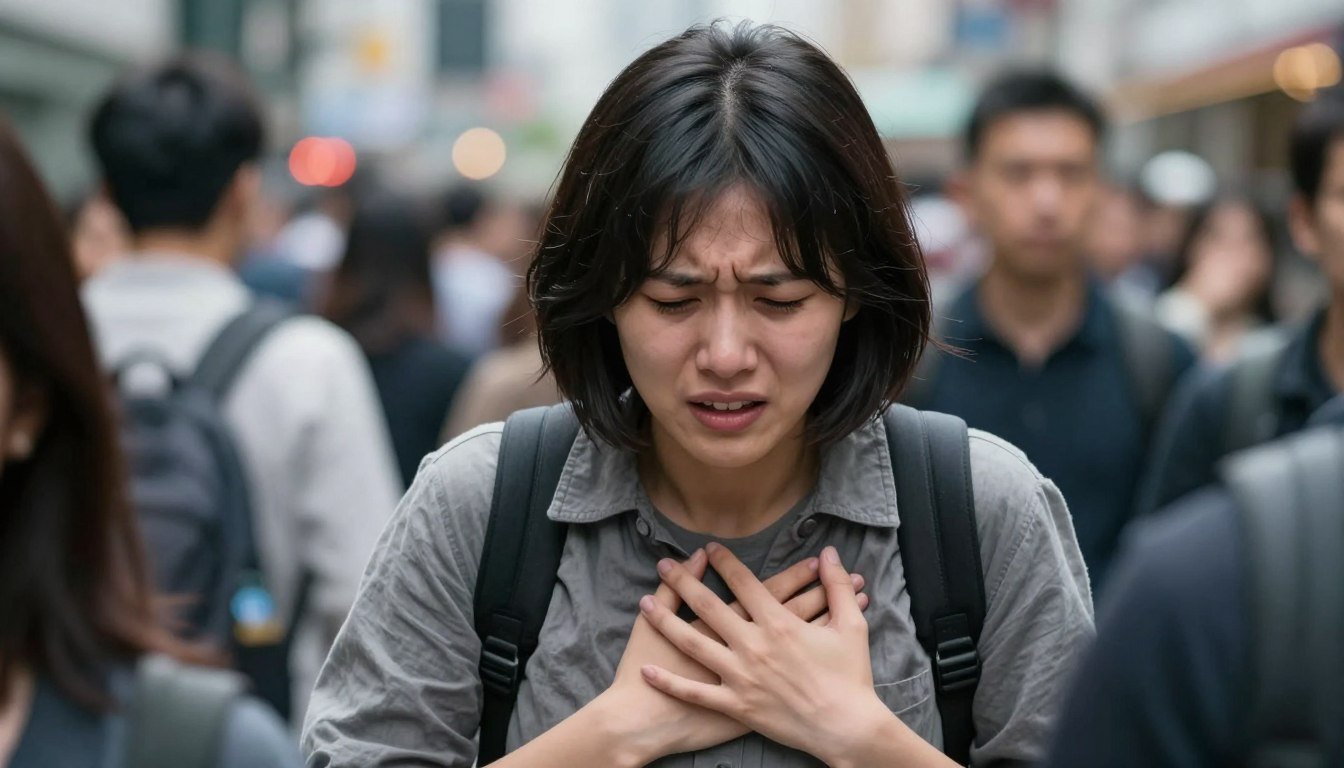
A phobia is far more than simple fear or discomfort. It represents a persistent and excessive anxiety disorder that can significantly impact daily life. Unlike rational concerns that help keep us safe, phobias trigger overwhelming responses to things that pose little or no actual danger.
According to the National Institute of Mental Health, approximately 12.5% of adults in the United States will experience a specific phobia at some point in their lives. These conditions affect people across all demographics, though women are diagnosed roughly twice as often as men.
Understanding the difference between normal fear and clinical phobia is essential. Fear is a natural protective response to genuine threats. A phobia, however, causes extreme distress that is disproportionate to any real danger. People with phobias often recognize their fear as irrational, yet they feel powerless to control their intense anxiety response.
What Makes a Phobia Different from Everyday Fear?
Everyone experiences fear. It is a fundamental human emotion designed to protect us from harm. But phobias represent a distinct category within anxiety disorders that goes far beyond typical apprehension.
Normal Fear Characteristics
- Proportionate to actual danger level
- Temporary and manageable
- Does not significantly disrupt daily activities
- Decreases with exposure or familiarity
- Allows for rational decision-making
Phobia Characteristics
- Excessive reaction to minimal or no real threat
- Persistent, lasting six months or longer
- Causes significant life interference
- Intensifies or remains constant over time
- Triggers avoidance behaviors and panic
- Recognized as irrational by the person experiencing it
The American Psychiatric Association defines phobias as a type of anxiety disorder involving marked fear or anxiety about a specific object or situation. The fear must be out of proportion to the actual danger posed and must persist for six months or longer to meet diagnostic criteria.
Clinical phobias create a cycle of avoidance that reinforces the fear. When someone successfully avoids their phobia trigger, they experience temporary relief. This reinforcement makes the avoidance behavior stronger, which paradoxically maintains and strengthens the phobia over time.
Get Expert Mental Health Insights
Subscribe to receive evidence-based information about managing anxiety disorders, understanding phobias, and improving mental wellness. Join thousands who trust our expert-reviewed content.
The Three Main Categories of Phobias

Mental health professionals classify phobias into three primary categories based on their triggers and characteristics. Each type presents unique challenges and requires tailored approaches to treatment.
Specific Phobias: Fear of Particular Objects or Situations
Specific phobias, sometimes called simple phobias, involve intense fear of a particular object, animal, or situation. These are the most common type of phobia and typically develop during childhood or adolescence. The National Institute of Mental Health reports these affect about 7-9% of the adult population.
Specific phobias fall into several subtypes based on their focus. Animal phobias include fear of spiders, dogs, snakes, or insects. Natural environment phobias involve fear of heights, storms, water, or darkness. Blood-injection-injury type phobias center on medical procedures, needles, or seeing blood. Situational phobias include fear of flying, driving, bridges, or enclosed spaces.
What distinguishes specific phobias is their focused nature. A person with arachnophobia may function normally in all areas of life except when confronting spiders. The fear is circumscribed and predictable, which can make it easier to avoid but also reinforces the phobia through avoidance behaviors.
Social Phobia: Fear of Social Situations and Judgment
Social phobia, now officially termed social anxiety disorder, involves overwhelming fear of social situations where a person might face scrutiny, judgment, or embarrassment. This condition affects approximately 7% of adults annually and often emerges during adolescence.
Unlike shyness or introversion, social phobia creates significant impairment in daily functioning. People with this disorder may avoid work presentations, decline social invitations, or struggle with basic interactions like making phone calls or eating in public. The fear centers on potential negative evaluation by others.
Social anxiety disorder can be performance-specific, where fear arises only during particular activities like public speaking. It can also be generalized, affecting most social interactions. Research from the Anxiety and Depression Association of America indicates that many people with social phobia report symptoms beginning in childhood or early teenage years.
Agoraphobia: Fear of Inescapable Situations
Agoraphobia involves fear of situations where escape might be difficult or help unavailable if panic symptoms occur. Despite common misconceptions, it extends beyond fear of open spaces to include various situations like crowds, public transportation, or being outside the home alone.
This phobia frequently coexists with panic disorder, though it can occur independently. People with agoraphobia may progressively restrict their activities, sometimes becoming housebound in severe cases. The condition affects about 0.9% of adults annually and typically begins in early adulthood.
Agoraphobia develops when someone fears having panic symptoms in situations where getting help or leaving would be embarrassing or impossible. This creates a limiting cycle where avoiding triggering situations provides short-term relief but reinforces long-term fear and avoidance patterns.
Most Common Specific Phobias: Understanding Widespread Fears
While phobias can develop around virtually any object or situation, certain specific phobias appear far more frequently than others. Understanding these common conditions helps reduce stigma and shows those affected that they are not alone in their experiences.
Arachnophobia

Fear of spiders ranks among the most prevalent specific phobias worldwide. People with arachnophobia experience intense anxiety even when viewing pictures of spiders or thinking about encountering one.
This phobia often begins in childhood and tends to affect women more than men. The fear response can range from mild discomfort to full panic attacks. Many people with arachnophobia will go to extreme lengths to avoid any possibility of spider contact.
Evolutionary psychologists suggest humans may have an innate predisposition toward spider fear, as some species were genuinely dangerous to our ancestors. However, the phobia represents an exaggerated version of this protective instinct.
Acrophobia

Fear of heights affects roughly 5% of the general population. Acrophobia goes beyond normal caution at dangerous heights, causing significant anxiety even in safe elevated locations like upper floors of buildings or sturdy bridges.
People with acrophobia may experience dizziness, trembling, and intense fear when elevated. This can limit career choices, housing options, and recreational activities. The condition often includes fear of falling despite secure positioning.
Interestingly, acrophobia differs from vertigo, which is a medical condition involving balance system problems. Acrophobia is purely psychological, while vertigo has physical causes related to inner ear function.
Claustrophobia

Claustrophobia, or fear of enclosed spaces, affects approximately 5-7% of the population. This phobia can make everyday activities like using elevators, riding in cars, or entering small rooms extremely distressing.
The condition often stems from fear of suffocation or being trapped without escape. Medical procedures like MRI scans pose particular challenges for claustrophobic individuals. Many avoid situations involving enclosed spaces entirely.
Claustrophobia symptoms can include rapid heartbeat, sweating, and overwhelming urges to flee confined areas. The severity varies widely, with some people managing mild discomfort while others experience debilitating panic.
Aerophobia
Fear of flying affects approximately 6.5% of the population. Aerophobia can severely impact professional opportunities and personal travel, particularly as air travel becomes increasingly common for work and leisure.
This phobia may combine multiple fears including claustrophobia, fear of heights, fear of crashes, or fear of losing control. Physical symptoms during flights can include nausea, difficulty breathing, and intense panic.
Many people with aerophobia recognize statistically that flying is safer than driving, yet logic does not diminish their visceral fear response when boarding or thinking about aircraft.
Glossophobia
Fear of public speaking is remarkably common, with some research suggesting up to 75% of people experience at least some level of speech anxiety. True glossophobia represents a more severe form that can prevent career advancement and educational achievement.
This condition relates closely to social anxiety disorder, involving fear of judgment and embarrassment. People with glossophobia may experience racing heart, trembling voice, and mental blanks when speaking before groups.
The anxiety often begins well before the actual speaking event, with anticipatory worry sometimes more distressing than the presentation itself. This can lead to avoiding situations requiring public speaking entirely.
Cynophobia
Fear of dogs affects approximately 3-5% of the population. Cynophobia can develop after traumatic experiences like dog attacks but sometimes emerges without clear cause. The condition makes outdoor activities and visiting homes with dogs challenging.
People with cynophobia may fear all dogs or react more strongly to specific breeds or sizes. The fear persists even with friendly, controlled dogs, recognizing that most dogs pose no threat.
This phobia particularly impacts daily life because dogs are common in public spaces. Simple activities like walking through parks or neighborhoods may trigger significant anxiety and avoidance behaviors.
Important Note: While these phobias are common, each person’s experience is unique. Severity, triggers, and symptoms vary significantly between individuals. Professional assessment provides accurate diagnosis and personalized treatment planning.
Medical and Situational Phobias

Certain phobias center specifically on medical situations or specific circumstances. These conditions can create significant barriers to healthcare and normal daily functioning.
Trypanophobia: Fear of Needles and Injections
Fear of needles affects approximately 10% of people, with about 3.5% meeting criteria for true phobia. Trypanophobia can lead to avoiding necessary medical care, including vaccinations, blood tests, and dental treatments.
This phobia differs from other anxiety conditions because needle procedures can trigger vasovagal responses, causing actual fainting. The anticipation of pain combined with loss of control creates powerful anxiety. Many people with trypanophobia experienced traumatic medical procedures during childhood.
The condition gained attention during vaccination campaigns, highlighting how phobias impact public health decisions. Treatment approaches specifically address both psychological fear and physiological fainting responses.
Hemophobia: Fear of Blood
Blood phobia affects roughly 3-4% of the population. Unlike most anxiety disorders that increase heart rate, hemophobia often causes unique vasovagal reactions where blood pressure drops and fainting occurs. This response happens when seeing blood, receiving injections, or witnessing medical procedures.
Hemophobia can complicate medical care and may prevent people from pursuing healthcare careers despite interest. The condition often coexists with fear of needles and other medical phobias, creating compounded healthcare avoidance.
Dentophobia: Fear of Dental Treatment
Dental fear affects an estimated 36% of the population to some degree, with 12% experiencing extreme anxiety that qualifies as true phobia. This condition leads to avoiding dental care, resulting in deteriorating oral health and compounding dental problems.
Dentophobia may stem from past painful experiences, fear of needles or drills, embarrassment about oral health, or feeling trapped in the dental chair. The anxiety can be so severe that people endure significant tooth pain rather than seeking treatment.
Emetophobia: Fear of Vomiting
Emetophobia involves intense fear of vomiting or seeing others vomit. This relatively common but under-recognized phobia affects approximately 0.1-8% of the population, depending on diagnostic criteria. It profoundly impacts eating behaviors, social situations, and quality of life.
People with emetophobia may restrict food intake, avoid alcohol, check food expiration obsessively, or avoid social situations where others might become ill. The condition can lead to significant weight loss and nutritional problems. Anxiety about vomiting often causes nausea, creating a distressing cycle.
Need Professional Support?
If you’re struggling with a phobia that impacts your daily life, professional help is available and effective. Consider these resources:
- National Institute of Mental Health – Find research-backed information and treatment directories at nimh.nih.gov
- Anxiety and Depression Association of America – Access therapist directories and support resources at adaa.org
- American Psychological Association – Locate qualified mental health professionals at apa.org
SAMHSA National Helpline – Free, confidential, 24/7 support
Unusual and Rare Phobias: The Diverse Spectrum of Fear
While some phobias affect millions, others are remarkably rare and specific. These unusual conditions demonstrate how virtually any object or situation can become a source of overwhelming fear for some individuals.
Rare Specific Object Phobias
- Koumpounophobia – Fear of buttons, particularly certain textures or materials
- Arachibutyrophobia – Fear of peanut butter sticking to the roof of the mouth
- Omphalophobia – Fear of belly buttons, including one’s own or others
- Zuigerphobia – Fear of vacuum cleaners, often linked to noise sensitivity
- Nomophobia – Fear of being without mobile phone contact, a modern phenomenon
- Pogonophobia – Fear of beards and facial hair
Rare Situational and Conceptual Phobias
- Hippopotomonstrosesquipedaliophobia – Ironically, fear of long words
- Chronomentrophobia – Fear of clocks and the passage of time
- Somniphobia – Fear of sleep or falling asleep
- Phobophobia – Fear of developing a phobia or experiencing fear itself
- Ephebiphobia – Fear of teenagers or youth
- Genuphobia – Fear of knees or the act of kneeling
These rare phobias may seem unusual or even humorous to outsiders, but they cause genuine distress to those experiencing them. The rarity of a phobia does not diminish its impact on the person’s quality of life or their need for understanding and treatment.
Many unusual phobias receive Greek or Latin names following conventions in medical terminology. This naming practice sometimes creates the ironic situation where the name itself becomes intimidating, as with hippopotomonstrosesquipedaliophobia.
“The specific object or situation feared matters less than the intensity and impact of the fear response. Whether common or rare, phobias deserve recognition as legitimate conditions requiring appropriate treatment.”
Recognizing Phobia Symptoms: Physical, Emotional, and Behavioral Signs

Phobias manifest through a combination of physical, psychological, and behavioral symptoms. Understanding these signs helps distinguish phobias from normal fear responses and supports appropriate treatment planning.
Physical Symptoms
The body’s fight-or-flight response activates when encountering phobia triggers, producing immediate and often intense physical reactions. These symptoms can be severe enough that people mistake them for serious medical conditions like heart attacks.
Cardiovascular and Respiratory Symptoms
- Rapid heartbeat or palpitations
- Chest tightness or pain
- Difficulty breathing or shortness of breath
- Hyperventilation
- Increased blood pressure
- Feeling of choking or suffocation
Other Physical Manifestations
- Excessive sweating or chills
- Trembling or shaking
- Nausea or stomach distress
- Dizziness or lightheadedness
- Dry mouth
- Hot or cold flashes
Psychological and Emotional Symptoms
Beyond physical sensations, phobias create significant psychological distress. These emotional symptoms can be as debilitating as physical manifestations and often persist beyond the immediate exposure to the feared object or situation.
- Overwhelming anxiety – Intense, persistent worry about encountering the phobia trigger
- Sense of impending doom – Feeling that something terrible will happen
- Fear of losing control – Worry about acting irrationally or embarrassingly
- Fear of dying – Conviction that the phobic situation will be fatal
- Feeling detached – Sense of unreality or being disconnected from oneself
- Anticipatory anxiety – Distress begins long before potential exposure
- Recognition of irrationality – Awareness that the fear is excessive yet feeling unable to control it
Behavioral Symptoms and Avoidance Patterns
Phobias drive significant behavioral changes as people work to prevent encountering their feared object or situation. These avoidance behaviors provide temporary relief but ultimately maintain and strengthen the phobia.
Common Avoidance Behaviors
People with phobias may engage in elaborate avoidance strategies that progressively restrict their lives:
- Refusing to participate in activities that might involve the feared object
- Limiting social interactions to avoid potential exposure
- Restricting travel or movement patterns
- Changing employment or educational paths
- Relying excessively on safety behaviors or companions
- Using alcohol or substances to manage anxiety
The severity of symptoms varies significantly among individuals and can fluctuate based on proximity to the trigger, stress levels, and other factors. Some people experience symptoms only with direct contact, while others react to images, sounds, or even thoughts about their phobia trigger.
Understanding the Causes: Why Do Phobias Develop?
Phobias rarely have a single clear cause. Instead, they typically emerge from complex interactions between genetic predisposition, environmental factors, brain chemistry, and personal experiences. Understanding these contributing factors helps reduce self-blame and supports effective treatment.
Genetic and Biological Factors
Research increasingly shows that tendency toward anxiety disorders, including phobias, can be inherited. Studies examining families and twins demonstrate that phobias run in families, suggesting genetic components contribute to vulnerability.
The National Institute of Mental Health reports that people with close family members who have phobias or other anxiety disorders show higher rates of developing phobias themselves. However, genetics alone do not determine outcomes. Environmental factors interact with genetic predisposition.
Brain structure and chemistry also play roles. Specific brain regions, particularly the amygdala which processes fear responses, show heightened activity in people with phobias. Neurotransmitter imbalances, especially involving serotonin and other mood-regulating chemicals, may contribute to anxiety disorder development.
Traumatic Experiences and Learned Behaviors
Direct negative experiences frequently trigger phobia development. A dog bite may lead to cynophobia. Getting trapped in an elevator can cause claustrophobia. These traumatic incidents create powerful associations between the situation and intense fear.
However, not all phobias follow direct trauma. People can develop phobias through observational learning, watching others experience fear or receiving warnings about dangers. A child whose parent shows intense spider fear may develop arachnophobia without personal negative spider encounters.
Informational transmission also contributes. Hearing frightening stories about plane crashes, shark attacks, or other dangers can plant seeds of phobic fear, particularly in vulnerable individuals. Media coverage of threatening events may amplify these effects.
Evolutionary Psychology Perspectives
Some researchers propose that humans possess innate predispositions toward fearing certain objects or situations that threatened our ancestors’ survival. This explains why phobias of snakes, spiders, heights, and predators appear far more commonly than phobias of genuinely modern dangers like electrical outlets or automobiles.
This evolutionary preparedness theory suggests our brains evolved to rapidly learn and maintain fear responses to ancestral threats. While this protected our ancestors, in modern safe environments these hardwired tendencies can become maladaptive phobias.
Risk Factors That Increase Phobia Vulnerability
Developmental Risk Factors
- Age – Most phobias begin in childhood or early adulthood
- Temperament – Naturally anxious or inhibited personality
- Early negative experiences – Trauma during formative years
- Overprotective parenting – Limited exposure to manageable fears
Mental Health Factors
- Other anxiety disorders – Having one increases risk of others
- Depression – Frequently coexists with phobias
- Substance use disorders – Both cause and consequence of phobias
- Stress sensitivity – Lower threshold for fear responses
Gender and Social Factors
- Female gender – Women diagnosed twice as often as men
- Cultural influences – Certain fears more accepted or reinforced
- Social isolation – Limited exposure reduces desensitization
- Ongoing stress – Chronic stressors lower anxiety thresholds
Understanding that multiple factors contribute to phobias helps contextualize these conditions as complex medical disorders rather than character flaws or choices. This perspective supports seeking appropriate professional treatment.
How Phobias Impact Daily Life and Relationships

Phobias extend their influence far beyond the moments of direct exposure to feared objects or situations. These anxiety disorders can reshape entire life patterns, affecting career choices, relationships, health decisions, and overall quality of life.
Professional and Educational Consequences
Career limitations represent one of the most significant impacts of phobias. Fear of flying restricts job opportunities requiring travel. Glossophobia prevents advancing in roles requiring presentations. Social phobia limits networking essential for career growth. People sometimes choose less fulfilling careers solely to avoid phobic triggers.
Educational achievement suffers similarly. Students with social anxiety disorder may avoid participating in class, working on group projects, or attending social events crucial for college experience. Specific phobias can interfere with completing degrees requiring fieldwork, laboratory activities, or other exposures.
Relationship and Social Challenges
Phobias strain personal relationships when avoidance behaviors limit shared activities. A person with agoraphobia may decline social invitations, causing friends to drift away. Fear of driving can make a person dependent on others for transportation, creating relationship imbalance. Pet phobias complicate dating and visiting friends with animals.
Family members often struggle to understand phobias, viewing them as overreactions rather than genuine medical conditions. This misunderstanding leads to frustration on both sides. Children with phobias may face pressure to “just get over it,” while parents deal with accommodating avoidance behaviors that restrict family activities.
Health and Healthcare Avoidance
Medical phobias create particularly serious consequences by causing people to delay or avoid necessary healthcare. Needle phobia leads to skipping vaccinations and blood tests. Dental phobia results in deteriorating oral health. Fear of medical settings prevents routine checkups that detect serious conditions early.
The Depression Association of America notes that medical phobias contribute to worse health outcomes across populations. Diseases progress undetected, preventable conditions develop, and treatable problems become emergencies due to phobia-driven healthcare avoidance.
Financial Implications
Beyond direct treatment costs, phobias carry substantial indirect financial burdens. Career limitations reduce earning potential. Elaborate avoidance strategies cost money—taking trains instead of flying, hiring services for feared tasks, or moving to accommodate phobias. Lost work days due to anxiety or avoiding situations affect income and job security.
Comorbidity Concerns: Research shows phobias significantly increase risk of developing additional mental health conditions. People with phobias have higher rates of depression, other anxiety disorders, and substance abuse problems. Each additional condition compounds the overall life impact.
Take the First Step Toward Managing Your Phobia
Download our free comprehensive guide including self-assessment tools, coping strategies, and questions to ask mental health professionals about anxiety disorder treatment options.
Evidence-Based Treatment Options for Phobias
The encouraging news about phobias is that they are highly treatable conditions. Multiple evidence-based approaches exist, and most people experience significant improvement with appropriate professional treatment. The National Institute of Mental Health reports that approximately 75% of people with specific phobias overcome their fears through therapy.
Cognitive Behavioral Therapy: The Gold Standard
Cognitive behavioral therapy, commonly abbreviated as CBT, represents the most researched and effective treatment for most phobias. This structured approach helps people identify and change thought patterns and behaviors that maintain phobic fear.
CBT for phobias typically includes several components. Cognitive restructuring helps identify irrational thoughts about the feared object and replace them with more realistic assessments. Behavioral techniques gradually increase exposure while teaching anxiety management skills. The therapy is time-limited, goal-oriented, and provides tools for long-term management.
Research from the American Psychological Association demonstrates that CBT produces lasting improvements, with benefits continuing long after treatment ends. The approach works well in both individual and group therapy formats.
Exposure Therapy: Confronting Fears Gradually
Exposure therapy, often incorporated into CBT, involves gradually and systematically confronting the feared object or situation. This controlled exposure occurs at a pace the person can tolerate, slowly building tolerance and reducing fear response.
Types of Exposure Therapy
- In Vivo Exposure – Directly confronting the actual feared object or situation in real life
- Imaginal Exposure – Vividly imagining encounters with the phobia trigger
- Virtual Reality Exposure – Using VR technology to simulate feared situations safely
- Interoceptive Exposure – Deliberately producing physical sensations associated with anxiety
Systematic desensitization combines gradual exposure with relaxation techniques. The person learns to remain calm while progressively confronting increasingly anxiety-provoking versions of their fear. This process rewires the brain’s fear response through repeated safe exposures.
Exposure therapy initially increases anxiety, but studies consistently show it produces significant, lasting fear reduction. Success rates reach 80-90% for specific phobias when people complete the full treatment protocol.
Medication Options
While therapy remains the primary treatment for phobias, medications can provide valuable support in certain situations. Medication approaches vary depending on phobia type and individual circumstances.
| Medication Type | Common Uses | How It Works | Considerations |
| Beta Blockers | Performance anxiety, flying phobia | Reduces physical anxiety symptoms like rapid heartbeat and trembling | Short-term use for specific situations |
| SSRIs | Social anxiety disorder, persistent phobias | Adjusts serotonin levels to reduce overall anxiety | Takes weeks to become effective, requires ongoing use |
| Benzodiazepines | Acute anxiety episodes | Rapid anxiety reduction | Addiction potential limits long-term use |
| SNRIs | Generalized anxiety with phobias | Affects both serotonin and norepinephrine systems | Alternative when SSRIs ineffective |
Medication works best when combined with therapy rather than used alone. Drugs can reduce symptoms enough to make therapy participation possible, but they typically do not cure phobias by themselves. Always consult with a psychiatrist or physician about medication options, side effects, and withdrawal considerations.
Alternative and Complementary Approaches
Several additional techniques support phobia management, often used alongside traditional treatments:
Mindfulness and Relaxation
Mindfulness meditation teaches observing anxious thoughts without judgment. Progressive muscle relaxation reduces physical tension. Deep breathing techniques counteract hyperventilation and activate calming responses.
These practices do not eliminate phobias but provide tools for managing anxiety when encountering triggers. Regular practice builds resilience and reduces baseline anxiety levels.
Hypnotherapy
Clinical hypnotherapy uses guided relaxation and focused attention to access subconscious processes maintaining phobias. Some research suggests benefits, particularly for specific phobias, though more studies are needed.
Hypnotherapy should only be conducted by qualified professionals and works best combined with other evidence-based treatments rather than as standalone intervention.
Support Groups
Connecting with others experiencing similar fears reduces isolation and shame. Support groups provide practical coping strategies, encouragement, and accountability for facing fears.
Many organizations offer online and in-person support groups specific to phobia types. These complement professional treatment but should not replace it.
Self-Help Strategies and Coping Techniques

While professional treatment provides the most effective path to overcoming phobias, several self-help strategies support recovery and help manage symptoms between therapy sessions.
Education and Understanding
Learning about your specific phobia and anxiety disorders generally provides powerful benefits. Understanding the biological basis of fear responses reduces self-criticism. Recognizing that phobias are medical conditions, not personal failures, supports self-compassion essential for recovery.
Research your phobia through reliable sources like the National Institute of Mental Health, American Psychiatric Association, and Depression Association of America. Understanding common symptoms, causes, and treatment outcomes provides realistic expectations and hope.
Gradual Self-Directed Exposure
With appropriate preparation, some people benefit from gradual self-exposure to feared objects or situations. This should proceed slowly, starting with very mild exposures that produce manageable anxiety. Never rush or force yourself into overwhelming situations.
Effective Self-Exposure Steps
- Start with images or videos of the feared object
- Progress to observing the object from safe distance
- Gradually decrease distance at comfortable pace
- Practice relaxation techniques during exposure
- Celebrate small successes without self-criticism
- Track progress to recognize improvements
Avoid These Mistakes
- Forcing yourself into overwhelming situations
- Expecting immediate fear elimination
- Attempting exposure while highly stressed
- Avoiding professional help when needed
- Using substances to manage exposure anxiety
- Criticizing yourself for experiencing fear
Lifestyle Factors That Support Recovery
General wellness practices strengthen emotional resilience and reduce overall anxiety levels, supporting phobia recovery efforts.
- Regular exercise – Physical activity reduces stress hormones and improves mood through endorphin release
- Adequate sleep – Sleep deprivation amplifies anxiety and reduces emotional regulation capacity
- Limiting caffeine and alcohol – Both substances affect anxiety levels and can trigger panic symptoms
- Balanced nutrition – Stable blood sugar and proper nutrition support mental health
- Stress management – Reducing overall life stress lowers baseline anxiety
- Social connection – Supportive relationships buffer against anxiety disorders
When to Seek Professional Help
Self-help strategies complement but cannot replace professional treatment for significant phobias. Seek professional support when:
- Your phobia significantly interferes with daily activities, work, or relationships
- Avoidance behaviors increasingly restrict your life
- You experience panic attacks related to your phobia
- Your phobia has lasted six months or longer
- You have developed depression or substance use related to managing phobia symptoms
- Self-help attempts have not produced meaningful improvement
- Your phobia involves avoiding necessary medical care
Finding the Right Professional Help
Taking the step to seek professional treatment represents a crucial move toward overcoming a phobia. Understanding what types of professionals treat phobias and what to expect from treatment helps reduce barriers to seeking help.
Types of Mental Health Professionals
Psychologists
Clinical psychologists hold doctoral degrees and specialize in psychological assessment and therapy. They provide CBT, exposure therapy, and other evidence-based treatments for phobias.
Psychologists cannot prescribe medication in most states but work collaboratively with psychiatrists when medication might help.
Psychiatrists
Psychiatrists are medical doctors specializing in mental health. They can prescribe medications and provide therapy, though many focus primarily on medication management.
A psychiatrist is essential when medication forms part of the treatment plan or when phobias coexist with other conditions requiring medication.
Licensed Clinical Social Workers
LCSWs provide therapy and counseling with master’s-level training. Many specialize in anxiety disorders and offer evidence-based treatments for phobias.
Social workers often consider broader life context and can connect clients with community resources supporting recovery.
Licensed Professional Counselors
LPCs hold master’s degrees in counseling and provide therapy for various mental health conditions including phobias.
Many counselors specialize in anxiety treatment and offer CBT and other effective approaches for phobia management.
Questions to Ask When Choosing a Therapist
Finding the right therapeutic match significantly affects treatment success. Consider asking potential therapists these questions:
- What is your experience treating phobias specifically?
- What treatment approaches do you use for anxiety disorders?
- Do you incorporate exposure therapy into treatment?
- How long does treatment typically last?
- What are your expectations for my participation between sessions?
- Do you collaborate with psychiatrists if medication might help?
- What are your fees and do you accept my insurance?
- What is your availability for appointments?
What to Expect in Treatment
Understanding the therapy process reduces anxiety about starting treatment. Initial sessions typically involve comprehensive assessment where the therapist gathers information about your phobia history, symptoms, impact on life, and treatment goals.
Treatment then proceeds with education about phobias and anxiety, skill-building for managing symptoms, and gradual exposure to feared objects or situations. Sessions usually occur weekly, with homework assignments to practice new skills between appointments.
Most people begin experiencing improvement within several weeks, though complete treatment may take several months depending on phobia severity. Progress rarely follows a straight line; temporary setbacks are normal and expected parts of recovery.
Connect With Mental Health Support
Ready to take the next step? Access comprehensive directories of qualified mental health professionals specializing in anxiety disorders and phobia treatment in your area.
Living Successfully With and Beyond Phobias

Recovery from phobias represents a journey rather than a destination. While many people achieve significant fear reduction or complete resolution, others learn to manage their phobias effectively while continuing to work on gradual improvement.
Measuring Success Realistically
Success in phobia treatment does not require complete fearlessness. Instead, meaningful improvement includes reduced anxiety intensity, decreased avoidance behaviors, improved quality of life, and increased confidence in managing fear responses when they occur.
Some people experience complete elimination of their phobia through treatment. Others continue experiencing some anxiety but gain tools to prevent it from controlling their decisions. Both outcomes represent valuable progress worth celebrating.
Preventing Relapse
After successful treatment, maintaining gains requires ongoing practice of learned skills. Continue periodic exposure to previously feared objects or situations to maintain tolerance. Use cognitive techniques when anxiety begins escalating. Maintain healthy lifestyle practices supporting mental wellness.
If symptoms return after a period of improvement, recognize this as normal rather than failure. Temporary setbacks, especially during high-stress periods, do not erase previous progress. Brief refresher sessions with a therapist can quickly restore gains.
Helping Others With Phobias
If someone close to you struggles with a phobia, your understanding and support significantly impact their recovery journey.
Supporting Someone With a Phobia
- Educate yourself about their specific phobia and anxiety disorders generally
- Avoid dismissing or minimizing their fear, even if it seems irrational
- Don’t force exposure or surprise them with their phobia trigger
- Encourage professional treatment while respecting their timeline
- Celebrate small progress rather than focusing on remaining fears
- Maintain your own boundaries to avoid enabling excessive avoidance
- Practice patience recognizing that recovery takes time
Special Considerations: Phobias in Children and Comorbid Conditions
Phobias in Children and Adolescents
Childhood phobias are common, with many children experiencing intense fears during development. Most childhood fears resolve naturally as children mature and gain mastery over their environment. However, some develop into persistent phobias requiring intervention.
Common childhood phobias include fear of the dark, loud noises, animals, strangers, and separation from parents. These often emerge between ages five and nine. While distressing, most fade without treatment as children develop coping skills and understanding.
Parents should seek professional evaluation when childhood fears persist beyond expected developmental stages, intensify over time, cause significant distress, or interfere with normal activities like school attendance or social development.
Treatment for childhood phobias typically involves family participation. Parents learn to support gradual exposure without reinforcing avoidance. Play therapy and age-appropriate cognitive techniques help children develop mastery over their fears.
Phobias and Other Mental Health Conditions
Phobias frequently coexist with other mental health conditions, a situation called comorbidity. Research from the National Institute of Mental Health indicates that people with one anxiety disorder commonly develop additional anxiety conditions or depression.
Common Comorbid Conditions
- Other anxiety disorders including generalized anxiety disorder and panic disorder
- Depression, which develops in response to phobia-related life restrictions
- Substance use disorders, often starting as self-medication attempts
- Obsessive-compulsive disorder, sharing some underlying features with phobias
- Post-traumatic stress disorder, particularly when phobias follow traumatic experiences
Comorbid conditions complicate both diagnosis and treatment. Symptoms overlap, making it challenging to identify primary conditions. Treatment must address all conditions simultaneously for optimal outcomes.
Comprehensive mental health assessment identifies comorbid conditions. Treatment planning then addresses the full picture rather than focusing narrowly on a single phobia. This integrated approach produces better long-term outcomes.
Moving Forward: Hope and Recovery From Phobias
Phobias affect millions of people, creating significant challenges in daily life, relationships, careers, and overall well-being. From common fears like arachnophobia and social anxiety disorder to rare conditions, these anxiety disorders share the characteristic of excessive, persistent fear that interferes with normal functioning.
The encouraging reality is that phobias are among the most treatable mental health conditions. Evidence-based treatments, particularly cognitive behavioral therapy with exposure components, help the vast majority of people significantly reduce or overcome their fears. The National Institute of Mental Health and other authoritative organizations consistently report high success rates for phobia treatment.
Understanding that phobias stem from complex interactions of genetics, brain chemistry, life experiences, and learned behaviors helps reduce stigma and self-blame. These are legitimate medical conditions deserving professional treatment, not character flaws or choices.
If you struggle with a phobia, remember that seeking help represents strength, not weakness. Millions of people have successfully overcome similar fears through treatment. Resources exist to support your journey, including therapist directories through the American Psychological Association, educational materials from the Depression Association of America, and crisis support through national helplines.
Whether your fear involves spiders, social situations, medical procedures, or any other object or circumstance, effective help is available. The first step—acknowledging the problem and seeking information—is already complete. The next step—connecting with professional support—leads toward meaningful improvement and enhanced quality of life.
Phobias may be common, but they do not have to be permanent. With appropriate treatment, support, and commitment to recovery, people regularly reclaim activities and experiences their fears had taken away. Your path to greater freedom from fear begins with that decision to seek help.
Essential Mental Health Resources
If you or someone you know needs support for phobias or other anxiety disorders, these trusted resources provide information, professional directories, and crisis support:
Professional Organizations
- National Institute of Mental Health
nimh.nih.gov
Research, information, and treatment guidance - Anxiety and Depression Association of America
adaa.org
Therapist finder and educational resources - American Psychological Association
apa.org
Psychologist locator and mental health information
Crisis Support
- SAMHSA National Helpline
1-800-662-4357
Free, confidential, 24/7 support - Crisis Text Line
Text HOME to 741741
24/7 crisis support via text - National Suicide Prevention Lifeline
988
24/7 crisis intervention