
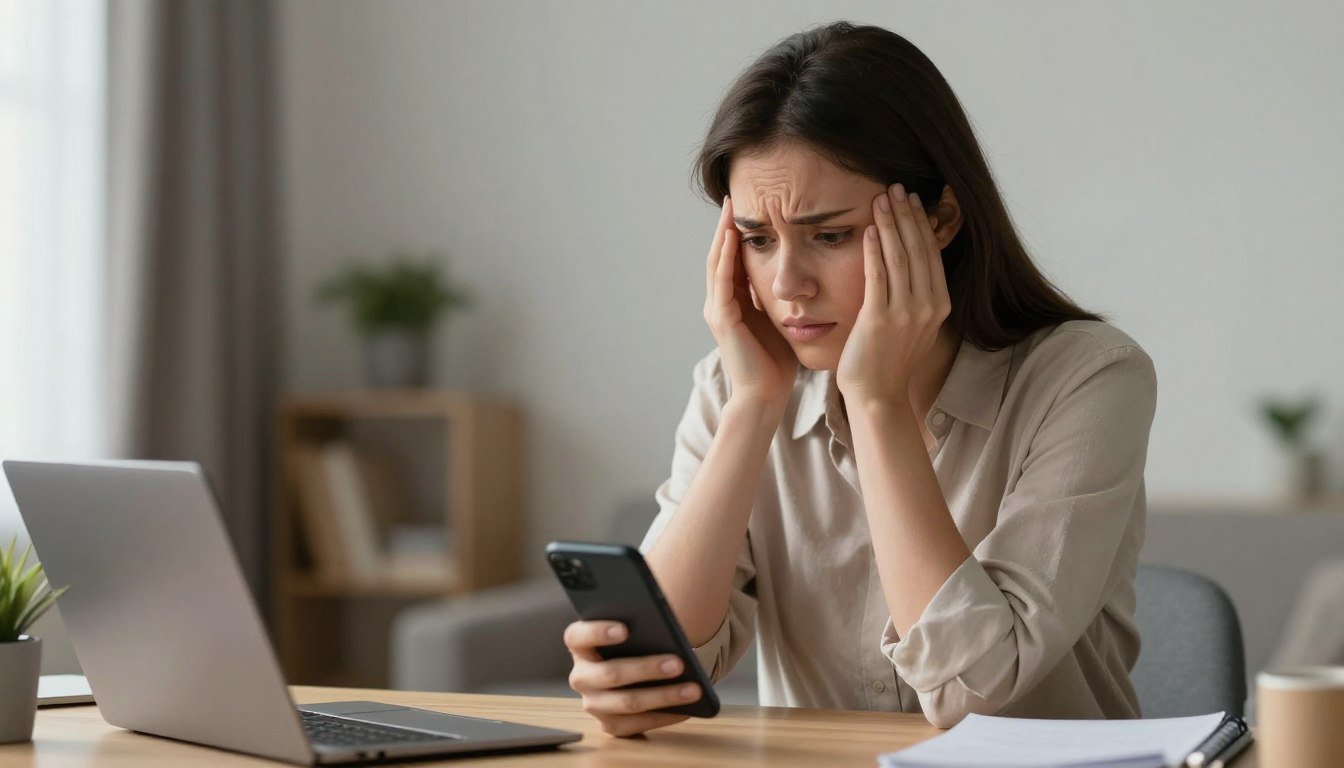
Your phone rings. Your heart races. Your palms start sweating. You stare at the screen, frozen, unable to answer. This isn’t just shyness. For many people, this is phone phobia, a real condition that affects daily life in powerful ways.
Phone phobia, also called telephobia or phone anxiety, goes beyond simple discomfort. It creates genuine fear around making or receiving phone calls. This fear can stop people from booking appointments, connecting with family, or advancing in their careers.
The good news? Phone phobia is manageable. Understanding what triggers this anxiety and learning practical coping strategies can help you reclaim control over your phone conversations.
What Is Phone Phobia?
Phone phobia represents a specific type of social anxiety centered on telephone communication. Unlike general shyness, this condition creates intense physical and mental symptoms when someone needs to make or answer a phone call.
Core Characteristics
Phone phobia involves more than preferring texts over calls. It causes real distress that interferes with normal activities. People with this condition often experience overwhelming dread before, during, and even after phone conversations.
This fear connects to social anxiety disorder in many cases. The person on the other end becomes an “inscrutable audience” who might judge every word. Without visual cues like facial expressions or body language, the conversation feels unpredictable and threatening.
How Phone Anxiety Differs from Introversion
Many introverts prefer written communication. That’s a personality preference. Phone phobia is different. It creates anxiety symptoms that feel uncontrollable.
- Introverts may find calls draining but can manage them without significant distress
- People with phone phobia experience panic-like symptoms that disrupt their ability to function
- Introversion is a stable trait, while phone anxiety can improve with proper strategies
- Phone phobia often involves catastrophic thinking about calls that introverts don’t experience
The distinction matters. Recognizing phone phobia as a mental health concern rather than a personality quirk opens the door to effective treatment and support.
Recognizing the Symptoms of Phone Anxiety

Phone anxiety manifests through both mental and physical symptoms. These signs often appear before a call even begins, building into a crescendo of distress during the conversation.
Mental and Emotional Symptoms
- Obsessive worry about what to say during phone calls
- Racing thoughts about potential embarrassment or judgment
- Excessive rehearsal of conversations before calling
- Replaying conversations afterward, analyzing every word
- Avoidance behaviors like letting calls go to voicemail
- Delay in returning calls, sometimes for days or weeks
- Fear of bothering others or interrupting their time
- Dread that builds throughout the day before a scheduled call
Physical Symptoms
- Rapid heart rate or pounding heartbeat
- Shortness of breath or difficulty breathing normally
- Sweating palms and increased perspiration
- Shaking hands or trembling voice
- Nausea or stomach discomfort
- Difficulty concentrating during the call
- Tightness in chest or throat
- Dizziness or feeling lightheaded
Important Note: These symptoms represent your body’s fight-or-flight response activating. While uncomfortable, they aren’t dangerous. Recognizing them as anxiety symptoms rather than actual threats is the first step toward managing them.
Impact on Daily Life
Phone phobia doesn’t stay confined to phone conversations. It ripples through every area of life. People may miss medical appointments because they can’t call to schedule. Career opportunities slip away when someone avoids phone interviews. Relationships suffer when staying in touch requires phone calls.
The condition often creates a cycle. Avoiding phone calls provides temporary relief but strengthens the fear. Each avoided call makes the next one harder. This pattern can lead to increasing isolation and missed opportunities.
Take the First Step Toward Managing Your Phone Anxiety
Download our free Phone Anxiety Coping Guide with practical exercises, conversation templates, and proven techniques to build your confidence with phone calls.
What Causes Phone Phobia?
Understanding the roots of phone anxiety helps demystify the experience. Multiple factors contribute to developing this fear, and they often overlap in complex ways.
Psychological Roots
Social anxiety forms the foundation for many cases of phone phobia. When someone fears being judged, mocked, or criticized, phone conversations become particularly threatening. The lack of visual feedback amplifies this fear.
During in-person conversations, we read facial expressions and body language. These cues tell us how our words land. On phone calls, that feedback disappears. We’re left guessing whether we’ve said something wrong, whether the other person is annoyed, or if awkward silences mean disaster.
Fear of the Unknown
Phone calls feel unpredictable. You can’t script the entire conversation. The other person might ask unexpected questions, respond in surprising ways, or put you on the spot. This lack of control triggers anxiety in people who struggle with uncertainty.
Performance Pressure
Phone conversations happen in real time. There’s no backspace button, no time to craft the perfect response. Many people with phone anxiety worry they’ll stumble over words, forget important information, or fail to communicate clearly under this pressure.
Cultural and Generational Factors
Younger generations grew up with text-based communication. Research shows only 16% of Gen Z and millennials view phone calls as valuable use of time. This generation learned texting rules but never developed phone conversation skills.
When you lack experience, phone calls feel more intimidating. Not knowing when to pause, how to transition topics gracefully, or how to end conversations politely creates genuine anxiety. What seems natural to older generations feels like navigating without a map to younger people.

Modern Stressors
Today’s phone landscape adds new anxieties. Robocalls flood our phones. In 2024 alone, Americans received over 52.8 billion robocalls. More than half were telemarketing or scam calls. December 2024 brought 4.4 billion robocalls in just one month.
This constant bombardment makes every ring feel suspicious. Is it a scammer? A telemarketer? Someone you actually want to talk to? The uncertainty adds another layer of stress to already anxious phone users.
- Fear of accidentally answering spam calls and becoming a target
- Anxiety about not recognizing important calls among the noise
- Worry about how to handle aggressive telemarketers
- Concern about giving out personal information to the wrong person
Past Negative Experiences
Sometimes phone anxiety stems from specific bad experiences. A harsh interaction with a rude customer service representative. An embarrassing moment during a work call. Receiving bad news over the phone. These experiences can create lasting associations between phone calls and distress.
When our brain links phone conversations with negative outcomes, it naturally tries to protect us by triggering anxiety. This is a normal protective mechanism, but it becomes problematic when it generalizes to all phone interactions.
How Phone Phobia Affects Your Life

Phone anxiety doesn’t just make calls uncomfortable. It creates real barriers that limit opportunities and strain relationships across every part of life.
Professional Consequences
Career advancement often requires phone communication. Job interviews happen by phone. Client meetings occur over calls. Networking involves telephone conversations. When phone phobia interferes, professional growth stalls.
People might miss job opportunities because they can’t bring themselves to make follow-up calls. They may avoid roles that require phone work, limiting career options. Some experience anxiety severe enough to affect performance in phone-heavy positions.
Missed Opportunities
Important business calls go unreturned. Networking connections fade. Potential partnerships never materialize because initial phone contact feels impossible.
Perceived Unprofessionalism
Others may view call avoidance as rudeness or disinterest. Colleagues might think you’re unreliable when you don’t answer. These perceptions damage professional reputation.
Limited Career Paths
Entire industries become off-limits when they require frequent phone communication. This restriction narrows options and may force settling for less satisfying work.
Personal Relationship Strain
Phone calls help maintain long-distance relationships with family and friends. When anxiety prevents these connections, relationships weaken. Loved ones may feel rejected or hurt when calls go unanswered.
The person with phone phobia often feels guilty. They want to connect but can’t overcome the anxiety barrier. This creates a painful cycle of avoidance, guilt, and increasing distance from people who matter.
Healthcare Access Challenges
Booking medical appointments typically requires phone calls. People with severe phone anxiety may delay or avoid necessary healthcare. They might skip scheduling routine checkups, put off addressing concerning symptoms, or fail to follow up on test results.
This impact on health care access makes phone phobia more than an inconvenience. It becomes a genuine health risk when people can’t access medical services because of communication barriers.
Did You Know? Studies show that people with phone anxiety are more likely to experience other forms of social anxiety and may have higher rates of depression due to the isolation caused by avoiding phone communication.
Daily Life Disruptions
Beyond work and relationships, phone anxiety complicates everyday tasks. Calling to order food, resolve billing issues, or get customer service help becomes a major hurdle. Some people drive across town rather than call ahead to check store hours.
These workarounds take extra time and energy. They create unnecessary stress in situations that should be simple. Over time, the accumulation of these daily challenges wears people down and reinforces the belief that phone calls are overwhelming.
Proven Coping Strategies for Phone Anxiety

Managing phone phobia takes practice and patience. These evidence-based strategies help reduce anxiety and build confidence with phone calls over time.
Cognitive Restructuring Techniques
Cognitive restructuring involves challenging anxious thoughts and replacing them with more realistic ones. This approach targets the mental patterns that fuel phone anxiety.
Start by identifying specific fears. Write them down. Then examine the evidence. If you worry about bothering someone, ask yourself: Why would they answer if too busy? If they asked you to call, don’t they want to talk?
Common Anxious Thoughts
- “I’ll say something stupid and embarrass myself”
- “The other person will think I’m bothering them”
- “I won’t know what to say and there will be awkward silence”
- “They’ll judge me if I sound nervous”
Realistic Alternatives
- “Most people don’t remember small verbal mistakes”
- “They wouldn’t answer if they didn’t want to talk”
- “Brief pauses are normal in conversations”
- “Everyone sounds nervous sometimes, it’s human”
This process takes repetition. Your brain won’t immediately accept new thought patterns. Keep questioning anxious predictions and looking for evidence that contradicts catastrophic thinking.
Gradual Exposure Training
Exposure training means facing fears in small, manageable steps. You create a hierarchy of phone situations from easiest to most difficult, then work through them gradually.
Sample Phone Anxiety Hierarchy
- Call a recorded information line where no one will answer
- Call a business to ask a simple question like store hours
- Call a close friend or family member you feel comfortable with
- Call someone you know less well with a straightforward question
- Make a more complex call that requires back-and-forth discussion
- Practice calls with one person watching
- Make calls in front of multiple people
The key to exposure training is consistency. Practice regularly, even when uncomfortable. Your anxiety will spike initially but decrease with repeated exposure. This is your brain learning that phone calls aren’t actually dangerous.
Practical Preparation Methods
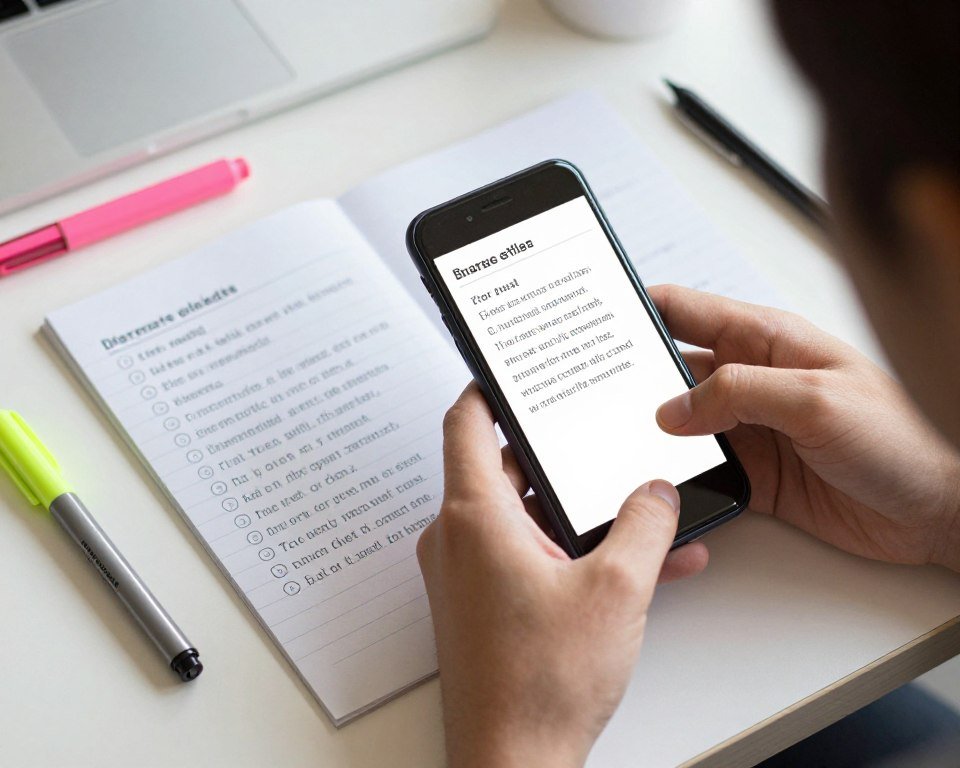
Preparation reduces uncertainty, which lowers anxiety. Having a plan for the call makes it feel more manageable.
Create Call Templates
Write bullet points covering the main topics you need to discuss. Don’t script every word, but note key information, questions to ask, and important details to mention. Keep this list visible during the call.
- Opening greeting and introduction
- Main purpose of the call stated clearly
- Three to five key points or questions
- Closing statement and next steps
- Polite way to end the conversation
Choose Your Environment
Where you make phone calls matters. Find a quiet, comfortable space where you feel relaxed. Some people prefer private areas; others do better with background activity that feels less isolating.
Control what you can control. Sit in a comfortable chair. Keep water nearby. Ensure good phone connection. Remove other distractions. These small adjustments create a sense of stability that counteracts anxiety.
In-the-Moment Anxiety Management
When anxiety spikes during a call, these techniques provide immediate relief.
Deep Breathing
Breathe in slowly for four counts, hold for four, exhale for six. This activates your parasympathetic nervous system, physically calming your body.
Grounding Techniques
Notice five things you can see, four you can touch, three you can hear. This pulls your attention from anxious thoughts to present reality.
The Smile Trick
Smile before and during calls, even if forced. This physically shifts your state and comes through in your voice, making you sound warmer.
Post-Call Recovery
After difficult calls, practice self-compassion. Resist the urge to replay every moment analyzing mistakes. Instead, acknowledge the accomplishment. You made the call despite anxiety. That’s success.
Reward yourself after challenging phone conversations. Do something enjoyable. This positive reinforcement helps your brain associate phone calls with good outcomes rather than pure stress.
Remember: Progress isn’t linear. Some calls will feel easier than others. Bad days don’t erase progress. Keep practicing with patience and self-compassion.
When to Seek Professional Mental Health Support

Self-help strategies work for many people with phone anxiety. But sometimes professional support makes the difference between slow progress and real transformation.
Signs You Should Consider Therapy
Seek professional help when phone phobia significantly disrupts your life. If you’ve lost job opportunities, damaged important relationships, or avoided necessary healthcare due to call anxiety, therapy can provide targeted support.
- Phone anxiety persists despite trying multiple coping strategies
- Symptoms are getting worse rather than improving
- You experience panic attacks related to phone calls
- The fear has spread to other forms of communication
- Depression develops from isolation caused by phone avoidance
- Daily functioning is severely impaired by the phobia
Effective Treatment Approaches
Cognitive-behavioral therapy shows strong results for phone phobia. CBT therapists help identify thought patterns driving anxiety, teach practical coping skills, and guide structured exposure exercises in a supportive environment.
Some therapists specialize in anxiety disorders and social phobia. They understand phone anxiety’s specific challenges and can tailor treatment accordingly. Sessions might include role-playing phone conversations, processing past negative experiences, and building communication skills.
Therapy Benefits
- Professional guidance through exposure exercises
- Personalized strategies for your specific triggers
- Safe space to process underlying fears
- Accountability and structured progress tracking
What to Expect
- Initial assessment of anxiety severity and triggers
- Collaborative treatment planning
- Weekly sessions with between-session practice
- Gradual reduction in symptoms over weeks to months
Finding the right therapist matters. Look for professionals with experience in anxiety disorders and social phobia. Many offer initial phone consultations, though video calls work too if phone calls feel too difficult initially.
Balancing Phone Calls with Other Communication Methods
While working on phone anxiety, it’s okay to use alternative communication methods when appropriate. The goal isn’t forcing every interaction through phone calls.
Choosing the Right Communication Channel
Different situations call for different communication methods. Email works well for non-urgent matters requiring documentation. Text messages suit quick confirmations or simple questions. Video calls provide visual cues that some people find easier than voice-only calls.
Phone calls still serve important purposes. They convey tone and emotion that text can’t capture. They resolve complex issues faster than email chains. They maintain human connection in ways that feel more personal than messaging.
When Phone Calls Work Best
- Urgent matters requiring immediate response
- Complex discussions needing back-and-forth dialogue
- Sensitive topics requiring nuanced communication
- Building rapport with new contacts
- Emergency situations
- Quick decisions involving multiple factors
When Alternatives Make Sense
- Simple information requests
- Situations requiring written documentation
- Non-urgent scheduling or planning
- Group communication
- Times when you need space to formulate responses
- Follow-up confirmations
Communicating Your Preferences
It’s okay to express communication preferences. Many people appreciate knowing how someone prefers to be reached. You might say, “I’m better with email for detailed discussions, but happy to do a quick call if that works better for you.”
This transparency removes pressure while staying flexible. You’re not refusing phone calls entirely, just establishing that alternatives work well for certain situations. Most people respect these preferences and appreciate the clarity.
Using Technology to Ease Phone Anxiety
Modern technology offers tools that make phone calls less stressful. Caller ID lets you prepare mentally before answering. Call blocking eliminates spam calls that trigger anxiety. Voicemail provides a buffer when you’re not ready to talk.
Some people find simpler phones less overwhelming than smartphones. A basic device dedicated to calls removes the distraction of notifications and apps. This focused approach can make phone interactions feel more manageable.
Building Long-Term Confidence with Phone Communication

Overcoming phone phobia is a journey, not a destination. Building lasting confidence requires consistent practice, self-compassion, and celebrating progress along the way.
Creating Sustainable Practice Habits
Regular exposure is key. Make it a goal to handle at least one phone call weekly, even if it’s a simple one. This consistent practice prevents anxiety from rebuilding during long avoidance periods.
Start each week by identifying one phone task you’ll complete. Schedule it on your calendar. Treat it like any important appointment. This structure removes decision-making that can lead to avoidance.
- Monday: Review your weekly phone goals
- Schedule practice calls during your most alert, calm times
- Keep a journal tracking calls made and how they felt
- Note what strategies helped and what didn’t
- Celebrate each completed call, regardless of how it went
Reframing Phone Calls as Opportunities
Shift your perspective on phone conversations. Instead of viewing them as threats, see them as opportunities to practice a valuable life skill. Each call is data about what works and what needs adjustment.
Mistakes during calls aren’t failures. They’re learning moments. That awkward pause? You survived it. That moment you stumbled over words? The conversation continued anyway. These experiences prove that the catastrophic outcomes you fear rarely materialize.
Progress Tracking Ideas
Monitoring your progress helps maintain motivation and shows improvement you might not otherwise notice.
- Rate anxiety levels before and after calls on a scale of 1-10
- Track how many rings before you answer the phone
- Note how long you delay returning calls
- Record the types of calls you can handle comfortably
- Document moments when calls went better than expected
Maintaining Progress During Setbacks
Setbacks happen. You might have a difficult call that triggers old anxiety patterns. Or life stress might temporarily increase phone-related fears. This doesn’t mean you’ve lost all progress.
During challenging periods, return to basics. Practice your breathing techniques. Use your call templates again. Reach out to your support system. Remind yourself that fluctuations are normal and temporary.
Avoid This Trap: Don’t let one bad call send you into complete avoidance. Make another call within 48 hours, even if it’s an easy one. This prevents anxiety from regaining its hold.
Moving Forward with Phone Phobia

Phone phobia affects many people across all ages and backgrounds. You’re not alone in this struggle, and you’re not broken. This anxiety represents a specific challenge that responds well to proper strategies and support.
The path forward involves patience with yourself. Progress comes through small, consistent steps rather than dramatic overnight changes. Each phone call you complete, no matter how simple, builds the foundation for greater confidence.
Remember these key points as you work on phone anxiety:
- Phone phobia is a real condition with physical and mental symptoms
- Understanding your specific triggers helps target effective strategies
- Cognitive restructuring challenges anxious thought patterns
- Gradual exposure reduces fear through repeated safe practice
- Professional support is available when self-help isn’t enough
- Alternative communication methods have their place while you build skills
- Progress isn’t linear, and setbacks don’t erase your gains
Start where you are. Choose one strategy from this article and implement it this week. Make one practice call. Challenge one anxious thought. Prepare for one conversation you’ve been avoiding. Small actions accumulate into meaningful change.
Phone anxiety may feel overwhelming right now, but it doesn’t have to control your life forever. With understanding, practice, and possibly professional support, you can develop the confidence to handle phone calls without debilitating fear. Take that first small step today. Your future self will thank you.
Connect with Mental Health Support
If phone anxiety is affecting your quality of life, professional support can help. Browse our directory of therapists specializing in anxiety disorders and social phobia to find the right fit for your needs.
Is phone phobia a real mental health condition?
Yes, phone phobia (telephobia) is recognized as a specific type of social anxiety. It causes real psychological and physical symptoms that interfere with daily functioning. Mental health professionals treat it using evidence-based approaches like cognitive-behavioral therapy.
Can phone anxiety go away completely?
Many people successfully reduce phone anxiety to manageable levels through therapy and practice. While some mild nervousness may persist in certain situations, most people can develop skills to handle phone calls without significant distress or avoidance.
How long does it take to overcome phone phobia?
The timeline varies by individual. With consistent practice and proper strategies, many people notice improvement within weeks to months. Severe cases may require longer-term therapy. The key is regular exposure and not expecting instant results.
Should I always force myself to answer phone calls?
No. It’s okay to let calls go to voicemail sometimes, especially during high-stress periods. The goal is reducing anxiety, not creating rigid rules. However, avoid complete avoidance, as this strengthens the phobia. Balance self-care with gradual exposure.
Are video calls better than phone calls for phone anxiety?
Some people find video calls easier because they provide visual cues. Others find them more stressful due to being on camera. Experiment to see what works for you. Both can serve as practice for building communication confidence.