
Ever wondered why a busy mind keeps us awake, even when we’re really tired? We often ignore how hard constant stress is on our minds and bodies. Finding tension relief is not just nice; it’s really important for us to live well.
When we have too much to do, we often don’t get enough sleep. Too many thoughts keep us from sleeping deeply. This makes us feel tired the next day.
Sleep is when our brains and bodies get ready for the next day. Most adults need 7 to 9 hours of sleep each night to be at their best. We can feel better by using The Four A’s approach to find balance. Taking care of our inner peace helps us stay healthy and focused every day.
Key Takeaways
- Sleep allows the brain and body to recharge effectively.
- Most adults require 7 to 9 hours of slumber nightly for peak health.
- High internal pressure makes it difficult to fall asleep quickly.
- Using the Four A’s helps manage overwhelming life demands.
- Regular movement and time management lower daily mental burdens.
- Strong social connections are essential for emotional well-being.
Understanding Stress and Its Impact on Our Lives
Stress is something everyone feels. But how it shows up and affects us is different. It’s not just in our minds; it also affects our bodies and health. Knowing about stress is key to staying healthy in today’s world.
What Is Stress?
Stress is how our body reacts to pressure. It can come from work, friends, or our own goals. When we see a big challenge, our body gets ready to either fight or run away.
Everyone feels stress in their own way. Some get really upset over small things. Others stay calm even when things are tough. Knowing how stress affects us is the first step to handling it.
Common Stress Triggers
Finding out what makes us stressed is important. Here are some common things that can stress us out:
- Work pressures, like tight deadlines
- Money worries and unsure futures
- Issues with friends and family
- Health problems, our own or our loved ones’
Knowing what stresses us helps us find ways to deal with it.
The Physical and Mental Effects of Stress
Stress affects our bodies and minds a lot. It can cause:
- Physical symptoms like headaches and tiredness
- Mental health problems like feeling anxious or sad
Stress can also make health problems worse. So, it’s really important to find ways to manage stress. By using stress management techniques and changing our lifestyle, we can lessen stress’s bad effects.
Effective Techniques for Relieving Stress
Managing stress means finding ways to relax and feel less anxious. Everyone is different, so it’s important to try various methods to see what works best for you.
Mindfulness and Meditation
Mindfulness and meditation are great for stress reduction. They help you stay in the moment, not worrying about the past or future. Studies show they can lower stress and make you feel better.
For more on mindfulness and its benefits, check out this resource.
Exercise and Physical Activity
Exercise is a top way to ease stress. It helps calm your emotions and clear your mind. Try to make time for it a few nights a week.
It won’t get rid of stress completely, but it can make it feel less intense.
Deep Breathing Exercises
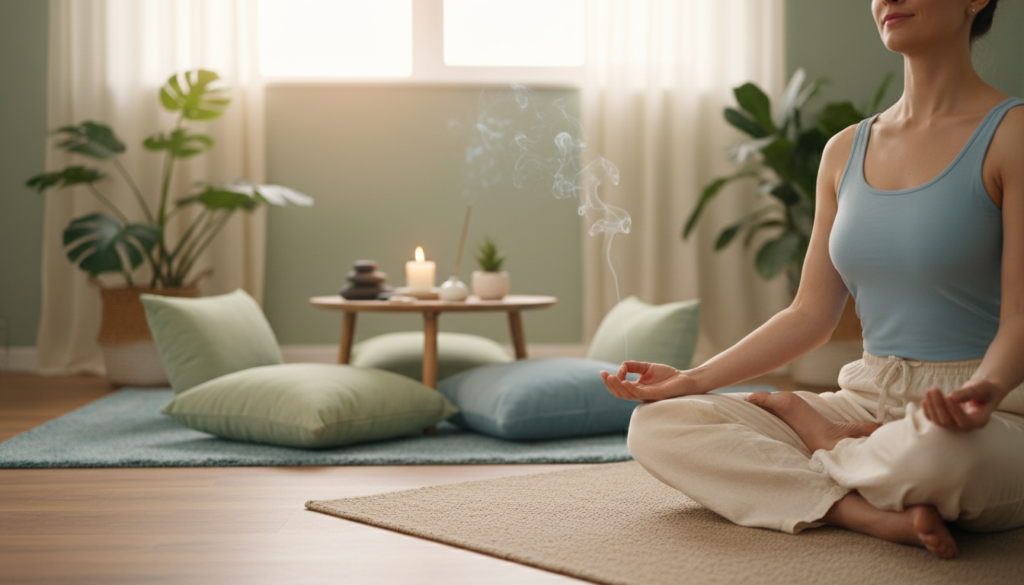
Deep breathing is a simple yet powerful relaxation method. It involves taking slow, deep breaths to calm down. You can do it anywhere, anytime.
Positive Affirmations
Positive affirmations are about using positive words to change negative thoughts. By doing this regularly, you can focus less on stress and more on being positive.
| Technique | Description | Benefits |
|---|---|---|
| Mindfulness and Meditation | Focus on the present moment | Reduces stress and anxiety |
| Exercise and Physical Activity | Engage in physical activity | Reduces emotional intensity, improves mood |
| Deep Breathing Exercises | Practice slow, deep breaths | Calms the mind and body |
| Positive Affirmations | Use positive statements | Reframes negative thoughts, promotes positivity |
By using these techniques every day, you can handle stress better and feel happier.
Lifestyle Changes to Reduce Stress
To fight stress, we need to change our lifestyle. Making smart choices in our daily life can lower stress. This makes us feel better overall.
Healthy Eating Habits
Eating right is key to managing stress. Foods like salmon, berries, and leafy greens help. They are full of good stuff for our brains.
Having regular, healthy meals keeps our energy up. Starting with a good breakfast is a great start. Eating slowly and enjoying our food also helps.
Sleep Hygiene
Good sleep is crucial for stress control. Stick to a sleep schedule and make your bedroom cozy. Avoid screens before bed. Adequate sleep keeps stress hormones in check.
Having a bedtime routine tells our body it’s time to sleep. Try reading, meditation, or a warm bath. A dark, quiet, cool bedroom helps sleep better.
Time Management Strategies
Managing time well is a big stress fighter. Prioritize tasks and set achievable goals. Avoid putting things off. This makes us feel more in control.
Use calendars, to-do lists, or apps to stay organized. Saying “no” to extra tasks and taking breaks are also key. For more tips on work stress, check out Work Shift Anxiety.
By making these lifestyle changes, we can handle stress better. We become more resilient against it.
Building a Support System for Stress Relief
Having a strong support system is key for stress-free living. A good network offers emotional support, practical help, and new views on problems. This makes it easier to handle stress.
Social Connections
Social ties are very important for our well-being. A strong network of friends, family, and colleagues can help with work issues. It also helps us see things differently.
Helping others, like through volunteering, makes us stronger. It shows that people who help out tend to be more resilient.
It’s important to keep these relationships alive. Talking regularly, whether by phone, in person, or online, helps. It makes us feel connected and valued.
Seeking Professional Help
At times, we might need professional help. This could be from therapists, counselors, or psychologists. They offer advice and support that fits our needs.
Looking for help is brave, not weak. Experts can teach us ways to manage stress better. They help improve our mental health.
Group Activities and Community Involvement
Being part of groups and community activities is good too. Doing community work or joining groups we like gives us a sense of purpose. It makes us feel like we belong.
It also helps us meet new people and make friends. Studies show that being involved in the community boosts our resilience. It helps us live without stress.
| Support System Component | Benefits | Examples |
|---|---|---|
| Social Connections | Emotional backing, practical help, different perspectives | Family, friends, colleagues, social clubs |
| Professional Help | Guidance, tailored support, stress management strategies | Therapists, counselors, psychologists |
| Group Activities | Sense of purpose, new connections, enhanced resilience | Volunteering, community work, hobby groups |
Incorporating Stress Relief into Our Daily Routine
We’ve learned many ways to handle stress. Now, let’s make these habits part of our daily life. This will help us feel better and deal with stress better.
Practical Steps to Begin
Starting small is key to managing stress. Break big tasks into smaller ones. This makes us feel less stressed and more in control.
Setting goals we can reach helps us move forward. We can celebrate our small wins along the way.
Creating a Peaceful Environment
Having a calm spot at home or work helps a lot. It could be a corner for meditation or reading. This space lets us take a break and refresh.
Reflecting on Our Experiences
Writing in a journal is very helpful. It helps us think clearly and reflect. By writing about three things we’re thankful for each day, we stay positive.
This habit keeps us focused on now. It helps us manage stress better.