
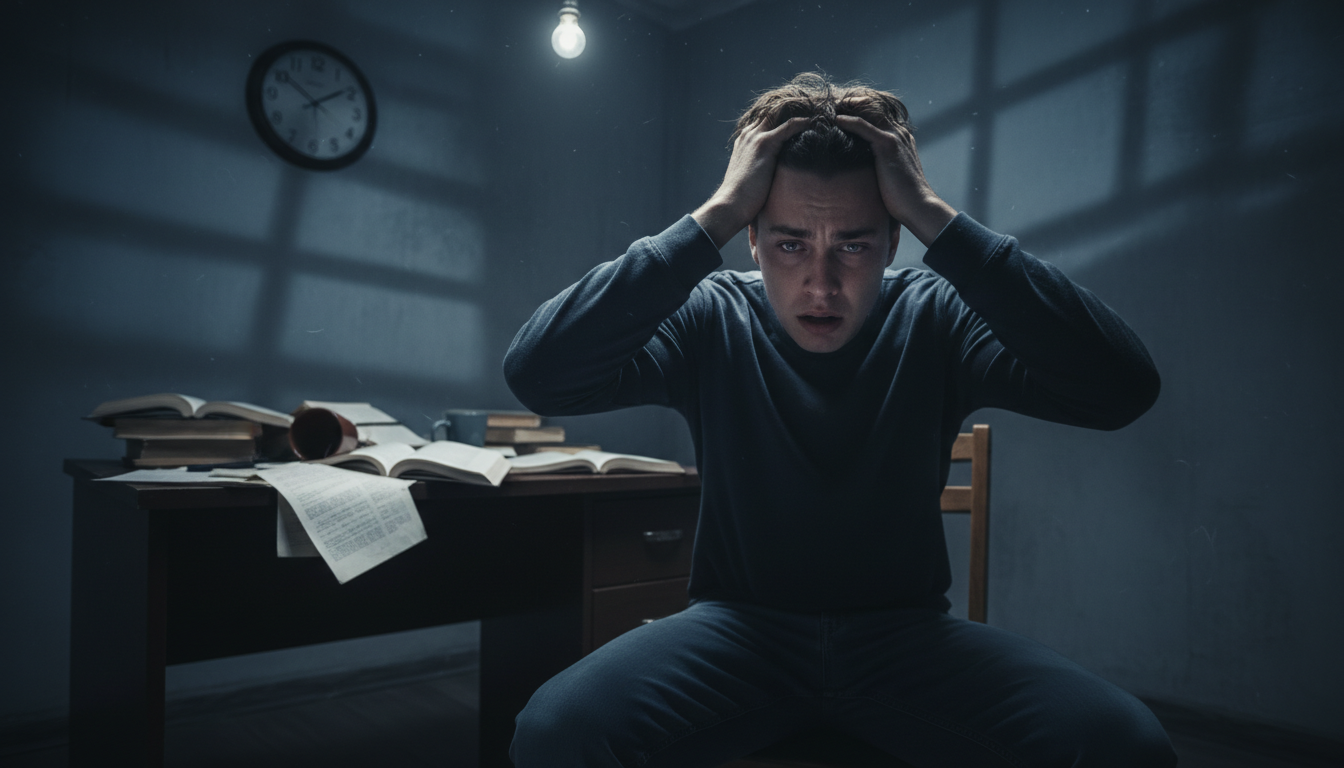
What if the worry you feel isn’t just everyday stress, but a sign of a deeper condition affecting your well-being?
We all experience fear or unease at times. It’s a normal reaction to a tough work project or a big test. For many, this feeling passes.
Yet, for nearly one in three adults in their lifetime, these feelings don’t fade. They can grow and start to interfere with daily life. This is when typical worry may cross into an anxiety disorder.
Our guide is here to provide clear information. We explain the spectrum of these experiences, from common stress to more intense, persistent signs.
Recognizing the difference is a crucial first step for mental health. It empowers people to seek the right support and management strategies.
We combine medical research and practical advice. Our goal is to help you understand this widespread health concern and navigate a path forward.
Key Takeaways
- Occasional worry is normal, but persistent, overwhelming fear may indicate a disorder.
- Anxiety disorders are common, affecting about one in three adults during their life.
- These conditions exist on a spectrum and can significantly impact daily functioning.
- Understanding the signs is a vital step toward improving mental well-being.
- This guide offers research-backed information to help you recognize and address these challenges.
- Effective management strategies are available and can lead to a better quality of life.
Understanding Severe Anxiety Symptoms
Our body’s natural alarm system is designed for short bursts, yet it can sometimes get stuck in the ‘on’ position. This persistent state defines a level of distress that moves beyond typical nervousness.
We will explore what this condition means and how its signs become evident in daily life.
Defining Severe Anxiety and Its Impact
We define this anxiety disorder as a chronic state of worry and fear. It goes far beyond normal stress responses.
Its intensity and duration disrupt our relationships, work, and personal well-being. The impact is significant, making routine tasks feel overwhelming.
How We Recognize Its Signs
Recognizing the signs involves noting both physical and mental changes. Common physical cues include a racing heart, sweating, and trouble breathing.
Mentally, people may experience constant worry and an inability to concentrate. There can also be a strong sense of panic without a clear cause.
Spotting these signs early is crucial for health. It helps prevent complications like depression or substance abuse over time.
Understanding this full range allows us to differentiate a temporary reaction from a chronic disorder needing care.
Recognizing the Difference Between Everyday Anxiety and Disorders
Distinguishing between common nervousness and a clinical condition is a key step in managing our mental well-being. We all experience worry, but its role in our life determines its nature.

Normal Anxiety vs. Anxiety Disorders
We can ask three simple questions. First, does the worry interfere with daily activities? If it blocks important tasks, it may signal an anxiety disorder.
Second, consider its intensity. Typical nervousness is unpleasant but passes. A clinical disorder often feels constant and overwhelming.
Third, is the fear proportionate to the real risk? With anxiety disorders, the reaction is often bigger than the situation warrants.
Stress comes from outside causes, like a tight deadline. Anxiety is our body’s reaction to that stress, and it can linger.
When worry is persistent and disproportionate, it crosses a line. Understanding this helps us know when to seek support for our health conditions.
Many people anxiety experiences exist on a spectrum. Recognizing where we fall guides our next steps, whether it’s self-care or professional help for anxiety disorders. For specific strategies on managing workplace stress, dedicated resources can be invaluable.
Exploring Common Anxiety Disorders
Several well-defined conditions fall under the broad umbrella of anxiety disorders. We will look at the five most frequent types affecting millions.
Recognizing their unique patterns helps in identifying which condition may be present.
Generalized Anxiety Disorder and Panic Attacks
Generalized anxiety disorder involves excessive, hard-to-control worry about everyday tasks. People often feel “on edge” and struggle with concentration and sleep.
This disorder usually starts in early adulthood. It is more common in women.
Panic disorder brings sudden, intense fear that triggers panic attacks. These episodes may include a pounding heart, chest pain, and sweating.
“Understanding the specific form of distress is the first step toward managing it effectively.”
Panic attacks typically last 5 to 30 minutes. They feel frightening but are not physically harmful.
| Disorder | Key Feature | Typical Onset |
|---|---|---|
| Generalized Anxiety Disorder | Excessive, uncontrollable worry about daily life | Early adulthood |
| Panic Disorder | Sudden panic attacks with intense physical symptoms | Late teens to early adulthood |
| Social Anxiety Disorder | Overwhelming fear of social situations and judgment | Adolescence |
| PTSD | Develops after a traumatic event | Any age after trauma |
| Specific Phobias | Intense, irrational fear of a specific object or situation | Childhood or early adulthood |
Social Anxiety and Phobias
Social anxiety disorder causes overwhelming worry in social situations. There is a deep fear of being judged or embarrassed by others.
Specific phobias involve an intense, irrational fear of something posing little real danger. This often leads to complete avoidance of the trigger.
Each of these conditions has distinct traits. A professional diagnosis is essential for proper care.
Physical and Mental Manifestations of Anxiety
Manifestations of intense worry are not just felt in the mind; they echo throughout the entire body. We can understand this condition better by looking at its two main aspects.
Physical Symptoms: Heart Rate, Sweating, and More
When we feel threatened, our body releases stress hormones like adrenaline. This triggers the fight-or-flight response.
Physical signs may include a racing heart, sweating, and rapid breathing. Trembling, dizziness, and nausea are also common.
During a panic attack, these feelings can be overwhelming. Some people fear they are having a heart attack, though the symptoms are not dangerous.
Mental Symptoms: Overthinking and Fear
The mental side involves constant, hard-to-control worry. We might feel irritable or have trouble concentrating.
Racing thoughts and a strong sense of fear are frequent. This mental distress often fuels the physical symptoms, creating a cycle.
Understanding both aspects is crucial for health. Recognizing them early allows for better management. For a detailed list of anxiety symptoms, reputable medical sources provide comprehensive information.
Self-Care Strategies for Managing Anxiety
Empowering ourselves with simple, daily practices offers a powerful path to regain calm. We can build a personal toolkit to manage worry and improve our mental health.
Research shows many activities effectively lower the body’s stress response. These ways provide immediate help and long-term benefits.
Practical Breathing and Relaxation Techniques
Calming breaths activate our body’s relaxation system. This slows heart rate and counters fear.
Try a simple method: inhale for four counts, hold for four, exhale for six. Repeat a few times.
This technique offers quick relief in tense situations. It is a foundational skill for mental health.
Incorporating Mindfulness and Meditation
Mindfulness teaches us to observe thoughts without judgment. It breaks the cycle of constant worry.
Regular meditation, even for short time, builds this skill. Many free audio guides can help start this practice.
| Self-Care Activity | Key Benefit | Simple Tip |
|---|---|---|
| Diaphragmatic Breathing | Calms nervous system quickly | Practice for 2 minutes daily |
| Mindfulness Meditation | Reduces repetitive worry | Use a guided app for 5 minutes |
| Regular Exercise (e.g., walking, yoga) | Lowers stress hormones | Aim for 20 minutes most days |
| Balanced Diet & Regular Meals | Stabilizes energy and mood | Include protein with each meal |
| Peer Support Conversation | Provides connection and understanding | Share feelings with one trusted person |
Physical activities like walking or yoga release natural mood boosters. They are proven ways to feel better.
Do not avoid things that cause worry. Instead, face them gradually. Small steps teach our brain not to react with fear.
Set tiny, achievable goals. This builds confidence without overwhelm. Talking to friends or a support group also provides great help.
Therapy and Medications: Our Treatment Options
Modern mental health care provides a range of effective treatments, from specialized talk therapy to carefully managed medications.
When self-management needs support, these professional approaches offer proven solutions.

Cognitive Behavioral Therapy Insights
Cognitive behavioral therapy is a leading form of psychotherapy. It focuses on our current thought and behavior patterns.
This therapy teaches us to identify and change unhelpful thinking. It provides practical skills for managing distress.
Another option is acceptance and commitment therapy. It uses mindfulness to help us engage in meaningful activities.
Understanding Medication and Its Role
Medications are another cornerstone of professional care. They help correct chemical imbalances in the brain.
Health professionals often prescribe different types based on our specific conditions.
| Medication Type | Key Feature | Considerations |
|---|---|---|
| SSRIs/SNRIs | First-line antidepressants for long-term management | Can take several weeks to become fully effective |
| Benzodiazepines | Provide rapid relief for acute episodes | Generally for short-term use due to dependency risk |
| Buspirone | Non-addictive option for generalized worry | Requires 3-4 weeks of consistent use |
Combining therapy and medication often yields the best results. Working with a health professional is key to finding the right plan.
This process may take some time, but with proper care, most people see significant improvement.
Lifestyle Adjustments to Reduce Stress and Improve Health
Building a healthier routine is one of the most effective ways we can directly influence our stress levels and overall well-being. These daily choices form a strong foundation for our health.
While these changes cannot replace professional care for health conditions, they greatly support it. They can reduce worry and make therapy more effective.
Simple dietary shifts matter. Cutting back on caffeine, for example, helps calm a racing mind. Prioritizing good sleep is equally vital for managing daily problems.
Regular exercise and mindfulness practices are powerful tools. They lower the body’s production of stress hormones like cortisol. This directly improves our mental state.
Many life events can trigger distress. Work pressure, financial strain, or family changes are common sources. Even happy events like a wedding bring new stress.
We encourage looking at risk factors in our environment. A comprehensive approach to health addresses body, mind, and emotions together. This helps people’s worry become more manageable over life.
Supporting Ourselves and Loved Ones with Anxiety
When distress touches our lives or the lives of our loved ones, knowing how to offer effective help becomes crucial. This journey is built on understanding, clear communication, and knowing when to seek professional care.
Communicating and Seeking Professional Help
Open, honest talk is a powerful first step. If you are struggling, share your thoughts with a trusted person. If you are concerned about a family member, set aside time to listen.
Express your concern without judgment. Reassure them of your ongoing support. Seeking reliable information about signs and treatments empowers everyone involved.
Recognize when problems at work, school, or home signal it’s time for professional help. A primary care provider can refer you to a mental health specialist.
Building a Network of Support
A strong network includes friends, family, and professionals. Each offers different types of support.
For children and teens, worries often focus on school or friendships. They may fear disappointing others. Patient guidance from family is key.
Be kind to yourself and others. Progress in managing these things can have setbacks. Celebrating small steps builds confidence for people on this path.
With the right care and support, children and adults can lead fulfilling lives.
Wrapping Up Our Discussion on Managing Severe Anxiety Symptoms
You’ve taken an important step by learning to recognize when worry needs attention. Understanding these conditions is the first move toward effective management.
If you experience an anxiety disorder, there is good news. With proper treatment, most people see their condition improve significantly.
Effective care often combines professional therapy, medication when needed, and daily self-care. This multi-approach strategy addresses both mind and body.
We encourage you to be proactive about your mental health. Seek reliable information and build a strong support network. Asking for help shows strength, not weakness.
With persistence and the right treatment, better quality of life is an achievable goal. You now have the knowledge to move forward with hope.