

What if your body’s most visible sign of stress wasn’t a weakness, but a message waiting to be understood?
Many of us have felt that sudden, uncontrollable trembling in our fingers when nervous or overwhelmed. This physical reaction is a common experience, linking our mental state directly to our physical being.
It can feel isolating and frightening when your limbs seem to have a mind of their own during tense moments. We want you to know this is a normal bodily response to heightened stress.
This guide takes a comprehensive approach. We will explore both quick methods for calming this reaction and long-term strategies for managing its root causes.
Understanding the science behind these physical symptoms is the first, crucial step toward reducing fear and regaining a sense of control over your own body.
Key Takeaways
- Shaky hands are a common physical manifestation of stress and worry.
- Anxiety can create both visible and invisible physical symptoms in the body.
- Feeling isolated during these moments is normal, but you are not alone.
- Effective management involves both immediate techniques and long-term strategies.
- Understanding the triggers and science is key to reducing fear and regaining control.
- This guide will answer common questions and provide actionable steps.
Understanding Shaky Hands Anxiety
That involuntary trembling we feel when stressed is more than a nuisance. It’s a direct signal from our nervous system.
Medically, these are called psychogenic tremors. They are a physical reaction to psychological pressure.
What It Feels Like
The experience varies widely among people. Some notice a slight internal quiver in their fingers.
Others deal with visible vibrations that feel uncontrollable. During key moments, like giving a presentation, this can stir deep emotions.
It might feel like your limbs have a will of their own. This reaction is distinct from shivering from cold.
Why It Matters to Us
Naming this symptom validates our experience. It reminds us that physical signs are real expressions of our mental state.
When our confidence dips due to trembling, it can create a cycle of worry. We might fear being judged or appearing incompetent.
A common concern is that something is medically wrong with our body. However, stress-related shaking is a recognized and treatable condition.
Understanding our personal pattern with these tremors is crucial. It is the first step toward finding effective, tailored coping methods.
The Science Behind Anxiety Tremors
At the core of anxiety-induced trembling lies the fight-or-flight response, a system honed by evolution. This is our nervous system‘s primal reaction to perceived danger.
It is not a flaw but an ancient survival mechanism. Our body prepares to confront or escape a threat.
Fight-or-Flight Response Explained
When our brain detects stress, it signals an alarm. This triggers a cascade of physiological changes.
Key hormones like adrenaline and cortisol flood our bloodstream. Understanding this process is crucial for managing its effects. The primary driver is norepinephrine, also called noradrenaline.
This chemical messenger activates our entire body. Our heart rate spikes and breathing quickens.
Pupils dilate to improve vision. Blood pressure rises to circulate resources faster.
This reflex is protective in genuine danger. Modern stressors, however, often don’t require a physical reaction.
How Adrenaline Affects Your Muscles
Adrenaline redirects blood flow toward major muscle groups. This prepares us for action like fighting or fleeing.
Increased circulation brings extra oxygen and nutrients. Our muscles tense, ready to spring into motion.
This activation can manifest as shaking or tremors. Our hands are especially sensitive.
They contain fine motor muscles highly reactive to adrenaline. The surge of blood and nerve signals can cause visible vibrations.
So, those tremors are not a malfunction. They are evidence of a nervous system working precisely as designed.
Physical and Emotional Signs of Shaking
The experience of stress-related trembling extends far beyond what the eye can see. It involves a full-body and mind response.
Recognizing this complete symptom picture helps us understand what is happening. It is the first step toward effective management.
Visible Tremors in Daily Life
Fine motor muscles in our fingers are often the first to react. This can make simple tasks like holding a pen or a cup challenging.
These tremors can spread to our arms, legs, or even cause our voice to quiver. The visible sign can feel embarrassing in social situations.
It’s a clear physical symptom that our body is under significant pressure. This reaction is not limited to our hands.
Internal Sensations and Panic
Sometimes, the shaking is felt internally as a deep vibration. No one else can see it, but we feel it intensely.
This internal quivering often worsens at night. It happens when our mind is quiet and worries can amplify.
“Noticing the tremor fuels more worry, which then intensifies the shaking. It’s a challenging cycle to break.”
These sensations rarely come alone. They are usually part of a cluster of other reactions.
| Common Accompanying Symptoms | Physical | Emotional & Mental |
|---|---|---|
| Primary Group | Rapid heartbeat, sweating | Panic, racing thoughts |
| Secondary Group | Shortness of breath, dizziness | Feeling detached, irritability |
| Tertiary Group | Muscle tension, nausea | Restlessness, trouble focusing |
Mapping your personal pattern of these signs is powerful. It allows you to spot early warnings and act before tremors peak.
Common Causes of Tremors During Anxiety
The shaking we experience isn’t random. It’s frequently triggered by specific physiological and situational causes.
Identifying these factors helps us manage our response. We can address the root issues behind the physical symptoms.
Stress and Hormonal Reactions
Our bodies can start trembling even before a stressful event. This is called anticipatory anxiety.
The mind perceives a future threat. It activates stress hormones like adrenaline prematurely.
This surge prepares our muscles for action, leading to early tremors. It’s a biological alarm system.
| Category | Primary Cause | Common Example |
|---|---|---|
| Biological | Hormone surge & fatigue | Hyperventilation altering blood chemistry |
| Lifestyle | Stimulants & depletion | Excess caffeine, dehydration, low blood sugar |
| Situational | High-pressure scenarios | Public speaking, exams, or health worries |
Chronic tiredness from worry or poor sleep weakens muscle control. Lifestyle choices can heighten our nervous system’s sensitivity.
Knowing our personal triggers is powerful. It allows us to adjust our habits and anxiety levels proactively.
Differentiating Anxiety Tremors from Other Disorders
Not all trembling is a sign of psychological stress. Some stem from distinct neurological conditions.
Understanding these differences is vital. It guides us toward the right management path and appropriate care.
Essential Tremor vs. Parkinson’s Disease
Essential tremor is the most common movement disorder. It affects about 1% of people globally.
This number rises to 5% for those over age 60. Shaking happens consistently during voluntary movement.
It often involves the hands, head, or voice. In contrast, Parkinson’s disease causes a Parkinsonian tremor.
This symptom typically occurs when the body is at rest. It tends to lessen during intentional activity.
Neurological Versus Psychogenic Tremors
Anxiety-induced shaking is considered a psychogenic tremor. It is a functional movement disorder rooted in distress.
Its cause is psychological conflict, not a degenerative disease like Parkinson’s. Other neurological tremor disorders have different origins.
| Feature | Anxiety Tremor | Essential Tremor | Parkinson’s Disease |
|---|---|---|---|
| Onset | Sudden, with stress | Gradual, often familial | Gradual, progressive |
| Duration | Temporary | Persistent, lifelong | Persistent, progressive |
| Primary Trigger | Emotional stress | Action/posture | Resting state |
| Key Difference | Resolves as anxiety decreases | Worsens with precise tasks | Improves with voluntary movement |
While essential tremor and Parkinson’s are chronic, anxiety tremors usually fade with calm. Proper evaluation rules out other conditions.
Seek medical advice if shaking persists without nervousness. This helps confirm the correct diagnosis.
Immediate Calming Techniques for Anxiety Shaking
Learning to calm the nervous system on demand is a powerful skill for managing acute stress episodes. When you feel those first signs, these methods can help you regain control.
Deep Breathing and Relaxation Exercises
Specific breathing patterns trigger the body’s relaxation response. Box Breathing uses a simple 4-4-4-4 count: inhale, hold, exhale, and hold.
The 4-7-8 technique involves breathing in for four seconds, holding for seven, and exhaling for eight. Diaphragmatic breathing focuses on filling your belly with air.
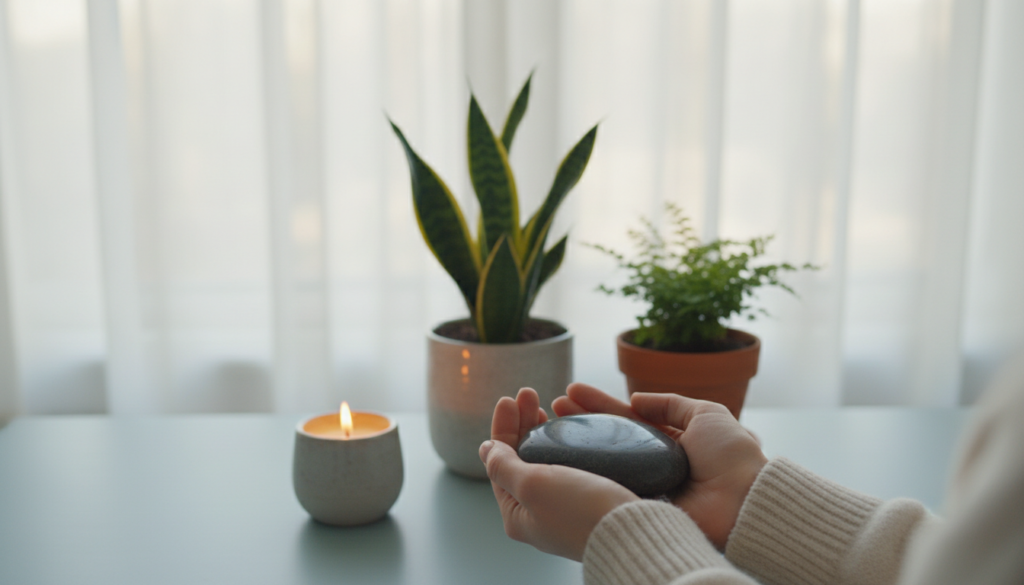
Progressive muscle relaxation is another key tool. You systematically tense and then release different muscle groups to ease physical tension.
Quick Grounding Techniques
Grounding methods bring your focus back to the present. The 5-4-3-2-1 method engages your senses: name things you see, feel, hear, smell, and taste.
Holding a cold object, like an ice cube, can override anxious sensations. The strong sensory input redirects your brain’s attention.
Focusing on textures—touching fabric or wood—creates a physical anchor. This can help calm your system during tremor episodes.
Regular practice makes these techniques more effective when you need them. For more on managing workplace stress, explore our dedicated resources.
Long-Term Strategies to Manage Anxiety Tremors
Effective management of tremors extends beyond momentary relief into sustained lifestyle and thought pattern adjustments.
We focus on strategies that address root causes rather than just symptoms. This approach builds lasting resilience.
Therapy, CBT, and Mindfulness Practices
Therapy is one of the most effective treatment methods for anxiety disorders.
Cognitive-behavioral therapy (CBT) is a proven treatment approach. It helps identify and change thought patterns that trigger physical symptoms.
Other modalities like Acceptance and Commitment Therapy teach us to observe symptoms without judgment.
Regular sessions provide a toolkit of coping strategies. Over time, these become automatic and reduce tremor frequency.
Lifestyle and Habit Adjustments
Essential changes support anxiety management. Consistent sleep schedules and regular meals stabilize our system.
Staying hydrated is crucial. We must also reduce substances like caffeine and nicotine that exacerbate tremors.
Developing healthier coping mechanisms replaces reliance on alcohol or maladaptive habits.
Long-term management requires patience. Changes in anxiety levels develop gradually over time.
Medication Options and Their Effects on Tremors
When lifestyle changes and therapy aren’t enough to control symptoms, exploring medication options can be a logical next step. These medications are considered when conservative strategies prove insufficient for symptom control.
There are three main classes of effective medications. Beta-blockers, like propranolol, antidepressants (SSRIs and SNRIs), and benzodiazepines each play a distinct role.
Beta-blockers work by blocking adrenaline’s effects on the body. They specifically target physical symptoms like a rapid heartbeat and trembling.
A key advantage is their effectiveness at low doses. They can reduce tremors without causing sedation or cognitive impairment.
Antidepressants serve as a long-term treatment for underlying anxiety disorders. SSRIs and SNRIs help regulate brain chemistry over time.
Benzodiazepines are fast-acting for acute episodes. Their use requires caution due to risks of dependency and serious side effects.
Working closely with a healthcare provider is essential. Individual responses vary, so finding the right medication and proper doses is a personalized process.
All medications should be used under medical supervision to monitor for side effects. They are most effective when combined with therapy and lifestyle changes, not as a standalone solution.
The Role of Diet and Hydration in Reducing Shaking
Our daily food and drink choices hold surprising power over our body’s physical responses to stress.
What we consume directly affects our nervous system’s stability. This influences our susceptibility to stress-related tremors.
Managing Caffeine, Alcohol, and Nicotine Intake
Caffeine creates a paradoxical effect. We might rely on it for energy, but it increases adrenaline levels.
This stimulant can trigger or worsen physical shaking. Reducing intake often brings quick relief.
Alcohol offers deceptive temporary relaxation. It ultimately increases worry and tremors during withdrawal.
It also disrupts sleep quality, harming our overall health. Nicotine is another major stimulant.
It directly causes shakiness as a side effect. Dependency leads to withdrawal-related anxiety.

| Substance | Immediate Effect | Long-term Impact on Tremors |
|---|---|---|
| Caffeine | Boosts energy & alertness | Increases adrenaline, worsens shaking |
| Alcohol | Provides temporary relaxation | Raises anxiety, disrupts sleep, increases tremors |
| Nicotine | Stimulates nervous system | Causes direct shakiness, creates dependency cycle |
Proper hydration is equally crucial. Dehydration leads to fatigue and irritability.
This compounds physical symptoms. Low blood sugar from skipped meals can also trigger tremors.
We recommend regular, balanced meals. This maintains stable energy levels and supports nervous system health.
Gradually reducing these substances establishes healthier habits. This approach supports long-term stability and reduces tremor frequency.
Using Exercise to Combat Anxiety-Induced Tremors
Channeling the energy of anxiety into purposeful physical activity can transform our body’s stress response. It provides a healthy outlet for the adrenaline surge that fuels those tremors.
A single session of movement can immediately lower our stress. It helps us regain control when we feel a tremor beginning.
Simple Movement and Stretching Tips
Accessible forms of movement work well. Try a brisk walk, gentle yoga, or even dancing in your living room.
Short bursts of physical activity are practical for acute episodes. They ground us in the present moment, interrupting the worry cycle.
Regular exercise offers long-term benefits. It improves sleep, boosts mood through endorphins, and lowers baseline anxiety levels.
Target stretches can release tension that contributes to shaking. Focus on these key areas:
- Shoulders & Neck: Slowly roll your shoulders forward and back. Gently tilt your head from side to side.
- Hands & Wrists: Extend your arm, gently pull back on your fingers with the other hand. Then make slow fists and release.
- Full Body: Try a “shake out.” Stand and literally shake your limbs for 30 seconds to discharge nervous energy.
This mindful movement reconnects us with our body. It builds resilience against future tremors.
Practical Tips for Daily Management of Shaky Hands Anxiety
Managing the impact of tremors on everyday tasks is about smart adaptations, not just willpower. We can make small changes that yield big improvements in our daily life.
Small Changes with Big Impact
When fine motor tasks feel challenging, simple compensatory strategies help. Use both hands to steady a cup or choose weighted utensils for easier control.
For writing or detailed work, take frequent short breaks. This reduces muscle fatigue and mental strain.
In social or professional settings, confidence matters. We can prepare a brief, simple explanation if we choose to share.
Focusing on our posture and breathing during tasks also provides stability. These adjustments reduce the extra worry that often worsens symptoms.
| Daily Task | Common Challenge | Practical Adjustment | Key Benefit |
|---|---|---|---|
| Eating & Drinking | Spilling, difficulty with utensils | Use two-handed cups, weighted cutlery | Increased independence, less embarrassment |
| Writing & Typing | Illegible script, typing errors | Voice-to-text software, ergonomic pens | Maintained productivity, reduced frustration |
| Dressing & Grooming | Fastening buttons, applying makeup | Magnetic closures, adapted tools | Faster routine, preserved dignity |
| Work & Social Events | Visible shaking, self-consciousness | Plan breaks, use grounding techniques | Improved focus, managed anxiety |
Environmental tweaks are powerful. Organize your workspace to minimize the need for precise movements.
Choose clothing with easy fasteners like zippers or magnetic snaps. Small, consistent changes build up over time.
They significantly boost our quality of life and confidence. Working with our body, not against it, is the ultimate goal.
When to Seek Professional Medical Advice
Professional medical evaluation provides clarity when self-management strategies reach their limit. Tremors have many potential causes.
It’s vital to consult a provider to determine the exact origin. This ensures we receive appropriate care.
Warning Signs and Risk Factors
Specific patterns indicate we’re experiencing tremors that need a doctor’s review. Seek immediate attention if shaking persists when we’re calm.
Progressive worsening over time is another red flag. Other neurological symptoms also cause concern.
These include muscle stiffness, dizziness, or loss of balance. If tremors start after taking new medication, tell your doctor.
Chronic health conditions can both cause tremors and increase anxiety risk. Thyroid disorders, neurological conditions, and heart issues are common examples.
Research in the Journal of Neurological Sciences notes various tremor origins. Proper evaluation distinguishes stress-related shaking from other movement disorders.
| Warning Sign | Description | Possible Implication |
|---|---|---|
| Tremors at Rest | Shaking occurs when muscles are relaxed, not during activity. | May indicate a neurological movement disorder. |
| Progressive Worsening | Tremors intensify noticeably over weeks or months. | Suggests a developing health condition requiring diagnosis. |
| Neurological Symptoms | Accompanied by dizziness, loss of balance, or stiffness. | Could signal issues affecting the brain or nervous system. |
Seeking advice isn’t a failure. It’s a responsible step for our long-term health.
Embracing a Calmer Future
Embracing a calmer future begins by acknowledging that stress-related trembling is a common, treatable experience. This condition affects countless people, yet it responds well to the strategies we’ve shared.
Effective treatment blends immediate techniques with long-term habits. Many find success through consistent breathing exercises, therapy, and lifestyle changes. Under professional care, medication can also play a role.
The positive effects extend far beyond reducing tremors. Improved heart health and sharper brain function are notable gains. Overall well-being and life quality rise.
Remember, progress is gradual. Occasional setbacks are a normal part of the journey. They do not mean your condition is untreatable.
Start with one practical step today. Try a new relaxation method or adjust your diet. Each action builds toward a future with significantly less anxiety and more personal control.