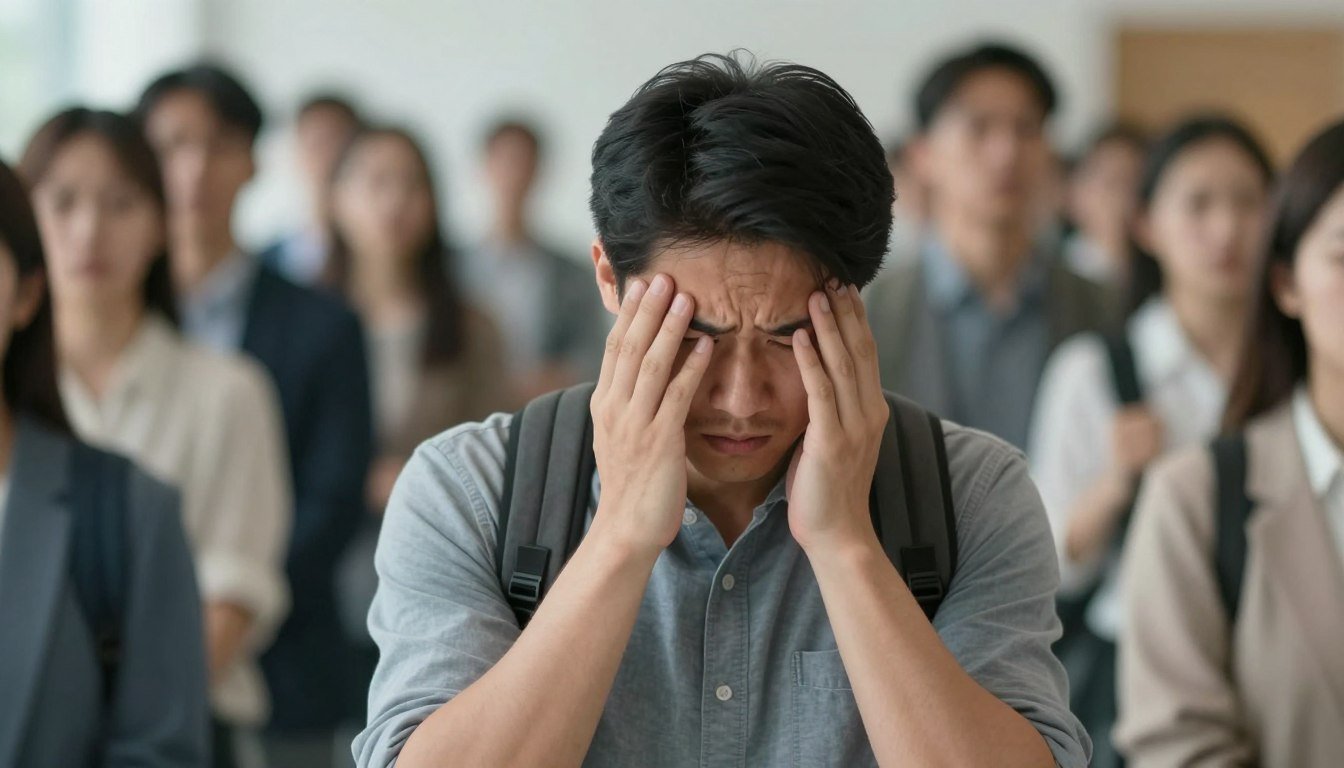
This condition affects millions of adults and teens across the United States. It goes far beyond normal shyness or occasional nervousness.
Social anxiety disorder causes intense fear and anxiety around people. This fear can disrupt your daily life, damage relationships, and prevent you from reaching your full potential.
The good news is that help is available. Understanding your symptoms is the first step toward healing.
What Is Social Anxiety Disorder (Anthropophobia)?
Social anxiety disorder represents a specific phobia that creates overwhelming fear of people and social situations. Unlike occasional nervousness, this mental health condition triggers severe distress that interferes with normal activities.
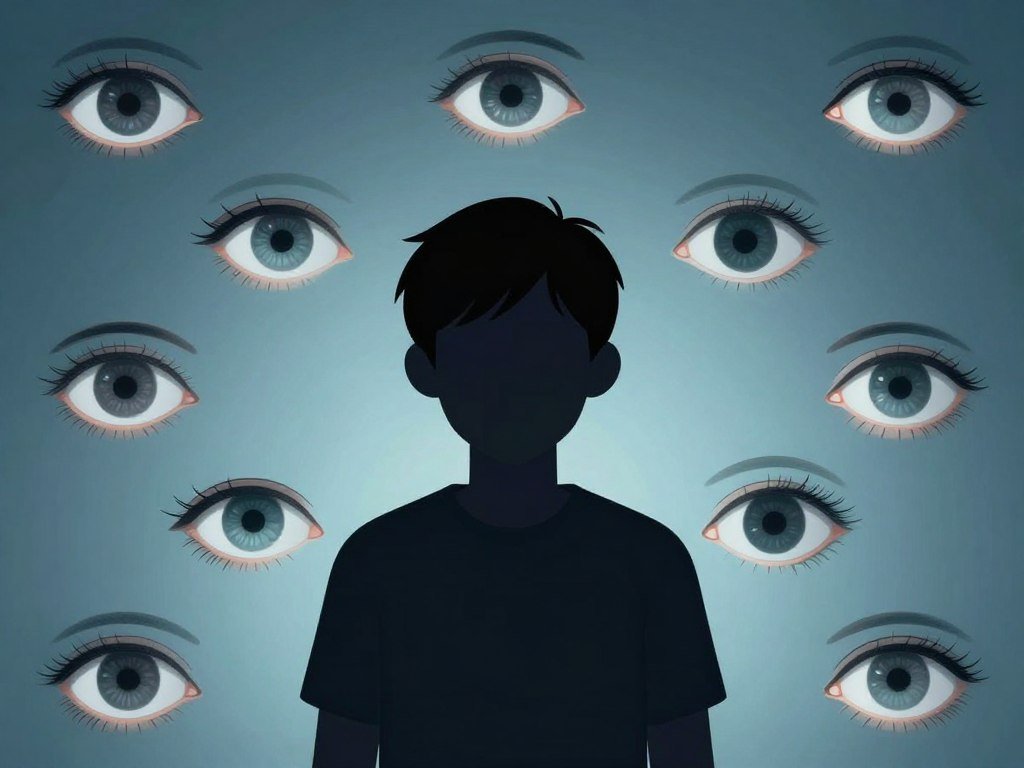
People with anthropophobia experience intense anxiety even in familiar settings. They may fear eye contact, worry about being judged, or panic when others watch them.
How Anthropophobia Differs From Other Anxiety Disorders
Social phobia focuses on specific social situations. Someone with social phobia might fear public speaking but feel comfortable in small groups.
Anthropophobia, however, creates fear of people themselves. This distinction makes the condition more challenging. You might feel anxious around family members or close friends.
Social Phobia
- Fear of specific situations
- Comfortable with known people
- Anxiety in performance settings
- Manageable in small groups
Anthropophobia
- Fear of all people
- Anxiety with everyone
- Distress in any social setting
- Difficulty in all group sizes
The National Institute of Mental Health reports that approximately 10% of adults experience a specific phobia during their lifetime. These conditions respond well to treatment when properly diagnosed.
Recognizing the Symptoms of Fear of People
Social anxiety disorder manifests through emotional, physical, and behavioral symptoms. Understanding these signs helps you identify when to seek help.

Emotional and Mental Symptoms
The fear people experience with anthropophobia goes beyond normal worry. You might constantly think about upcoming social events with dread.
- Intense fear of being judged or criticized by others
- Overwhelming anxiety before social situations
- Persistent worry about embarrassing yourself
- Fear of making eye contact with people
- Constant negative thoughts about social interactions
- Feeling watched or threatened by others
Physical Symptoms of Social Anxiety
Your body responds to fear with physical reactions. These symptoms can appear suddenly and feel frightening.
Cardiovascular
- Rapid heart rate
- Heart palpitations
- Chest tightness
Respiratory
- Shortness of breath
- Difficulty breathing
- Hyperventilation
Other Physical Signs
- Excessive sweating
- Trembling or shaking
- Nausea or stomach upset
- Dizziness or lightheadedness
- Flushed or pale skin
Behavioral Changes and Avoidance
People with anthropophobia often change their behaviors to avoid anxiety. These coping strategies can limit your life significantly.

You might decline invitations, skip work events, or avoid public transportation. Some people withdraw from relationships entirely. These behaviors provide temporary relief but worsen the condition over time.
Experiencing These Symptoms?
Professional support can help you understand and manage your symptoms. Connect with a mental health specialist who understands social anxiety disorder.
What Causes the Fear of People?
Social anxiety disorder develops through a combination of factors. No single cause explains why some people develop this phobia while others do not.
Genetic and Biological Factors
Research suggests that anxiety disorders run in families. If your parents or siblings have anxiety, you face higher risk.

Brain chemistry plays a significant role. Imbalances in neurotransmitters affect how you process fear and anxiety. Your adrenal glands produce stress hormones that can trigger excessive anxiety responses.
Studies show that behavioral inhibition genes may contribute to social anxiety. The National Institute of Mental Health found that some people show signs of this phobia very early in life.
Environmental and Traumatic Experiences
Past experiences shape how you view people and social situations. Trauma significantly increases your risk of developing anthropophobia.
- Childhood abuse or neglect
- Bullying experiences at school or work
- Betrayal by trusted loved ones
- Public humiliation or embarrassment
- Witnessing violence or aggression
- Prolonged isolation or rejection
These traumatic events teach your brain to perceive people as threats. Your mind develops protective mechanisms that become excessive over time.
Learned Behaviors and Modeling
You can learn fear responses from others. Children who grow up with anxious parents may adopt similar patterns.
Repeated negative social interactions reinforce fearful thinking. Each bad experience confirms your belief that people pose danger. This cycle strengthens the phobia without proper intervention.
How Mental Health Professionals Diagnose Social Anxiety Disorder
Proper diagnosis requires evaluation by a qualified mental health professional. While anthropophobia is not listed separately in the Diagnostic and Statistical Manual of Mental Disorders, it falls under specific phobia classifications.

Diagnostic Criteria and Assessment
Healthcare providers use specific questions to evaluate your symptoms. They assess whether your fear significantly impacts daily life.
Key Diagnostic Questions
- Do the same social situations always trigger fear or anxiety?
- Has this anxiety lasted six months or longer?
- Does avoiding people interfere with work, school, or relationships?
- Is your fear disproportionate to actual danger?
Your provider will rule out other conditions. Social anxiety can occur alongside depression, post-traumatic stress disorder, or other anxiety disorders. Understanding the full picture ensures appropriate treatment.
Related Conditions and Comorbidities
Many people with anthropophobia experience additional mental health challenges. These conditions often develop together and require comprehensive treatment approaches.
| Related Condition | Connection to Anthropophobia | Key Features |
| Depression | Social isolation increases risk | Persistent sadness, loss of interest |
| Panic Disorder | Frequent panic attacks in social settings | Sudden intense fear, physical symptoms |
| Avoidant Personality Disorder | Extreme social avoidance patterns | Feelings of inadequacy, hypersensitivity |
| Post-Traumatic Stress Disorder | Trauma-related fear responses | Flashbacks, hypervigilance, avoidance |
Effective Treatment Options for Social Anxiety Disorder
The fear of people is highly treatable. Multiple therapy approaches and treatment methods offer hope for recovery. Most people see significant improvement with proper care.

Psychotherapy Approaches
Therapy forms the foundation of treatment for anthropophobia. Several proven methods help people overcome their fear of social situations.
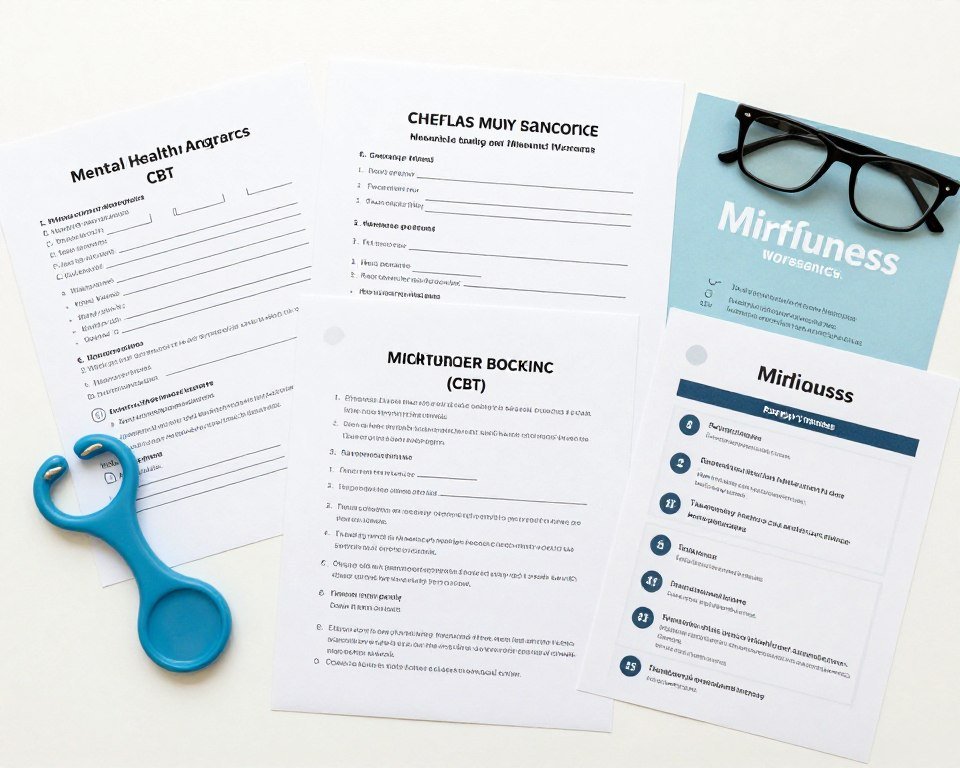
Cognitive Behavioral Therapy (CBT)
CBT helps you identify and challenge irrational thoughts about people. You learn to recognize anxiety patterns and replace negative thinking with realistic perspectives.
This therapy teaches practical coping skills. You develop strategies to manage symptoms when they arise. Research shows CBT produces lasting results for social anxiety disorder.
Exposure Therapy
Exposure therapy gradually introduces you to feared situations in a controlled, safe environment. Your therapist guides you through progressively challenging social interactions.
Success Rate: Up to 90% of people who consistently practice exposure therapy experience decreased symptoms and improved quality of life.
You might start by imagining social situations. Next, you practice being around small groups. Eventually, you build confidence for larger social events.
Trauma-Informed Therapy
For people whose anthropophobia stems from traumatic experiences, specialized trauma therapy addresses root causes. This approach helps you process painful events and rebuild feelings of safety.
Medication Options
Medications can help manage symptoms while you work through therapy. Your healthcare provider may recommend options based on your specific needs.
- Selective serotonin reuptake inhibitors (SSRIs) for ongoing anxiety management
- Anti-anxiety medications for acute symptoms
- Beta-blockers to control physical symptoms like rapid heart rate
Medication works best when combined with therapy. It provides relief while you develop long-term coping skills.
Innovative Treatment Methods
Virtual Reality Therapy
Technology offers new treatment possibilities. Virtual reality allows you to experience simulated social situations safely. You can practice interactions without real-world consequences.
Mindfulness and Relaxation Techniques
These practices help you manage anxiety in the moment. Techniques include deep breathing exercises, progressive muscle relaxation, and meditation.
Regular practice reduces overall anxiety levels. You learn to stay present rather than worrying about judgment from others.
Ready to Start Your Recovery Journey?
Professional mental health care can help you overcome social anxiety disorder. Our experienced therapists specialize in treating fear of people with evidence-based approaches.
Practical Coping Strategies for Managing Social Anxiety
Beyond professional treatment, you can implement daily practices that reduce anxiety. These self-help strategies complement therapy and build resilience.

Immediate Anxiety Relief Techniques
When anxiety strikes, these quick techniques provide relief. Practice them regularly so they become automatic responses.
Breathing Exercises
- Breathe in slowly through your nose for four counts
- Hold your breath for four counts
- Exhale slowly through your mouth for six counts
- Repeat until you feel calmer
Grounding Techniques
- Name five things you can see around you
- Identify four things you can touch
- Notice three things you can hear
- Recognize two things you can smell
- Acknowledge one thing you can taste
Lifestyle Changes That Support Mental Health
Your daily habits significantly impact anxiety levels. Small consistent changes create meaningful improvement over time.
- Exercise regularly to reduce stress hormones and boost mood
- Maintain consistent sleep schedule of seven to eight hours nightly
- Eat balanced meals with whole grains, lean protein, and vegetables
- Limit caffeine and alcohol consumption
- Stay hydrated throughout the day
- Practice stress management through hobbies or creative activities

Building Your Support Network
Connection with others remains vital despite your fear. Start small with trusted individuals who understand your condition.
Support groups for social anxiety provide safe environments. You meet others who share similar experiences. These connections reduce isolation and offer practical advice.
Talk to Trusted Loved Ones
Share your experiences with understanding family members or friends who can offer emotional support and encouragement.
Join Support Groups
Connect with others experiencing social anxiety through online or in-person support groups facilitated by mental health professionals.
Maintain Regular Contact
Schedule regular check-ins with your support network to prevent isolation and maintain connections during difficult periods.
How to Support Someone With Fear of People
If someone you care about struggles with anthropophobia, your support matters tremendously. Understanding how to help makes a real difference in their recovery.

What to Do
- Listen without judgment when they share their fears
- Educate yourself about social anxiety disorder
- Offer encouragement for small steps forward
- Respect their boundaries and pace of progress
- Accompany them to appointments if requested
- Celebrate their victories, no matter how small
What to Avoid
- Minimizing their fear or telling them to “just get over it”
- Forcing them into social situations before they are ready
- Taking their avoidance behaviors personally
- Comparing them to others or suggesting they are weak
- Enabling avoidance by doing everything for them
Encourage professional help while providing emotional support. Your patience and understanding create a foundation for their healing process.
Living With Social Anxiety Disorder: Long-Term Outlook
Recovery from anthropophobia takes time and commitment. The journey involves setbacks and victories. Understanding what to expect helps you stay motivated.

What Recovery Looks Like
You may not eliminate all anxiety completely. Most people learn to manage symptoms effectively. Recovery means anxiety no longer controls your life choices.
You develop confidence in social situations. Relationships improve as you engage more fully with others. Work and personal opportunities expand when fear decreases.
Preventing Relapse
Ongoing practice of coping skills maintains your progress. Continue therapy even after symptoms improve. Regular mental health check-ins catch problems early.
Warning Signs to Watch
- Increasing avoidance of social situations
- Return of physical anxiety symptoms
- Negative thought patterns intensifying
- Declining self-care habits
- Withdrawing from support network
Maintenance Strategies
- Practice exposure regularly to maintain tolerance
- Continue therapy sessions as recommended
- Use relaxation techniques daily
- Maintain healthy lifestyle habits
- Stay connected with support systems
- Monitor medication adherence if prescribed
Impact on Quality of Life
Without treatment, social anxiety disorder significantly limits life experiences. You may miss career opportunities, struggle with relationships, or develop depression.
Early intervention produces better outcomes. The longer you wait, the more ingrained avoidance patterns become. Seeking help demonstrates strength and commitment to your wellbeing.
Social Anxiety Disorder in Teens and Young Adults
Adolescence and young adulthood present unique challenges for people with anthropophobia. These life stages involve crucial social development and identity formation.

How Social Anxiety Affects Young People
Teens face intense social pressures. School, extracurricular activities, and peer relationships all trigger anxiety. Fear of people can lead to:
- Academic difficulties and school avoidance
- Limited participation in activities and sports
- Difficulty forming friendships and romantic relationships
- Increased risk of cyberbullying or online isolation
- Development of depression or other mental health conditions
Young people may struggle to articulate their feelings. They need adults who recognize symptoms and provide appropriate support.
Getting Help for Young People
Early treatment prevents long-term complications. Teen-focused therapy addresses developmental concerns alongside anxiety symptoms.
Family involvement strengthens treatment outcomes. Parents learn how to support their child without enabling avoidance. Schools can provide accommodations that reduce stress while encouraging participation.
Frequently Asked Questions About Fear of People
Is social anxiety disorder curable?
While there is no definitive cure, social anxiety disorder is highly treatable. Most people experience significant symptom reduction with proper therapy and support. Many individuals learn to manage their fear effectively and lead fulfilling lives. The success rate for treatment, especially with exposure therapy and CBT, exceeds 80% when people consistently engage with the therapeutic process.
How long does treatment for anthropophobia take?
Treatment duration varies based on symptom severity and individual circumstances. Some people notice improvement within a few months of therapy. Comprehensive treatment typically continues for six months to two years. Many individuals benefit from periodic therapy sessions even after initial symptoms improve. The key is consistent engagement with treatment and practice of coping strategies.
Can I overcome social anxiety without professional help?
While self-help strategies provide benefits, professional treatment offers the most effective path to recovery. Therapists provide structured approaches proven to work for social anxiety disorder. They help you safely confront fears and develop personalized coping strategies. Self-help techniques work best when combined with professional guidance, especially for moderate to severe symptoms.
Will medication alone treat my fear of people?
Medication can effectively manage symptoms but works best alongside therapy. Pills treat symptoms but do not address underlying thought patterns or behaviors. Combining medication with CBT or exposure therapy produces superior long-term results. Many people eventually reduce or discontinue medication after learning effective coping skills through therapy.
How do I know if my shyness is actually social anxiety disorder?
Normal shyness causes temporary discomfort but does not significantly disrupt your life. Social anxiety disorder creates persistent, intense fear that lasts six months or longer. It interferes with work, school, relationships, and daily activities. If your fear of people prevents you from pursuing opportunities or maintaining relationships, professional evaluation can provide clarity and appropriate support.
Moving Forward: Your Path to Overcoming Social Anxiety
Social anxiety disorder creates real challenges. The fear of people can feel overwhelming and isolating. But recovery is possible with proper support and treatment.

You deserve to live without constant fear. Professional mental health care provides effective tools for managing symptoms and rebuilding confidence.
Treatment works. People with anthropophobia go on to form meaningful relationships, pursue careers, and enjoy social activities. Your journey begins with a single step toward help.
Remember that seeking support demonstrates courage, not weakness. Mental health professionals understand social anxiety disorder and offer compassionate, evidence-based care.
Take action today. Your future self will thank you for making this important decision.
Take the First Step Toward Recovery
Do not let fear of people control your life any longer. Our compassionate mental health professionals specialize in treating social anxiety disorder with proven, effective methods. We offer confidential consultations and personalized treatment plans designed for your unique needs.
Available 24/7 for confidential support and scheduling