
What if your body’s natural alarm system is ringing too often, and you don’t know how to silence it?
We all face challenges. Our physical response to these changes is a natural, built-in reaction. It prepares us to handle pressure. This is often called the “fight-or-flight” response.
Feeling fear or unease is a common part of this process. For many, these feelings pass. For others, they don’t fade. They can grow and start to disrupt daily life.
When worry becomes constant, it may signal a deeper issue. Nearly one in three adults will experience this persistent state in their lifetime.
Recognizing the early signs is a powerful step. It allows individuals to take control of their well-being. Understanding the difference between a normal reaction and a lasting pattern is key to mental health.
We are here to guide you. Let’s explore the physical, emotional, and behavioral indicators together.
Key Takeaways
- Your body has a natural “fight-or-flight” response to challenges and pressure.
- Feeling fear or unease can be a normal reaction, but it can also become persistent.
- When these feelings don’t go away and worsen, they can interfere with everyday functioning.
- Understanding the signs early is crucial for maintaining your mental and overall health.
- Nearly one-third of adults will experience an anxiety disorder during their life.
- Proactive recognition of indicators empowers you to seek better well-being.
- This guide will help you identify the various manifestations of your body’s response to stressors.
Understanding Stress and Anxiety: Our Approach
Our approach begins with a fundamental distinction between two common yet distinct experiences. We believe clear definitions are the first step toward effective management.
Defining Stress and Its Triggers
We define stress as your body’s natural physical and psychological response to an obvious trigger. This stress response—the “fight-or-flight” mechanism—evolved to help you face challenging situations.
Triggers are typically external, like a tight deadline or a major life change. Everyone experiences this reaction to pressure. It is a universal human response to perceived danger.
For a deeper look at these concepts, you can understand better how these responses function.
How Anxiety Differs and Develops
Anxiety is different. It is the body’s reaction to a perceived threat, even when no immediate danger exists. The response can feel disproportionate to the actual situation.
Two people in the same scenario may have vastly different reactions. This is because anxiety develops over time. It is influenced by genetic makeup and learned behaviors from one’s environment.
While everyone experiences stress, anxiety involves more complex patterns. Understanding this helps set realistic expectations. Resources like those addressing workplace anxiety can be valuable.
| Aspect | Stress | Anxiety |
|---|---|---|
| Primary Trigger | Obvious external situations (e.g., work deadline) | Perceived internal or external threat |
| Typical Response | Fight-or-flight; proportional to the trigger | Persistent worry; may seem disproportionate |
| Development Factors | Universal human reaction | Genetic predisposition and learned components |
Recognizing Common Symptoms of Stress and Anxiety
Our bodies communicate distress through distinct channels, often before our minds fully register the problem. These manifestations typically fall into three groups: physical, psychological, and behavioral. Identifying them early is crucial for your well-being.
Physical, Psychological, and Behavioral Signs
Long-term stress keeps your body’s alarm system active. This continuous activation creates wear and tear on multiple systems.
Common signs include a racing heart, trouble breathing, or cold, sweaty hands. The mind may race with worry, making concentration difficult. Behaviorally, you might feel unable to stay calm or avoid specific places.

When Reactions Become a Concern
Occasional panic is a normal human reaction. Persistent indicators that disrupt daily life signal a deeper issue.
People with an anxiety disorder often know their fear is exaggerated. Yet, they struggle to control it.
Does this feeling interfere with your life?
Also ask about its severity and if it fits the situation. When anxiety is disproportionate to the real danger, it may point to a clinical condition. Understanding this difference empowers you to seek timely support for lasting conditions.
Identifying Physical Reactions in the Body
Physical manifestations are often the first noticeable signs that your system is on high alert. These tangible changes in your body provide crucial clues.
Heart Rate and Breathing Changes
When the fight-or-flight response activates, your heart begins beating faster. Your breathing patterns change, becoming rapid or shallow.
This process prepares the body for action. It increases oxygen flow and elevates blood pressure levels.
Muscle Tension and Chest Pain
Persistent muscle tightness is a hallmark physical sign. It commonly affects the jaw, neck, and shoulders.
Many people experience chest pain or tightness during anxiety episodes. This discomfort can sometimes mimic serious conditions.
Digestive and Skin Responses
Your digestive system can react strongly. Stress hormones may redirect blood flow away from it, leading to stomach upset.
Visible skin reactions like rashes or hives can also occur. These raised bumps often appear during periods of intense pressure.
Monitoring Emotional and Mental Health Signals
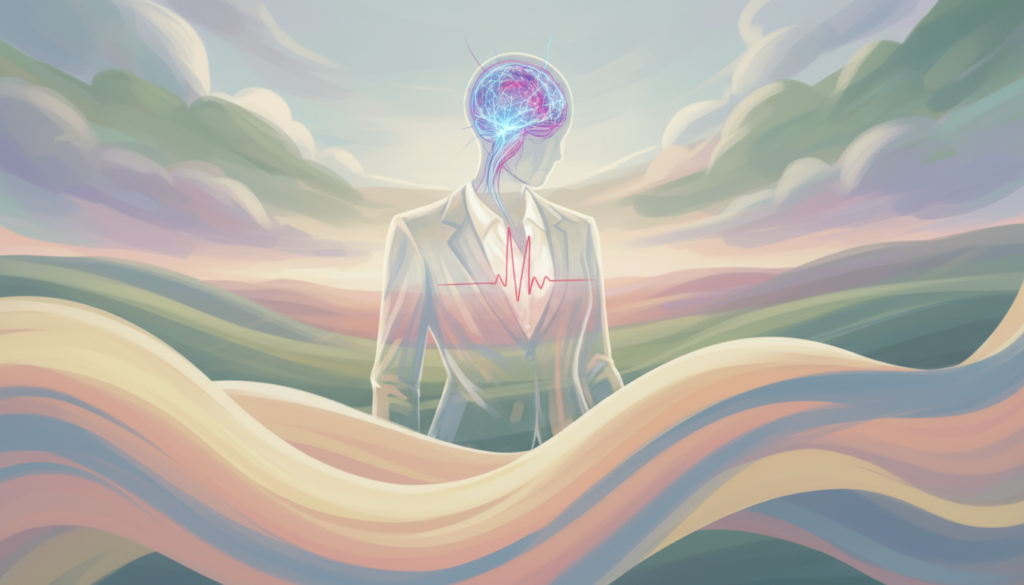
Your emotional landscape holds vital clues to your overall well-being, often signaling distress before you consciously acknowledge it. We focus on the internal signs that reveal your mental health status.
Psychological Symptoms: Worry and Panic
The mind can become a source of persistent trouble. Overwhelming worry and racing thoughts are common. Many people report an inability to concentrate or stop thinking about a problem.
Mood shifts are key indicators. You might feel irritable, sad, or a persistent sense of danger. These feelings can be intense and disproportionate to real events.
A panic attack is an intense episode of severe anxiety. It brings physical pain like a racing heart and sweating. Occasional episodes are normal, but repeated ones may signal an anxiety disorder.
Behavioral Changes in Daily Life
Your daily actions often mirror internal turmoil. Coping with stress can lead to eating too much or too little. Procrastination and avoiding responsibilities are frequent signs.
Look for increased use of alcohol or cigarettes. Nervous habits like nail-biting or pacing are external clues. An inability to stay calm and still is very common.
Trouble sleeping bridges both psychological and behavioral realms. Monitoring these signals is crucial. Untreated chronic stress and anxiety can lead to serious complications like depression.
How to Track the Symptoms of Stress and Anxiety
Tracking your experiences can transform vague feelings into clear, actionable data. Since these reactions are subjective, only you can describe their presence and severity accurately.
We introduce practical ways to monitor your indicators over time. This helps identify patterns and triggers more effectively.
Using Journals and Self-Monitoring Tools
A daily journal is a powerful tool. Record specific situations that trigger your response. Note the intensity of your symptoms and how long they last.
Self-monitoring tools include checklists and digital apps. They help maintain consistent records of physical and psychological changes.
Document the things that precede onset. This includes events, sleep quality, or diet. Identifying these variables can offer a sense of control.
Also, record how reactions affect your work and relationships. This assesses their true impact. Consistent tracking reveals if you face a temporary reaction or a persistent problem.
| Tracking Method | What to Record | Best For |
|---|---|---|
| Daily Journal | Emotions, triggers, physical feelings, duration | Noting detailed patterns and contexts |
| Symptom Checklist | Frequency and severity of specific indicators | Quick, consistent daily logging |
| Digital Mood Tracker | Mood ratings, sleep, activity, reminders | Visualizing trends over weeks or months |
Honest, detailed records are invaluable for healthcare providers. They need this information to understand your unique situation. This data leads to better, personalized recommendations.
Techniques and Strategies for Managing Stress and Anxiety
Building resilience against daily pressures involves training both the body and mind to respond differently. We present practical techniques rooted in evidence.
Implementing Relaxation and Breathing Exercises
Immediate relaxation techniques can short-circuit a heightened response. Deep, slow breathing signals safety to your nervous system.
Progressive muscle relaxation is another key method. It systematically releases physical tension. This helps you manage acute worry.
Exploring Cognitive Behavioral Strategies
Cognitive Behavioral Therapy (CBT) is a highly effective form of therapy. It focuses on current thought patterns and behaviors.
CBT teaches people to identify and change unhelpful thinking. It provides tools for present problems, not past events.
Another core CBT technique is controlled exposure. Gradually facing anxiety-provoking things helps the brain learn.
Avoidance often worsens the problem over time.
| Strategy Type | Primary Technique | Best For |
|---|---|---|
| Body-Calming | Diaphragmatic Breathing, Progressive Muscle Relaxation | Managing acute physical symptoms in the moment |
| Thought-Restructuring | Cognitive Reframing, Mindfulness Meditation | Addressing persistent worry and racing thoughts |
| Behavioral Engagement | Gradual Exposure, Routine Exercise (e.g., Yoga, Tai Chi) | Reducing avoidance and building long-term resilience |
For example, combining a breathing exercise with cognitive reframing creates a powerful approach. Research supports activities like meditation and yoga for lowering worry.
The Role of Healthcare Providers in Stress and Anxiety Care
Navigating the healthcare system for mental well-being can feel daunting. Knowing when to seek help is a critical skill. A care provider offers expert guidance and effective treatment plans.
When and How to Seek Professional Guidance
Consult a provider if persistent worry disrupts your daily life. Severe reactions that hinder work or relationships warrant immediate attention. Your health is the priority.
To diagnose an anxiety disorder, your provider will review your history. They ask detailed questions about your specific pattern. No lab test exists for this disorder.
Tests may be ordered to rule out other health conditions. Your primary care provider might refer you to a mental health specialist. Psychiatrists and psychologists have specialized tools.
| Treatment Type | Common Use | Key Consideration |
|---|---|---|
| Antidepressants | First-line medication for anxiety disorder and depression | Often works well for both conditions |
| Cognitive Behavioral Therapy (CBT) | Structured therapy to change thought patterns | Teaches long-term coping skills |
| Combined Approach | Medication and therapy together | Can yield the best results for many people |
For example, benzodiazepines may be prescribed for panic attacks. Their risk of dependency limits use for generalized anxiety disorder.
Most people benefit greatly from professional care. Untreated chronic stress increases the risk for serious complications. Open communication with your provider ensures personalized treatment.
Integrating Daily Activities to Combat Stress and Anxiety
Transforming your routine with small, consistent habits can fundamentally alter how you handle challenging moments. We focus on practical activities you can weave into your life to build resilience proactively.
Mindfulness, Exercise, and Relaxation
Mindfulness trains your body to stay present. This practice reduces rumination about past or future situations.
Structured activities like yoga and Tai Chi are powerful. They combine movement with breath control to calm the nervous system’s response.
General physical movement also helps. Even a daily walk can lower anxiety levels significantly.
Consistent relaxation practice creates real change. Over time, your body learns to manage pressure more effectively.
Building Resilience Through Routine Changes
Modify your environment at work and home. Create spaces that support calm and recovery.
Consistency matters more than session length. Brief daily activities teach your brain new patterns better than occasional long ones.
Gradually face anxiety-provoking situations as part of your life. Avoidance often worsens the problem.
Here is an example schedule for busy people:
| Time of Day | Activity | Duration |
|---|---|---|
| Morning | 5-minute mindful breathing | 5 min |
| Lunch Break | Brisk walk or gentle stretch | 15 min |
| Evening | Progressive muscle relaxation | 10 min |
This proactive approach strengthens your capacity to handle stress before it overwhelms. It turns daily work into an opportunity for growth.
Wrapping Up Our Journey Through Stress and Anxiety
Let’s reaffirm a crucial message: seeking help is a sign of strength, not a weakness. We’ve explored how understanding your body’s signals is the first step toward better mental health and life quality.
Persistent stress is a manageable health condition. It is not a personal failing. Recognizing this truth reduces stigma and encourages proper care.
Chronic stress poses serious risks. It can affect your heart, gut, and muscles. It also raises the risk for depression or an anxiety disorder.
Many effective ways to cope exist. Treatment from a care provider can teach you tailored strategies. Opening that conversation is powerful.
If you face an anxiety disorder, your condition often improves with treatment. Take proactive steps for your life and health. We support your journey toward lasting well-being.