
Have you ever felt lost in your own mind? Many of us deal with heavy feelings that seem hard to shake. We look for answers but find only temporary relief.
This resource is a key for mental health. Our podcast offers a new way to handle anxiety. We aim to help you find peace.
Winning internal battles takes time and the right info. We want to help you overcome fear and take back your day. Let’s explore this together.
First, we’ll see how stress impacts our bodies. We believe knowing more leads to peace. Learning new skills helps us face anxiety with confidence.
Everyone deserves to feel safe and secure. We want to clear up confusion. Join us to find ways to live fully every day.
Key Takeaways
- Understanding root causes of apprehension helps recovery.
- Podcasts provide valuable support for mental health.
- Management strategies for anxiety require consistent practice.
- Acknowledge feelings without letting them control actions.
- Discovering tools for wellness improves daily living.
- Community resources offer guidance for difficult moments.
Understanding Anxiety: An Overview
Modern life can be tough. It’s key to understand anxiety and how it affects us. Anxiety is a big mental health issue. It changes how we live, who we meet, and how we feel.
What Is Anxiety?
Anxiety is more than just feeling stressed or worried. It’s a lasting condition with too much fear and avoiding things. People with anxiety worry a lot, especially about their health and losing control.
Key aspects of anxiety include:
- Persistent and excessive worry
- Fear or anxiety that’s out of proportion to the situation
- Avoidance of certain situations due to fear
Common Symptoms of Anxiety
Anxiety shows up in many ways, both in our bodies and minds. Knowing these signs is the first step to handling anxiety.
Common symptoms include:
- Rapid heartbeat or palpitations
- Sweating, trembling, or shaking
- Nausea or abdominal discomfort
- Difficulty concentrating or making decisions
- Fear of losing control or having a panic attack
The Different Types of Anxiety Disorders
Anxiety isn’t the same for everyone. Each type has its own traits. Knowing these helps doctors and therapists help you better.
The main types of anxiety disorders include:
- Generalized Anxiety Disorder (GAD): Characterized by persistent and excessive worry about everyday things.
- Panic Disorder: Involves sudden feelings of terror that strike repeatedly and without warning.
- Social Anxiety Disorder: Fear of being judged or evaluated by others in social situations.
- Specific Phobias: Involves an intense, irrational fear of a specific object or situation.
The Impact of Anxiety on Daily Life
Anxiety can change how we act and think every day. It affects how we talk to others, make choices, and get things done. Knowing how anxiety changes our lives helps us find ways to deal with it.
How Anxiety Affects Our Relationships
Anxiety can make it hard to keep good relationships. It might make us pull back or need others too much. This can upset the balance in our friendships and family ties.
For example, someone with anxiety might find it hard to go to parties or share their feelings with their partner. Using mindfulness can help us notice our anxiety and how it affects our relationships.
“The greatest happiness of life is the conviction that we are loved; loved for ourselves, or rather, loved in spite of ourselves.” – Victor Hugo
Understanding how anxiety affects our relationships is the first step. Then, we can start working on self-care to build stronger, more lasting connections with others.
| Impact on Relationships | Effects of Anxiety | Coping Strategies |
|---|---|---|
| Romantic Relationships | Overdependence or withdrawal | Open communication, mindfulness |
| Friendships | Avoiding social gatherings | Gradual exposure to social events, self-care |
| Family Dynamics | Increased irritability | Mindfulness, setting boundaries |
Anxiety’s Role in Work and Productivity
Anxiety can really mess with our work and how much we get done. It makes it hard to focus, decide things, and finish tasks on time.

To fight these problems, adding self-care to our daily life helps. This could be going for a run, meditating, or just taking short breaks to calm down.
- Prioritizing tasks to manage workload effectively
- Using mindfulness techniques to stay focused
- Seeking support from colleagues or a supervisor when needed
By seeing how anxiety affects our work, we can start to manage it better. This helps us feel better overall.
The Science Behind Anxiety Disorders
Anxiety disorders come from many places. They involve our brain, genes, and what’s around us. To get it, we need to look at all these parts.
Neurobiology of Anxiety
Anxiety is closely tied to our brain. The amygdala and prefrontal cortex are key. The amygdala deals with fear and danger. It makes us feel scared.
The prefrontal cortex helps us make choices and control feelings. It works with serotonin and dopamine. These help us feel good. Knowing how anxiety works in the brain helps us find ways to feel better.
Genetic Factors Influencing Anxiety
Our genes can make us more likely to feel anxious. If your family has anxiety, you might too. Certain genes affect how we handle stress.
But genes aren’t everything. What happens around us and our experiences matter too. Knowing about genes helps us find the right therapy for each person.
Environmental Triggers
Things around us can make anxiety worse. Big changes, stress, and trauma can start anxiety. Even our diet, exercise, and sleep can affect how anxious we feel.
It’s important to know what triggers anxiety. We can use mindfulness, therapy, and change our lifestyle to cope. This helps us deal with anxiety better.
Coping Strategies for Managing Anxiety
We can handle anxiety by using many techniques that help our mental wellness. Learning and using different coping strategies helps us deal with anxiety better.
Mindfulness and Meditation Techniques
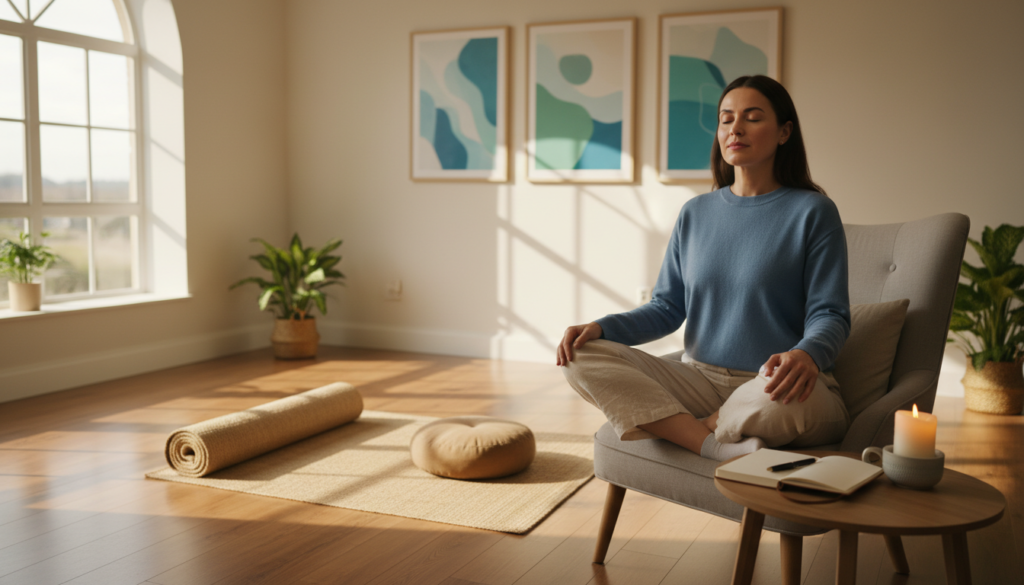
Mindfulness and meditation really help lower anxiety. They help us stay in the now, not worry about yesterday or tomorrow. Regular mindfulness practice can make anxiety symptoms go down.
Mindfulness meditation is one way to calm the mind. You can do it anywhere, anytime. It’s a great way to manage anxiety.
Cognitive Behavioral Therapy (CBT) Approaches
Cognitive Behavioral Therapy (CBT) is great for managing anxiety. It helps us spot and change negative thoughts that make us anxious. With CBT, we learn to think and act in better ways.
- Identifying distorted or unhelpful thinking patterns
- Learning new skills to manage anxiety
- Practicing new behaviors in a safe environment
Lifestyle Changes That Help Reduce Anxiety
Changing our lifestyle can also help reduce anxiety. Regular exercise, a healthy diet, and enough sleep are key for mental wellness. Also, cutting down on caffeine and alcohol helps.
Doing things that make us happy and using relaxation techniques like deep breathing or yoga also help. These actions can lessen anxiety.
Seeking Help: Professional Support Options
There are many ways to get help for anxiety. It’s okay to ask for help. It shows we’re brave. Let’s look at the different ways we can get support.
Therapy and Counseling Resources
Therapy and counseling are key for managing anxiety. Cognitive Behavioral Therapy (CBT) helps change how we think and act. A therapist or counselor can guide us on our journey to recovery.
Therapy and counseling offer many benefits. They help us:
- Change negative thoughts
- Learn new ways to cope
- Improve how we talk to others
For more help, check out Work Shift Anxiety online.
Medication as a Treatment Option
Medicine might be needed to help with anxiety. Antidepressants and benzodiazepines are often used. But, it’s important to talk to a doctor first. They can help us understand the good and bad of these medicines.
A doctor can explain the different medicines. They help us choose the best one for us.
Support Groups and Community Resources
Support groups and community resources are very helpful. They give us a place to feel connected. Sharing our stories with others who understand can be very comforting.
“The power of support groups lies in their ability to provide a safe space for individuals to share their stories and connect with others who understand their struggles.”
By looking into these options, we can fight anxiety better. We can also improve our mental health.
The Role of Technology in Managing Anxiety
Technology helps a lot with anxiety today. It gives us many ways to cope and find support. It’s key to see how tech can help our mental health.
Many digital tools and platforms have been made for anxiety. They let people get help from home. This is a big help.
Apps Designed for Anxiety Management
There are many apps for anxiety. They have things like meditation, mood tracking, and CBT exercises. Mindfulness apps teach us to relax and feel less stressed. Some top apps are:
- Headspace
- Calm
- Insight Timer
These apps use coping strategies that fit what you need. They are great for managing anxiety.
Online Therapy Platforms
Online therapy has changed how we get mental health help. It lets us talk to therapists online. This is good for those who can’t go to in-person sessions.
Online therapy has many benefits. For example:
- It’s easy to schedule
- You can find more therapists online
- You can get therapy from home
Social Media’s Impact on Mental Health
Technology is good for anxiety, but social media can be bad. It can make us feel stressed and anxious. This is especially true if we compare ourselves or see upsetting things.
But, social media can also help. It lets us find support groups and feel connected. This can make us feel less alone.
To use technology wisely for anxiety, we need to find a balance. We should use digital tools but also have healthy online habits.
Real Stories: Personal Experiences with Anxiety
Listening to others who have dealt with anxiety can help a lot. It creates a feeling of community and understanding.
Testimonials from People We Can Relate To
Many people have shared their battles with anxiety. They talk about their struggles and how they won. For example, Sarah, a college student, used self-care like meditation and journaling. She says these helped her feel better and less stressed.
John, a working person, used stress management like deep breathing and planning his time. His story shows how important it is to find ways to handle anxiety every day.
Lessons Learned from Anxiety Journeys
Stories from those who have faced anxiety teach us a lot. One big lesson is the need for support from family, friends, or therapists. This helps people find new ways to deal with their anxiety.
Another important lesson is the power of self-compassion. Being kind to oneself helps in managing anxiety. This makes a person more positive and strong.
Also, the stories of those who have managed their anxiety show the value of stress management techniques. Using these in daily life helps people handle stress better and feel less anxious.
Moving Forward: Embracing Our Anxious Truth
Dealing with anxiety is tough. But facing our anxious truth is key to healing. It helps us break free from shame about our mental health.
Breaking the Silence
Talking openly about anxiety helps us all. Sharing our stories and listening to others builds a supportive community. Getting help from therapists or counselors is also important.
Fostering a Supportive Community
We need a community that gets it. We can make this happen by talking more about mental health. This way, we all support each other’s mental wellness.
Embracing Continuous Growth
Growing and healing take time and effort. We need self-care, professional help, and community support. By using these tools, we can handle anxiety and feel better overall.