
Master your biology to stay alert on shift and sleep soundly when you’re home. Research-backed protocols for nurses, drivers, and first responders.
The Science of Circadian Misalignment
For shift workers, the battle against the clock is more than just feeling “tired.” When you work against your natural circadian rhythm, your body enters a state of physiological stress. This mismatch often leads to a spike in cortisol, which can cause anxiety-related hypertension symptoms and persistent feelings of dread during your commute.
The key to managing this isn’t just “more caffeine” or “taking a sleeping pill.” It is the strategic timing of two specific substances: Caffeine (the alertness signal) and Melatonin (the darkness signal). By following a structured timing chart, you can prevent the “vicious cycle” where caffeine keeps you up during your sleep window, and poor sleep leaves you more anxious the next night.
The Comprehensive Shift Timing Chart
This chart maps out the ideal windows for caffeine consumption and melatonin dosing based on common shift schedules. These recommendations are designed to respect the 4–6 hour half-life of caffeine and the 3–4 hour “pre-signal” window needed for melatonin to be effective.
| Shift Schedule | Primary Caffeine Window | Caffeine “Cut-Off” Time | Melatonin Dosing Window | Intended Sleep Window |
|---|---|---|---|---|
| Night Shift (19:00 – 07:00) | 21:00 – 23:00 (Main dose 150-200mg) |
02:00 AM | 04:00 AM – 05:00 AM (0.3mg – 1mg) |
08:30 AM – 15:30 PM |
| Deep Night (23:00 – 07:00) | 23:00 – 01:00 (Micro-doses 50mg) |
03:00 AM | 05:00 AM – 06:00 AM (1mg – 3mg) |
09:00 AM – 16:00 PM |
| Evening / Swing (15:00 – 23:00) | 14:00 – 16:00 | 18:00 (6 PM) | 21:00 PM – 22:00 PM (Low dose) |
00:00 AM – 07:00 AM |
| Early Morning (04:00 – 12:00) | 04:00 – 06:00 | 08:00 AM | 18:00 PM – 19:00 PM (Phase advance) |
20:00 PM – 03:00 AM |
Optimizing Caffeine: Performance Without the Crash
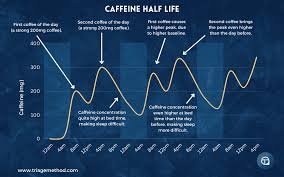
Caffeine is a powerful tool, but most shift workers use it incorrectly. If you drink a large cup of coffee at 4:00 AM to get through the end of a shift, that caffeine is still in your system at 9:00 AM when you are trying to sleep. This suppresses REM sleep and leads to high blood pressure from anxiety and lack of rest.
The Micro-Dosing Strategy
Research indicates that small, frequent doses of caffeine (50–100mg, roughly half a cup of coffee) every 1–2 hours during the first half of a shift are more effective for maintaining objective alertness than one massive dose at the start. This prevents the jitters that can mimic hypertension-related anxiety.
The Caffeine Nap (The “Coffee Nap”)
This is a secret weapon for shift workers. Drink a quick caffeinated beverage, then immediately lie down for a 15–20 minute nap. Caffeine takes about 20 minutes to reach the brain. By the time it kicks in, you have cleared some adenosine (the “sleep pressure” chemical) from your brain via the nap, allowing the caffeine to bind more effectively to your receptors.
⚠️ Warning for Chronic Users
Over-reliance on caffeine can mask symptoms of Shift Work Disorder (SWD). If you find that even high doses of caffeine do not improve your reaction time, or if you feel a “racing heart” accompanied by anxiety, you may be experiencing anxiety-induced blood pressure spikes. Consult the timing chart above to begin a tapering process.
Melatonin: The Darkness Signal, Not a Sedative
Many people treat melatonin like a “knock-out” pill. In reality, melatonin is a chronobiotic—it tells your brain that it is night. For shift workers, the sun hitting your eyes during the morning commute home suppresses your natural melatonin, making it impossible for the brain to realize it’s time to sleep.
The “Pre-Signal” Window
For a standard night shift ending at 07:00, taking a low dose of melatonin (0.3mg to 1mg) at 05:00 while still on shift can “pre-signal” the brain. This helps counteract the blue light you will encounter during your drive home. Taking it 3–4 hours before sleep is often more effective for circadian shifting than taking it right before you get into bed.
Dosage Matters
Higher is not always better. Doses over 5mg can lead to “vivid dreams” and next-day grogginess, which can increase feelings of morning anxiety or post-meal anxiety. Stick to the lowest effective dose to shift your rhythm without the “melatonin hangover.”
The Anxiety-Sleep Connection
Why do we care so much about timing? Because poor sleep is the #1 fuel for anxiety. Shift workers have significantly higher rates of Generalized Anxiety Disorder (GAD). When the circadian rhythm is broken, the body’s ability to regulate the “fight or flight” response is compromised. This often manifests as hypertension and panic attacks in high-stress environments like hospitals or emergency services.
By using the Strategic Caffeine & Melatonin Timing Chart, you are not just managing energy; you are protecting your mental health. Reducing the physiological stress of “staying awake” reduces the baseline anxiety that many workers carry into their shifts.
Frequently Asked Questions
Take Control of Your Shift Life
Managing the anxiety of irregular hours starts with mastering your biology. Use our timing chart as a baseline and adjust to your specific needs.
Are you worried about how shift work is affecting your physical health? Read our guide on the connection between stress and your heart.