What if the key to managing overwhelming stress lies not in your thoughts, but in a physical pathway you can actually influence?
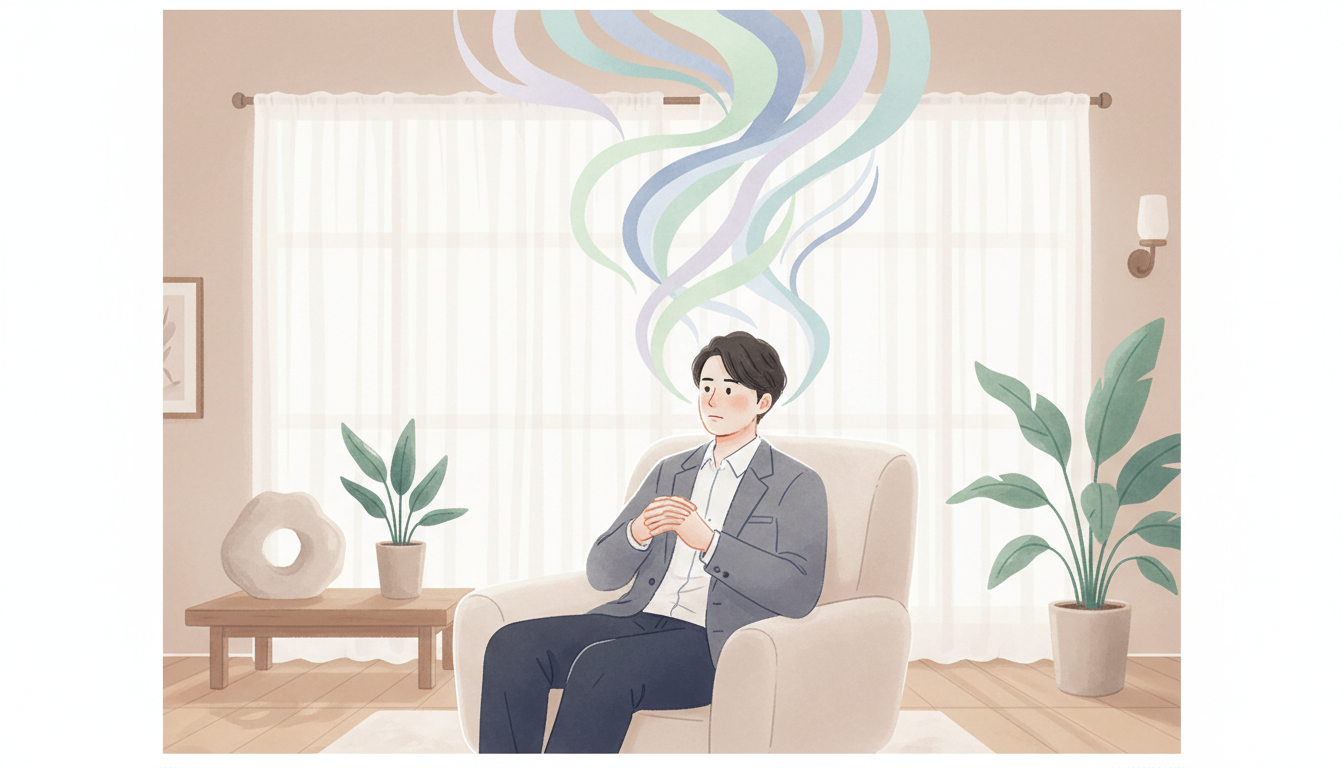
When your brain senses danger, your entire system can shift into overdrive. This happens whether you face a real threat or just a stressful thought. Your heartbeat races, your breath gets shallow, and your stomach may churn.
These are classic signs of your body’s “fight or flight” response. It’s a primal system designed for survival. But in modern life, it can get stuck in the “on” position.
We explore how these physical reactions connect to a major part of our nervous system. Understanding this link is crucial for managing emotional well-being.
This guide introduces a critical component that influences both physical and mental health. We explain how recognizing these signals empowers you to take control.
We’ll cover how to identify them, the science behind them, and practical strategies for relief. Our approach is to help you work with your body’s natural responses.
Key Takeaways
- Your body has a built-in physical alarm system for perceived threats.
- A primary cranial nerve is a central player in regulating this stress response.
- Noticing your body’s physical signs is the first step toward better management.
- These experiences are very common, and effective solutions are available.
- Practical techniques exist to help calm your system and improve your quality of life.
- This guide provides both scientific understanding and actionable strategies.
- Empowerment comes from learning to influence this powerful mind-body connection.
Understanding the Vagus Nerve and Its Role in Anxiety
Think of your body’s internal network as having a master switch for calm. This switch is a primary cranial conductor known as the vagus nerve.
It is a critical part of our autonomic framework. This system runs our essential, involuntary functions behind the scenes.
Anatomy and Functions of the Vagus Nerve
This pathway begins in the brainstem. It travels down through the neck and into the chest and abdomen.
Along the way, it connects to vital organs like the heart and lungs. It also reaches the stomach and intestines to oversee digestion.
Its main job is to carry signals between the brain and these body systems. This allows for constant, two-way communication.
Connection to the Autonomic Nervous System
Our autonomic nervous system has two main branches. The sympathetic branch prepares us for action with a fight-or-flight response.
The parasympathetic branch promotes rest and recovery. The vagus nerve is the star player of this calming branch.
When activated, it helps slow the heart and steady breathing. It tells our body the threat has passed and it’s safe to relax.
Identifying Vagus Nerve Anxiety Symptoms
Many physical discomforts are actually messages from an overworked internal regulator. When this system is strained, your body sends clear signals. Recognizing them is the first step toward better management.
Common signs include a racing pulse and higher blood pressure. You might notice short, shallow breaths that don’t feel satisfying. This is your cardiovascular and respiratory systems reacting to perceived threat.

Your digestive system often reacts strongly. Feelings of nausea or a queasy stomach are frequent. Muscle tension and trembling hands are other common physical manifestations.
When these responses become chronic, they can lead to persistent fatigue. Sleep disturbances and ongoing gut issues may develop. It’s key to distinguish normal stress from a lasting imbalance.
| Physical Sign | What It Feels Like | Connected System |
|---|---|---|
| Racing Heart | Pulse feels fast, pounding in chest | Cardiovascular |
| Shallow Breath | Can’t take a deep breath; chest feels tight | Respiratory |
| Upset Stomach | Nausea, butterflies, or churning feeling | Digestive |
| Trembling Hands | Shaky, unsteady fingers | Muscular |
| Chronic Fatigue | Persistent tiredness not relieved by rest | Whole Body |
For many people, identifying these physical cues is empowering. It shifts the focus from vague worry to tangible signals you can address. This awareness creates a solid foundation for applying effective calming strategies.
The Science Behind Heart Rate, Digestion, and Vagal Tone
The strength of a key bodily signal, known as vagal tone, directly influences cardiovascular and digestive health. It measures the activity of a major cranial pathway.
This metric offers a window into how well our internal regulator functions. High scores correlate with better physical resilience.
Heart Rate Regulation and Vagal Activity
Strong vagal tone is linked to a lower resting heart rate and reduced blood pressure. It also increases heart rate variability (HRV).
HRV is the natural variation in time between beats. It is a key indicator of autonomic nervous system balance.
A higher HRV suggests our body can adapt smoothly to stress. This flexibility is a marker of cardiovascular health.
Digestive Processes and Nerve Functions
The same pathway plays a central role in digestion. It manages the release of enzymes and stomach acid.
It also controls the muscular contractions that move food. This ensures efficient nutrient processing.
When this function is impaired, issues like acid reflux or irritable bowel can arise. Understanding this science explains why heart and gut troubles often occur together.
Improving vagal tone can benefit both systems simultaneously.
Managing Stress Through Vagus Nerve Stimulation Techniques
Modern science offers two distinct pathways to influence our body’s internal calm switch. One uses technology, the other relies on daily practice.
Both aim to enhance the natural signals that promote relaxation. This can be crucial for managing persistent stress and improving well-being.
Device-Based Vagus Nerve Stimulation
Healthcare providers sometimes use an implanted device for vagus nerve stimulation (VNS). A small generator is placed near the collarbone.
It sends gentle electrical impulses to the cranial pathway. These signals travel to the brain, helping to calm irregular activity.
This medical treatment is FDA-approved for cases of severe, treatment-resistant depression. It is considered when other approaches have not worked.
Research continues to explore its use for other conditions like migraine and Alzheimer’s disease. The potential for this type of nerve stimulation is expanding.
Non-Medical Activation Methods
Many people can support their system without any devices. Simple, daily habits effectively send calming signals.
These methods include deep, slow breathing and mindfulness meditation. Regular physical activity and brief cold exposure, like splashing your face, are also powerful.
Fostering social connection and expressing gratitude are vital too. These practices work by naturally enhancing your body’s own relaxation response.
They can help regulate mood and support overall mental health. Choosing the right approach depends on your individual needs and circumstances.
Harnessing Deep Breathing and Meditation for Nerve Calm
One of the most accessible tools for calming your system is right under your nose. Your breath acts as a direct communication channel with your internal relaxation pathways.
Short, shallow breaths can keep you feeling on edge. In contrast, slow, deliberate deep breathing sends a powerful signal of safety.
Step-by-Step Deep Breathing Exercises
Start with diaphragmatic or belly breathing. Place one hand on your lower stomach. Inhale slowly through your nose, feeling your belly rise.
Exhale fully, noticing your hand fall. This visible movement ensures you’re engaging the diaphragm correctly.
A highly effective method is the 4-7-8 technique. Inhale for a count of four. Gently hold your breath for seven counts.
Finally, exhale smoothly through your nose for eight counts. This extended exhalation is key to triggering the relaxation response.
Always practice these methods in a safe setting. Avoid them while driving or during any activity requiring your full attention.
This rhythmic breathing pattern directly activates the vagus nerve. It tells your body to lower your heart rate and shift out of a stressed state.
Pairing this focused breathing with meditation creates a powerful routine for long-term nervous system health.
Exploring Mind-Body Therapies for Nervous System Balance
Ancient practices meet modern science in therapies that unite physical and mental well-being. These approaches work together to stimulate your body’s internal calm pathways.
They support overall mental health by engaging both the mind and physical self. This dual focus helps reset heart and breathing patterns naturally.
Yoga, Meditation, and Mindfulness Practices
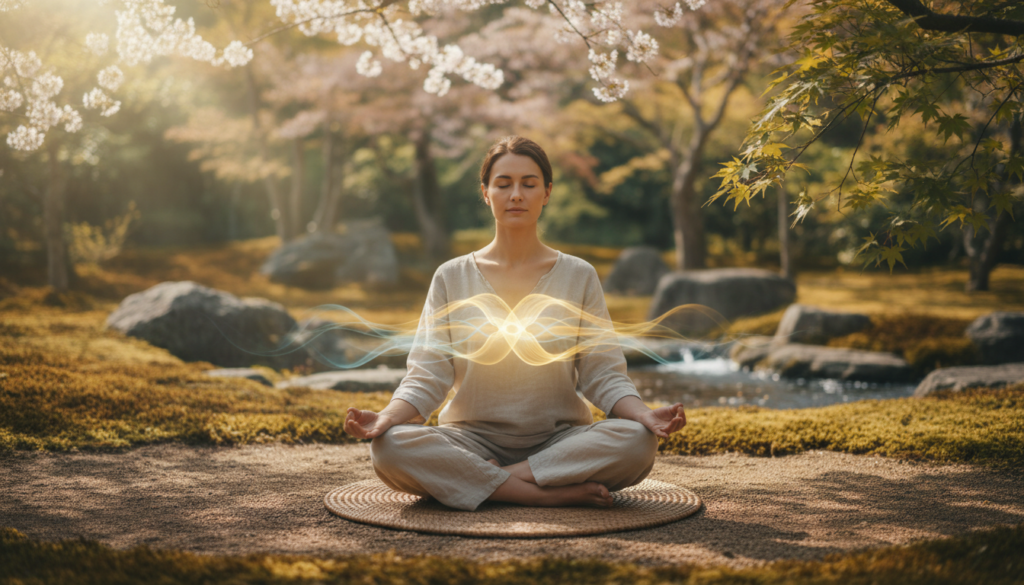
Beginning a meditation practice is simple. Try a five-minute session seated quietly with eyes closed.
Concentrate on your breath and let other concerns fade. This present-moment awareness sends calming signals through your cranial pathway.
Gentle exercise like yoga or stretching also restores balance. Slow, relaxed movement directly affects this regulatory system.
Even focused strength training can positively influence it. The key is getting your body engaged with intention.
| Therapy Type | Primary Focus | Key Benefit |
|---|---|---|
| Mindfulness Meditation | Present-Moment Awareness | Calms nerves and improves mood |
| Gentle Yoga | Breath & Movement Synergy | Resets heart and breathing patterns |
| Focused Strength Training | Intentional Physical Engagement | Enhances overall system resilience |
These therapies help people transition from stressed to calm states. Consistent practice supports long-term well-being without perfect technique.
Practical Daily Habits to Support Vagus Nerve Health
The foundation for a balanced nervous system is laid by how you live, move, and rest each day. Simple, consistent actions send powerful signals of safety to your internal regulator.
Lifestyle Adjustments for Reduced Anxiety
Prioritizing adequate sleep and a nutritious diet are fundamental. Creating time for relaxation and enjoyment is equally vital.
These steps naturally engage your parasympathetic system. They help your body shift from a state of alert to one of calm.
Benefits of Cold Exposure and Regular Exercise
Brief, sudden cold contact is a potent stimulant. It slows your heart rate and redirects blood and oxygen to core organs.
This practice may also trigger the release of endorphins, your body‘s natural feel-good chemicals. For your digestive system, it can prompt helpful enzyme release.
| Method | Action | Key Benefit |
|---|---|---|
| Splash Face with Cold Water | Quick, accessible stimulation | Triggers immediate calming reflex |
| Brief Cold Shower | Full-body exposure | Promotes endorphin release |
| Apply Cold Pack to Neck | Targeted, gentle application | Slows heart rate effectively |
Regular physical activity is equally powerful. Following guidelines of 150 minutes of moderate aerobic exercise weekly, plus strength training, increases vagal tone.
This directly supports cardiovascular health and helps regulate the stress response. The synergy is remarkable.
For best results, weave these habits into your routine as a consistent part of life. This integrated approach helps people build lasting well-being.
Overcoming Anxiety with a Balanced Nervous System
Your body’s capacity to bounce back from stress is not fixed. It’s a measurable quality you can actively improve.
A holistic strategy works best for lasting well-being. This means blending different methods to support your whole self.
Combining Therapies for Improved Mood
Using just one approach often isn’t enough. A multi-faceted plan creates stronger, more lasting results.
For instance, pairing mindfulness with gentle movement addresses both mind and body. This synergy is powerful for regulating your emotional state.
Research shows low vagal tone is linked to a higher risk of depression. This imbalance affects sleep, energy, and gut function.
An integrated plan can help correct this. The goal is to rebuild your natural resilience.
| Therapy Combination | Primary Goal | Expected Outcome |
|---|---|---|
| Breathwork + Social Connection | Signal immediate safety & build support | Reduced stress reactivity, improved mood |
| Regular Exercise + Balanced Nutrition | Strengthen physical foundation | Higher energy, better overall health |
| Cognitive Training + Mindfulness | Enhance focus & present-moment awareness | Sharper thinking, less rumination |
Monitoring Vagal Tone for Better Health
Tracking your progress provides motivation and insight. You can see what’s working.
High vagal tone means a better stress response and quicker recovery. It supports both mental health and physical health.
New studies even explore this pathway’s role in focus and memory. This highlights its broad role in wellness.
Successful treatment is an ongoing process. It combines various therapies, lifestyle changes, and mindful tracking.
This integrated care is essential for managing conditions like depression and maintaining balance.
Embracing a Healthier Future Together
The path to a calmer, more resilient you begins with simple, daily actions. These steps support your body’s natural relaxation systems.
We’ve explored a critical cranial pathway. Its role in regulating heart rate and digestion makes it central to overall health.
Understanding this empowers people to take proactive steps. You can improve your quality of life with accessible strategies.
Changing old patterns requires patience. The benefits to your mental health and well-being are worth the commitment.
Choose the techniques that fit your lifestyle best. The goal is sustainable implementation.
With consistent practice, these actions become second nature. They transform from effort into effortless habit.
Stress is a universal experience. Building a toolbox of strategies provides ongoing support for life’s challenges.
We conclude with optimism. Improved function of this key nerve contributes to better wellness for everyone.